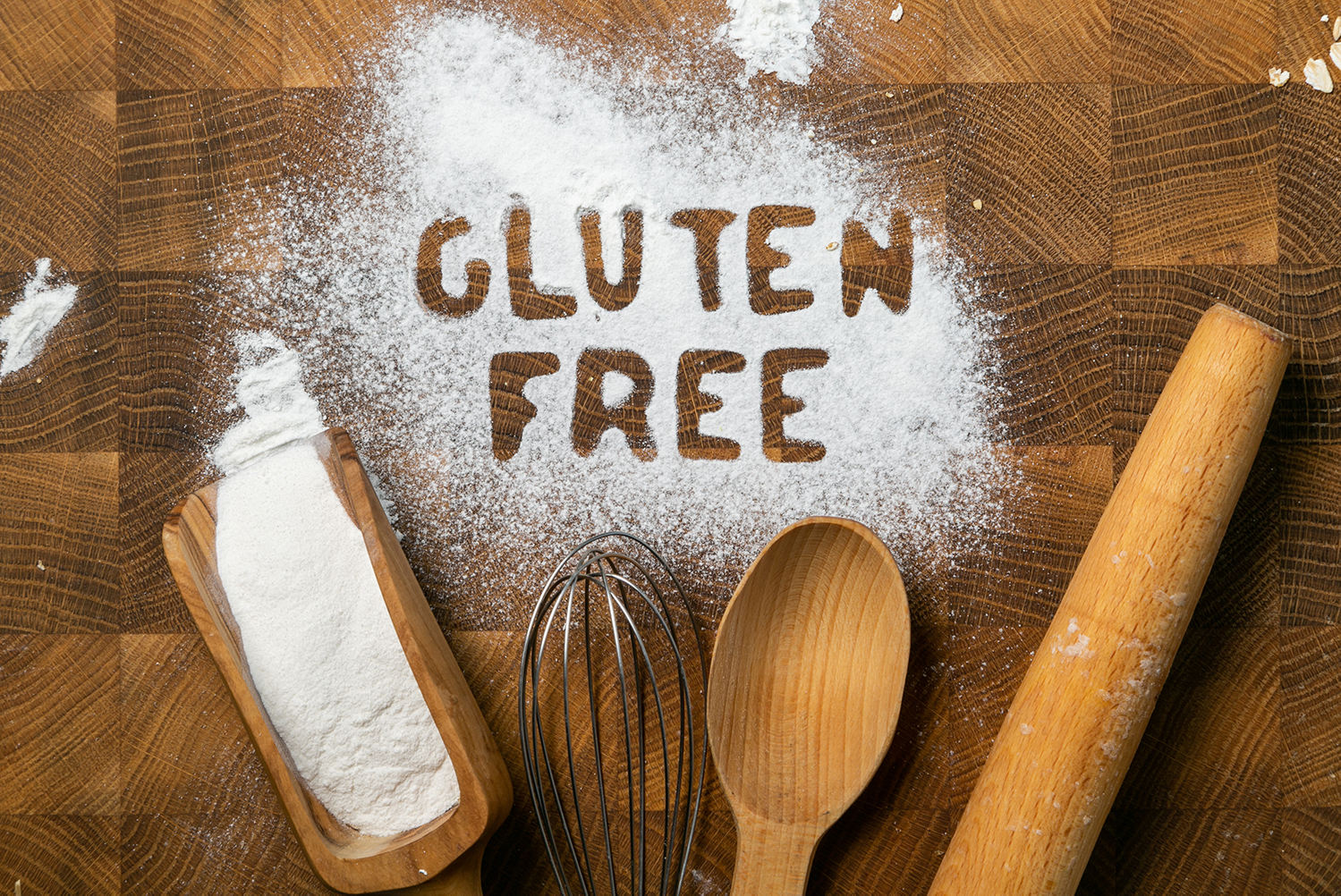
Avoiding gluten isn’t just about monitoring what you eat. It’s also about making sure there are safe areas where you store, prepare, and eat food.
You don’t need to renovate your kitchen to ensure it’s free of gluten. Here are some helpful steps to make the area a safe zone for all—whether some or all of your family are gluten free.
Steps to a Gluten-Free Kitchen
-
Get Rid of Products
If you’re going for a completely gluten-free kitchen, start by getting rid of the obvius.
-
Donate Unopened Products
Donate any unopened gluten-containing foods to a food bank. Or give them away to friends, family, or co-workers.
Common foods include:
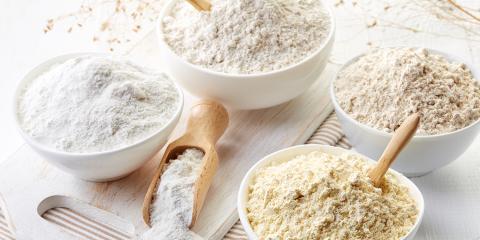
- flours
- mixes
- pastas
- cereals
- breads
- cookies
- crackers
-
Discard Opened Products
Discard any gluten products that have already been opened.
Handle items with care, so flour particles won’t become airborne and potentially swallowed.
-
Beware Cross-Contamination
Keep in mind that opened gluten-free pantry items like sugar, baking powder, and baking soda may have been contaminated at some point with a measuring cup or spoon.
-
-
Clean Away Gluten
This step is crucial for making a space safe for celiacs and gluten-intolerant individuals.
Even a single lurking bread or cracker crumb contains harmful gluten proteins and can inadvertently end up on someone’s plate.
To rid the area of gluten:
-
Clear Out The Kitchen
Remove all items from the cupboards, pantries, silverware and utensil drawers, and the freezer and fridge.
-
Wipe Down Surfaces
Wipe down surfaces with a mild soap solution. Rinse and then dry.
Pay special attention to spots that are sticky or greasy, as flour and crumbs tend to stick to these areas.
Don’t forget to clean the tops of kitchen cupboards and light fixtures as well as cupboard and drawer handles.
-
Do The Kitchen Laundry
Launder aprons, dish towels, and cloth napkins. Scrub the oven—including the racks and oven drawer.
Mind Your Sponges
Sponges can be a problem if they’re used to wipe up areas where there’s gluten.
To safely mop up spills, assign one color sponge for gluten-containing messes and another for gluten-free zones.
-
-
Maintain It
-
Keep Items Isolated
- Purchase a toaster that will be used only for gluten-free foods, since it’s almost impossible to clean an old toaster of all its crumbs. Store and use the gluten-free toaster in a separate area.
- Use separate butter dishes, flour sifters, pasta colanders, and cutting boards for those eating gluten free.
- You may also want to consider another set of roasting and baking pans, measuring cups and spoons, utensils, and can openers.
- Be sure to purchase and label brand-new storage containers for all gluten-free flours.
-
Keep Appliances Clean
Appliances such as bread makers and food processors can contain hidden gluten. Clean paddles, blades, and crevices very carefully.
If possible, have a second set of blades or—even better—different machines.
-
Avoid Using Plastic
Be wary of using old plastic bowls and utensils. They scratch easily, and the scratches can harbor tiny amounts of gluten.
It’s best to discard or donate these items. Replace with stainless steel or glass bowls that are washed carefully between between uses.
-
Tips for Kitchens with Gluten
-
Storage
-
Label Containers
If it seems that some family members are (still!) dipping their gluten-containing utensils back into condiment jars, put Post-it notes or a label maker to use.
Label which condiments are gluten safe and which aren’t.
Label gluten-free flours and grains, whether they’re stored in the pantry, fridge, or freezer. Mark with the date of purchase and the expiration date.
-
Use Squirt Bottles
Squeeze-top or squirt bottles of condiments make a good choice for avoiding cross contamination, and they’re some-thing every family member can use safely.
Just remind everyone not to touch the bottle tips to gluten-containing foods.
-
Separate Items
If some family members eat gluten, be sure to put their items on a separate, labeled shelf. Better yet, store these foods in a separate cabinet.
Make sure everyone knows where their own snacks are kept, and make sure they return items to their proper place.
-
-
Gluten-Free Kids
For a fun family activity, let youngsters choose stickers of their favorite color or animal. Use these to label packaged items that are safe for them.
When there’s a visitor or babysitter in the house who doesn’t understand the gluten-free diet, the stickers will help them identify snack items that are safe for each child.
-
For Pet Owners
Most pet food (including fish food) contains wheat, and if it’s stored and portioned out in the kitchen, particles can end up on counters.
Keep it safe by storing it in a separate area away from where meals are prepared and enjoyed.