Cardiovascular disease is an enormous health problem throughout the industrialized world. In the United States, approximately 80 million people suffer from some form of this condition.
“In nearly every year for which we have records, heart disease has been the number one cause of death in the United States,” says nutritionist Gary Null, PhD.
It’s no wonder: “Overall, there are 247 risk factors that can damage the heart,” explains complementary physician David Steenblock, DO.
With the nature of the risks running the gamut from anything that injures the lining of the blood vessels (such as air pollution, food additives, gasoline fumes, or tobacco) and clogged arteries to family medical history and obesity, it’s easy to see why cardiovascular disease is so pervasive.
Key Approaches to Heart Health
-
Manage your Blood Pressure
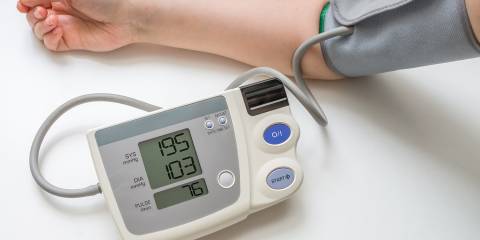
More than 73 million Americans have high blood pressure (hypertension), which can put great stress on the heart.
“Even a slight elevation in blood pressure is enough to raise the risk of heart disease,” says integrative physician Michael Janson, MD, former president of the American Preventive Medical Association.
Hypertension can occur at any age, though African-Americans, middle-aged and older people, and anyone with Type 2 diabetes, gout, obesity, or kidney disease are most likely to be affected.
Because high blood pressure is a “silent disease,” with few obvious symptoms, check your pressure regularly and aim for readings under 120 (systolic—the top number) and under 80 (diastolic—the bottom number). A reading of 140/90 or above marks hypertension.
For many people, reducing salt intake can lower blood pressure, as does weight loss. Avoiding alcohol and reducing consumption of caffeine and sugar can also help.
“Increased levels of minerals such as potassium and magnesium” fight hypertension, writes Carolyn Dean, MD, ND, in The Magnesium Miracle.
Cardiologist Stephen Sinatra, MD, FACC, FACN, CNS, also recommends taking coenzyme Q10 (CoQ10) as “the bellwether of any natural hypertensive lowering regime.”
Other useful supplements include garlic, hawthorn, L-arginine, lecithin, medicinal mushrooms (maitake, reishi, and shiitake), and B-complex vitamins.
Dr. Null also recommends vitamins C and B6, omega-3 fish oil, and L-glutamine, adding that “green vegetable juices are natural blood thinners.”
-
Control your Cholesterol
Once again, lifestyle (particularly a vegetarian diet and regular exercise) plays an important role.
The American Heart Association recommends particular levels for the different forms of these blood fats, but research, in fact, shows that it is the ratio of LDL to HDL that is a better predictor of heart attack risk than total cholesterol, according to Dr. Sinatra.
For example, a ratio of 5:1 or greater LDL (lousy) cholesterol to HDL (healthy) cholesterol is associated with a greater risk of heart attack than a ratio below 5:1.
“Since low levels of HDL are a serious risk factor for coronary disease,” he adds, raising “good” cholesterol “to respectable levels definitely will reduce your cardiac risk.”
L-carnitine has been shown to raise HDL levels, and taken in combination with CoQ10, D-ribose, and magnesium, it has been a “terrific nutritional support in [Dr. Sinatra’s] practice of cardiology.”
All of these supplements, he adds, are “safe and efficacious.”
Mainstream medicine’s treatment of choice, cholesterol-lowering statins, can cause profound metabolic shifts in some people, resulting in muscle discomfort. Among other adverse effects, these drugs also deplete the body’s levels of CoQ10, an antioxidant coenzyme that inhibits LDL oxidation, improves circulation, potentially prevents clot formation, and appears to protect against a range of cardiovascular problems such as aortic valve disease, congestive heart failure, and coronary artery disease.
Anyone at risk for heart disease should take CoQ10, and it’s a must if you’re taking statins. Other supplements help lower cholesterol too.
Magnesium acts like a natural statin, Dr. Dean says, lowering LDL and raising HDL levels.
In addition, enzymes dependent on this important mineral help convert essential fatty acids to prostaglandins, hormone-like substances that are vital for heart health. Based on the findings of four controlled trials, New Orleans researchers recently recommended an intake of at least 500 milligrams (mg) per day of omega-3 fatty acids (EPA and DHA) for healthy individuals, and up to 1,000 mg daily for those with coronary heart disease and heart failure.
A randomized clinical trial at UCLA found that aged garlic (along with B vitamins, folic acid, and L-arginine) fights oxidation, retarding the progress of heart disease.
One study shows that drinking green tea modulates cholesterol metabolism and lowers LDL oxidation.
-
Alleviate Depression
Increasingly, research bears out the mind/body connection, and, what’s more, “Depression is not limited to the mind,” says homeopathic practitioner Michele Galante, MD.
Depression has been linked to both high blood pressure and cardiovascular disease, including heart failure and atrial fibrillation. Even in young adults with no symptoms of heart disease, depression appears to produce a thickening of cardiovascular tissue, a risk factor for heart disease.
Omega-3 fatty acid deficiency has been found to be a preventable cause of both depression and heart disease. Because many people with mood disorders are found to be low in magnesium, supplement with that mineral as well.
Dr. Null recommends SAMe (S-adenosyl-l-methionine) and L-carnitine.