When it comes to managing pain associated with inflammation, arthritis, muscle or joint pain, studies have shown that many natural remedies can provide relief.
Natural Remedies for Pain Relief
-
Cayenne
Cayenne creams and ointments can help relieve the pain of inflammation associated with cluster headaches, lower back pain, and arthritis.
Capsaicin, a healing plant chemical in cayenne, desensitizes nerve endings that transport pain messages to the brain.
Try topical capsaicin cream for localized pain. And if you like spicy food, add cayenne to your diet.
-
Arnica & Calendula
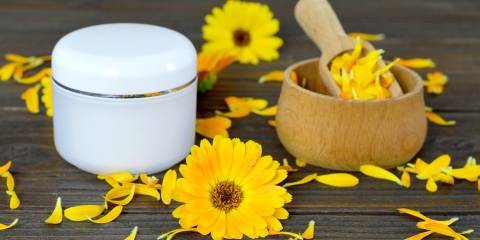
Arnica and calendula are tried-and-true natural remedies for bruises and muscle soreness, and they may help alleviate post-workout muscle fatigue. Try a cream or ointment that lists either as an active ingredient.
-
Omega 3
Available in both foods and supplements, omega 3s may help relieve pain by treating underlying inflammation.
One study involving patients with rheumatoid arthritis suggests that cod liver oil—rich in omega 3s—may reduce the amount of nonsteroidal anti-inflammatory drugs (NSAIDs) needed to reduce pain. Fish oil may also help relieve back pain and menstrual cramps.
Other good omega 3 sources include flaxseeds, cold-water fatty fish, and walnuts.
-
Ginger
Ginger has been used for centuries to relieve joint pain, headaches, menstrual cramps, sore throats, and toothaches. This herb triggers the body’s natural pain-relieving endorphins and encourages rebuilding of muscles damaged by inflammation.
While fresh ginger root can be helpful, a standardized extract may be the most reliable way to deliver ginger’s anti-inflammatory properties.
-
Tart Cherries
Research indicates that tart cherries contain compounds that counter inflammation as effectively as ibuprofen. Other studies suggest drinking tart cherry juice to prevent exercise-induced muscle damage, strength loss, and pain. To avoid muscle soreness after exercising, try drinking 10 to 12 ounces of tart cherry juice providing 80 milligrams of anthocyanins both during and after an exercise session.
Eating 10 to 20 cherries daily may be beneficial for some people with joint pain.
How to Choose the Appropriate Natural Pain Remedy
Here is a quick reference for managing your pain relief naturally.
-
Joint Pain
- cayenne
- cherry
- fish oil
- ginger
-
Headaches
- ginger
- for tension headaches, apply heating pad to neck muscles
-
Lower Back Pain
- cayenne
- cherry
- apply heating pad to affected area
-
Menstrual Cramps
- fish oil
- ginger
- apply heating pad to affected area
- arnica
-
Muscle Soreness
- arnica
- calendula
- cherry
- ginger
- apply ice pack to affected area