-
Don't microwave polycarbonate plastic food containers—BPA can leach into foods that way.
-
Reduce the use of canned foods.
-
Store leftovers or pantry supplies such as flour in glass, porcelain, or stainless steel containers.
-
Ask merchants if they use BPA-free receipts; if not, go without a receipt.
-
Exercise: Some studies have shown that sweating can excrete toxins like BPA from the body.
-
Bring glass containers to the store to contain your fish, cheese, and meat orders.
-
Buy your produce fresh (e.g. skip the packaged salads or canned fruit).
-
Eat at home: Many restaurants use prepackaged foods to prepare their menus. Eating at home, or bringing lunch to work, can help limit BPA exposure.
-
Switch personal care products like shampoos and soaps to those offered in papers, glass, or metal.
-
Lobby your representatives: This may be the most effective step of all. BPA is so common that government intervention may be necessary to implement real change. The use of BPA in baby bottles and sippy cups was banned in 2013.
10 Ways to Decrease Exposure to BPA


Don't Miss a Thing!
Get the latest articles, recipes, and more, when you sign up for the tasteforlife.com newsletter.
Trending Topics
Hot Product
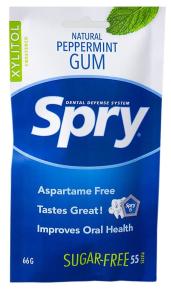
Spry sugar-free gum contains xylitol, a natural sweetener with clinically proven, unique, dental health benefits. This xylitol gum defends against bacteria that causes cavities and tooth decay while freshening your breath in a convenient way.