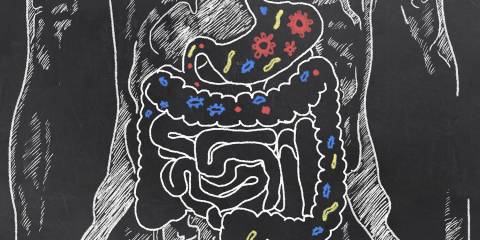
Probiotics may be a media darling because of the role they play as active, live microorganisms that confer many health benefits, but they couldn’t do what they do without the help of their silent partners—otherwise known as prebiotics.
What Are Prebiotics?
Prebiotics are nondigestible carbohydrates that pass through the human gastrointestinal tract without being broken down. Once they reach the large intestine, they serve as a food source for beneficial gut bacteria (probiotics), helping them grow and thrive.
Probiotics cannot survive the human digestive system well without the protection of prebiotics. When the two are combined in a single product or diet, they are referred to as synbiotics.
What Foods Contain Prebiotics?
One of the most common types of prebiotics is fructo-oligosaccharides (FOS). Despite the complex name, you likely consume them regularly in everyday foods such as: Jerusalem artichokes, chicory root, oatmeal, legumes, asparagus, bananas, garlic, honey, and onions.
Studies link FOS with cholesterol reduction, blood glucose balancing, better absorption of the minerals calcium and magnesium, and constipation relief.
What Are The Benefits of Prebiotics?
FOS and galacto-oligosaccharides (GOS) provide anticancer properties and improved lipid metabolism, as well as anti-inflammatory and other immune effects. Reduced severity of respiratory infections and common colds, reduction in allergy symptoms and episodes, as well as fewer days off work or daycare have also been associated with the dynamic duo of probiotics and prebiotics.
The benefits start early. A review of five randomized controlled trials investigating infectious episodes in infants and children up to 24 months of age revealed a statistically significant decrease in episodes requiring antibiotic therapy in the prebiotic groups versus the placebo groups.
Other studies suggest an overall decrease in infections in this age group with prebiotic use. A 2013 meta-analysis of studies involving more than 1,200 infants showed that prebiotic use was associated with a 32 percent reduction in the incidence of pediatric atopic dermatitis (eczema).
The Role of Synbiotics
The strong relationship between prebiotics and probiotics has led researchers to formulate therapeutic synbiotic supplements, which use different combinations of probiotic organisms and prebiotics as potential therapy for targeted health conditions.
For example, synbiotics combining probiotics Lactobacillus rhamnosus GG and Bifidobacteria lactis with prebiotic oligofructose-enriched inulin were found to reduce the rate of infection after cancer surgery. This particular synbiotic was also found to increase beneficial bacteria in the intestines while decreasing harmful intestinal bacteria.
Various synbiotics have been found beneficial in gastrointestinal diseases such as irritable bowel syndrome and Crohn’s, liver diseases, respiratory infections, common winter illnesses, and hardening of the arteries, among other health concerns. Prebiotics may be more effective when used as part of a synbiotic combination.