If you feel that mushrooms are suddenly everywhere from your morning coffee to your nightly skin care routine, you aren’t imagining it. The shroom boom is in full swing, and for good reason. As we prioritize overall well-being with a focus on cognitive health and immune resilience in 2026, functional fungi have moved from the fringes of herbalism into the mainstream spotlight.
However, as mushrooms become a multibillion-dollar industry, the market has become crowded and, frankly, confusing. When you are spending $40 to $60 on a bottle of capsules, you deserve to know what you’re paying for. This guide is designed to help you decode labels with confidence.
Why Mushrooms, and Why Now?
The surge in popularity is driven by a post-pandemic focus on immunity and a fascination with nootropics (brain boosters). But the real driver is science.
In 2026, we are seeing more standards, analytical science, and clinical studies than ever before. We are moving beyond traditional use into data-driven results, particularly regarding how fungal compounds interact with our nervous and immune systems.
Understanding the Label
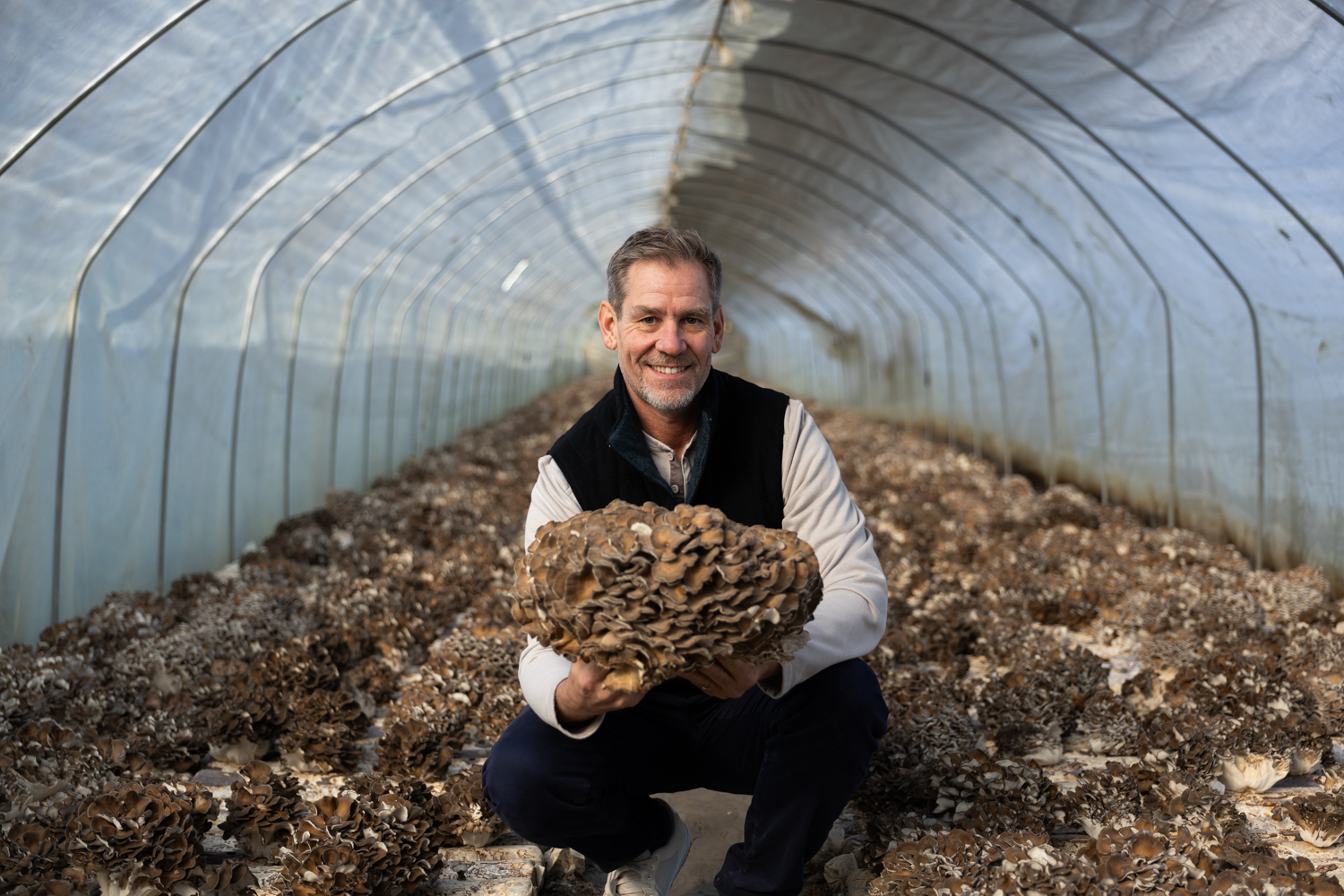
The most critical distinction is which part of the fungal organism is being consumed. A mushroom describes the above-ground, fleshy fruiting body of a fungus. It develops from mycelium when environmental conditions are suitable. Mushroom (also known as the fruit body, fruiting body, or sporocarp) is the fungal part or mature stage that produces spores and the form commonly eaten as nutritious food.
Mycelium is the vegetative growth form of the fungus, consisting of a network of hyphae, the fine threadlike filaments that grow within and around their food source, e.g., woody debris, soils, grasses, or other organic matter. Many commercial mycelium products, specifically those produced in the US, are grown on and contain grain.
Notably, fungi lack starch; if a product tests high for starch, that identifies the residual grain used as a food source for the mycelium rather than fungal material.
Delivery Methods
Processing determines how much of the “good stuff” your body can use.
• Dual extract and extract powders
These are considered the most effective preparations for species like reishi, lion’s mane, chaga, cordyceps, or turkey tail. Mushrooms contain both water-soluble compounds (beta-glucans) and fat-soluble ones (triterpenes). These compounds are packed within a substance called chitin (the same stuff that makes lobster shells hard). A dual extract uses hot water and alcohol to ensure you get both components.
• Tinctures and liquid extracts
Tinctures and liquid extracts are available; however, many of the well-studied, health-supporting properties of mushrooms come from their unique fiber content. Extracts in glycerine or alcohol will have very little of this fiber, and therefore much lower beta-glucan content compared to whole mushroom or extracted powders.
• Powders
Straight powders are dried, ground fungi. They can be harder to digest than botanical powders because mushroom cell walls contain chitin. Powders that have been cooked or decocted before drying are partially broken down, which can improve bioavailability. Mycelium-fermented grain or products marketed as full-spectrum mushroom powders of US origin contain substantial amounts of the grain used to grow the mycelium.
• Functional foods
Mushroom-infused coffees are convenient, but check the dosage. Ensure you are getting a therapeutic 500 to 1,000 milligrams rather than a sprinkling. Seek out more information on products claiming “full spectrum” or “all parts” of the fungi as to what they include in the product—those terms have no defined meaning, and most of those products will contain rice, oats, or some other grain as part of the biomass.
The “Big Five” Species to Watch
- Lion’s mane (Hericium erinaceus): The “smart mushroom.” Recent human trials support its ability to stimulate nerve growth factor (NGF) for focus and memory.
- Turkey tail (Trametes versicolor): A powerhouse for the immune system and one of the most researched mushrooms globally for its protein-bound polysaccharides.
- Cordyceps (Cordyceps militaris): Known for cellular energy and popular among athletes for improving oxygen utilization.
- Reishi (Ganoderma lucidum): The “Queen of Mushrooms,” used for stress support and helping modulate the body’s cortisol response.
- Maitake (Grifola frondosa): Excellent for metabolic health and blood sugar support.
Smart Shopping Checklist: Decoding the Chemistry
Before you head to the checkout, look for these
three markers of quality:
✔ Check to see if the product label lists specific secondary metabolites or betaglucans. General polysaccharide counts are often inflated by grain starches. Look for a breakdown of compounds like triterpenes for reishi or hericenones for lion’s mane and for beta-glucan values. These metabolites drive the mushroom’s unique health benefits.
✔ Is the extraction method specified? If a label doesn’t mention dual extraction or hot water extraction, you may be buying a product your body cannot fully digest.
✔ Is there a clear fungal part breakdown? An FDA-compliant label states whether the product contains 100 percent mushroom (fruiting body), mycelium, mycelium-fermented grain, or a blend. Knowing the part used is the only way to verify potency against clinical research.
Mushrooms are an investment in your long-term wellness. By focusing on extraction methods and fungal parts, you can ensure your supplements are as effective as they are trending.