In the United States and throughout much of the Western world, herbal medicines are used when something is broken and in need of fixing. There is little emphasis on using botanicals for disease prevention and almost no awareness of their ability to contribute to longevity.
This is the opposite of Eastern cultures, where herbal use to promote a healthy, long life imbued with vitality is the highest ideal.
Not addressed in most discussions on longevity are botanicals, and there is a plethora of them from which to choose. Botanicals are like aces in a poker game: You can’t have too many!
Let’s explore the two complementary approaches to using herbal medicines for cultivating a long, healthy life:
1. Addressing conditions commonly associated with aging—such as heart disease, stroke, and cognitive decline.
2. Proactively using botanicals for disease prevention, longevity, and vitality.
Hawthorn for a Hearty Heart
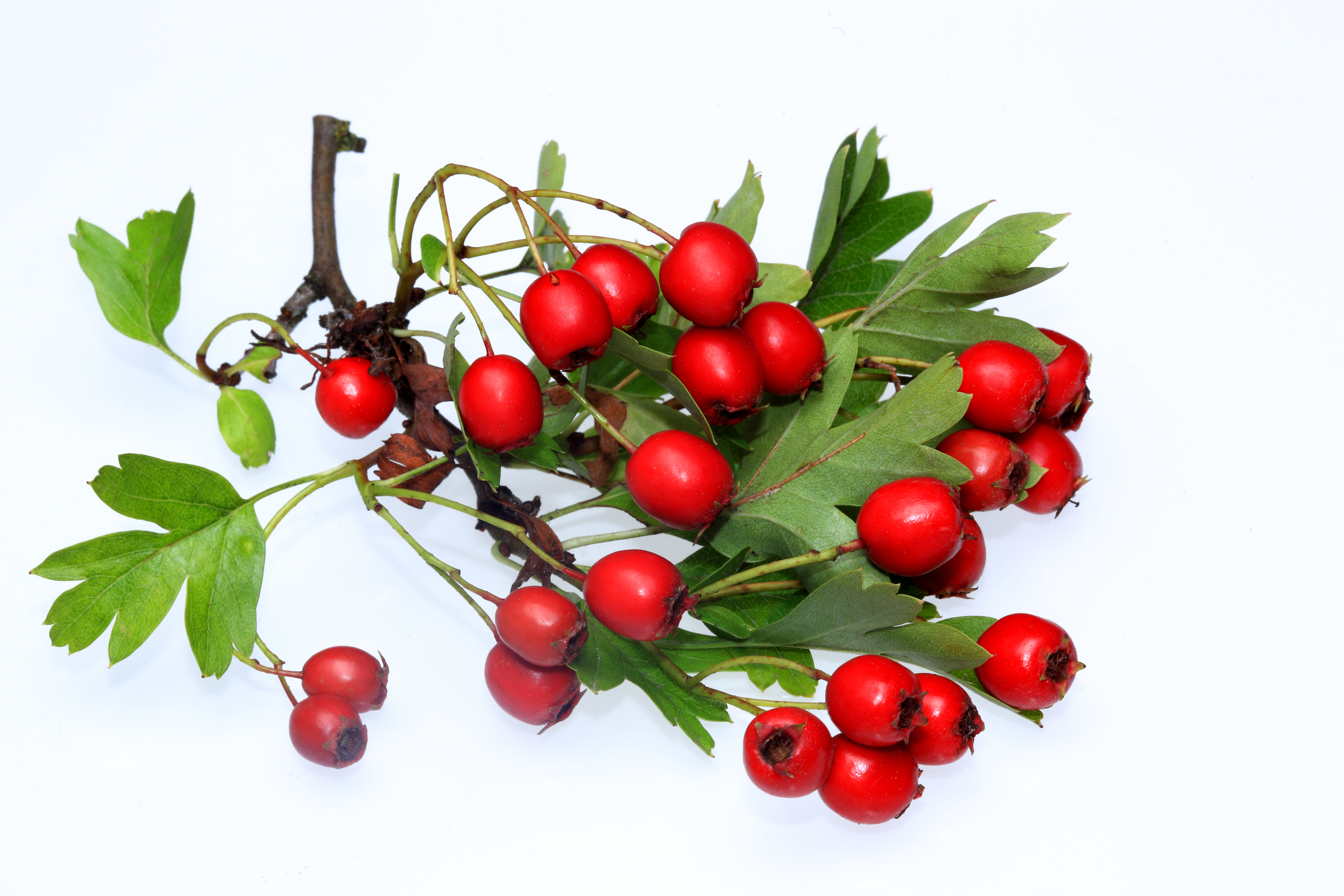
Hawthorn (berry, leaf, and flower) shines across herbal traditions as the most broadly beneficial herb for supporting cardiovascular health, with centuries of traditional use. It slows the heart, making for a stronger, more efficient heartbeat, modestly lowers blood pressure, and can help reduce the risk of cardiac insufficiency.
Its major beneficial side effect is the ability to reduce markers of atherosclerosis.
Chinese Salvia for Healthy Circulation
Salvia miltiorrhiza is almost unknown in the West, but it has been in continued use elsewhere since its first recorded use in the third century. It has primarily been used for promoting healthy circulation, but modern pharmacological investigations demonstrate that it improves the health of the cardiovascular system via multiple mechanisms.
Some research shows that this herb reduces the risk of heart attacks and angina.
Most strokes are due to vascular blockage by blood clots, making healthy blood flow a major strategy for reducing stroke risk. The major caution is to NOT use this herb in conjunction with conventional anticoagulant therapies or if already experiencing bleeding disorders because it promotes circulation.
Like hawthorn, Chinese salvia also protects against atherosclerosis, making its combination with hawthorn a dynamic duo.
Herbs for Cognitive Decline
Two herbal superstars for supporting healthy cognition are bacopa and lion’s mane mushroom. Bacopa is a premier botanical in Ayurveda, India’s traditional system of medicine.
Hundreds of preclinical studies have explored bacopa’s effects on the nervous system, including potential benefits for conditions ranging from Alzheimer’s disease to autism.
In one human study, bacopa was found to be comparable in efficacy to the approved medication donepezil (Aricept), with no side effects reported.
Lion’s mane is uniquely beneficial for stimulating nerve growth factor, a protein essential to the growth and survival of nerve cells. Some clinical studies demonstrate its effect of reducing markers associated with Alzheimer’s disease and improving cognitive assessments in both healthy and probable-Alzheimer’s subjects. More research is needed.
Herbs and Formulas for Longevity
When considering herbs for longevity, reishi—the “mushroom of immortality”—rises to the top. Ancient Chinese texts describe reishi as a mushroom that helps stave off the effects of aging.
Modern clinical studies report hepatoprotective, anti-inflammatory, cardioprotective, blood sugar regulation, antiviral, and anti-Alzheimer’s effects.
In addition to reishi, both Ayurveda and Chinese traditions offer a wealth of longevity formulas. The most basic but profound longevity formula of China combines ginseng with astragalus, while others include ginseng with dong quai, licorice, and poria cocos, along with numerous other iterations on the same theme of building energy and nourishing blood.
By far the supreme nutritive and longevity tonic in Ayurveda is Chyavanprash, which utilizes amla as the primary ingredient and smaller amounts of 47 other ingredients. It is a more than 1,000-year-old elixir designed to help users regain youthfulness and health.
These are only a very few of what the botanical world has to offer for healthy aging. One of the keys is to integrate herbal supplementation before disease sets in.