Most women reach menopause between ages 45 and 55. But for some, menstrual cycles end—or ovarian function becomes disrupted—earlier. When it happens between ages 40 and 45, it is considered early menopause. Loss of ovarian activity before age 40 is called primary ovarian insufficiency (POI), which is diagnosed through menstrual history and hormone testing.
If your mother or sister went through early menopause, you may too. Smoking is also associated with earlier natural menopause. POI may result from genetic conditions, autoimmune disease, surgeries, and cancer treatments.
If early menopause occurs, you may feel too young for this passage. The physical symptoms can be difficult, and the timing may be equally disruptive. Early menopause may occur when you’re juggling a career, relationships, and family—you may even experience it when you’re still planning for a family.
What to Expect
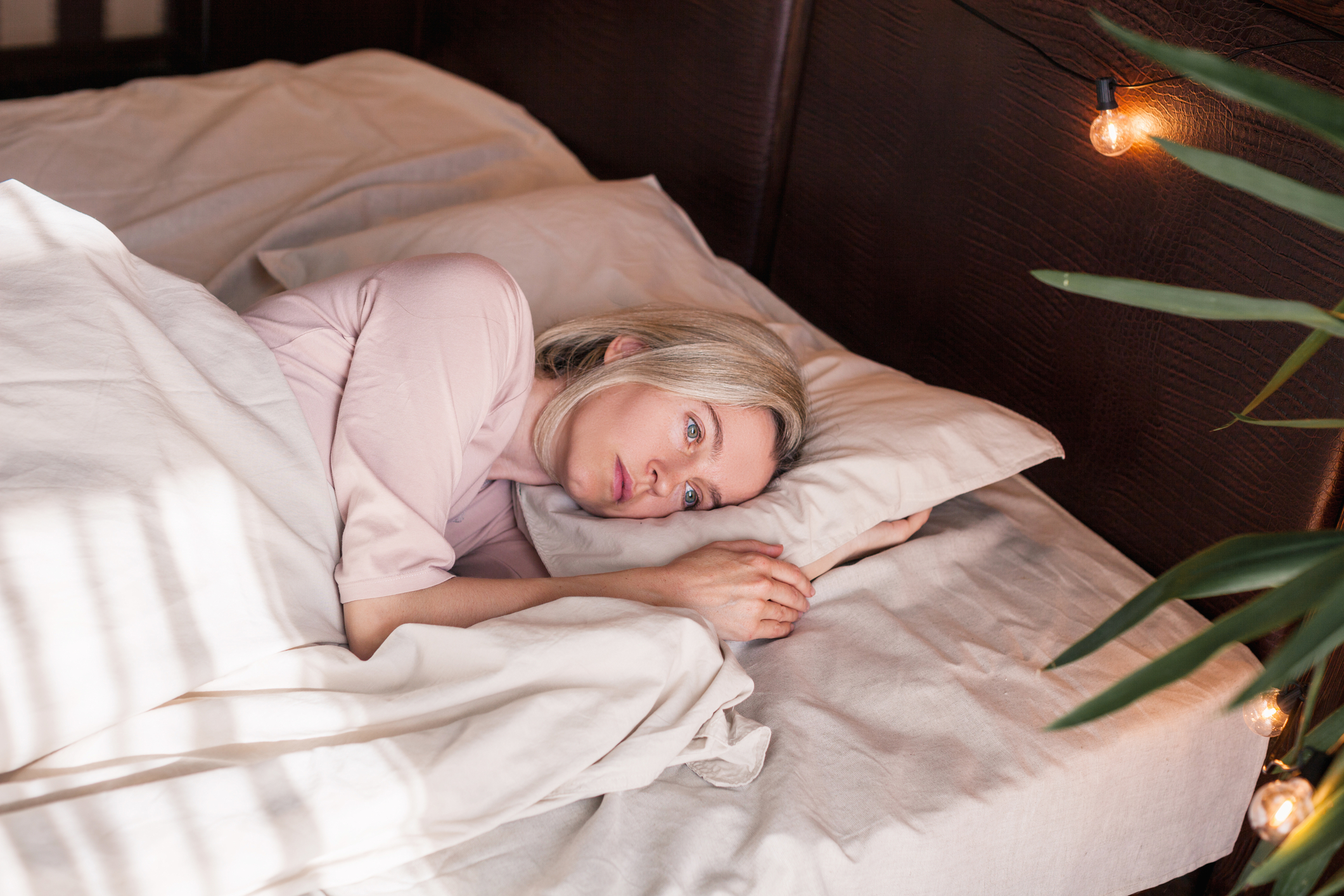
Dealing with symptoms years or even decades earlier than expected can be challenging and frustrating. The menstrual cycle may become shorter or longer. Bleeding may become lighter or heavier, and spotting can occur between periods. Vaginal discomfort and dryness during sex, an urge to urinate frequently, hot flashes, night sweats, insomnia, weight gain, low libido, skin and hair changes, frequent urinary tract infections (UTIs), fatigue, and irritability are other symptoms.
Early menopause and POI can make pregnancy more difficult. During the menopause transition, pregnancy remains possible as long as ovulation occasionally occurs. Spontaneous and unpredictable ovulation can occur with nonsurgical POI.
The Musculoskeletal Link
A concern for those who go through menopause early is the extra years without estrogen, which may increase risks of heart disease, depression, dementia, and osteoporosis.
There’s also a newly proposed term to add to perimenopausal symptoms: musculoskeletal syndrome of menopause. Because of falling estrogen levels, the musculoskeletal system, including muscles, bones, joints, tendons, and cartilage, can be affected. It can reduce muscle mass and bone density. Other symptoms may include fatigue, stiffness, and pain in muscles and joints.
Musculoskeletal symptoms are believed to affect around 70 percent of women during their perimenopausal and menopausal years. And nearly 25 percent of women are substantially affected. Pain may be helped with treatments that support estrogen levels. However, symptoms such as joint pain and stiffness should not be automatically attributed to menopause. Testing can rule out thyroid issues, autoimmune conditions, and osteoarthritis.
The term musculoskeletal syndrome of menopause may not be widely known—yet. But don’t let that stop you from seeking help if your symptoms disturb sleep, make stiffness worse, or cause swollen joints. Regular exercise such as walking and yoga can support muscle strength and keep joints flexible. Use heat, ice, and massage techniques to ease pain. Adequate levels of protein, calcium, and vitamin D are also important.
The Emotional Toll of Early Menopause
Emotional difficulties may be a part of the picture during premature or early menopause. Increased concerns around body issues, sexuality, intimacy, aging, and fertility may be too much to handle alone. A woman may feel out of place with female friends of a similar age. Feelings of isolation and of being left behind by societal expectations can occur. Loss of fertility can be painful. Reach out for help if you’re having trouble moving beyond any physical or emotional issues.
The Treatment
Once the process of early menopause starts, it can’t be stopped. But it can be managed.
Early menopause and its symptoms are often addressed with hormone replacement therapy (HRT). Discuss the pros and cons with your healthcare provider. Hormone therapy is generally recommended for women with POI until about the usual age of natural menopause.
Some women find that certain herbs can be supportive. Black cohosh and red clover are commonly used for hot flashes. Ashwagandha is an adaptogen herb that may help relieve stress and improve sleep.
Exercising regularly can be helpful. Eat whole, healthy foods rich in vitamins and minerals. Try to avoid too much added sugar in your diet.
If you have signs of menopause before you’re 40, contact a healthcare provider to determine if you’re entering menopause, or if another issue is causing symptoms.
Menopause can be a powerful rite of passage for women—no matter when it occurs. Support from a clinician, therapist, fertility specialist, or peer group can help.