Excerpted from Herbal Gut Health by Maria Noël Groves. Used with permission from Storey Publishing.
Bitter herbs and foods literally taste bitter. Many of our bitter herbs are also cholagogues and choleretics, meaning they stimulate the creation and/or release of bile.
“Relaxing bitters” tend to be a bit milder and more aromatic; they also relax or normalize the stress response. Carminatives and sour herbs and foods also stimulate digestion but function a little differently than bitters.
General Benefits of Bitters
Bitters single-handedly turn on your GI tract. They induce peristalsis (the wavelike motion that moves everything through) and motility, saliva, enzyme production and excretion, stomach acid production, bile production and excretion, and (thanks to peristalsis) bowel movements.
Bitters also benefit liver function and detoxification, lower blood sugar, reduce cholesterol, alleviate skin conditions, and relieve some cases of heartburn or reflux.
Bitters have a remarkable ability to modulate weak or excessive appetite and weight, as needed—stimulating a weak appetite, curbing cravings (especially for sweets), improving satiety when you’ve had enough to eat, and making healthy food more appealing.
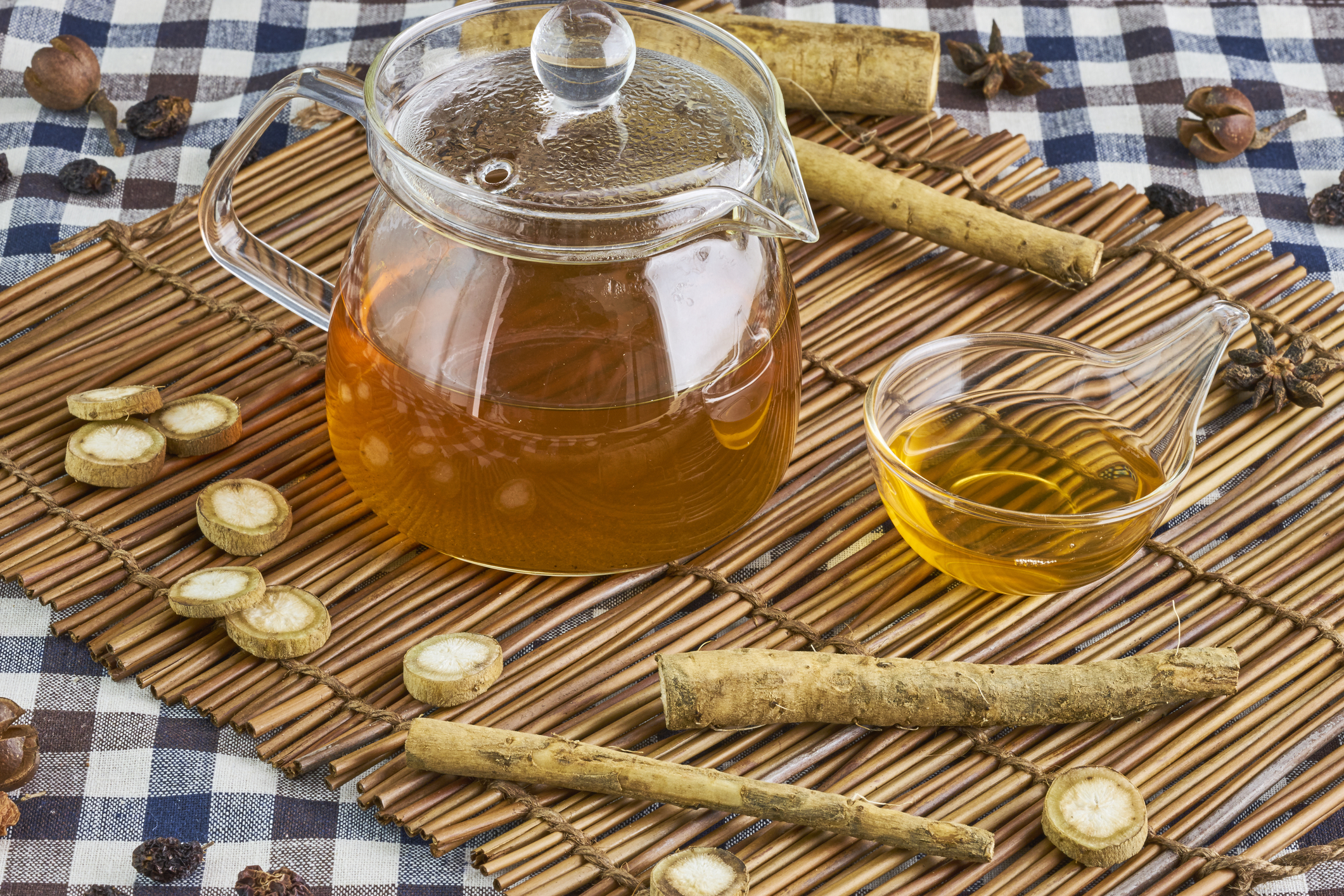
Examples of bitter herbs include artichoke leaf, blue vervain, dandelion and chicory leaf and root, burdock, turmeric, citrus peel, and tamarind. Gentian, quinine, and wormwood are strong and historically popular bitters, but I don’t personally work with them due to sustainability and/or safety concerns. Berberine-rich herbs like goldenseal and Oregon grape root are bitter and antimicrobial.
Bitter Energetics
Most bitters are cooling by nature, and herbalists often warn against relying only on strong “cold” bitters long term, as this may ultimately dampen digestive fire and create energetic coldness in the body. (Interestingly, strong bitters have been shown to slow gastric emptying when used solo.)
Complement bitters with warming carminative herbs like cardamom, cinnamon, or ginger for balance, especially if you are taking them long term. A few bitters are warming and aromatic, including those such as elecampane, angelica, and mugwort.
Bitters also tend to act as “alternatives” (herbs that support detoxification), a property associated with their energetic dryness; by “draining” stagnation and bogginess, they help the body clear waste more efficiently.
Think of bitters preferably formulated alongside carminatives—for sluggish digestion and elimination, constipation, indigestion, excessive fullness, poor nutrient absorption (especially fats and minerals), difficulty digesting food, and high cholesterol. They can also help restore function in a broader gut-healing plan (often in the later stages). Most people benefit from incorporating bitters into their routine.
Format and Dosing Tips
Bitters work best when you taste them. Prepare them as teas, vinegars, cordials, tinctures,glycerites, sprays, pastilles, powders, and elixirs. Pills can work but tend to be weaker and slower to kick in; it’s even more important to take them before you eat.
Dose liquid extracts in a little water, seltzer, or spray.
Milder, more palatable bitters like catnip, chamomile, dandelion, and wood betony are also great in tea formulas. Strong bitter flavors may cause nausea in high doses and aren’t particularly tasty, so we’re less apt to take them as tea.
Take bitters 15 to 20 minutes prior to or just before your first forkful of food goes in. If you forget, it’s okay to take them during the meal or immediately after.
Don’t take bitters on an empty stomach.
General Cautions
Bitters may cause hypoglycemia, GI upset, and nausea, particularly if they’re strong bitters and taken in high doses, especially on an empty stomach.
Although bitters are sometimes magical in relieving heartburn, they are otherwise contraindicated where damage, inflammation, or irritation is present, such as active ulcers and gastritis. In such cases, kicking up digestive juices with bitters is literally rubbing acid into the wounds.
If you take bitters and you notice increased pain in your GI tract, you can try a lower dose or milder bitter, but if you’re then still experiencing pain and burning, stop—bitters are not right for you, at least not right now. A withered tongue might suggest gastric irritation, in which case bitters are not appropriate.
Always research potential medication interactions— some bitters may potentize diabetes medications or affect pharmaceutical drug metabolism.