Although it’s one of the most preventable forms of cancer, cervical cancer remains one of the most common among women worldwide. Most cervical cancers develop from cervical dysplasia, a condition in which abnormal cells form on the cervix, usually as a result of infection with high-risk strains of the human papillomavirus (HPV). When HPV infections do not clear naturally, they can lead to cervical intraepithelial neoplasia (CIN) and, over time, cervical cancer.
Many HPV infections resolve on their own, but some factors increase the risk of persistent infection and progression. These include smoking, immune suppression, multiple sexual partners, co-infections, early sexual activity, and nutritional deficiencies. Because cervical dysplasia represents a window of opportunity before cancer develops, supportive therapies may play an important role in prevention and recovery.
Conventional Treatment & the Role of Integrative Care
Management of cervical dysplasia depends on the severity of abnormal cells. Low-grade lesions are often monitored because many regress spontaneously. Persistent or high-grade lesions may be removed. While effective, removal doesn’t address viral persistence, immune function, or tissue repair. This has led to growing interest in integrative and naturopathic approaches that support the body’s ability to clear HPV, repair cervical tissue, and restore a healthy vaginal environment.
Key Nutrients for Cervical Health
- Folate and vitamin B12 support viral regulation and healthy cell growth. Adequate levels may reduce HPV persistence and disease progression, while deficiencies are linked to increased persistence and abnormal cervical cell changes.
- Hyaluronic acid is known for skin hydration. In cervical health, it helps restore the protective mucosal barrier and promote healing of the cervical lining. Vaginal use may aid tissue repair and help support spontaneous viral clearance in low-grade cervical lesions, particularly when combined with other reparative compounds.
- Green tea contains antioxidant catechins, especially EGCG, which has anti-inflammatory, antiviral, and anti-proliferative properties. It may inhibit HPV-positive cervical cell growth, promote apoptosis (death of abnormal cells), and support immune function. Studies evaluating oral and vaginal green tea preparations show improvement in low-grade cervical lesions.
- Diindolylmethane (DIM), a compound derived from cruciferous vegetables, supports healthy estrogen metabolism and may help shift estrogen pathways toward those associated with lower cancer risk. This mechanism may help reduce proliferation of HPV-affected cervical cells.
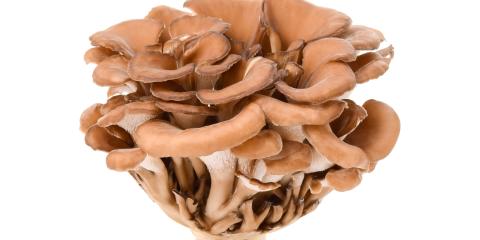
- Coriolus versicolor, commonly known as turkey tail mushroom, has been studied for its immune-modulating and antiviral properties. Topical vaginal gels and oral supplements containing Coriolus versicolor have shown benefits in improving cervical tissue repair, supporting HPV clearance, and promoting a healthy vaginal microbiome. These products are often combined with hyaluronic acid and herbal ingredients, including aloe and neem.
The Vaginal Microbiome
The vaginal microbiome is key to cervical health. A Lactobacillus-dominant environment (e.g., L. crispatus, L. gasseri, L. reuteri) helps maintain an acidic environment and protect against pathogens. Reduced levels are linked to HPV persistence and dysplasia progression, making probiotics a potentially important support strategy.
Immune Support & HPV Clearance
AHCC, a standardized extract derived from shiitake mushroom mycelia, has been studied for immune support and viral infections. While additional research is needed, clinical studies show promising results in AHCC’s ability to support immune function and aid in the clearance of persistent HPV infections.
Note
Any woman interested in integrative approaches should work with a licensed healthcare provider who can develop an individualized plan that incorporates naturopathic medicine as a standalone approach and/or alongside conventional medical care.