Beta-glucans are naturally occurring compounds found in the cell walls of certain yeasts, mushrooms, oats, and barley. Best known for their immune-supporting properties, beta-glucans have been studied for their ability to help activate and support key immune cells.
Different types of beta-glucans exist, but those sourced from baker's yeast and functional mushrooms are popular in immune health supplements.
How Beta-Glucans Work
Beta-glucans interact with immune cells such as macrophages, neutrophils, and natural killer (NK) cells. Researchers believe they help "train" or prime the immune system to respond more efficiently when needed. Rather than overstimulating immunity, beta-glucans are often described as immune modulators that help support balanced immune function.
Potential Benefits of Beta-Glucans
In addition to helping support a healthy immune response, research suggests beta-glucans can also help with upper respiratory health and a healthy inflammatory response.
Some beta-glucans also function as prebiotics, helping nourish beneficial gut bacteria. This is important because much of the immune system is closely connected to the gut.
Sources of Beta-Glucans
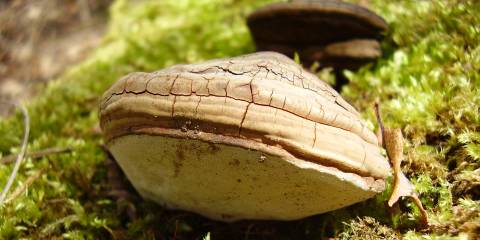
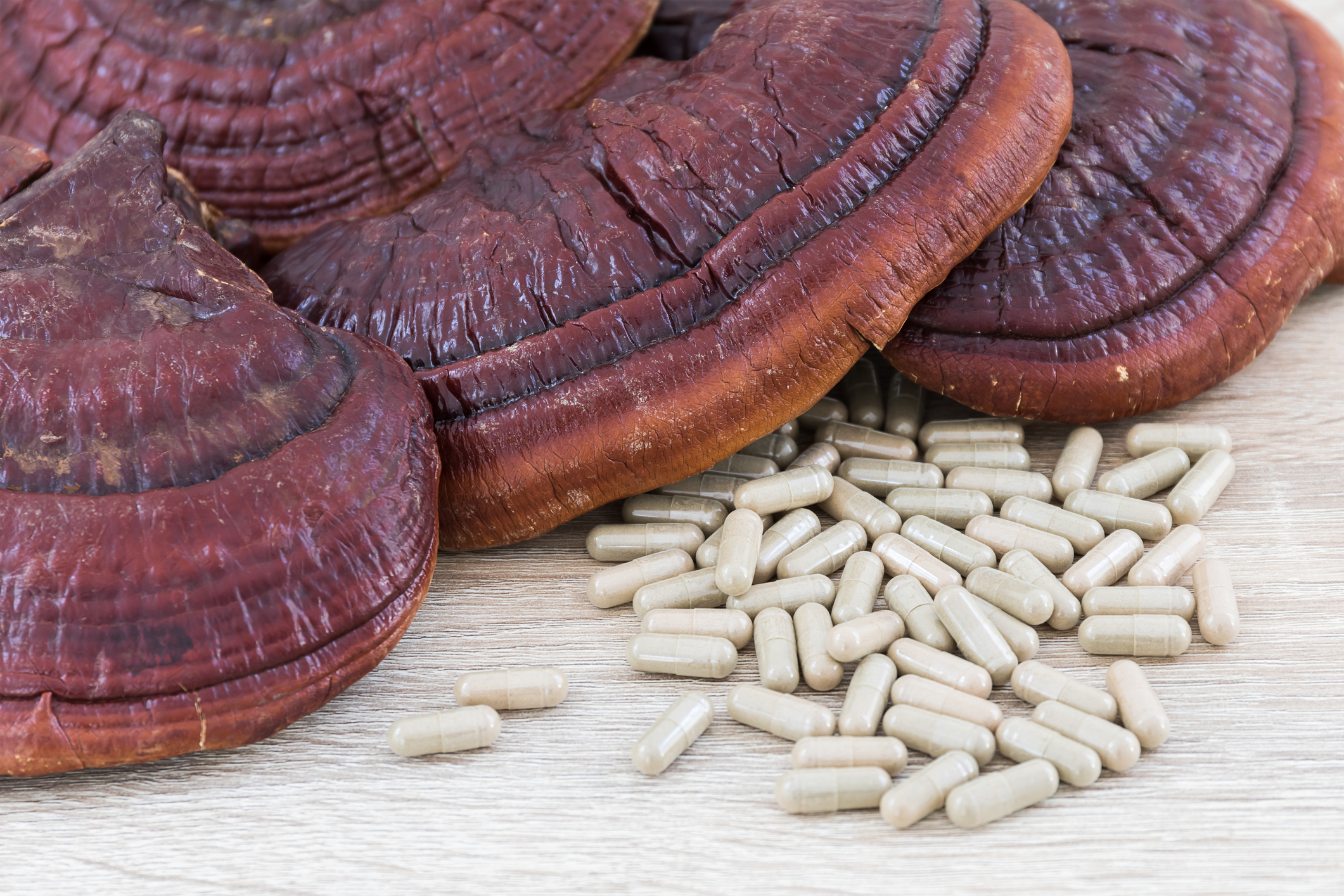
Beta-glucans occur naturally in oats and barley as well as reishi, shiitake, maitake, and turkey tail mushrooms. When shopping for supplements, you may see beta-glucans sourced from yeast as well. Many products combine beta-glucans with other key immune-support ingredients, including zinc, vitamin D, and probiotics.
Doses
Human studies on beta-glucans for immunity typically use doses ranging from 250 to 1,000 milligrams daily.