Cardiovascular disease remains an enormous health problem throughout the industrialized world. In the United States, approximately 80 million people suffer from some form of this condition.
“In nearly every year for which we have records, heart disease has been the number one cause of death in the United States,” says nutritionist Gary Null, PhD.
It’s no wonder: “Overall, there are 247 risk factors that can damage the heart,” explains complementary physician David Steenblock, DO.
Risks range from daily exposure to air pollution, smoke, and processed foods as well as underlying issues, including inflammation, genetics, and metabolic health.
Three Key Approaches to Supporting Heart Health
-
Manage your Blood Pressure
High blood pressure (hypertension) is one of the most common risk factors for heart disease. Because it typically has no obvious symptoms, it's often called a "silent condition."
“Even a slight elevation in blood pressure is enough to raise the risk of heart disease,” says integrative physician Michael Janson, MD.
Hypertension can occur at any age, though African-Americans, middle-aged and older people, and anyone with Type 2 diabetes, gout, obesity, or kidney disease are most likely to be affected.
Check your pressure regularly and aim for readings to be below 120 (systolic—the top number) and 80 (diastolic—the bottom number). A reading of 130/80 mmHg or higher may indicate hypertension under newer guidelines.
For many people, reducing salt intake can lower blood pressure, as does maintaining a healthy weight. Limiting alcohol and added sugars can also help.
Nutritionally, minerals such as potassium and magnesium play an important role in regulating blood pressure. According to Carolyn Dean, MD, ND, adequate magnesium intake can support healthy vascular function. Research has shown that higher dietary magnesium levels are associated with a significantly lower risk of sudden cardiac death and coronary heart disease in women.
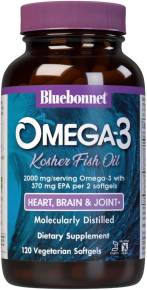
Some practitioners also recommend supplements such as CoQ10 (higher dietary intake is associated with a lower risk of developing hypertension), aged garlic extract (which significantly reduces systolic blood pressure), and omega-3 fatty acids to support circulation and heart function. Other useful supplements include hawthorn formulations (shown to significantly reduce total cholesterol and triglycerides in trials), L-arginine, lecithin, and medicinal mushrooms (maitake, reishi, and shiitake).
Dr. Null also recommends vitamins C and B6, and L-glutamine, adding that “green vegetable juices are natural blood thinners.”
-
Support Healthy Cholesterol Levels
Cholesterol balance is another cornerstone of heart health, but it's not just about total cholesterol.
Research suggests that it is the ratio of LDL to HDL that is a better predictor of heart attack risk than total cholesterol, according to Cardiologist Stephen Sinatra, MD.
For example, a ratio of 5:1 or greater LDL (lousy) cholesterol to HDL (healthy) cholesterol is associated with a greater risk of heart attack than a ratio below 5:1.
“Since low levels of HDL are a serious risk factor for coronary disease,” he adds, raising “good” cholesterol “to respectable levels definitely will reduce your cardiac risk.”
L-carnitine has been shown to raise HDL levels, and taken in combination with CoQ10, D-ribose, and magnesium, it has been a “terrific nutritional support in [Dr. Sinatra’s] practice of cardiology.”
It's worth noting that some cholesterol-lowering medications, such as statins, may reduce levels of CoQ10 in the body, making nutritional support an important consideration for some individuals (always under medical guidance).
CoQ10 is an antioxidant coenzyme that inhibits LDL oxidation, improves circulation, potentially prevents clot formation, and appears to protect against a range of cardiovascular problems such as aortic valve disease, congestive heart failure, and coronary artery disease.
Other supplements help lower cholesterol too.
Magnesium acts like a natural statin, Dr. Dean says, lowering LDL and raising HDL levels.
In addition, enzymes dependent on this important mineral help convert essential fatty acids to prostaglandins, hormone-like substances that are vital for heart health. Based on the findings of four controlled trials, researchers recommend an intake of at least 500 milligrams (mg) per day of omega-3 fatty acids (EPA and DHA) for healthy individuals, and up to 1,000 mg daily for those with coronary heart disease and heart failure.
The American Heart Association supports dietary fiber and omega 3s as part of a heart-healthy diet, particularly for triglyceride management.
A randomized clinical trial at UCLA found that aged garlic (along with B vitamins, folic acid, and L-arginine) fights oxidation, retarding the progress of heart disease.
One study shows that drinking green tea modulates cholesterol metabolism and lowers LDL oxidation.
-
Alleviate Depression
Depression has been linked to both high blood pressure and cardiovascular disease, including heart failure and atrial fibrillation. Even in young adults with no symptoms of heart disease, depression appears to produce a thickening of cardiovascular tissue, a risk factor for heart disease.
Omega-3 fatty acid deficiency has been found to be a preventable cause of both depression and heart disease. Because many people with mood disorders are found to be low in magnesium, consider supplementing with that mineral as well.
Dr. Null recommends SAMe (S-adenosyl-l-methionine) and L-carnitine.