You’re likely familiar with natural products that use activated charcoal. In recent years, the black powder has been added to all manner of personal care items, including facial masks and cleansers, shampoos, deodorants, and toothpaste.
Its pitch is appealing: The highly porous material can grab onto unwanted substances, making it sound like a natural magnet for dirt, oil, odors, and stains.
But can charcoal really detox your skin, brighten your teeth, and freshen your scalp? Let's get into it.
How Activated Charcoal Works
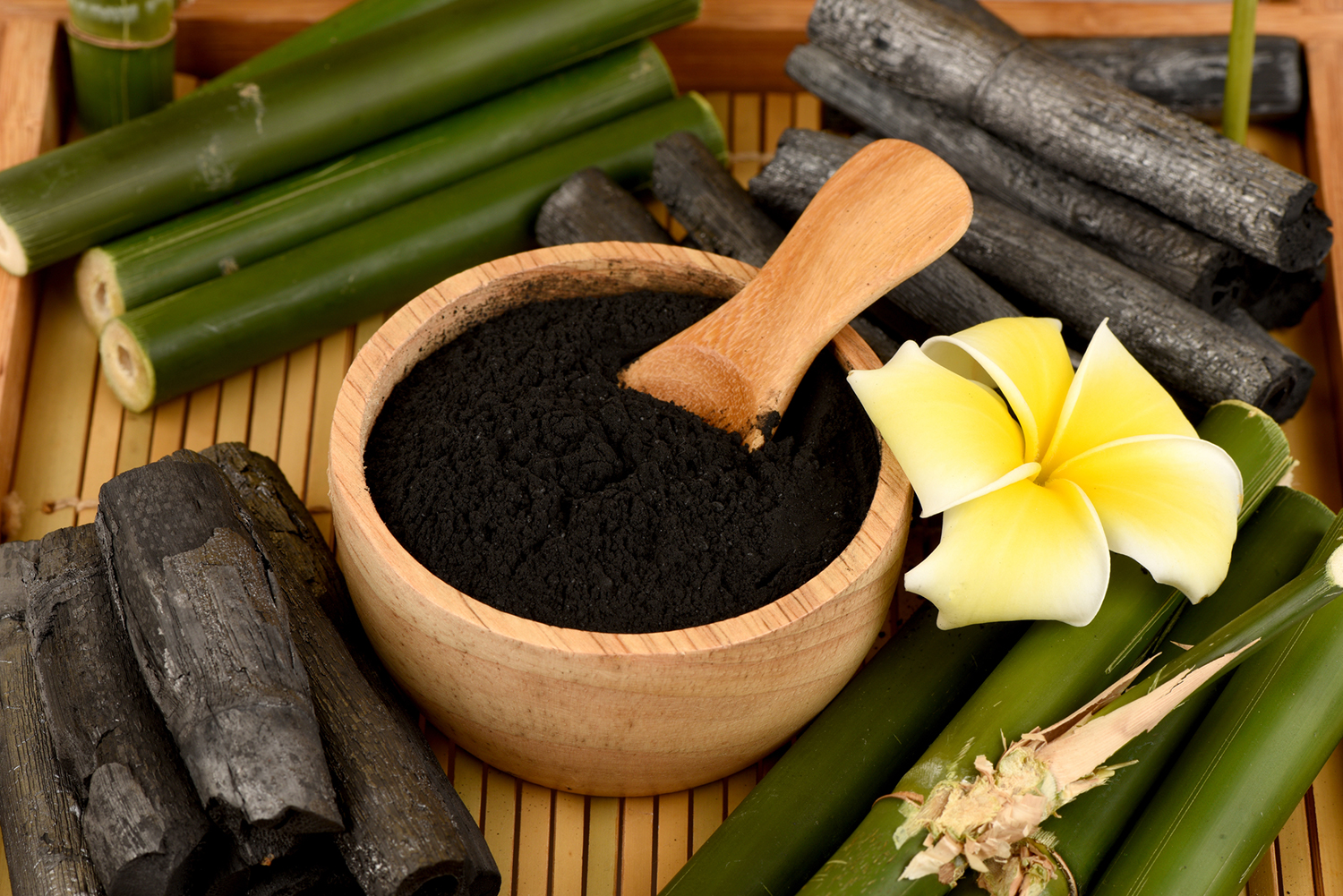
Activated charcoal is not the same as the chemical-laden charcoal used in barbecue grills, which should never be ingested. Rather, activated charcoal is carbon that has been processed to create a highly porous surface. Its tiny pores give it a large surface area and the ability to bind certain substances. In other words, its surface can capture certain contaminates and toxins.
Activated charcoal has been used in water filtration systems to remove environmental pollutants from water sources. It can also bind many types of poison in the gut so they aren't absorbed into the body.
As a beauty ingredient, the thinking is the same: Bind with toxins and purify what gets left behind.
Activated Charcoal in Personal Care Products
With its antibacterial and antifungal properties, activated charcoal makes an intriguing addition to skin and hair products, especially for those contending with acne or dandruff.
For Oily Skin
Charcoal cleansers, soaps, and masks can help pick up oil on the skin's surface. As the product is washed away, skin feels less oily and fresher.
Charcoal for Hair and Scalp
Activated charcoal in shampoos and scalp treatments can help remove oils and styling product residue from the hair and scalp.
Charcoal for Body Odor
Activated charcoal can absorb several compounds associated with body odor.
Can Activated Charcoal Be Used Daily?
You may not want to use charcoal products daily, as they can be drying if they are not paired with hydrating ingredients. Check the labels and proceed accordingly.
If you’re using a charcoal toothpaste, remember not to scrub too hard as activated carbon is naturally abrasive.