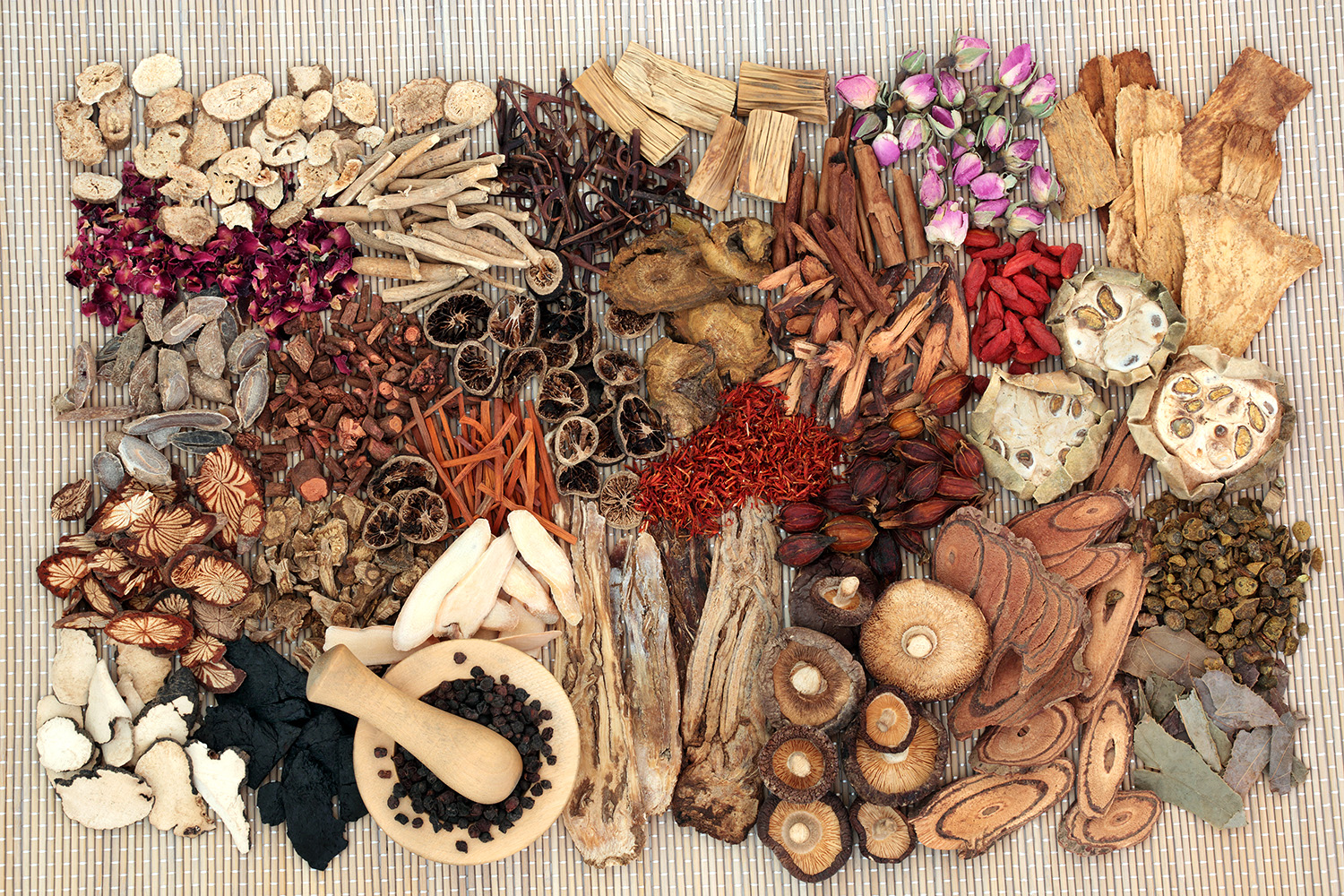
Keep Things Moving: Improve Your Circulation

Supportive supplements and dietary tips

By Maria Noël Groves, RH (AHG)

How the Circulatory System Works

Your cardiovascular system is an intricate network of roadways. These passages allow for the delivery of oxygen, nutrients, hormones, and blood cells as well as the pick up and disposal of metabolic waste via the body’s detoxification systems.

Your heart keeps blood pumping through the circulatory system, but the blood vessels themselves—ranging from big central arteries to veins and tiny capillaries—are crucial to things running smoothly. When circulation begins to falter, you’re at a greater risk of conditions like varicose veins and life-threatening deep vein thrombosis, heart attack, and stroke. Fortunately, diet, lifestyle, herbs, and supplements can help keep your circulatory system strong, flexible, and functioning well.

Diet for Circulation Support

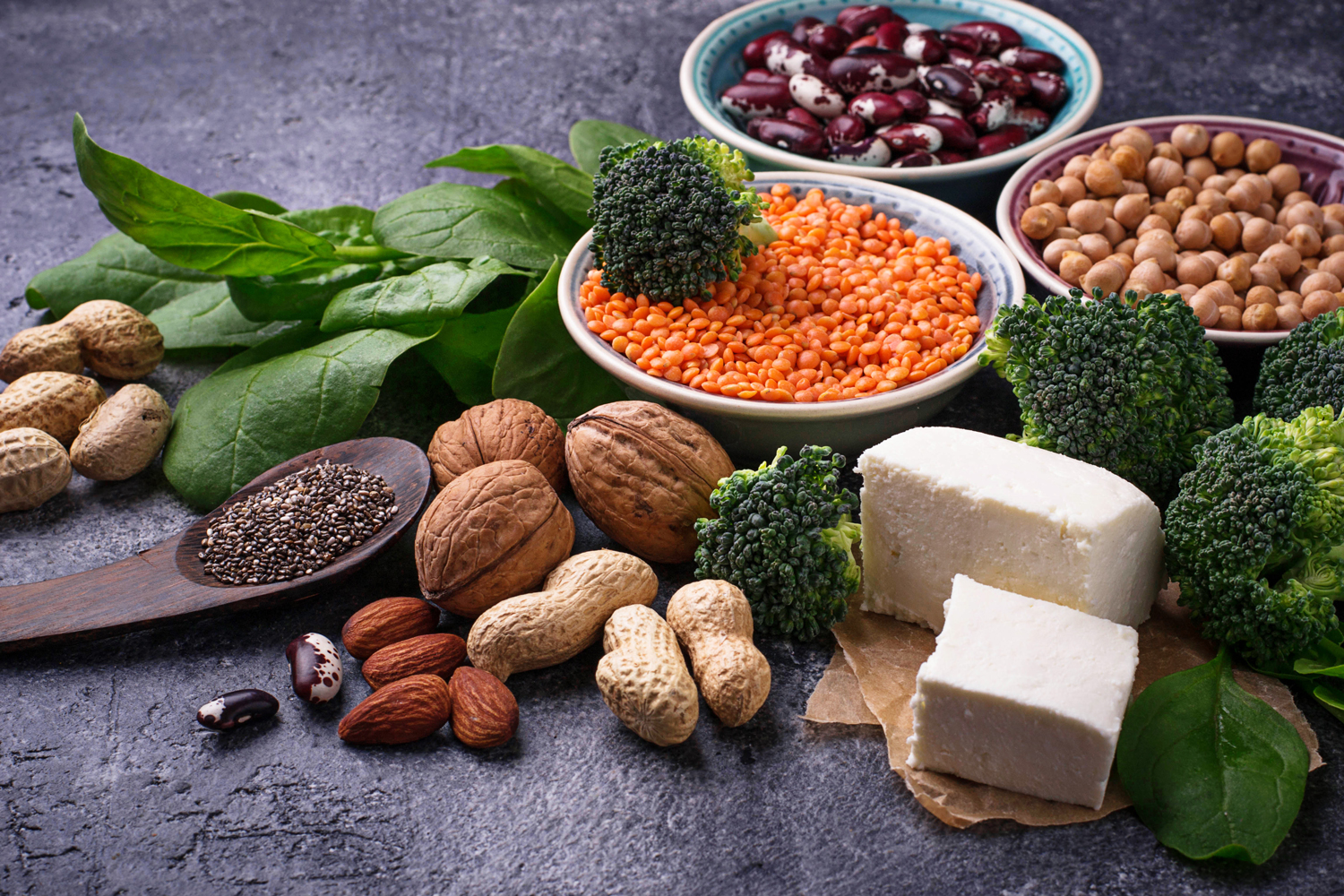
Above all else, a healthy diet, daily exercise (particularly cardio), avoidance of toxic chemicals, stress management, and adequate sleep form the backbone of a circulation-friendly routine. When it comes to diet, be sure to consume veggies and fruit (especially berries), high-fiber legumes, nuts, seeds, whole grains, cooked mushrooms, wild-caught, fatty coldwater fish, and healthy fats from olive oil and avocados. Enjoy antioxidant-rich dark chocolate/cacao, green tea, and red wine/purple grape juice as treats in moderation.

Supplements for the Cardiovascular System

These remedies support circulation and overall cardiovascular health by decreasing inflammation, fighting oxidative damage, strengthening the heart muscle, and/or thinning the blood. All these remedies are best taken daily long-term in substantial doses for the best results.

  • Hawthorn for Heart Health

    Hawthorn (Crataegus spp.) berries, leaf, and flower have been used for thousands of years and are well studied for their gradual, cumulative, tonic effect on the heart and blood vessel lining.

    Hawthorn decreases oxidative damage and inflammation, normalizes and reduces blood pressure, modestly reduces cholesterol, dilates blood vessels, improves oxygen utilization, reduces blood stickiness (also known as platelet aggregation), helps with healing from cardiovascular events, improves heart rhythm, reduces symptoms of congestive heart failure, and helps you achieve and maintain smooth blood vessel lining.

    It’s exceedingly safe, but slow acting and may interact with some heart medications. High-potency products such as solid extract and standardized extracts work well.

  • Hibiscus Flowers & Rooibos for Cardiovascular Care

    Hibiscus Flowers (Hibiscus sabdariffa) and rooibos (Aspalathus linearis), often consumed as tea, also offer antioxidant and anti-inflammatory action for the cardiovascular system.

    Relatively large doses of hibiscus have performed as well as anti-hypertension drugs including lisinopril, captopril, and hydrochlorothiazide. Consuming several cups per day helps lower blood pressure and cholesterol too.

  • Antioxidant Berries to Tone Your Blood Vessels 

    Blueberries (Vaccinium spp.) and other berries contain antioxidant, anti-inflammatory blue-purple pigments that, when consumed regularly, help tone blood vessel lining.

  • Garlic for Cholesterol and Blood Pressure Reduction

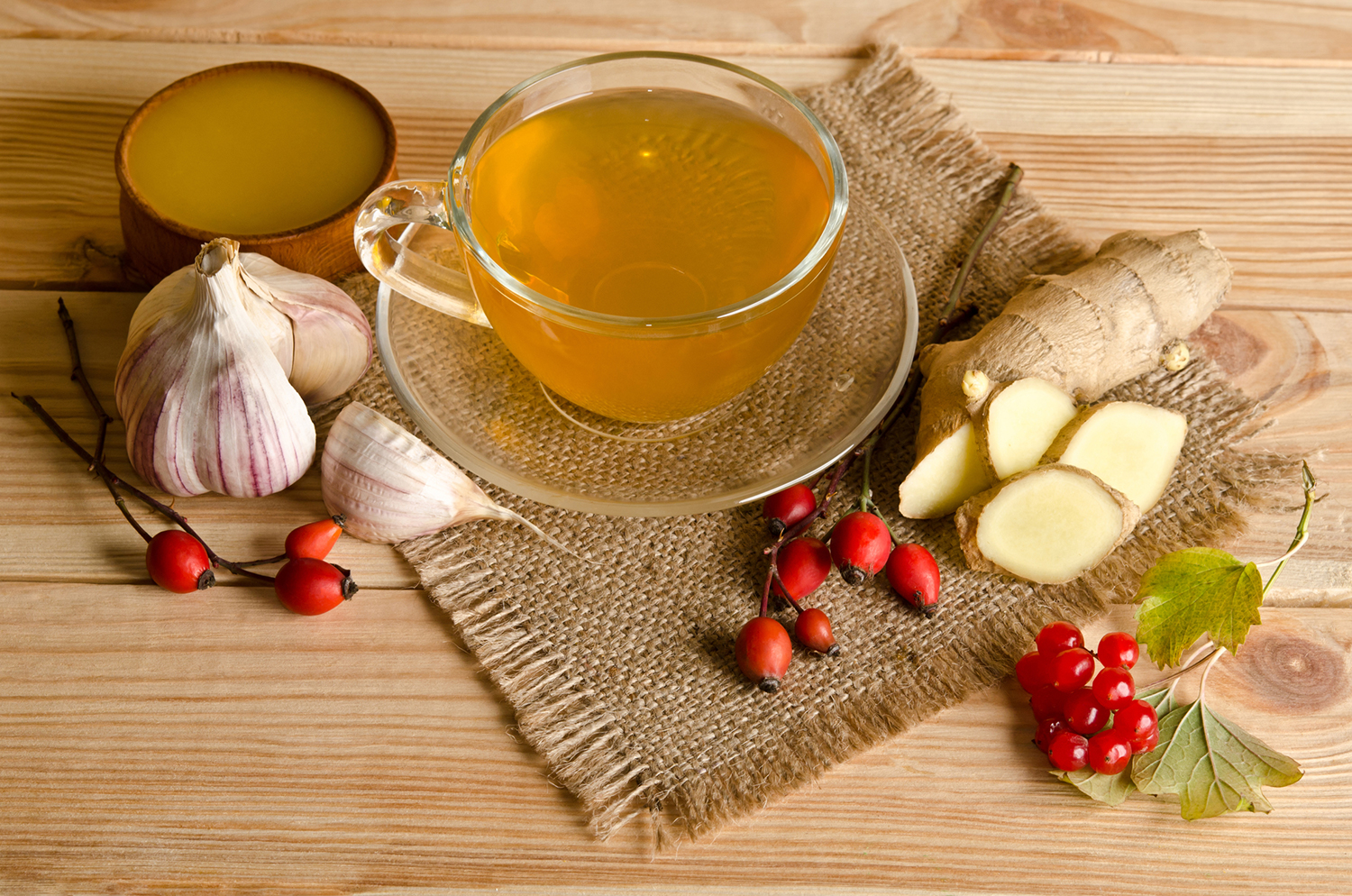
    Garlic (Allium sativum) bulb benefits circulation in several ways. Alongside modest cholesterol and blood pressure reduction, garlic helps make the blood less sticky and thick by reducing platelet aggregation, atherosclerosis, inflammation, and fibrin—all of which are enemies of good circulation.

    This blood thinner should not be combined with blood thinning medications without close medical supervision. Use it in food (chop and let sit 10 minutes) or pills. If you find garlic odor offensive or get digestive upset, try aged garlic extract.

  • Enhance Circulation with Garlic’s Friends

    Other pungent food-herbs also enhance circulation and help keep blood flowing smoothly. These include onions (Allium cepa), ginger (Zingiber officinale), turmeric (Cucuma longa), hot peppers (Capsicum spp.), and rosemary (Rosmarinus officinale).

  • Mediate Blood Vessel Inflammation with Gotu Kola

    Gotu kola (Centella asiatica) leaf focuses less on the heart directly and more on blood viscosity and blood vessel lining. It improves circulation, reduces vascular edema, mediates inflammation within the blood vessel lining, and improves the blood vessel lining integrity so that it’s smooth, flexible, and strong.

    Several studies support gotu kola’s ability to manage circulatory conditions, especially vascular insufficiency and circulatory issues stemming from long stretches of sitting (such as with air travel).

    Though it’s typically used for long-term benefits, one study found that taking a 60 milligram (mg) concentrated extract three times daily for two days prior to a flight, the day of, and the day after significantly reduced the negative vascular effects of flying. Relatively high doses (up to an ounce a day of the dried leaf) or concentrated extracts work best.

  • Tone and Tighten Blood Vessels with Yarrow

    The wildflower yarrow (Achillea millefolium) tightens and tones blood vessels while improving blood flow. Use the leaves and flowers as a tincture or tea, but note that as a daisy-family flower, allergies are possible.

Body into Balance by Maria Noël Groves ($24.95, Storey Publishing, 2016)

“Crataegus Special Extract WS 1442: Up-to-Date Review of Experimental and Clinical Experiences” by M. Zorniak et al., Journal of Physiology and Pharmacology, 2017

“Effect of Crataegus Usage in Cardiovascular Disease Prevention...” by J. Want et al., Evid Based Complement, 12/29/13

“Effects of Aqueous Extract of Hibiscus sabdariffa on... Mild to Moderate Essential Hypertension: A Comparative Study with Lisinopril” by D.C. Nwachukwu et al., Indian J. Pharmacol, 9–10/15

“Flight Microangiopathy in Medium- to Long-Distance Flights: Prevention of Edema and Microcirculation Alterations with... Centella asiatica” by M.R. Cesarone et al., Angiology, 10/01

“Garlic and Heart Disease” by R. Varshney and M.J. Budoff, Journal of Nutrition, 2014

“A Systematic Review of the Efficacy of Centella asiatica for Improvement of the Signs and Symptoms of Chronic Venous Insufficiency” by N.J. Chong and Z. Aziz, Evid Based Complement Alternat Med, 2013

Contributor

Maria Noël Groves, RH (AHG)

Maria Noël Groves, RH (AHG), is the best-selling, award-winning author of Herbal Gut Health, Body into Balance: An Herbal Guide to Holistic Self Care, Grow Your Own Herbal Remedies, and Herbal Remedies for Sleep. 

Maria’s a registered professional herbalist with the American Herbalists Guild and a graduate of the Southwest School of Botanical Medicine and Rosemary Gladstar’s Sage Mountain. Learn more about Maria and herbs at Wintergreen Botanicals. Find her remedy-making tips at wintergreenbotanicals.com/kitchenapothecary101

You might also like...

Brain Care 101

By Cheryl Myers
We host blogs from some of the leading voices in natural health and wellness. Opinions and views expressed by the author are their own, and do not necessarily represent those of Taste For Life or its editorial staff. Please contact Cheryl Myers with any questions about this content.

Just about everyone in the US has experienced what it is like to alter brain function.

Maybe you had a cup of coffee and were suddenly more conversational, or a margarita and you were suddenly more conversational.

Maybe you were partially anesthetized for a dental procedure, and have hilarious videos to prove it.

These experiences show us we are not who we think we are. We are, at least partially, how our brain is currently functioning.

Brain Health and Personality

Our thoughts are influenced by a complex electrochemical soup that triggers emotions and actions.

Our memories are physically coded into special areas of our brain.

Our ability to walk, run, jump, and dance are coded into another area.

If the brain is not healthy, its poor functioning will manifest in thought and behavior changes.

An Invisible Disease

If we break a leg, no one is surprised that our walking ability is changed. But if the brain is not working correctly, and we exhibit sadness or lethargy or anxiety or some other unpleasant emotional state, we are often told to cheer up or settle down or get a grip.

No one tells a boy with a broken leg to just get up and walk, darn it!

Because brain functioning is not as visible, and because we are wedded to the idea that all behavior is—or should be—under our conscious control, people with these types of challenges are often stigmatized.

Therefore, it makes sense to take good care of our brain if our goal is healthy thinking, good memory, emotional stability, and predictable behavior.

Inflammation and Brain Function

Inflammation can create all kinds of havoc in proper brain functioning.

Inflamed tissues create neurotransmitter imbalances and suppress the brain’s auto-repair activity, called neurogenesis.

There are many dietary and lifestyle interventions that can reduce inflammation, including reducing sugar in the diet, increasing whole food consumption, and maintaining healthy levels of movement throughout the day.

There are also clinically proven supplements that have been shown to reduce brain inflammation.

Curcumin for Inflammation

The best all-around natural inflammation-reducing botanical is curcumin.

The Difference Between Turmeric and Curcumin

Curcumin is extracted from turmeric, but turmeric will not deliver enough curcumin for medicinal benefits in people with brain health concerns.

Turmeric contains only 2% to 5% curcumin. Turmeric is an excellent food, but curcumin is the natural medicine.

Studies on Curcumin

Studies on curcumin have shown it is effective for both depression and anxiety, and may be quite useful in other brain disorders, such as Parkinson’s and Alzheimer’s disease.

Initial animal research has demonstrated potential for this herb to help people with autism as well.

Enhanced Absorption

Early studies on ordinary curcumin required as many as 24 capsules a day to attain any serum levels of key compounds.

The best curcumin forms have enhanced absorption so that medicinal levels can be achieved with only 2 capsules a day.

BCM-95

One enhanced absorption curcumin is BCM-95, which uses turmeric essential oils rich in turmerones as the delivery system, and has four published studies on major depressive disorder (MDD).

It has been found that people with depression and anxiety both have elevated levels of inflammation in the brain.

In one human study, this curcumin was compared to the prescription drug fluoxetine (one brand name is Prozac) and found to be as effective as the drug without the major side effects.

BCM-95 has also been shown to be especially useful in atypical depression, which is often resistant to drug therapy.

How to Rebuild Your Brain

The omega-3 fatty acids from fish—eicosapentaenoic acid (EPA) and docosahexaenoic acid (DHA) —are crucial for proper brain health. About 60% of the brain is fat, and nearly 20% of your cerebral cortex is specifically DHA! If you are low on omega 3s, your brain will suffer. Not only are EPA and DHA anti-inflammatory, DHA is used in the brain cells themselves as part of the cell membrane.

Increasing healthy levels of EPA and especially DHA has great promise for schizophrenia, stroke, traumatic brain injury, depression, anxiety, autism and spectrum disorders, and more.

Even people without a serious brain disease can derive brain benefits from DHA and EPA from fish. In a published meta-analysis reviewing a variety of studies on mild memory problems associated with aging, using these two omega-3 fatty acids demonstrated significant improvements in memory in otherwise healthy older adults.

Another review article looked specifically at studies on DHA and found impact in almost every measure of cardiovascular health. This is important, because the same risk factors for heart disease are risk factors for strokes and other types of brain problems.

There is no question that omega 3s are beneficial for a healthy brain. However, there are an enormous amount of omega-3 products on the market, including oils from fish, squid (calamari), and krill, as well as more cutting edge extracts without oil from salmon. Losing the oil as a delivery system means you don’t have to worry about triglyceride content and/or rancidity.

The brain is a physical organ that responds to physical interventions. Helping to improve brain function in turn improves brain activity, whether it be mood, memory, or risk of disease. Lifestyle changes and clinically validated supplements can be more beneficial that once imagined, and it is never too late to late to make a difference.

“Curcumin Attenuates Beta-Amyloid-Induced Neuroinflammation via Activation of Peroxisome Proliferator-Activated Receptor-Gamma Function in a Rat Model of Alzheimer's Disease” by Z.J. Liu et al, Front Pharmacol, 8/16

“Curcumin and Cognition: a Randomised, Placebo-controlled, Double-blind Study of Community-dwelling Older Adults” by S.R. Rainey-Smith et al., Br J Nutr, 4/16

"Curcumin and Major Depression: A Randomised, Double-blind, Placebo-controlled Trial Investigating the Potential of Peripheral Biomarkers to Predict Treatment Response and Antidepressant Mechanisms of Change” by A.L. Lopresti et al., European Neuropsychopharmacology, 12/5/14

“Curcumin for the Treatment of Major Depression: A Randomised, Double-blind, Placebo-controlled Study” by A.L. Lopresti et al., J Affect Disord, 2014

“Docosahexaenoic Acid and Adult Memory: A Systematic Review and Meta-analysis” by K. Yurko-Mauro et al., PLoS One, 3/15

“Docosahexaenoic acid (DHA): An Essential Nutrient and a Nutraceutical for Brain Health and Diseases” by G.Y. Sun et al., Prostaglandins Leukot Essent Fatty Acids, 3/10/17

“Efficacy of Curcumin, and a Saffron/Curcumin Combination for the Treatment of Major Depression: A Randomised, Double-blind, Placebo-controlled Study” by A.L. Lopresti and P.D. Drummond, Journal of Affective Disorders, 2017

“Efficacy and Safety of Curcumin in Major Depressive Disorder: a Randomized Controlled Trial” by J. Sanmukhani et al, Phytother Res, 2013

“Impact of DHA on Metabolic Diseases from Womb to Tomb” by I.A. Arnoldussen and A.J. Kiliaan, Mar Drugs, 12/18/14

“Neuroprotective Effect of Curcumin as Evinced by Abrogation of Rotenone-induced Motor Deficits, Oxidative and Mitochondrial Dysfunctions in Mouse Model of Parkinson’s disease” by D.K. Khatri and A.R. Juvekar, Pharmacol Biochem Behav, 11-12/16

“Neuroprotective Potential of Curcumin in Combination with Piperine Against 6-hydroxy Dopamine Induced Motor Deficit and Neurochemical Alterations in Rats” by S. Singh and P. Kumar, Inflammopharmacology, 2/17

“Neuropsychopharmacotherapeutic Efficacy of Curcumin in Experimental Paradigm of Autism Spectrum Disorders” by R. Bhandari and A. Kuhad, Life Sci, 11/15

“Six-month Randomized Placebo-controlled, Double-blind, Pilot Clinical Trial of Curcumin in Patients with Alzheimer’s Disease” by L. Baum et al., J Clin Psychopharmacol, 2/08

Contributor

Cheryl Myers

Cheryl Myers, RN, is an integrative health nurse, author, and expert on natural medicine. She is a nationally recognized speaker who has been interviewed by the New York Times, Wall Street Journal and Prevention magazine. Her articles have been published in Aesthetic Surgery Journal and Nutrition in Complementary Care, and her research on botanicals has been presented at the American College of Obstetrics and Gynecology and the North American Menopause Society. Follow Cheryl on Facebook! 

Men's Health and Lifestyle for Longevity

Easy Changes Can Lengthen Your Life

By The Taste for Life Staff
Smiling man doing yoga in the grass.
ID 46111001 | © Syda Productions | Dreamstime.com

Research continues to pile up showing that a few basic tenets go a long way toward maintaining our health as we age.

New studies out of Boston underscore these truths.

Men's Lifestyle for Healthy Aging

A balanced diet heavy on plants and low on saturated fats, regular physical activity, low-stress social connections, and avoiding smoking are powerful lifestyle habits. Some key nutritional supplements are helpful as well.

  • Exercise and The Brain

    Boston University researchers determined that “every additional hour of light intensity physical activity was associated with higher brain volumes, even among individuals not meeting current physical activity guidelines.” Those guidelines call for 150 minutes per week of moderate to vigorous exercise.

    The new study found that favorable effects on brain aging may begin at a lower threshold than 150 minutes per week. Physical activity is strongly linked to larger brain volume and healthy aging.

  • Diet and Physical Function

    Another study supported the idea that diet plays a role in maintaining physical function—which, of course, enables us to increase those minutes of exercise!

    “Diet can have specific effects on our health and can also affect our well-being and physical independence as we get older,” said senior author Francine Grodstein, ScD, of Brigham and Women’s Hospital.

    “Even if people can’t completely change their diet, there are some relatively simple dietary changes people can make... such as eating more vegetables and nuts.”

    • Increase Omega-3 Fatty Acids

      Fruit, whole grains, legumes, and foods rich in omega-3 fatty acids (salmon, sardines, and other fatty, cold-water fish as well as flax) are other great choices.

    • Reduce Sugar and Sodium Intake

      The researchers also recommend lower intakes of sugar-sweetened beverages, red and processed meats, and sodium.

  • Supplements for Men

    • For Heart Health

      “With heart and blood vessel disease being the number one killer of men, as well as a major cause of disability, it is critical that you take good care of your heart,” said Jacob Teitelbaum, MD, author of Real Cause, Real Cure.

      • CoQ10

        Dr. Teitelbaum said coenzyme Q10 is a great supplement for heart health, especially for those taking a cholesterol-lowering medication.

        These medications can deplete this important nutrient—putting your cardiovascular health at risk.

      • Zinc

        The mineral zinc serves as a mild heart protector. Zinc supplements in older adults lower heart disease markers (such as C-reactive protein).

      • Magenesium

        The most important nutrient on Dr. Teitelbaum’s short list is magnesium. This mineral “increases the strength of your heart muscle and helps keep heart rhythms steady and smooth.”

    • For Joint Pain Relief

      One of five American men reports joint pain (generally from osteoarthritis or rheumatoid arthritis), notes the Centers for Disease Control and Prevention.

      • Curcumin

        A go-to for relief is curcumin, which is an antioxidant and anti-inflammatory extracted from the spice turmeric. This herbal extract offers relief for aching joints without the risk of adverse effects seen with conventional medications.

        But it’s not just about masking discomfort. Research shows that curcumin can help rebuild joint tissue by replacing damaged cartilage with new, healthy cartilage.

      • Collagen

        All areas of connective tissue in the body contain collagen. This protein plays an important role in healthy joints.

        Supplementing with a form called collagen hydrolysate offers joint benefits, particularly for those with osteoarthritis.

    • For Male Athletes

      • Glutathione

        Glutathione supplements have been shown to reduce exercise-induced fatigue and to suppress levels of lactic acid, which often causes soreness following exercise.

      • Chokecherry

        Drinking chokecherry juice helps prevent inflammation, oxidative stress, and iron depletion after intense physical exercise.

      • Beet Juice

        Athletes recovered faster from sprinting and made quicker decisions after drinking high-nitrate beet juice for a week.

“The alternative eating index and physical function impairment in men” by K.A. Hagan and F. Grodstein, Journal of Nutrition, Health & Aging, 3/20/19

“Healthy diet helps older men maintain physical function,” Brigham and Women’s Hospital, 4/8/19 

“The impact of the Mediterranean diet on the cognitive functioning of healthy older adults” by D.G. Loughrey et al. Adv Nutr, 7/17

“Substituting healthy plant proteins for red meat lowers risk for heart disease,” Harvard T.H. Chan School of Public Health, 4/9/19

"Beetroot juice improves sprinting and decision making during exercise," University of Exeter, 9/18/15

"Glutathione supplementation suppresses muscle fatigue by prolonged exercise..." by A. Wataru et al., 2/6/15, Journal of the International Society of Sports Nutrition

"Re: Black chokecherry juice improves inflammation and iron metabolism parameters after intense physical exercise" by Laura M. Bystrom, PhD, HerbClip, 4/15/15

Contributor

The Taste for Life Staff

The Taste for Life staff come from a wide variety of backgrounds and specialties. We believe learning is a life-long process, and love to share the knowledge we gain.

You might also like...

Try a Simple Detox

Give Your Body a Fresh Start

By The Taste for Life Staff

Not only are you apt to feel better after such a program, you might also lose some weight in the process. Before you begin, learn why a cleanse may be essential and how to detoxify effectively—and safely.

A Toxic World

“Toxicity has become a great concern in our modern world,” says integrative physician Elson M. Haas, MD. “We ingest new chemicals, use more drugs, eat more sugary and refined foods, and abuse ourselves daily with stimulants and/or sedatives,” he explains.

“Today, more than ever before, our bodies are bombarded by chemicals, environmental pollutants, nasty bacteria, and parasites,” adds nutritionist Ann Louise Gittleman, PhD, CNS.

As part of the Human Toxome Project, the Environmental Working Group found 171 industrial compounds and pollutants—including chemicals linked to birth defects and developmental problems, immune system toxicity, and cancer—in nine adults from across the United States.

Some experts believe that our bodies contain up to 700 distinct chemicals at one time. “Toxicity is a major problem today, and you don’t see the symptoms until it’s too late,” says Gaetano Morello, ND.

The Body Toxic

Fats—especially oxidized fat and cholesterol—and free radicals act as internal toxins. “The underlying cause of chronic disease comes from the increased production of a natural fatty acid called arachidonic acid (AA), which can be incredibly toxic at high enough concentrations,” says Barry Sears, PhD. “Oddly enough, accumulation of excess body fat is initially your body’s attempt to protect you by encapsulating or trapping this toxic fat in your fat cells so it doesn’t attack your other organs,” he explains.

Trouble is, toxins won’t stay trapped forever and are not only linked to obesity but also to chronic disease. Left unchecked, the flow of this kind of toxic fat into the bloodstream leads to a long list of chronic conditions: allergies, asthma, autoimmune diseases (arthritis and lupus), cancer, heart disease, inflammatory conditions (Crohn’s disease and ulcerative colitis), neurological disorders (Alzheimer’s disease, depression, attention deficit hyperactivity disorder), and Type 2 diabetes.

Research also links a toxic body to chronic fatigue, fibromyalgia, and Parkinson’s disease.

Love Your Liver

“Keeping your metabolic engines running and your body toxin free is a 24/7 job for your liver,” says Brenda Watson, CNC. “A properly functioning liver is able to clear 99 percent of toxins from the blood before that blood is generated to the rest of the body.”

But this organ is “more than a washing machine for blood; it carries on many important metabolic activities” breaking down protein and affecting carb and fat metabolism. “Furthermore, the liver acts as a huge storage unit,” she adds. “In addition to removing toxic substances from the blood, it can also store them.”

The liver needs specific nutrients—amino acids, glutathione, and sulfur—to function properly. “If there is any mishap or missing nutrient in the assembly line as toxic substances get converted to less toxic substances for removal, your liver and subsequently your entire body may suffer,” Watson explains.

With adequate nutrients, fat-soluble toxins (those that dissolve only in fat and are commonly stored in fatty tissues and cell membranes) are converted into a more easily excreted water-soluble form, which then goes on to the kidneys and bowels for excretion.

How Detox Works

“Think of detoxification as a way of giving your body the equipment it needs to effectively act as its own shield against these incoming toxins,” says Watson. A detox program helps the body clear toxins by neutralizing and transforming these hazardous wastes while better balancing internal pH and ridding excess congestion and mucus. “Detoxification helps fuel the engines that will literally clean up your body at a cellular level and support its natural operations,” she explains.

“Almost everyone needs to detox and rest their body from time to time,” says Dr. Haas, who considers internal cleansing just one part of a trilogy of nutritional action (along with building or toning and balancing or maintaining health). “Detoxification involves dietary and lifestyle changes that reduce the intake of toxins while improving elimination,” he adds.

Start by drinking purified water and adding more soluble fiber to your diet. A more rigorous cleansing plan calls for consuming only fresh fruits and veggies plus whole grains, raw and sprouted seeds, as well as legumes.

Dr. Haas recommends trying a weeklong soup cleanse (based on healthy oils and veggies). Or try a macrobiotic plan: Eat brown rice three or four times daily, along with green or herbal teas and miso or vegetable soups.

For anyone cleansing, “I recommend eliminating the big five: alcohol, caffeine, dairy, sugar, and wheat,” he adds.

Added Support

No matter what type of detox plan you choose, conscious breathing, meditation, and visualization can be useful. Treat yourself to a massage during your detox regimen. And writing in your journal is a great way to set healthy goals for the future while describing your feelings during this cleansing process.

Watson notes that key supplements support detox and your overall wellness plan. These include a high-quality multivitamin/mineral, omega 3s, calcium and magnesium for women and magnesium alone for men, probiotics, and fiber supplements.

Green formulas (in juice, powder, or supplement form) consist of algae such as chlorella, barley grass, or wheat grass and offer detoxifying amino acids, minerals, and antioxidants. These alkalizing formulas also encourage a healthy pH balance in the body. Look for a variety of cleansing products and kits at the store that gives you remedies. Seek well-studied ingredients in a kit, advises Dr. Gaetoano Morello, and avoid products with too many components. (Six to ten may be ideal.) He adds that products should clearly list each ingredient and the amount contained in a serving.

Because everyone’s metabolism and reasons for detox are different, pay attention to your body and stop using any products that cause discomfort or concern. Don’t overlook herbal support. “All cultures have traditionally used eliminative herbs that have laxative, diuretic (increasing urine flow), diaphoretic (sweat inducing), and blood-purifying properties to remove toxins from the body,” says Watson. “While drugs add to the toxic burden of the body, specific herbs can actually assist the body’s natural detoxification process.”

Contributor

The Taste for Life Staff

The Taste for Life staff come from a wide variety of backgrounds and specialties. We believe learning is a life-long process, and love to share the knowledge we gain.

You might also like...

Strength Training

Pumping iron builds muscle, bone, and and brains

By Alan Siddal

Sarcopenia, also known as muscle loss, begins in our late 30s and accelerates through the decades. 

"Resistance training (RT) is the only non-pharmacological intervention known to consistently improve, and therefore offset age-related declines in skeletal muscle mass, strength, and power,” write the authors of a study published in the journal Sports Medicine.

Not only does strength training fight muscle loss, it can support bone density, joint stability, weight management, mood, and blood sugar.  

But researchers have found that weightlifting and other forms of RT are not popular among our aging population, likely due to  factors including time constraints, perceived difficulty, and limited access to facilities and equipment.

Benefits of Weight Training

Wayne L. Westcott, PhD, author of numerous strength-training and fitness books, estimated that inactive adults lose up to 8 percent of their muscle mass each decade.

He cited many benefits of weight training, including:

  • sharper cognition
  • diabetes prevention
  • weight reduction
  • improved physical performance
  • better cardiovascular health
  • reductions in pain...
    • in lower back
    • from arthritis

Research on Resistance Training

Research show gains in training capacity and competitive performance for runners, swimmers, cross-country skiers, and many other athletes following the addition of weightlifting to their programs.

Reduced Risk of Disease

A recent meta-analysis published in the American Journal of Preventive Medicine provided “the strongest evidence to date that resistance training is associated with reduced risk of all-cause, cardiovascular disease, and cancer-specific mortality.”

Improved Longevity

In one study published in JAMA Network Open, an analysis of more than 115,000 people aged 65 and older showed that no matter how much aerobic exercise people did, it was strength training at least twice a week that lowered the risk of dying.

People who did strength training twice or more a week who also did 2.5 hours of aerobic exercise saw their risk of death during the eight-year study period drop by 30 percent.

Strength Training Tips

This advice isn’t just for competitors. Nearly anyone can improve their overall fitness—and potentially add healthy years to their life—by incorporating strength training into their exercise routines.

  • Focus on Maintenance

    “Across the lifespan, declines in strength and power occur up to eight times faster than the loss of muscle mass, and are more strongly associated with functional impairments and risks of morbidity and mortality,” wrote the authors of the Sports Medicine study.

    “Strategies to maximize healthspan should therefore arguably focus more on improving or maintaining muscle strength and power than on increasing muscle mass.”

    Building big muscles needn’t be the goal.

  • Include Aerobics

    Weight training can have significant effects on balance, endurance, and overall strength, particularly in combination with aerobic exercises such as:

    • walking
    • cycling
    • gentle running
    • swimming
  • Start Small

    Working with light dumbbells can be very effective, and so can body-weight exercises such as planks and pushups.

    A small amount of resistance training can lead to major improvements with less time and effort than you might have thought.

  • Consult Professionals

    Novices should check with a healthcare professional before beginning a weightlifting program.

    Virtually every gym, YMCA, municipal recreation center, senior center, or similar establishment will have someone on the staff who can help guide a weightlifting plan.

"Association of muscle-strengthening and aerobic physical activity with mortality in US adults aged 65 years or older" by B.J. Webber et al., JAMA Network Open, 10/17/22

Minimal-dose resistance training for improving muscle mass, strength, and function . . .” by J.J. Fyfe et al., Sports Medicine, 3/22

Regular exercise with dietary advice linked to better mobility in frail older people,” BMJ, 5/11/22

Resistance exercise as a treatment for sarcopenia: Prescription and delivery” by C. Hurst et al., Age and Ageing, 2/22

Resistance training and mortality risk: A systematic review and meta-analysis” by P. Shailendra et al., American Journal of Preventive Medicine, 8/22

Resistance training is medicine: Effects of strength training on health” by W.L. Westcott, Current Sports Medicine Reports

"Strong is the new skinny," Harvard Women's Health Watch, Harvard Medical School, 4/26

Weights can be weapons in battle against obesity,” Edith Cowan University, 5/15/22

Working toward optimal exercise prescription: Strength training should not be overlooked” by L.A. Kaminsky et al., Journal of Cardiopulmonary Rehabilitation and Prevention, 3/22

Contributor

Alan Siddal

Staff Writer

You might also like...

How to Outsmart Food Cravings

By Emily Messer
Young man having cravings for donuts, hamburger, chicken with fries.
ID 142188739 © Makidotvn | Dreamstime.com

Cravings are something we all face. That desire for chocolate, macaroni and cheese, or fries can be hard to fight, but caving into cravings is directly linked to weight gain and obesity.

Many diet plans, pills, and programs claim their methods will not leave you hungry as you lose weight.

But for many Americans, hunger is not the issue. It’s their cravings that need to be managed.

Hunger vs. Cravings

So, how are cravings and hunger different?

Simply put, hunger comes from the body; cravings come from the brain.

What Causes Hunger?

Hunger is a sensation originating in the stomach. It is produced by a hormone that signals to the brain when the stomach is empty.

Once you’ve eaten, another hormone tells the brain you’ve eaten, and you no longer feel hungry.

What Causes Food Cravings?

Cravings, unlike hunger, begin in the brain.

Eating releases pleasure hormones, such as dopamine, into our blood system, much like sex, gambling, and drugs do.

Research shows that the mere sight or smell of barbecue chicken, hamburgers, and pizza trigger a release of dopamine. The amount of dopamine released directly correlated with the strength of a person’s desire to eat that food.

Our brains then associate food with that release of dopamine. Much like any drug addict, we begin to desire food as a means towards achieving that “high.”

How Can You Combat Cravings?

Because of the nature of cravings and their origins in the brain’s dopamine reward systems, caving into cravings will only make them worse.

Ignoring your cravings entirely, though, is almost impossible. The key is learning to manage cravings.

  • Indulge in Moderation

    A calorie-restriction study from Tufts University found that accepting cravings and keeping them in check is key to weight management.

    “Allowing yourself to have the foods you crave but doing so less frequently may be one of the most important keys to successful weight control,” said the study’s co-author Susan Roberts.

  • Drink Water

    Drink some water, then wait a few minutes. The body can misinterpret signals. Your craving might actually be thirst.

  • Exercise

    Studies have found that 15-minute walks were more effective at reducing cravings than sitting still.

  • Take The Fruit Test

    Ask yourself if you’d want to eat a piece of whole fruit. If yes, then you’re hungry.

    If not, then you’ve identified your craving for what it is, which is the first step to curbing it!

  • Avoid Impulse Buys

    Avoiding hunger can help you steer clear of trips to the convenience store, fast food restaurant, or vending machine where you’re likely to succumb to less-than-healthy options.

  • Chew Gum

    Chewing gum when you feel a craving can help you avoid eating high-calorie, sugary snacks.

“Consuming passions” by Karen Wright, www.psychologytoday.com, 3/1/08

“Food cravings and energy regulation: the characteristics of craved foods and their relationship with eating behaviors and weight change during 6 months of dietary energy restriction” by C.H. Gilhooly et al., International Journal of Obesity, 6/26/07

“How do you manage food cravings?” by Jon Johnson, www.medicalnewstoday.com, 8/31/18

“Overlapping neuronal circuits in addiction and obesity: evidence of systems pathology” by Nora D. Volkow et al., Philosophical Transactions of the Royal Society B Biological Sciences, 7/24/08

Contributor

Emily Messer

Emily is a student of English and Spanish literature at Dickinson College in Pennsylvania, where she is also a track and field athlete. Currently in her final year and looking forward to writing her senior thesis, Emily plans to go into the publishing field after graduation. When she isn't reading, lifting, or running, Emily enjoys cooking new recipes and experimenting with old ones.

You might also like...

The Slim-Stimulating Effects of Bitters

By Ann Louise Gittleman, Ph.D., C.N.S.
We host blogs from some of the leading voices in natural health and wellness. Opinions and views expressed by the author are their own, and do not necessarily represent those of Taste For Life or its editorial staff. Please contact Ann Louise Gittleman, Ph.D., C.N.S. with any questions about this content.
This content originally appeared on annlouise.com

If you aren’t losing the weight you want to, then it’s time for a radical change. Bitter foods like coffee, cacao, cabbage, ginger, and dozens more, stimulate the liver, promote better bile flow, and boost your fat-burning metabolism, all of which are key components of losing weight and getting healthy.

Bitter foods are a big deal! So why aren’t we eating them, and what has taken us so long to discover their vital role in weight loss?

The answers to these questions came during the “aha!” moments that lead to my new book, Radical Metabolism. This radical new approach to weight loss and getting healthy helped me overcome the final hurdle to having the body I wanted to see when I look in the mirror – I finally lost that tummy pooch that I’d had since menopause!

If your metabolism is stalled and you crave sweets, your energy is flagging, and those extra pounds just won’t budge despite your best dieting efforts, then it’s time for a radical change to Radical Metabolism– and it starts with bitters.

Bitter for Better Weight – Why Didn’t I Think of That?

You’re born with roughly 9,000 taste buds that distinguish between five main flavors – sweet, sour, salty, bitter, and umami – or savory. Have you ever wondered why you are more drawn to sweet, salty, and umami foods and shy away from bitter or sour foods? That’s easy – survival.

Sweet, salty, and savory (umami) are tastes associated with foods that are fresh, rich in nutrients and protein. On the other hand, sour and bitter foods are associated with foods that have spoiled or plants that are poisonous.

We have a natural aversion to bitter foods for survival’s sake – but there’s more to bitters than what meets the eye. While most flavors can be discerned all over the tongue, the back of the tongue is reserved for bitter only, so we can detect poisons and spit them out before it’s too late.

However, bitter taste isn’t reserved just for poisons – it’s the most complex of the flavors. We have 35 different proteins in our sensory cells that respond to bitter foods and help us discern between friend and foe within this taste category. Why? Because bitter foods are some of the most powerful healers and important for our bodies when we need to detox and absorb nutrients.

The Benefits of Bitter Foods for Weight Loss

Bitter foods like coffee, cacao, watercress, arugula, cabbage, orange peel, ginger, apple cider vinegar, and more, boost bile flow, which is critical for detox, thyroid function, digestion, and even suppressing sugar cravings. Bile is a big deal, it’s been called “liquid gold” because of how valuable it is to your body. But there’s more to bitters than just bile building.

  • Bitters Improve Bile and Boost Your Metabolism

    Bitters build better bile and boost your fat-burning metabolism. Bile is an emulsifying, soap-like substance that plays a key role in fat metabolism. The quantity and quality of bile you produce is essential to your health and your ability to lose weight.

    Bile should be thin, golden, and flow freely, and your liver should make a quart a day of this substance. Problems come when bile becomes toxic sludge and stops flowing freely, from toxin overload, clogged bile ducts, elevated blood sugar, excess cholesterol, and not enough to nutrients to create it.

    Did the Paleo or Keto diets leave you feeling tired and bloated? It’s likely bile quality is to blame. When bile is toxic, congested, and not flowing freely, you can’t metabolize fats properly, and it isn’t long before you’re bloated, tired, and craving sugars because you can’t digest those healthy fats.

    The good news is bitters make it better! Bitters boost bile production, and more bile means better fat digestion and absorption. Bitters rev up your fat-burning metabolism and your body processes more fat – which means storing less of it. Studies show healthy bile also reduces insulin resistance, which is essential for weight loss and healthy blood sugar levels.

    One additional note: Normally, the gallbladder regulates the flow of bile, but if yours is causing you pain and nausea, or has been removed, you may need help to boost your bile flow. This is what I created my Bile Builder for, and it works well in combination with bitter foods to get your fat burning metabolism back on track and digestion working optimally.

  • Bitters Support Liver Health

    As the body’s prime detoxification organ, the liver takes an enormous beating from today’s toxic world. Many foods and lifestyle factors, such as refined sugars and grains, unhealthy fats like processed vegetable oils, too little fiber, too much alcohol and caffeine, medications, emotional stress, heavy metals and toxic chemicals in the air, water, and food, are all hard on the liver.

    The most prevalent liver disease today is non-alcoholic fatty liver disease (NAFLD), which is characterized by the accumulation of fat in the liver. This is a sign the liver has stopped processing fat and storing it. If your liver is sluggish, every organ in your body is affected and your weight loss efforts will be stalled from multiple angles. A fatty liver is a toxic liver.

    Because bitter foods increase bile production, your liver health will improve. Bile plays a major role in detoxifying your liver – it flushes out all the toxins your liver collects and can’t process. Without enough bile, these toxins get stored in fat cells and promote cellulite by increasing body fat and reducing collagen formation.

    Like a magnet, bile grabs onto whatever the liver needs to get rid of – heavy metals, drugs, toxic chemicals, food preservatives, pesticides, flame retardants, and more – and carries it through the colon to be eliminated.

  • Bitter Foods Boost Thyroid Function

    Essential fats from your diet supply your body with the raw materials needed to make thyroid hormones. If you’re not absorbing fats, you can’t make thyroid hormones. Once you have a thyroid problem, like hypothyroidism, it slows the emptying of the biliary tract, which increases your risk for gallstone formation. It also slows metabolism and causes weight gain.

    The good news is bile acids boost thyroid activity. So when those bitter foods produce better bile flow, they’re also improving your thyroid function! According to thyroid specialist Dr. Antonio Blanco, bile release triggers your body to convert T4 (your body’s less active thyroid hormone) to T3 (the more active form), which fuels metabolism. He found individuals who improved their bile experienced a whopping 53 percent increase in metabolism, which breaks through the weight loss barrier!

  • Bitters Improve Digestion and Absorption

    Bitter foods get your digestive juices flowing by stimulating the release of saliva, stomach acid (HCl), pepsin, gastrin, pancreatic enzymes, and of course, bile. It’s basically a downstream cascade that happens once bitter flavors are introduced to the tongue.

    What happens when this cascade is triggered is a balanced release over time of these essential fluids, and proper breakdown of carbohydrates, fats, and proteins for optimal nutrient absorption. For this purpose, bitters need only be introduced in small amounts, and may not even need to be swallowed to be effective.

  • Bitters Reduce Acid Reflux and Constipation

    Bitters reduce acid reflux, GERD, and constipation. Bitters relieve reflux by increasing the tone of your lower esophageal sphincter (LES) and “priming the pump” for optimal stomach acid levels, by inducing the digestive juices cascade that begins with the taste being detected on the tongue. Once this cascade results in better bile production, this intestinal lubricant relieves constipation and promotes healthy elimination.

  • Bitters Are Good For Intestinal Flora

    Bitters feed “skinny bugs” and reduce the populations of “bad bugs.” Bitter foods, especially naturally fermented, unpasteurized vegetables like sauerkraut from cabbage, are acidic and loaded with gut-friendly microbes, increasing the numbers of bacteria that help with weight loss and maintenance of a healthy weight, and decreasing the numbers of “fat bacteria.”

    The presence of even one strain of bacteria known to cause weight gain is enough to shift your entire microbiome and cause you to pack on the pounds. Bitters help rebalance the microbiome with intestinal flora in your favor.

    Another function of bile is to reduce the populations of unhealthy bacteria, fungi and parasites. When bile is thin and free-flowing, it’s also acidic, and balances the pH of the intestines in a way that is unfavorable to “bad bugs.”

    Just the presence of enough healthy bile is all it takes to kill off many foreign invaders that would set up shop in your liver and intestines and cause harm to your health.

  • Bitter Foods Suppress Sugar Cravings

    This is a well-known principle in Ayurvedic medicine. Different flavors of foods hold different healing attributes, and one way bitters are used is to balance a meal and suppress sugar cravings.

  • You Can Have Your Coffee and Chocolate and Lose Weight, Too!

    Coffee and cacao are loaded with bitter and antioxidants, and when consumed in moderation, they can enhance your weight loss efforts and support your overall health—and this is why they’re part of my Radical Metabolism plan!

    Coffee is a powerhouse superfood packed with antioxidants. Did you know women who drink coffee have lower death rates from cardiovascular disease? It’s true! The latest scientific research also shows that coffee drinkers have fewer digestive issues and lower rates of type 2 diabetes, Parkinson’s, multiple sclerosis, and liver cancer. Coffee drinkers also have healthier brains and tend to live longer!

    Cacao, the purest form of chocolate, has 20 times more antioxidant power than blueberries, making it a true superfood. Cacao helps cleanse and restore health at the cellular level. It also boosts your body’s serotonin levels, making you feel content, and when it comes to eating, you feel full faster. Notice here, the form of chocolate that has the health and weight loss benefits you’re looking for is pure cacao, not milk chocolate or other sugar-laden choices. When it comes to your health, don’t compromise!

"How does our sense of taste work?", National Center for Biotechnology Information, 2016

Contributor

Ann Louise Gittleman, Ph.D., C.N.S.

Ann Louise Gittleman, PhD, is a New York Times award-winning author of 30 books on detox, health, and healing, including the international bestselling Fat Flush Plan and Zapped! Visit her blog and join her online Fat Flush Community.

How to Improve Your Digestion

Ways to help heal the stomach.

By Dr. Jacob Teitelbaum, MD

Gastroesophageal reflux disease (GERD), also called hiatal hernia or acid reflux disease, is caused by stomach acid squirting up from the stomach into the food pipe (esophagus). This causes heartburn, reflux, or backup of acid into your throat or coughing and choking. It can get worse at night as gravity is no longer helping to keep food in your stomach. If you inhale the acid while asleep, it can also cause night sweats and worsen asthma or bronchitis. 

Having stomach acid is both necessary and normal. Your body needs to have proper nutrition, however, to make the mucous lining that protects the stomach. Instead of giving your stomach what it needs to heal, we sometimes make the mistake of turning off stomach acid to solve the problem.

The Problem with Acid Blockers

Though turning off stomach acid helps you feel better in the short term, acid blockers used for more than two months can be dangerous and addictive.

If overused, they can result in osteoporosis, poor nutrient absorption, and nutritional deficiencies. Acid blockers have also been shown to cause massive rebound acid secretion when you stop them. Wean off of them gradually.

Consider Plant-Based Digestive Enzymes

Most of the enzymes we need to digest the food we eat are naturally present in food. Enzymes are what a fruit or vegetable uses to ripen. Many years ago, food processors realized they could prolong the shelf life of food from days to years by destroying the enzymes in the food. Because of this, most enzymes have been eliminated from processed foods over the last few decades. This corresponds to the period of time in which we have seen a dramatic increase in degenerative diseases and indigestion.

When you can’t digest food properly, the acid starts to reflux up into your chest and you get burning in your solar plexus (just below the bottom of your ribs) and mid chest (called indigestion or “acid reflux”). Food should be past the stomach less than an hour after eating it. If you’re still tasting what you ate over an hour ago when you burp or have acid reflux, you’re not digesting properly and should take digestive enzymes.

Recommended Supplements

In addition to plant-based digestive enzymes, consider the following:

  • For immediate heartburn relief, instead of plain calcium antacids, which can increase heart attack risk, try chewables that also contain magnesium and vitamins D and K to protect the heart. The mineral magnesium has a side benefit of easing constipation.
  • Try licorice tablets before meals. Slippery elm and the herb marshmallow also support the stomach lining.
  • Mastic gum, 1,000 milligrams twice a day for one to two months, can kill an H. Pylori indigestioncausing infection in the stomach and may help heal the stomach’s natural protective lining.
  • Enteric-coated probiotics can promote healthy digestion and improve nutrient absorption.

Other Lifestyle Tips

  • Avoid drinking cold drinks with meals. Cold temps inactivate digestive enzymes.
  • Being overweight can aggravate daytime acid reflux. Maintain a normal weight. Losing even five to ten pounds can help.
  • Don’t eat within two hours before bedtime and take a plant-based digestive enzyme an hour before bed. This will ensure your stomach is empty when you sleep.
  • If certain foods cause indigestion, don’t eat them. Food allergies can be eliminated with NAET.

For Night-Time Reflux

  • Take 12 teaspoon of bicarbonate of soda in 4 ounces of water at bedtime to neutralize the acid in your stomach (not for children under 16). If you have high blood pressure, use food-grade potassium bicarbonate.
  • Sleep with your upper body elevated at least 6 to 8 inches.
  • Taking 5 to 6 milligrams of melatonin at bedtime can decrease reflux.
Contributor

Dr. Jacob Teitelbaum, MD

Jacob Teitelbaum, MD, is one of the most frequently quoted long COVID, fibromyalgia, energy, and pain medical authorities in the world.

He is the author of 12 books, including the bestselling From Fatigued to Fantastic and the popular free Smart Phone app Cures A-Z. He is the lead author of eight studies on effective treatment for fibromyalgia and chronic fatigue syndrome.

Dr. Teitelbaum appears often as a guest on news and talk shows nationwide including Good Morning America, Oprah & Friends, CNN, and FoxNewsHealth.

You might also like...

Natural Interventions for Anxiety

By Cheryl Myers
an illustration of a scattered mind
ID 100534263 © Agawa288 | Dreamstime.com
We host blogs from some of the leading voices in natural health and wellness. Opinions and views expressed by the author are their own, and do not necessarily represent those of Taste For Life or its editorial staff. Please contact Cheryl Myers with any questions about this content.

We all struggle with stress and anxiety. Looming work deadlines, final exams, bad news from the doctor, challenging family relationships. This is called situational anxiety—the stressful situation triggers an anxious response. Everyone has this kind of occasional anxiety. I have a little bit of it right now, as I hurry to meet writing deadlines.

However, some people have anxiety every day. This is called chronic anxiety. In fact, over 40 million adults in the United States suffer from some form of clinically diagnosed anxiety, including generalized anxiety disorder, social anxiety disorder, and post-traumatic stress disorder.

What is Anxiety?

You may have heard the expression that a cockeyed optimist, one who perceives things as better than they actually are, “sees the world through rose-colored glasses.” Well, people struggling with daily anxiety see the world through orange-high-danger-alert-colored glasses. Their perception is that the world is even more stressful and dangerous than it is. It is the woman who fears a brain tumor when she gets a headache, it is the man who sees threats to his job security in innocuous statements at work, it is the teen who thinks they are failing if they get a “B” instead of an “A.”

People with serious anxiety are easily overwhelmed. A flat tire ruins their day—maybe a few days. Pleasurable events become a chore—going to parties and farmer’s markets are work instead of fun.

In addition to all the negative emotions, which are certainly painful, anxiety is exhausting. Anxiety pokes our adrenal glands with a stick and they pour out stress hormones which causes heart rate, blood pressure, breathing, perspiration, and elimination to go into overdrive, diverting resources from the gastrointestinal tract, immune system, and other functions.

The brain becomes hyperalert and healthy sleep becomes a thing of the past. The startle reflex increases, and emergency stores of sugar are dumped into the bloodstream by the liver to fuel our increased energy needs.

These are the reasons that people with chronic anxiety can have problems with constipation or loose stools, impaired gut function (irritable bowel is common), insomnia, impaired wound healing, more infectious diseases, hormonal imbalances, and even have a slightly increased risk of cancer. They often report living every single day with a sense of impending doom.

Wherever you are on the spectrum of anxiety—whether occasional stress because the holidays are coming, or chronic problems that interfere with your life—it is a miserable sensation and one that we seek to alleviate. I believe that many people who have problems with drug and alcohol dependence are trying to self-medicate to get rid of their anxiety.

Reducing Anxiety

One important way to reduce anxiety is often overlooked because it is so simple. Move your body, hard and fast. Remember, anxiety shifts your body into physical overdrive, so engaging in physical activity immediately reduces some of these unpleasant physical and mental sensations.

I recently had a terrible experience in which my youngest teen son became quite ill after an emergency appendectomy and was admitted to intensive care. He is fine now, but I have rarely been so anxious—and so helpless—in my entire life.

Some days later, I was still anxious even though he was home and improving every day. When I worked out with my personal trainer, I told him what had happened. He decided to change my routine. He made me put on boxing gloves and box for an hour. First, I am not a boxer, and second, I am not big on hitting things. But I did it and I could not believe how much better I felt after that much extreme exertion. I also could not believe how exhausting boxing is!

There are also natural products that can be very useful in helping to restore balance.

Relax Anxiety with Magnesium 

Magnesium is an amazing mineral that is essential for our health and well-being, but we often do not get optimal amounts in our diet. Did you know that a traditional Chinese diet provides 300 percent more magnesium than the standard American diet? Magnesium is crucially important for both mental and muscle relaxation.

However, it can be difficult to supplement with magnesium because it is not easily absorbed. If the magnesium is not absorbed, it stays in your intestines. Magnesium acts as a water magnet and pulls extra fluid into the intestines, which loosens the stool and can even cause diarrhea. There is a good reason the laxative Milk of Magnesia works!

So how do we get more magnesium into the body? There is an enhanced absorption system for minerals called chelation. Chelation is a process of binding, and in this instance, the magnesium is bound to (chelated) to an amino acid called glycine. The intestines grabs the amino acid and it pulls the magnesium in after it. This form of magnesium is called magnesium glycinate or magnesium bis-glycinate. People rarely have digestive issues with this form.

Calm Anxiety with Cannabis

The valuable resource Cannabis sativa comes in two versions: marijuana and industrial hemp. And while marijuana is useful in reducing anxiety, since we are talking about supplements and not drugs, we will focus on hemp, and the unique nutrients in hemp oil called phytocannabinoids.

The best known phytocannabinoid in hemp oil is called cannabidiol, or CBD. Clinical work investigating the effects of CBD in specific regions of the brain confirm the compound’s ability to change the blood flow in those sections associated with social anxiety disorder. This preliminary work led to another clinical trial in Brazil that compared CBD to a placebo in volunteers diagnosed with social anxiety disorder along with healthy volunteers as a control group.

People with social anxiety tend to feel overwhelmed with a sense of negative self-evaluations, whether they are speaking in public or simply walking down the street. Since public speaking is one of the most feared social activities for many people, this study featured a simulated public speaking test, and the researchers wanted to see how quickly a single high dose of CBD (600 milligrams) would work to alleviate anxiety symptoms.

CBD from hemp virtually eliminated the anxiety, cognitive impairment (losing your place in the speech), and generalized discomfort for those in the test group. Although this was a limited trial, given the side effects of conventional medications prescribed for anxiety and stress, the fact that CBD worked so dramatically well in such a short time, and for such an overwhelming fear for so many people, is very impressive.

Other trials on anxiety have shown that very high doses are generally not necessary, and have used 20 mg to 100 mg with great benefits. One caveat—make sure you buy from a retailer you trust. Because of the huge popularity of hemp oil and CBD, there are a lot of bogus or adulterated products on the market.

Surprisingly... Echinacea for Your Endocannabinoid System!

Echinacea may be a confusing choice, because all the science on echinacea has been about boosting the immune system. However, it turns out that hemp is not the only plant source of compounds that work with the body’s endocannabinoid system.

There has been some very interesting research done at the Hungarian Academy of Science in Budapest on a unique extract of alkamides from echinacea. This is not a full spectrum echinacea, but a low dose of concentrated compounds that activate cannabinoid receptors in the brain associated with relaxation and feeling calm and in control.  In a clinical study of people with diagnosed anxiety issues, 20 mgs of this extract used twice daily reduced anxiety significantly the first day of use, and even more significantly after seven days of use. There were also no reports of drowsiness or confusion, or other adverse effects. It was shown to be safe, effective, and non-habit forming.

Additional Herbs & Supplements for Anxiety Relief

There are so many ways to address anxiety with natural interventions that a book would not give us enough space to do them justice. Lavender, rhodiola, omega-3 fatty acids, kava, L-theanine, bioactive B-vitamins, calcium, and passionflower are just a few more of the myriad supplements that may be useful as you seek to restore balance. It may take some patience and experimentation, but you will find what works best for you.

“The anxiolytic potential and psychotropic side effects of an echinacea preparation in laboratory animals and healthy volunteers” by J. Haller et al., Phytother Res, 3/26/12

“Cannabidiol reduces the anxiety induced by simulated public speaking in treatment-naive social phobia patients” by M.M. Crippa Bergamaschi et al., Neuropsychopharmacology, 2011

“A double-blind, placebo-controlled pilot study of the stimulating and adaptogenic effect of Rhodiola rosea SHR-5 extract on the fatigue of students caused by stress during an examination period with a repeated low-dose regimen” by A.A. Spasov et al.,  Phytomedicine, 4/00

“The effects of an echinacea preparation on synaptic transmission and the firing properties of CA1 pyramidal cells in the hippocampus” by N. Hájos et al.,  Phytother Res, 3/12

“Effects of endocannabinoid system modulation on cognitive and emotional behavior” by C. Zanettini et al., Front Behav Neurosci, 9/11

“The effects of magnesium supplementation on subjective anxiety and stress: A systematic review” by N.B. Boyle et al., Nutrients, 4/17

“Facts and statistics,” Anxiety and Depression Association of America, http://www.adaa.org/about-adaa/press-room/facts-statistics

“GABA-modulating phytomedicines for anxiety: A systematic review of preclinical and clinical evidence” by K. Savage et al., Phytother Res, 1/18

“A role for cannabinoid CB1 receptors in mood and anxiety disorders” by M Witkin et al., Behav Pharmacol, 9/05

Contributor

Cheryl Myers

Cheryl Myers, RN, is an integrative health nurse, author, and expert on natural medicine. She is a nationally recognized speaker who has been interviewed by the New York Times, Wall Street Journal and Prevention magazine. Her articles have been published in Aesthetic Surgery Journal and Nutrition in Complementary Care, and her research on botanicals has been presented at the American College of Obstetrics and Gynecology and the North American Menopause Society. Follow Cheryl on Facebook! 

Seasonal Affective Disorder

How to Get from SAD to Glad

By Claire Sykes

Gone is the sunny warmth of summer. Breezes carry a chill that provokes a gloomy feeling in you. What gives? You may have seasonal affective disorder (SAD).

What is Seasonal Affective Disorder?

SAD is a depression that typically occurs during the winter, when there’s less sunlight.

“SAD is one of the most common types of depression,” says Amy Rothenberg, ND, a naturopathic doctor in Enfield, CT. “It’s both very preventable and treatable, and responds well to natural-medicine approaches. And the earlier you seek care, the better.”

Symptoms of SAD

Start by knowing what to expect with SAD.

  • Depression

    You may feel a general sadness and be fatigued and easily agitated.

    Hopelessness may creep in and, at the worst, despair and suicidal thoughts.

  • Loss of Focus and Energy

    Other symptoms include low energy and less interest in things you usually enjoy. Maybe it’s hard for you to concentrate.

  • Changes to Sleeping Patterns

    You might also have trouble sleeping, or you may sleep too much.

  • Food Cravings

    You may crave and eat more simple carbohydrates and sweets, and gain weight.

  • Physical Aches and Pains

    Some people get headaches and muscle and joint pain.

Be sure to discuss your symptoms with your healthcare provider, in case they’re due to something else.

What Causes SAD?

  • Hormonal Imbalance

    SAD “occurs more often in females between puberty and menopause, telling us it has something to do with the sex hormones,” says Alfred Lewy, MD, psychiatrist and a SAD specialist, in Portland, OR.

  • Vitamin D Deficiency

    “You’re also more susceptible if you live far from the equator, and there’s a history of depression with yourself and/or within your family," Lewy continues. "Or, maybe you’ve got too little vitamin D, which your body makes with the help of the sun.”

Preventing or Treating SAD

“It’s both very preventable and treatable, and responds well to natural-medicine approaches," says Rothenberg. "And the earlier you seek care, the better.”

Adjust your Body Clock

During the longer nights of winter, you naturally produce more melatonin, the best biomarker for your 24-hour body clock. Come morning, sunlight helps you wake up. When those rays hit the retina, they activate cells there to tell the brain’s hypothalamus to stop the pineal gland from producing melatonin. But what if you have to get up before dawn? Winter’s short days may disrupt your body clock, leading to SAD.

  • Face the Morning Sun

    To shift your body clock earlier, face the morning sun, but without looking at it. “You’re safe getting about 20 minutes without sunscreen,” says Dr. Rothenberg.

  • Try Light Therapy

    Also helpful (and evidence-based) is a medical-grade light-therapy box. Light from its cool fluorescent tubes is diffused by a clear Plexiglas cover that blocks any (minimal) harmful ultraviolet rays.

    “Right when you wake up, for 30 minutes to two hours a day, sit in front of the light box at the distance recommended by its manufacturer, usually within two feet, to get 2,000–10,000 lux [a measure of illumination]. But don’t stare directly into the light,” says Dr. Lewy. “If you’re among the small percentage whose body clocks need more light in the evening, use the box then, instead, ending one hour before bedtime.”

    If you take medications that make you sensitive to sunlight or have certain eye conditions, you may need to avoid this treatment. 

  • Supplement with Melatonin

    You can also shift your body clock with melatonin. “A low dose (0.3–0.5 milligrams) presents a more precise time signal,” says Dr. Lewy. “If that amount doesn’t make you sleepy, you can take it earlier than bedtime, otherwise right before sleep.”

Other Remedies for SAD

  • Vitamin D

    Dr. Rothenberg cautions that too much vitamin D can cause toxicity. In addition to getting the vitamin from the sun and a supplement, it’s found in cod, salmon, sardines, herring, and other fatty, coldwater fish.

  • B-Complex Vitamins and Omegas

    “A diet high in B vitamins and omega-3 essential fatty acids also helps with SAD,” she says. “So does St. John’s wort, 500–1,000 milligrams a day.”

  • Lifestyle Changes

    She adds exercise, a good night’s sleep, and the company of others to the list.

    “Even if you don’t have SAD,” Dr. Rothenberg says, “you can benefit from these healthful choices that only improve your overall well-being, no matter what the season.”

“Associations between vitamin D levels and depressive symptoms in healthy young adult women” by D.C. Kerr et al, Psychiatry Research

"Can you reduce the effects of seasonal affective disorder by starting treatment early?" Mind, Mood & Memory, Massachusetts General Hospital, 11/24

Personal communication: Alfred Lewy, Amy Rothenberg, 9/18

“Seasonal affective disorder,” American Psychological Association, www.APA.org

“Seasonal affective disorder,” National Institute of Mental Health, www.nimh.nih.gov

Contributor

Claire Sykes

Claire Sykes is a freelance writer based in Portland, Oregon.

She loves that she's always learning about something new, and gets to talk with a wide variety of people, often at such an extent or depth.

You might also like...

Don't Miss a Thing!


Get the latest articles, recipes, and more, when you sign up for the tasteforlife.com newsletter.

Hot Product