Ayurvedic Skin Care

How Your Dosha Affects Your Skin

By Lynn Tryba

Ayurveda is the belief that there are three basic doshas, or underlying energies, that make up a person’s constitution: vata, pitta, and kapha.

Vata correlates to air and space, pitta to fire and water, and kapha to water and earth. Each person is born with an essential nature, which is expressed through these doshas.

Your dosha has an impact on the condition of your skin.

Skin Conditions and Dosha

You can take our quiz to get a better idea of your dosha, but here are general guidelines.

Skin Types by Dosha

  • Vata

    Vata types tend to have dry skin, dry hair, and a tendency toward rough hands with fingernails that break easily.

  • Pitta

    Pitta types are prone to sunburn, hives, and rashes.

  • Kapha

    Kaphas often experience oily skin, large pores, and facial puffiness.

Effects of Imbalance on Skin

When doshas are in a state of equilibrium, we experience a sense of well-being. But when stress, improper diet, or other influences tip us out of balance, the body lets us know.

“If your skin is feeling normal, use any treatments for your dosha that appeal to you,” advises Reenita Malhotra Hora, author of Inner Beauty. If skin is "showing signs of imbalance, enlist those treatments that target the problem: if dryness is your issue, for example, focus on moisturizing treatments that balance vata.”

  • Vata

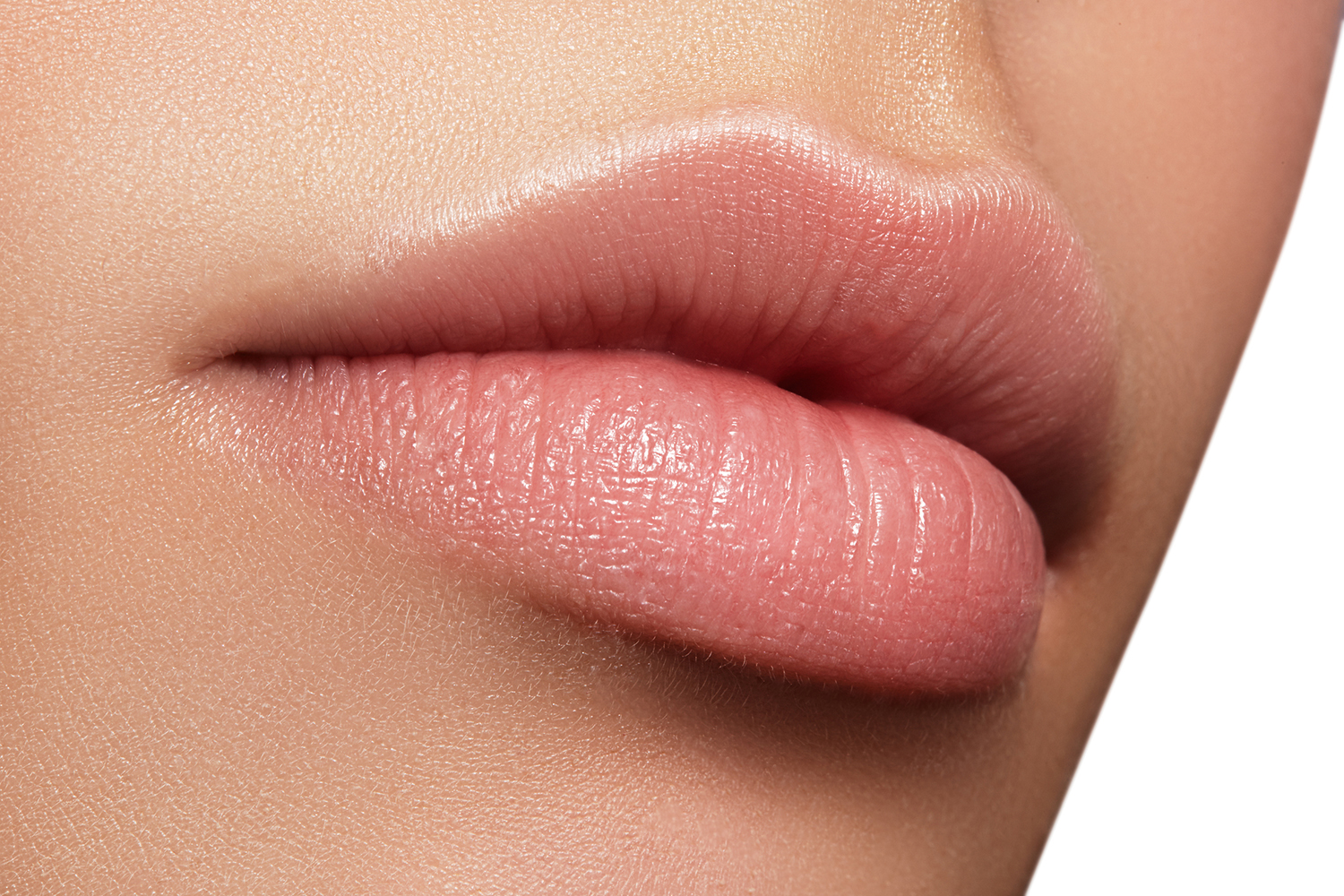
    Too much vata can lead to fine lines and wrinkles, chapped lips, or rough patches of skin (including eczema and psoriasis).

  • Pitta

    Imbalanced pittas can break out in acne and rashes.

  • Kapha

    Imbalanced kapha may cause clogged pores and whiteheads.

Ayurvedic Oils for Skin Care

Important in Ayurveda is a daily routine that includes abhyanga or self-massage with oil, ideally oil infused with herbs.

A gentle dry brushing before massage helps all doshas.

  • Vata

    • Try oils infused with ashwagandha, ginger, black pepper, and gotu kola.
    • Try calming essential oils (rose otto, neroli, rose geranium, and lavender) with heavier oils (olive, almond, avocado or ghee [clarified butter]).
  • Pitta

    • Try essential oils like rose otto, peppermint, or geranium.
    • Consider cooling coconut oil and aloe vera in beauty products.
    • Try herbs such as gotu kola, turmeric, and neem (known for its skin-healing properties)
    • Try essential oils such as lavender, Moroccan chamomile, red mandarin, and clary sage.
  • Kapha

    • Use a light carrier oil with stimulating and energizing essential oils such as cinnamon, lemongrass, or cumin.

What's My Dosha?

For each type, count each word that typically describes you. Add up your points to see which dosha(s) dominate. Your secondary dosha will be your second-highest score.

Vata

  • Slender
  • Dry hair
  • Brittle nails that break easily
  • Social
  • Anxious
  • Cold
  • Constipated
  • Dry skin
  • Fine lines
  • Dandruff
  • Popping joints
  • Rough hands
  • Easily aggravated by cold and dry climates

Pitta

  • Medium physique
  • Straight hair
  • Flexible fingernails
  • Angry
  • Itchy skin
  • Easily irritated skin
  • Sunburns easily
  • Hives
  • Bleeding cuticles
  • Rashes
  • Acne
  • Freckles
  • Easily aggravated by heat

Kapha

  • Large-boned
  • Thick hair
  • Smooth fingernails
  • Laid-back
  • Withdrawn
  • Slow-paced
  • Soft skin
  • Sweaty
  • Sluggish
  • Oily skin
  • Clogged pores
  • Facial puffiness
  • Easily aggravated by cold, damp, and gray conditions
Contributor

Lynn Tryba

Chief Content Officer

Lynn aims to empower people to make informed decisions about their health and wellness by presenting the latest research on exercise, nutrients, herbs, and supplements in reader-friendly ways. She has a deep respect for the power of food as preventive medicine and believes that small steps in the right direction make a big difference.

Nutrients to Speed Weight Loss

By Linda Melone

While exercising regularly and eating a low-fat diet goes a long way towards maintaining a healthy body weight, sometimes they’re not enough.

Natural supplements and nutrients can help. Some cut cravings while others work by increasing your body’s ability to burn fat. Keep in mind, however, that you’ll lose weight slowly and steadily, unlike with other fast-acting, potentially dangerous supplements.

“You can expect a modest weight loss advantage over diet alone—perhaps two pounds over several months,” says Jade Teta, ND, CSCS, a holistic physician and personal trainer in North Carolina.

Over time, those pounds add up to a safe weight loss you’re more likely to maintain.

Nutrition for Weight Loss

Try these proven, natural approaches to help you shed pounds.

  • Green Tea

    Green tea contains catechins, antioxidant polyphenols (chemicals found in plants), which can cause a significant increase in energy expenditure and fat oxidation, says Susan Kraus, MS, RD, clinical dietician at Hackensack University Medical Center.

    “Participants taking a green tea extract containing 375 milligrams [mg] per day of total catechins for three months lost an average of 4.6 percent of their body weight without dieting,” says Kraus. (A standard cup of green tea provides 80 to 100 mg of polyphenols.)

    “Other teas contain smaller amounts of polyphenols, however, and do not demonstrate the same thermogenic effect,” says Kraus.

    Expert Recommendation

    200 to 375 mg a day of 95 percent standardized catechins. Take with food to avoid digestive discomfort.

  • Conjugated Linoleic Acid (CLA)

    Studies show that this fatty acid found naturally in milk and the meat of ruminant animals may help decrease abdominal fat, says Amy Goodson, MS, RD, CSSD, LD, board-certified specialist in sports dietetics.

    “[CLA] reduces fat deposits and may also help prevent fat regain after weight loss.”

    Expert Recommendation

    1 to 3 grams (g) a day or higher, divided throughout the day.

  • Carnitine

    An amino acid biosynthesized from lysine and methione (two other amino acids), carnitine is required to transport fatty acids during the breakdown of fats.

    “Carnitine shuttles the fat inside the cell to burn as fuel,” says Dr. Teta. “You'll need three to five grams a day in divided doses, which is a hefty dose. For this reason, a liquid or powder version may be best.”

    Expert Recommendation

    3 to 5 g of pure L-carnitine, liquid or powder.

  • Brown Kelp/Fucoxanthin

    A carotenoid found in brown seaweed, studies show fucoxanthin plays a role in promoting weight loss.

    “It seems to work by targeting a protein (UCPI) that increases the rate at which abdominal fat is burned and stimulates the production of CHA, one of the omega-3 fatty acids,” says Kraus.

    Expert Recommendation

    Three 200 mg pills daily of most brands.

    Check with your doctor before taking this supplement, as it may interact with medications and could be contraindicated for thyroid conditions.

  • Amino Acids

    Certain amino acids can help reduce cravings, enabling you avoid tempting sweets and snacks.

    “Eating a protein food keeps you full longer because it’s slower to digest,” says Goodson. “So it makes sense that amino acids, which make up proteins, may contribute to a reduction in cravings.”

    Dr. Teta recommends tyrosine and 5-HTP. “Tyrosine reduces cravings for sweets and chocolate and 5-HTP helps reduces salt cravings.”

    Expert Recommendation

    Tyrosine: 1 to 2 g a day for craving sweets and chocolate.

    5-HTP: 50 to 100 mg a day to reduce salt cravings and reduce appetite.

Personal communication: Amy Goodson, MS, RD, CSSD, LD; Susan Kraus, MS, RD; Jade Teta, ND, CSCS

“Recent Findings of Green Tea Extract . . . and its Activity for the Treatment of Obesity” by P. Chantre and D. Lairon, Phytomedicine

“Seaweed Carotenoid, Fucoxanthin, as a Multi-Functional Nutrient” by H. Maeda et al., Asia Pac J Clin Nutr

Contributor

Linda Melone

Linda Melone is a certified trainer and a health and fitness writer. Her work appears in Prevention, Health, Livestrong, Shape, and more. She currently provides copywriting and marketing strategy at The Copy Worx.

Echinacea for Respiratory Health

This herb may ease symptoms as your body heals.

By Dr. Tori Hudson, N.D.

What are Respiratory Tract Infections?

Simple respiratory infections include sinus infections and the common cold.

Do Respiratory Infections Go Away?

Up to about 80 percent of the time, they are self-limiting. This means symptoms are harmless and expected to resolve on their own. The only treatment needed is for symptom relief.

Up to 20 percent of respiratory infections are complicated, though, and lead to bronchitis, pneumonia, tonsillitis, conjunctivitis, ear infection, or bacterial sinusitis.

How Do You Prevent Respiratory Infections?

Prevention of respiratory tract infections is the desired goal, of course, but often frequent hand washing, healthy eating, regular exercise, fresh air, and not smoking are not enough.

Here is where one of the valued aspects of echinacea comes in.

Echinacea for Fighting Infections

Echinacea (Echinacea spp.) is used for the prevention and treatment of respiratory tract infections. Previously published studies have shown the herb possesses anti-inflammatory and antiviral effects, and immunomodulatory effects that stimulate immunity. 

Studies on Echinacea

  • To Treat Existing Infections

    The purpose of a recent meta-analysis was to evaluate the efficacy of echinacea on recurrent respiratory tract infections and complications from these infections. The intent of the meta-analysis was to see if two to four months of taking echinacea products could prevent recurrent respiratory tract infections, which then also prevents complications.

  • To Prevent Future Infection

    A comprehensive literature search was done of randomized, placebo-controlled trials using echinacea in healthy individuals over two to four months for prevention of respiratory tract infections. Of the 101 clinical trials, 89 did not meet the full-inclusion criteria. Of the 12 remaining, six were eliminated due to methodology or test materials. The remaining six studies reported significant benefits of echinacea treatment with regard to recurrent respiratory tract infections over those taking placebos. 

  • Alcohol Extracts Compared to Juices

    When comparing the alcohol extracts with the pressed echinacea juices, there was a more pronounced effect from the alcohol extracts. In the largest study, not only was there a reduction in respiratory tract infections, but there also were fewer viral infections in the nasal passages that corresponded to a 58 percent reduction in the risk of viral reinfection. In people with recurrent respiratory tract infections who had risk factors such as stress, poor sleep, and smoking, the benefits were even greater.

  • Echinacea for Other Infections

    Data from three studies also demonstrated a statistically significant reduction in risk for complications such as conjunctivitis, ear infection, tonsillitis, and sinusitis, and even a 64.9 percent reduction in pneumonia in those taking echinacea products. Of additional importance, antibiotic use declined in three studies in those using echinacea compared with control groups or standard treatments.

In summary, this meta-analysis demonstrates that echinacea-containing products significantly reduce the risk of recurrent respiratory tract infections in healthy individuals and in those with risk factors.

“Echinacea reduces the risk of recurrent respiratory tract infections and complications: A meta-analysis of randomized controlled trials” by A. Schapowal et al., Adv Ther, 2015

Contributor

Dr. Tori Hudson, N.D.

Dr. Tori Hudson, Naturopathic Physician, is an adjunct clinical professor at the National University of Natural Medicine, Bastyr University, Sonoran University, and the Canadian College of Naturopathic Medicine. 

She is the medical director of her clinic, “A Woman’s Time” in Portland, OR, co-owner and director of product research and education for VITANICA, and the program director for the Institute of Women’s Health and Integrative Medicine. She is the founder and co-director of NERC (Naturopathic Education and Research Consortium), a nonprofit organization for accredited naturopathic residencies. Read more on her blog. She is the author of the Women's Encyclopedia of Natural Medicine and The Menopause Companion.

Benefits of Supergreen Foods

Build on a healthy diet and fill in the gaps.

By Jane Eklund

Health-conscious folks know the advantages of eating dark green, leafy vegetables, and that the best way to reap those benefits is through eating whole foods like spinach, kale, and broccoli. Supergreen algae and cereal grasses can build on a healthy diet and fill in the gaps.

Including spirulina, chlorella, barley grass, wheatgrass, and others, supergreens are typically sold as a concentrated green powder that can be mixed into food or drink. Some people add them to their morning protein shake or smoothie. Others mix them in water or iced tea for an afternoon energy boost. They’re also available in capsule form.

Why Go Green?

We reached out to two experts who recommend that people get plenty of green vegetables at mealtimes—and also encourage taking a supergreens supplement when appropriate.

“A supergreen food is packed with life-supporting nutrients, in addition to high chlorophyll content, which provides the deep green color and has its own unique health benefits,” says Mark Drucker, MD, medical director for the Center for Advanced Medicine in Encinitas, CA, and advisor for superfoods brand Sun Chlorella.

He added that they can be fresh foods such as spinach, kale, broccoli, and watercress; freshwater organisms such as algae and spirulina; and the young grass of grains such as wheatgrass and barley grass.

In addition to chlorophyll, Dr. Drucker cites the many nutrients found in such foods, including vitamins, minerals, enzymes, antioxidants, fiber, and phytonutrients like flavones, carotenoids, resveratrol, lignans, and others.

Benefits of Green Superfoods

James B. LaValle, RPh, CCN, a clinical nutritionist who consults with superfoods brand Wakunaga, highlights some health benefits of dietary greens: They help fight free radicals that can lead to cancer and heart disease; control blood pressure, blood sugar, and cholesterol levels; promote the immune system; improve digestion; and balance pH.

“When I see studies showing the benefits of things like barley grass, kelp, and green algae, I think the addition of a superfoods powdered green drink is a really good thing to do,” says Dr. LaValle.

Recent studies showed the power of supergreens:

  • Weight Loss and Inflammation

    A 2020 meta-analysis found that the bluegreen algae spirulina has positive effects on weight loss and blood lipids.

    One randomized study compared a group of obese people who dieted and took 2 grams of spirulina a day to obese people also on a diet who took a placebo. Researchers found those in the spirulina group lost significantly more weight and more inches from their waist than the placebo group.

    They also significantly reduced body fat and showed lower C-reactive proteins, which indicate inflammation in the body.

  • Support for Aging Bodies

    A randomized controlled study of 50 healthy elderly men and women concluded that consuming chlorella may prevent and slow the progression of frailty in older people.

  • Resist Chronic Diseases

    Scientists reviewing research on barley grass reported that the grass has more than 30 substances that can help prevent and treat over 20 chronic diseases. Because barley grass contains nutrients such as GABA, magnesium, and B vitamins, it also helps promote sleep.

Important Notes

  • Consult with your healthcare practitioner to make sure supergreen supplements are a good fit for you.
  • Buy them from reputable companies, ideally those certified through an independent lab such as NSF or Informed Choice.
  • Skip products with ingredients other than those from plant foods, digestive enzymes, and probiotic strains.

Effects of spirulina on weight loss and blood lipids: A review” by J. DiNicolantonio et al., Open Heart, 3/8/20

Is chlorella food beneficial for elderly people? A study of the benefits of carotenoids, folate, and homocysteine” by M. Fujishima et al., presented at the 4th meeting of the Japanese Association of Sarcopenia and Frailty

Personal communication: Mark Drucker; James B. LaValle

Preventive and therapeutic role of functional ingredients of barley grass for chronic diseases in human beings” by Y. Zeng et al., Oxidative Medicine and Cellular Longevity, 2018

Contributor

Jane Eklund

Jane has a rich, diverse background in both literary and journalistic writing, including book reviews, poetry, and history.

For Women Only: Overcoming Urinary Incontinence

By Ann Louise Gittleman, Ph.D., C.N.S.
We host blogs from some of the leading voices in natural health and wellness. Opinions and views expressed by the author are their own, and do not necessarily represent those of Taste For Life or its editorial staff. Please contact Ann Louise Gittleman, Ph.D., C.N.S. with any questions about this content.
This content originally appeared on annlouise.com

Urinary incontinence and bladder leakage affects an estimated 50 percent of all women, yet we rarely talk about it – or seek help.

The sad statistics show that as low as 25 percent of women suffering with this embarrassing issue seek treatment, and those women are usually given a prescription bladder medication that has a side effect of dementia!

I received an email from a dear friend asking me to address this highly sensitive issue, and I think she accurately summarizes the heart of the matter:

“Ann Louise, I have a topic I would love to see you write about. After having 6 kids I have some urine leakage when I cough, sneeze, jump on a trampoline, etc.

There are a lot of women in my age group (over 40) who are newly single, and I’m sure they must be struggling with the same issue I am.

When I think about becoming sexually active again, this bladder issue affects my confidence and holds me back (especially with younger men).

I would love to see you write about urinary incontinence, and address all the issues around it – how it affects the activities we choose, our sexuality, our exercise routines (lifting heavy weights or straining is a problem), and even our choice of undergarments. I’d like to see what choices we have.

For instance, we have the menstrual cup now as an option for monthly cycles, but what do we have besides chemically laden pads for urine leakage? What else can women do at home to resolve this issue and feel more confident again?”

Fortunately, urinary incontinence isn’t something you need to medicate or tolerate – there are new, innovative solutions that promise lasting relief. I understand many women are too private to seek out physical therapy for their pelvic floor, and using a pessary is not only messy but inconvenient for sexual spontaneity.

The first solution I want to introduce you to is one I’ve personally had done, and I’m very happy with the results.

Rejuvenation for Your Sensitive Tissues

Urinary incontinence affects all areas of your life, from how you exercise to which undergarments you choose – and your sexuality as well.

It’s often a result of the weakening or atrophy of tissues in the surrounding area, including the vagina. The bladder begins to bulge down into the vagina when the supportive tissues have begun to weaken and stretch, or even atrophy.

This is known as a cystocele, and is most commonly the result of straining during childbirth or bowel movements, or from the hormone changes associated with menopause.

ThermiVa Vaginal Rejuvenation

When you get to a certain age and stage of life, your soft tissues may require a little assistance – they need strengthening, lubrication, and rejuvenation. A technique was created for women with vaginal atrophy, women who have problems with sexual intercourse, and women with bladder problems or urinary incontinence. It’s called ThermiVa vaginal rejuvenation, and it came out in 2015.

I first learned about it from a Duke trained physician named Dr. Natalie Drake, an expert in nonsurgical treatments for women with pelvic dysfunction. I sought out her help for postmenopausal vaginal dryness, and was looking for a therapy to share with my clients who were seeking me out for unique solutions after reading my bestselling book, Before the Change.

ThermiVa is a radiofrequency treatment for everyone from young women who have just given birth up until your golden years. It essentially warms the vaginal tissues in a way that induces the tissue to produce and remodel collagen, which firms and strengthens your soft tissues, including those that support the bladder. It remodels the shape and structure of the entire vaginal area and improves blood flow, which in turn improves nerve sensation and perception of both sexual pleasure and the signal for urination.

Because it’s an intimate area you are having treated, it is essential you choose a practitioner you feel safe with. There is an emotional discomfort that comes with receiving treatment in the pelvic area, but the procedure itself is not painful. I felt a warming sensation throughout the procedure, never any pain or burning, and Dr. Drake made sure I was grounded so there was no harmful EMF exposure.

Each of the 3 treatments lasts up to 30 minutes in length, and there’s no “down time” afterward, so you can resume normal activities immediately following.

Once you finish the 3 initial treatments, Dr. Drake recommends a yearly maintenance treatment – and that’s all that’s needed to maintain healthy bladder functioning, vaginal lubrication, and sexual pleasure.

Cleansing for Bladder Health

Another system of your body that affects your bladder and vaginal health is your digestive system. A constipated adult colon can hold as much as 50 pounds of waste waiting to be eliminated! Your heavy colon then puts constant downward pressure on your bladder, causing it to not only change shape, but also to protrude down into your vagina. This is why it is essential to routinely cleanse your colon and keep yourself free from constipation.

A good quality probiotic is a must, especially to restore disordered flora if you are prone to bladder infections. You want to choose a formula that numbers in the billions of CFUs, not millions, and that is in powdered form so you can easily control your dose. This is something I take daily for both digestion and immune health, and I recommend it for all my clients as well.

Combat Hormone Havoc with Friendly Fats

If you’ve read either my Before the Change book or Radical Metabolism, then you are already familiar with the importance of essential fats for cellular repair, reducing inflammation, hormone balance, and healthy, moist tissues. The fats I am referring to, of course, are the Omega 3 and Omega 6 essential fatty acids found in wild caught fatty fish, free range eggs, grassfed meats, and nuts, seeds, and their oils.

My personal favorite way to get my essential fats in is hempseed oil, because it has the perfect 3:1 ratio of Omega 6 to Omega 3 fats in it. However, once you are experiencing urinary incontinence or vaginal dryness, more exact supplementation may be needed. In that case, I recommend:

  • 1 to 2 grams of Omega 3 from Super-EPA
  • 3 to 6 grams of CLA (Conjugated Linoleic Acid) per day for Omega
  • up to 1 gram of GLA (Gamma Linolenic Acid) per day for proper prostaglandin production
Contributor

Ann Louise Gittleman, Ph.D., C.N.S.

Ann Louise Gittleman, PhD, is a New York Times award-winning author of 30 books on detox, health, and healing, including the international bestselling Fat Flush Plan and Zapped! Visit her blog and join her online Fat Flush Community.

Natural Help for ADHD

By Maria Noël Groves, RH (AHG)

Common Questions About ADHD

  • Is ADHD Becoming More Common?

    The number of children diagnosed with Attention Deficit Hyperactivity Disorder (ADHD) has risen steadily over the years, fueled by more doctors and parents identifying the condition as well as increased prevalence. Even though the American Academy of Pediatrics recommends behavioral therapies before resorting to medication, children are more likely to receive medical interventions.

  • Is ADHD More Common in Children?

    Children receive the most attention because the disorder may interfere with their ability to perform academically and behaviorally in school. But ADHD issues continue into adulthood with symptoms like disorganization, impulsiveness, poor time management and planning skills, mood swings, and difficulty coping with stress.

  • What Can Trigger ADHD?

    Insomnia, pesticide exposure, and stress can all exacerbate ADHD prevalence and symptoms. Food sensitivities (particularly gluten and dairy, food preservatives, MSG, and artificial food dyes) as well as a low-quality, high-carbohydrate/sugar diet may also worsen ADHD, mood, and behavior.

Natural Treatments for ADHD

Fortunately, herbs and other nutritional therapies can help improve focus and reduce hyperactivity, making ADHD easier to manage.

  • Herbs and Supplements for ADHD

    • Omega-3 Fatty Acids

      People with ADHD tend to have lower blood levels of omega 3s, which are important for brain function and development. Although results are mixed, a critical review of 25 studies concluded that omega-3 supplements can improve ADHD symptoms, particularly in milder cases, and they may help patients reduce their medication dose.

      Studies that achieved more positive results used products with a relatively high EPA content alongside DHA—from 500 daily milligrams (mg) EPA/175 mg DHA up to several thousand mg each—for three months or longer.

    • Gotu kola (Centella asiatica)

      Children with ADHD who took gotu kola in a formula with other herbs including lemon balm, bacopa, and ashwagandha for four months showed improved attention, cognition, focus, and impulse control compared to those who took a placebo.

      Ayurvedic medicine has turned to gotu kola to improve focus and memory and to reduce anxiety and stress in all ages for millennia. Preliminary studies strongly support the herb’s ability to enhance brain function and repair in a variety of ways. Elders who took 750 mg of gotu kola extract daily showed improved working memory and mood, as well as improved physical abilities, vigor, and quality of life. It also reduces the startle response.

      Gotu kola is generally quite safe—it’s even eaten as a fresh, cooked, or juiced leafy green—and can be taken as a tea, tincture, powder, or capsule. Seek organic gotu kola, as quality on the market can be poor, and expect it to take several weeks or months for the effects to gradually build. Note that both gotu kola and bacopa may be called “brahmi” in commerce.

    • Bacopa (Bacopa monnieri)

      This Ayurvedic herb also has a long history of use supported by modern evidence. It promotes a calm-alert state of mind with brain tonic effects, improving neurotransmitter and brain function in all ages.

      Studies show the greatest benefit for free-recall memory, speed of attention, and decreased choice reaction time. Several studies also find it useful for school-aged children, including those with ADHD.

      It’s a bit bitter as a tea but the aerial parts of this water-loving plant can be taken as a tincture or capsule.

    • Lemon balm (Melissa officinalis)

      This is one of several mint-family herbs with potential cognitive benefits—others include spearmint, peppermint, and rosemary—and it may be the most promising in ADHD because it simultaneously calms and improves focus. Unlike the previously mentioned remedies that are best taken for several months to assess their benefit, lemon balm’s effects are often noticeable within an hour.

      Some studies achieved the best results with the highest doses, while others found that students got sleepy as the dose went up, so you may need to tinker to find the right dose for you or your child.

      Interestingly, in elders with severe dementia, lemon balm essential oil added to cream rubbed into the arms and legs decreased agitation and social withdrawal and improved quality of life.

      Lemon balm is quite safe and can be taken in a capsule: Adult doses range from 300 to 1,000 mg; children’s doses are generally one fourth to half that. Or take it as a fresh plant tincture, or in tea made from fresh or dried herb.

  • Additional Nutrition for ADHD

    The above herbs are often combined in formulas with others that support mood and calm energy, including milky oat seed, ashwagandha, and holy basil. B vitamins, iron, and vitamin D may also be beneficial for cognition and mood, particularly for people who are deficient.

    Iron should not be given as a supplement except where deficiency has been confirmed.

  • Behavioral Therapy

    Behavioral therapy, including cognitive behavior therapy, can be incredibly beneficial for children and adults with ADHD. To learn more and find a practitioner near you, visit the CDC website on Behavior Therapy for ADHD.

ADHD Alternatives: A Natural Approach to Treating Attention-Deficit Hyperactivity Disorder by Aviva Romm and Tracy Romm ($12.95, Storey, 2000)

“ADHD Throughout the Years,” www.CDC.gov, 2/7/17

“Attenuation of Laboratory-Induced Stress in Humans After Acute Administration of Melissa officinalis (Lemon Balm)” by D.O. Kennedy et al., Psychosom Med, 7-8/04

“Critical Appraisal of Omega-3 Fatty Acids in Attention-Deficit/Hyperactivity Disorder Treatment” by A. Königs and A.J. Kiliaan, Neuropsychiatr Dis Treat, 6/16

“Modulation of Mood and Cognitive Performance Following Acute Administration of Single Doses of Melissa officinalis (Lemon Balm) . . .” by D.O. Kennedy et al., Neuropsychopharmacology, 7/03

“An Open-Label Study to Elucidate the Effects of Standardized Bacopa monnieri Extract in the Management of Symptoms of Attention-Deficit Hyperactivity Disorder in Children” by U.P. Dave et al., Adv Mind Body Med, 3-6/14

“Positive Modulation of Cognition and Mood in the Healthy Elderly Volunteer Following the Administration of Centella asiatica” by J. Wattanathorn et al., J Ethnopharmacol, 3/08

“Restriction and Elimination Diets in ADHD Treatment” by Joel T. Nigg and Kathleen Holton, Child Adolesc Psychiatr Clin N Am, 10/14

Contributor

Natural Ways to Sleep Better

Try these simple steps for better sleep.

By Annie Graves

We all know getting a full night's rest is important. It can seem hard, but if we understand what affects our sleep, solving insomnia gets easier.

Questions About Sleep Deprivation

  • How Many Americans Suffer from Insomnia?

    Whether the reason is anxiety, depression, pain, or some other factor, about 50 to 70 million Americans experience some form of insomnia, according to the National Institutes of Health.

  • What Can Interfere with Sleep Patterns?

    Even something as simple as changing the clocks for daylight-saving time can interfere with sleep patterns. It can make you fall short of the eight hours necessary to be creative and energetic—and to keep your immune system functioning properly.

  • Why Is Getting Enough Sleep Important?

    Why do you need at least seven to eight hours of sleep? REM (rapid eye movement) sleep, which takes place throughout the night, occurs for the longest periods at the end of the sleep cycle.

    According to Hyla Cass, MD, that’s when “the brain replenishes its supply of neurotransmitters, such as noradrenaline and serotonin, which are crucial for new learning and retention as well as for mood.”

  • How Does Sleep Effect Cognitive Decline?

    Many of us already understand the importance of quality sleep for our brain health. That said, sleep is just one of many critical ways to keep our brains sharp as we age.

    To help folks understand this and be prepared, The NCOA created a guide on how to keep your brain fit. This piece explains:

    • Cognition, cognitive decline, and how aging affects the brain
    • How our physical health affects cognitive health
    • Lifestyle changes to optimize brain function

How to Sleep Better

If you’re sleep deprived, try these simple steps for snoozing.

  • Stick to a Routine

    It’s important to establish a sleep routine and stick to it.

    • Choose a regular bedtime and preface it with a warm bath.

      Add a few drops of lavender oil to a carrier oil like almond oil and mix into the water.

    • Avoid stressful stimulation from the evening news or violent movies, and listen to soothing music instead.
    • If you have to get up during the night, don’t turn on the lights. Doing so throws off your internal clock.
    • Never try to sleep with cold feet.
  • Avoid Stimulants

    • Stay away from caffeine, alcohol, and sugar, as well as foods that are spicy or high in fat or salt, particularly in the afternoon and evening.
    • Cold medications and tobacco should also be eliminated.
    • Stick with foods rich in nutrients, but don’t eat anything for at least two hours before bedtime unless you need a protein snack to deal with a low blood–sugar problem.
  • Eat Foods that Induce Sleep

    • There’s a reason everyone wants to take a nap after that big Thanksgiving meal. Turkey is loaded with the amino acid tryptophan that manufactures serotonin, which is crucial for sleep.
    • Tryptophan is also abundant in fish, dairy, eggs, bananas, figs, pineapples, nut butter, tuna, and whole-grain crackers—all good foods to eat in the evening.
  • Consider Vitamins

    Increase your intake of edibles high in vitamin B complex (nutritional yeast, egg yolks, fish, wheat germ, legumes, and whole grains) and vitamin C (dark, leafy greens and tart fruits).

    These vitamins help in the conversion of tryptophan to serotonin, so a good B complex supplement along with at least 200 mg of vitamin C is sleep insurance.

    A calcium/magnesium supplement can also be effective for relaxing tense muscles.

  • Try Helpful Herbs

    • A cup of German chamomile tea is a soothing way to end the day.
    • Used for more than 1,000 years, valerian (Valeriana officinalis) has a tranquilizing effect, induces sleep, and improves sleep quality.
    • Hops (Humulus lupulus) has a calming, sedating effect, and St. John’s wort enhances both serotonin and melatonin, helping you stay in deep sleep longer.
    • Passionflower is also mildly sedating.
    • One meta-analysis found ashwagandha (Withania somnifera), an adaptogen herb known for reducing stress and anxiety, can also help people get about 30 minutes more sleep a night. The effects on sleep were more pronounced on people diagnosed with insomnia. 
  • Expend Energy

    Besides toning your body, exercise is good for your mind.

    • A walk, a run, a workout at the gym—they all produce endorphins, which help ease depression and improve sleep.
    • Observe the "two-hour rule" by stopping physical activity at least two hours before bedtime.
    • A recent study published in the journal Sleep Health found that when people increased their moderate-to-vigorous daytime activity levels, they enjoyed less troubled and better quality sleep compared with how they were sleeping at the start of the study.

“Brain basics: Understanding sleep,” National Institute of Neurological Disorders and Stroke, www.ninds.nih.gov, rev. 3/17/23

“Comparative efficacy of exercise regimens on sleep quality in older adults: A systematic review and network meta-analysis” by F. Hasan et al., Sleep Medicine Reviews, 10/22

"Effect of Ashwagandha (Withania somnifera) extract on sleep: A systematic review and meta-analysis" by K.L. Cheah et al., PLoS ONE, 9/24/21

"Good sleep eluding you? More exercise may help," Massachusetts General Hospital, 5/24

“Nutraceuticals for sleep disorders” by R. Ali et al., Combinatorial Chemistry & High Throughput Screening,1/21/21

“Sleep statistics” by E. Suni and K. Truong, Sleep Foundation, www.sleepfoundation.org, 5/18/23

Contributor

Annie Graves

Annie Graves is a travel, home, and feature writer with deep roots in New England, and a love of the well-packed travel bag.

As Home & Garden editor, and a regular contributor to Yankee magazine, a New England icon with a readership of close to two million, she's always looking for the poetry, even as she embraces our rugged landscape and weathered shingles.

Ginseng, the Herb of Power and Longevity

By Cheryl Myers
We host blogs from some of the leading voices in natural health and wellness. Opinions and views expressed by the author are their own, and do not necessarily represent those of Taste For Life or its editorial staff. Please contact Cheryl Myers with any questions about this content.

I cannot think of ginseng without conjuring the image of Indiana Jones. Both are often found in the depths of the forest, both are brilliantly adaptive to all situations, both are constantly under attack, and both are powerful enough to survive and thrive. Both are exotic, mysterious, and dare I say, quite good looking—although one has been respected for over 5,000 years, and the other... not so long.

Ginseng is a plant with a root shaped like a human. In fact, the Chinese character for ginseng begins with the ideogram for human. It has also been called the man root, because ginseng harvesters think the root is man-shaped, and also because it is purported to be full of manly virtues. I don’t like this characterization as much, because ginseng is every bit as beneficial for women as for men.

One myth claims that there was a beautiful celestial woman who loved to descend to bathe in the pools in the Changbai mountains in Northeast Asia. Her father was not happy with his daughter’s mountain visits, especially when she fell in love with and married a mortal. Soon thereafter, a lethal epidemic threatened her home and village. She scattered magic seeds all through the forest, and the seeds sprouted into a plant that could cure everyone. Again, her father was displeased, and he imprisoned his daughter in a cave. Her beloved husband died of grief. Not exactly a happy ending to this fairy tale! I am not sure how many, if any, other herbs have this level of mythology, reverence, and history attached to their origin story.

Ginseng is incredibly powerful. It is also incredibly valuable, with large roots worth more than their weight in gold, even to this day. It is so valuable that Emperors of China have gifted jewels and honors to hunters finding unusually old specimens. At one point, all ginseng was reserved for use by the royal family, and commoners were not allowed access to this plant medicine.

Ginseng (Panax ginseng) originated in Asia and is in a class of herbs called adaptogens. Adaptogens boost an individual’s physical and psychological adaptability, creating strength to respond to dangers such as extreme heat, cold, viral infections, injuries, psychological stressors, and even aging itself.

Types of Ginseng

Panax ginseng is not American ginseng (Panax quinquefolius). They are cousins, but their health benefits differ. This article focuses on Panax (Asian) ginseng.

Red and White Ginseng

You may hear debate about white or red ginseng. While both forms come from the same plant, white ginseng is very minimally prepared, which means that it’s beneficial compounds, including ginsenosides, ginsans, and gintonins, are too bound up in the plant’s cell walls to be of much use.

Red ginseng, by contrast, is steamed, which breaks down some of the cell walls and gives the root powder a characteristic red/brown appearance. While all ginseng has some benefits, the majority of studies show that the steamed form, called red ginseng, is the most medicinally useful.

Benefits of Red Ginseng

  • Energy, Stamina, Focus

    One area where red ginseng shines is in energy and stamina. It is not a stimulant like caffeine. Instead of acting as a stimulant, ginseng prevents fatigue in the first place. That means people can have a long-term boost without jitteriness. It also improves concentration.

    A clinical study found that red ginseng helps stressed people do detailed tasks with better accuracy and speed. The people in this study worked in stressful jobs such as telephone communication, engineering, and information technology. People in these fields can become overloaded with cognitive tasks, leading to a drain of mental energy and focus. Because of that, attention and accuracy were two of the main areas of investigation of the study.

    One group consumed a form of red ginseng with high levels of ginsenosides (HRG80) while the other used a placebo. Participants took either red ginseng or placebo in the morning. They were asked to do a tedious error-finding cognitive task before work and after work. The expectation was that after a hard day of multiple cognitive demands, individuals would make more errors.

    That is exactly what happened in the placebo group. That group made 11 more errors in the task at the end of the day than in the beginning. But in the red ginseng group, participants actually performed better than when they were fresh in the morning. Even after a grueling day, they made an average of 5 less errors!

  • Response to Stress

    Ginseng also strengthens our ability to withstand stress.

  • Mood

    Depression, anxiety, even cognitive changes and memory impairment, are related to an unhealthy brain environment with excessive inflammation and oxidative stress. Red ginseng contains ginsenosides that are able to protect brain cells from these destructive forces. Research has found that red ginseng helps keep our brain (and subsequent mood) healthy by preventing the death of brain cells.

    Ginseng’s activities include boosting nitric oxide production to keep blood flowing efficiently in both the body and brain, hormone signaling that is associated with clarity and focus, neural cell regeneration, and anti-inflammatory actions that reduce threats to vulnerable brain wiring.

    A Korean human clinical study found that red ginseng significantly improved depression symptoms, including those physiological symptoms such as the physical slowdown that people suffering from depression so often feel.

  • Longevity

    Traditional Chinese Medicine (TCM) doctors have always considered ginseng a longevity herb for both men and women, especially as they age. This has been borne out by modern science. Preliminary animal research has shown that daily use of ginseng can extend life by 14 percent or more. A human study of people with HIV-type 1 showed significant improvements in long term survival.

  • Women’s Health

    There are studies on red ginseng and women’s health, including energy, focus, concentration, cancer, and menopausal symptoms, that have shown the safety and efficacy of this herb. One area of menopausal concern that responds well to red ginseng is mood.

    Also, as women age, they may experience unwanted changes in sexual function and libido. Red ginseng (Panax ginseng) can help restore vigor, receptivity, desire, and enjoyment. There is growing research that shows it is extremely helpful for women with reduced libido.

    Women in a placebo-controlled, double-blind clinical study reported that red ginseng significantly improved their sexual arousal and desire. The success of red ginseng was strong enough for researchers to consider that the herb may be used as an alternative to prescription medication for women to improve intimacy and libido.

    Other clinical work showed that red ginseng also boosted a sense of well-being, reduced menopause symptoms, and increased arousal, orgasm, and overall sexual satisfaction as well.

  • Erectile Dysfunction (ED)

    According to the National Institutes of Health (NIH), about 30 million American men deal with erectile dysfunction (ED), which is often related to circulatory issues that impede blood flow.

    Scientific research on red ginseng shows that it can be very effective for ED. One double-blind, placebo-controlled study reported that men with mild to moderate ED noted a significant improvement on the Erectile Function Scale – from 16.4 to 21.0. The placebo group showed no improvement.

    The researchers in this study also stated that ginsenosides may work through some of the same brain pathways and receptors as GABA, dopamine, and serotonin – brain neurotransmitters that are heavily involved in mood and desire.

    Other clinical studies of red ginseng have demonstrated strong benefits, resulting in improvements in every parameter of sexual performance and a significant reduction of ED.

    Red ginseng increases stamina, balances hormonal health, and promotes the dilation of blood vessels by activating nitric oxide – the body’s “on switch” which circulatory activity in the penis to achieve sexual satisfaction.

  • Cancer and Immunity

    There are more than 1,400 published studies listed in the electronic database of the NIH, called PubMed, specifically on ginseng and cancer. Not only does ginseng help to prevent cancer by protecting the DNA inside our cells to keep it from dangerous mutations, it also helps people who have cancer or are recovering from cancer treatment. In addition to helping prevent/slow the spread of cancer, it helps enormously with cancer fatigue.

    Likewise, there are over a hundred studies on ginseng and viral illness, including prevention, survival, and accelerated recovery. There are studies on hepatitis B, enterovirus respiratory tract infections, and much recent focus on its effectiveness in COVID-19. Ginseng has also been shown to be effective against many bacterial illnesses as well.

The Tragedy of Wild Ginseng

Humans have loved wild ginseng almost to death.

The demand for ginseng has eliminated most of the wildcrafted sources, and now it is grown on farms, many of which are in Northern China and Korea. Unfortunately, farmed ginseng has many challenges, as the cultivated plant is sensitive to weed competition and a variety of insects.

In order to assure a commercially successful crop, a wide variety of herbicides, pesticides, and fungicides are used on farmed ginseng crops. An article published in Horitcultural Science lists 15 chemicals applied at different stages of the growing process to control such pests as cutworms, slugs, nematodes, gray mold, and root rot.

Also, ginseng plant cultivation takes a long time – about six years between harvests to produce even a minimally effective ginseng. Slow growth allows time for the roots to absorb toxins and pollutants in the soil. Red ginseng has become notorious for contamination with toxins.

Good News: Hydroponics

Because of these concerns, new ways to grow ginseng have been investigated and developed. Researchers in Belgium are using novel hydroculture growing techniques that result in a much cleaner, more powerful ginseng.

Researchers have recently learned that specific compounds in ginseng, called noble ginsenosides, are not only better absorbed by the body, but have specialized, energizing effects. Noble ginsenosides are found in small amounts in ginseng. One of the problems with modern ginseng cultivation is that it robs the plant of its levels of noble ginsenosides, too. They just aren’t present at levels that may have been the norm for wild ginseng.

Also, there are no benefits from ginsenosides if they cannot be absorbed. Noble ginsenosides are the smaller, easier to absorb, more effective, and most rare of the beneficial compounds from ginseng. They are 17 times easier to absorb.

Whole Root Red Ginseng

While there are commercial red ginseng extracts that focus only on ginsenosides, whole root red ginseng powder offers a high concentration of noble ginsenosides plus synergistic compounds including gintonin and ginsan.

Whole root powder means the full spectrum of ginseng compounds are present, and have superior benefits.

Ginseng for... Everything?

Because red ginseng works in ways that impact nearly all bodily systems, it can be used for the vast majority of health concerns and illnesses. It would be difficult to find a health problem for which red ginseng would not be useful!

“Antifatigue effects of Panax ginseng C.A. Meyer: A randomized, double-blind, placebo-controlled trial” by H.G. Kim et al., PloS One, 4/13

“Characterization of Korean Red Ginseng (Panax ginseng Meyer): History, preparation method, and chemical composition” by S.M. Lee et al., Journal of Ginseng Research, 10/15

“Effect of Korean Red Ginseng intake on the survival duration of human immunodeficiency virus type 1 patients” by Y.K. Cho et al., Journal of Ginseng Research, 4/17

“Effects of ginseng on stress-related depression, anxiety, and the hypothalamic-pituitary-adrenal axis” by S. Lee et al., Journal of Ginseng Research, 2017

“Effect of Korean Red Ginseng as an adjuvant treatment for women with residual symptoms of major depression” by H.G. Jeong et al., Asia-Pacific Psychiatry, 9/15

“Effects of Korean ginseng berry extract on sexual function in men with erectile dysfunction: A multicenter, placebo-controlled, double-blind clinical study” by Y.D. et al., International Journal of Impotence Research, 3-4 2013

“The effect of Korean red ginseng on sexual function in premenopausal women: Placebo-controlled, double-blind, crossover clinical trial” by H.S. Chung et al., Evidence-Based Complementary and Alternative Medicine, 2015

“Effects of Korean red ginseng on sexual arousal in menopausal women: placebo-controlled, double-blind crossover clinical study” by K.J. Oh et al., Journal of Sexual Medicine, 2010

“Effect of red ginseng on genotoxicity and health-related quality of life after adjuvant chemotherapy in patients with epithelial ovarian cancer: A randomized, double-blind, placebo-controlled trial” by H.S. Kim et al., Nutrients, 2017

“Effects of red and white ginseng preparations on electrical activity of the brain in elderly subjects: A randomized, double-blind, placebo-controlled, three-armed cross-over study” by W. Dimpfel et al., Pharmaceuticals, 2021

“Efficacy of Panax ginseng Meyer Herbal Preparation HRG80 in Preventing and Mitigating Stress-Induced Failure of Cognitive Functions in Healthy Subjects: A Pilot, Randomized, Double-Blind, Placebo-Controlled Crossover Trial” by P.A. Mariage et al., Pharmaceuticals, 2020

“Ginseng for managing menopausal woman’s health: A systematic review of double-blind, randomized, placebo-controlled trials” by H.W. Lee et al., Medicine, 2016

“Immunomodulatory activity of ginsan, a polysaccharide of Panax ginseng, on dendritic cells” by M.H. Kim et al., Korean Journal of Physiology & Pharmacology, 2009

“Protective effects of ginseng on neurological disorders” by W.Y. Ong et al., Frontiers in Aging Neuroscience, 7/15

Contributor

Cheryl Myers

Cheryl Myers, RN, is an integrative health nurse, author, and expert on natural medicine. She is a nationally recognized speaker who has been interviewed by the New York Times, Wall Street Journal and Prevention magazine. Her articles have been published in Aesthetic Surgery Journal and Nutrition in Complementary Care, and her research on botanicals has been presented at the American College of Obstetrics and Gynecology and the North American Menopause Society. Follow Cheryl on Facebook! 

Autumn Immunity Tips to Ward Off Virus & Respiratory Issues

By Ann Louise Gittleman, Ph.D., C.N.S.
We host blogs from some of the leading voices in natural health and wellness. Opinions and views expressed by the author are their own, and do not necessarily represent those of Taste For Life or its editorial staff. Please contact Ann Louise Gittleman, Ph.D., C.N.S. with any questions about this content.
This content originally appeared on annlouise.com

As we head into fall, our focus shifts to protecting our immunity as cold and flu season nears, focusing on your diet and how you can use nutritious foods to nourish yourself at this time is vital. We break down what to add to your diet and lifestyle in this transitionary season.

Autumn signals a time of change – in weather, daylight, and temperatures. Days are shorter and the nights are cooler. As the colors of summer are stripped from the trees and quietly transformed to deep, rich hues, you are reminded that winter is nearing, and you need to prepare.

It’s the ideal time to begin to slow down, storing your energy for the upcoming cold months and take time to enjoy as much natural sunlight as you can before the darker days of winter arrive.

Emotionally, you learn to let go and open yourself up to change as you pause to reflect inward. Physically, you need to take special care of the two vital organs of this season, the lungs and large intestines.

Lung Health - Your First Line of Defense Against Respiratory Issues

Your lungs – along with the bronchial tubes, throat, sinuses, and nose – are a major detox pathway. They are your first line of defense against unhealthy air; they hold the key to respiration. Your lungs act as the go-between for the internal and external environment, inhaling oxygen and exhaling carbon dioxide through their pulmonary capillaries. As the only internal organ to interact with the outside environment, your lungs are vulnerable to dryness and certain weather conditions. So, it’s always best to protect them from cold and damp weather by keeping your chest, neck, head, and feet warm.

Every function of your body relies for existence on the oxygen intake of the lungs, In fact, each cell performs as a miniature lung by taking in oxygen from the bloodstream and eliminating carbon dioxide, which is then carried back to the lungs. That’s why it is so essential for your lungs to have good quality air that is clean, moist, warm, and rich in oxygen. When your lungs aren’t functioning properly, your body accumulates heat, propelling other health issues into motion, resulting in poor circulation, night sweats, excessive perspiration, fatigue, and listlessness. Estimates indicate that 92 million of us nationwide (that is more than 1 out of 3) already struggle with at least one of the more common chronic respiratory diseases: sinusitis, allergies, bronchitis, and asthma.

A Healthy Gut Equals Healthy Immune System

Equally important to your health and detox process are your large intestines, which also need your special attention during autumn. Lying along the outer edge of the abdomen, your large intestine is divided into three parts: a caecum, where your appendix is attached; colons – ascending, transverse, descending, and sigmoid; and the rectum. This five-foot, often-overworked organ absorbs water and finishes nutrient absorption so its blood vessels can transport it to the liver for further metabolism. The main function of your colon is to gather your body’s putrefied toxins and eliminate them via peristalsis so the entire system can work without undue stress.

Your gut is like a fortress, maintaining a protective environment where food can be broken down and fed to voracious cells waiting for much-needed nutrients. Its thin mucous membrane absorbs vital nutrients and expels toxins. In a healthy gastrointestinal tract, there are literally trillions of bacteria – good and bad ones. As long as they stay in balance, things are fine. So, to keep your detoxification pathways healthy and your healthy bacteria count high, it is imperative to follow a diet designed for autumn detox, which will help you to cleanse your system by expelling toxins from the large intestine, thereby helping to prevent autointoxication.

Foods to Ward Off Virus & Respiratory Issues

Fenugreek tea is the autumn herbal tea of choice because it is so effective as a lubricant; it softens and dissolves mucus in the lungs and moistens the intestinal tract to prevent constipation. Other lung-protecting herbs include usnea, which the Native Americans fondly named “the Lungs of the Earth,” because it works against “bad” bacteria like staphylococcus, streptococcus, pneumococcal pneumonia, and mycobacterium tuberculosis; osha, which is a powerful aid for bronchial irritations and has immune-stimulating properties; mullein, which has long been associated with alleviating pulmonary problems because it is an expectorant; and lobelia, a strong bronchial dilator and antispasmodic useful for overall lung congestion and asthma.

Autumn spices include warming cinnamon, cloves, nutmeg, and anise, which not only are deliciously aromatic but also help to prevent indigestion, gas, and cold hands and feet. Anise is a lung remedy as well, known to help bronchial disorders and asthma. Your autumn tea, herbs, and spices all help to support intestinal and respiratory function and to alleviate dampness.

The harvest season is the time to decrease your intake of cooling summer foods and to add more cooked and warming foods (like velvety okra and crunchy snow peas) into your eating plan in preparation for winter. It is also the season to reduce your fruit intake from three portions to two because fruits are especially cooling to the body. We need more warmth now.

Now is the time to enjoy more bull-bodied, richer foods like nuts and seeds, eating them as snacks or adding them to stir-fries and stews. Enjoy heartier, more sustaining foods that will be warming and help protect you from cooler, and often damper weather. For autumn detox, consume foods like sauerkraut, which protects the GI tract. Also, make this special Apple Cider Vinegar Healing Tonic to enjoy morning and evening throughout the autumn season:

Apple Cider Vinegar Healing Tonic

  • 8 ounces of filtered water
  • 1 tablespoon organic, unfiltered, raw apple cider vinegar
  • 2 teaspoons of GI, lung and liver supporting Daily Greens
  • A pinch of Ceylon cinnamon

Mix ingredients together and enjoy these benefits:

  • Balances the body’s pH
  • Provides easily available potassium so helpful to mineral balance and balanced detoxification
  • A natural antiseptic for overall health, including respiratory health
  • Provides overall digestive support

Other Nutritional Tips

  • Use organic beef and chicken bone broth for special dishes that require liquids for basting or sautéing.
  • Increase your menu options and choose from a large variety of fiber-rich harvest vegetables as colorful as the autumn leaves.
Contributor

Ann Louise Gittleman, Ph.D., C.N.S.

Ann Louise Gittleman, PhD, is a New York Times award-winning author of 30 books on detox, health, and healing, including the international bestselling Fat Flush Plan and Zapped! Visit her blog and join her online Fat Flush Community.

Effectively Treating Persistent Post-COVID-19 Symptoms

Including Fatigue and Fibromyalgia

By Dr. Jacob Teitelbaum, MD

In partnership with From Fatigued to Fantastic, LLC

We will proudly continue our mission to provide our audience with information about general health and wellness during these stressful times. For medical information and guidelines specific to COVID-19 and its effects, please refer to the Centers for Disease Control, and seek medical attention if you are showing signs or symptoms of infection. We also recommend you read their recommendations for if you are sick from COVID-19.

Finding yourself with insomnia despite being exhausted? Have cognitive dysfunction (which has been termed “brain fog”)? Widespread achiness?

These are symptoms of chronic fatigue syndrome and fibromyalgia (CFS/FMS), which can be caused by dozens of infections. Unfortunately, the research is suggesting that, in a large percentage of cases, COVID-19 is triggering persistent symptoms and debilitation. This has been termed Long Hauler Syndrome.

In the majority of cases, COVID symptoms should mostly be gone after six weeks. If you continue to feel poorly beyond two months, the COVID-19 virus may have tripped a circuit breaker in your brain called the hypothalamus. This circuit breaker controls sleep, hormones, and numerous other systems.

The classic symptoms? Severe exhaustion and insomnia, especially if combined with brain fog and even widespread pain. This combination is fairly diagnostic for chronic fatigue syndrome and fibromyalgia. Dozens of other symptoms may also be present, including shortness of breath and heart palpitations.

People generally feel like a train wreck. I know I did when I came down with postviral CFS/FMS while in medical school in 1975. It knocked me out of school and left me homeless for a good part of a year. Fortunately, I learned on my own how to recover. Since then, I have published numerous books, textbook chapters, and studies on how to effectively treat postviral chronic fatigue syndrome. I have also successfully treated thousands of people worldwide with this condition.

Begin with the SHINE Protocol

The key is optimizing energy production and addressing other issues triggered by the COVID-19 infection. Optimizing healthy energy production can be done effectively using what we call the SHINE Protocol. This addresses sleep, hormones, infections, nutritional support, and exercise as able. Our published placebo-controlled study showed that by doing so, 91 percent of people improved with an average 90 percent increase in quality of life. Four other studies I have published also show that numerous other treatments can be helpful.

Begin by taking a good high-potency multivitamin with ribose powder (5 grams, two to three times a day). A free online quiz can assess your symptoms, and even lab tests if available, to tailor a protocol for you using the SHINE Protocol. Bring the printout to your local health food store so they can help you get the supplements you need.

The new fourth edition of my book From Fatigued to Fantastic ($22, Penguin/Avery, 2020) will offer more guidance on how to recover.

Optimizing Heart and Lung Function

Addressing persistent immune, lung, and heart dysfunction is also important. This can be done using a mix of natural and prescription treatments. For example, you can obtain a very low dose of naltrexone—3 to 4.5 milligrams (mg) a night—from a holistic physician to help rebalance immunity.

Support to settle down the immune system can also be helpful. For this, I recommend bioavailable forms of curcumin as well as 20 to 40 mg of zinc a day.

Cardiac involvement is seen in 78 percent of COVID-19 cases. For persistent heart dysfunction, ribose combined with coenzyme Q10 (CoQ10), magnesium, and high dose B vitamins can markedly improve cardiac function. Antioxidant support is also important.

For those who experienced neurologic symptoms, micro bleeds and clots along with microglial activation in the brain may have occurred. Recovery can be improved with a mix of antioxidants, omega-3 fatty acids to thin the blood, and the low dose naltrexone mentioned earlier.

These represent the tip of the treatment iceberg. There is much that can be done. It requires a comprehensive assessment of each individual case, which usually takes at least three hours of the physician’s time. 

Unfortunately, being a complex condition, it may take several years for most physicians to be properly trained in addressing persistent post COVID-19 symptoms. It is best to look for a specialist who specifically works with fibromyalgia, as they may be much more familiar with the area and treatments. Generally, you are much more likely to be able to be helped by a holistic physician.

A large body of helpful information can also be found online at Vitality 101.

Persistent post COVID-19 symptoms can be treated effectively but require a large degree of experience on the part of the physician. Fortunately, much of what is needed to help you recover can be done on your own.

Attachment Size
TFL Expert Insights: COVID Long-Haulers (Color) (252.27 KB) 252.27 KB
TFL Expert Insights: COVID Long-Haulers (B&W) (163.77 KB) 163.77 KB
Contributor

Dr. Jacob Teitelbaum, MD

Jacob Teitelbaum, MD, is one of the most frequently quoted long COVID, fibromyalgia, energy, and pain medical authorities in the world.

He is the author of 12 books, including the bestselling From Fatigued to Fantastic and the popular free Smart Phone app Cures A-Z. He is the lead author of eight studies on effective treatment for fibromyalgia and chronic fatigue syndrome.

Dr. Teitelbaum appears often as a guest on news and talk shows nationwide including Good Morning America, Oprah & Friends, CNN, and FoxNewsHealth.

Don't Miss a Thing!


Get the latest articles, recipes, and more, when you sign up for the tasteforlife.com newsletter.

Hot Product