


Shatavari Rose Libido Vitality Tea

By Maria Noël Groves, RH (AHG)
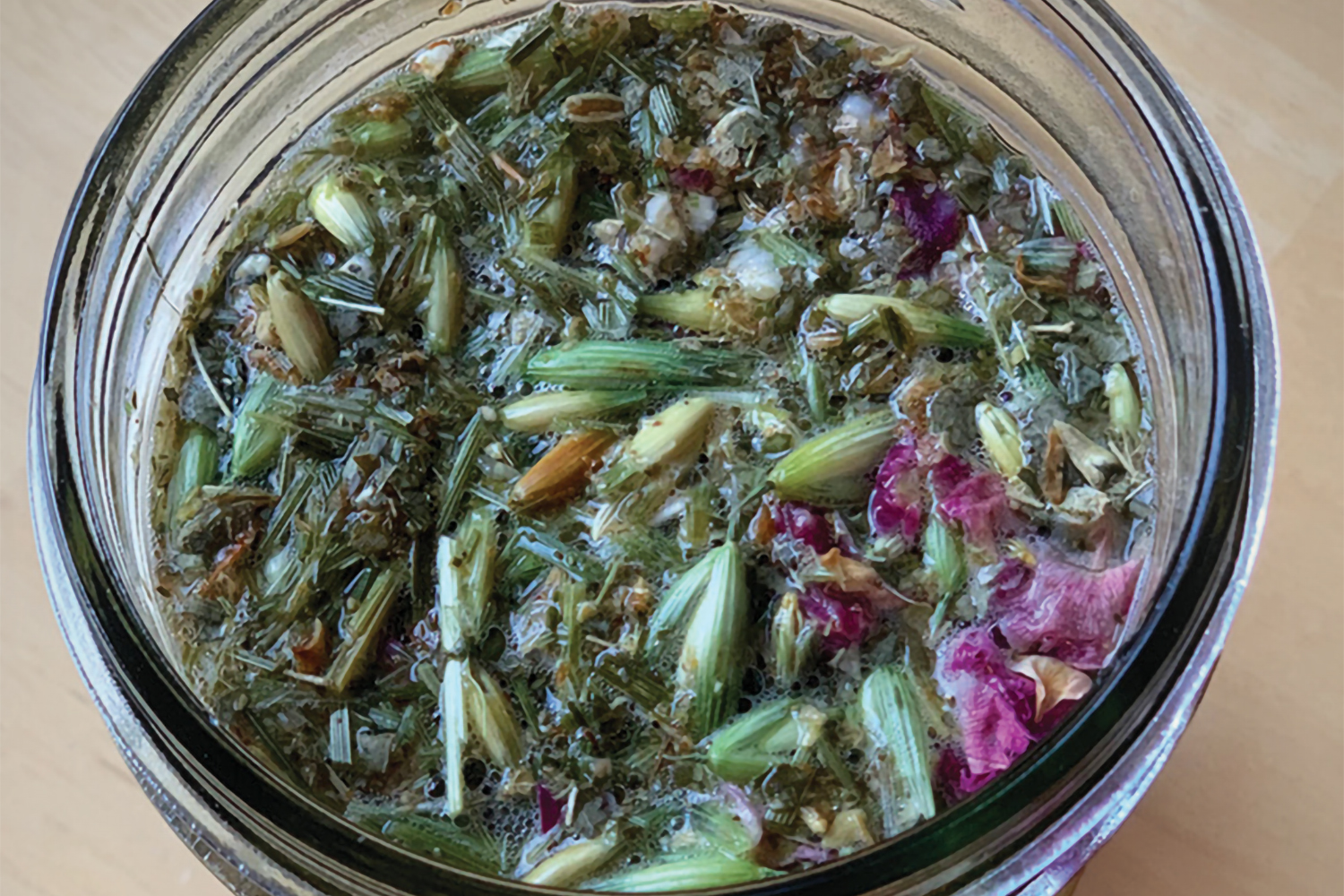
an herbal libido tea blend in a mason jar
Image courtesy of Maria Noël Groves, RH (AHG)
Prep Time
5 to 10 minutes, plus 1 hour steep time.
Number of Servings
Makes one 16 oz serving.
Ingredients
  • Basic Version

    • 2 Tbsp oat straw (soothing nutrition)
    • 1 Tbsp linden leaf and flower (gentle relaxation and moistening)
    • 12 tsp shatavari (hormone, libido, and stress support)
    • 2 tsp fennel seed (flavor)
    • 18 tsp nutmeg (flavor)
    • 2 tsp or a sprinkle of rose petals/buds (flavor)
  • Optional Additions

    • 14 tsp beet powder (pink color, sweetness, libido support)
    • 12 to 1 tsp damiana (calming, uplifting, hormone and libido tonic)
    • 1 tsp tulsi/holy basil (calming yet energizing, uplifting, flavor)
    • 1 Tbsp marshmallow root (cut/sifted, not powdered) (moistening, subtle sweetness)
    • 14 tsp vanilla extract (flavor, sweetness)
Directions
  1. Combine dry ingredients in a 16-ounce container. Cover with just-boiled water.
  2. Steep for at least 1 hour, though several hours (or overnight or throughout the day) is even better.
  3. Strain, squeezing out all the mucilaginous and nutritious goodness, and sip hot or cold, plain or with added sweetener and creamer. Oat milk with honey or maple syrup is quite nice.
Contributor

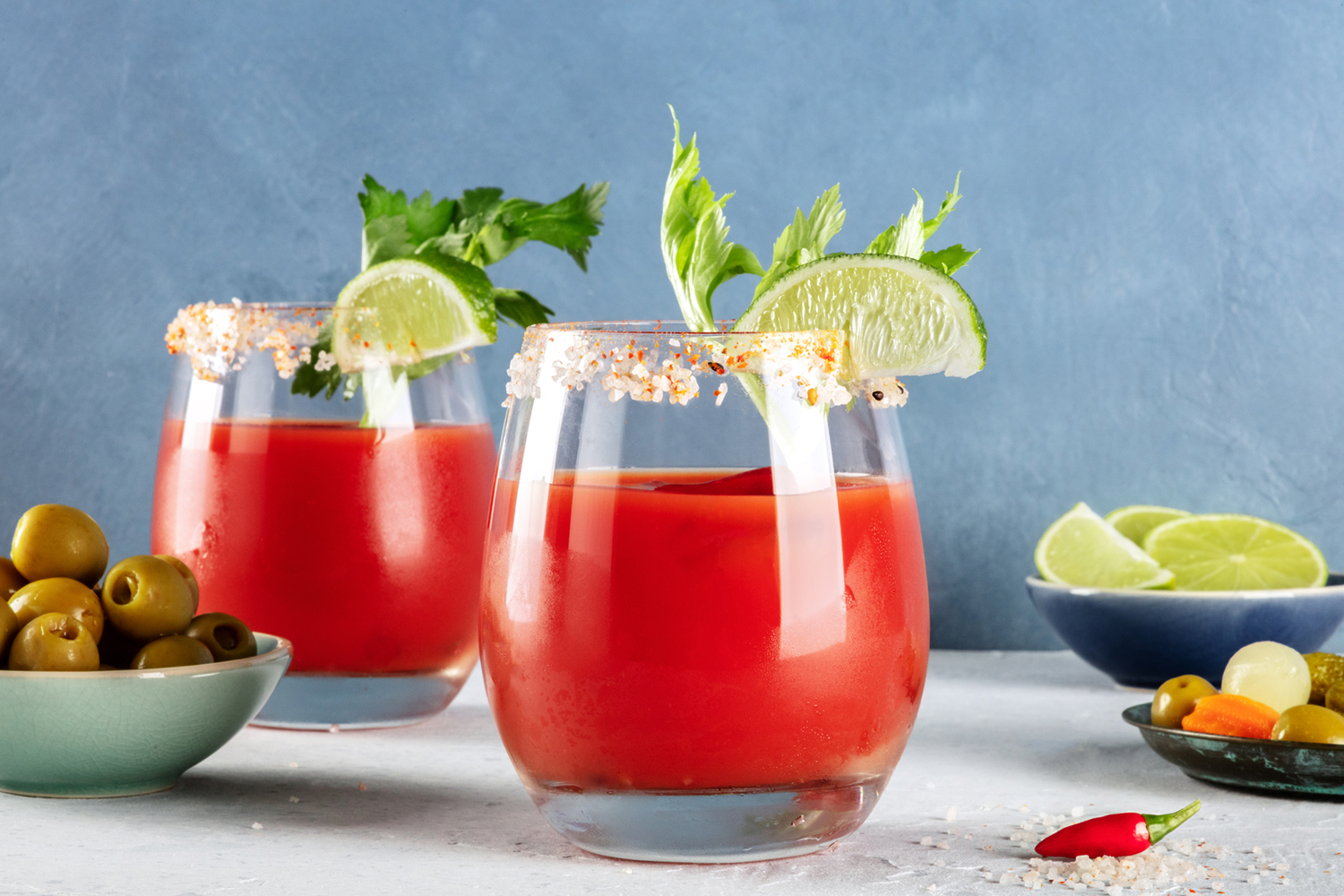
Bloody Mary Mocktail

By Derick Santiago
Recipe Source
Ingredients
  • 18 tsp salt for glass rim
  • 18 tsp ground black
  • pepper for glass rim
  • 1 lemon wedge for glass rim
  • 3 oz canned tomato juice
  • 2 oz cucumber juice
  • 12 oz lemon juice
  • 4 dashes hot sauce
  • 3 dashes Worcestershire sauce
  • Pinch salt and ground black pepper
  • Garnish, placed on one spear:
    • 1 lemon wedge
    • 3 cherry tomatoes
    • 1 cucumber ribbon
    • 1 jalapeño slice
Directions
  1. Combine the 18 teaspoon each of salt and pepper on a small plate. Wet half the rim of a highball glass using 1 lemon wedge. Dip wet part of rim in salt and pepper mixture. Set aside.
  2. In the larger part of a Boston shaker tin, combine juices, hot sauce, Worcestershire sauce, and the pinch of salt and pepper.
  3. Put some large cubes of ice in the smaller tin of the Boston shaker, and cover with a julep strainer.
  4. Pour contents of larger tin into smaller tin through strainer. Strain mixture back into larger tin. Repeat five times.
  5. Fill rimmed glass with ice cubes. Strain mixture into glass. Add spear of lemon, tomatoes, cucumber, and jalapeño for garnish.
Nutrition Info
40 Calories, 2 g Protein, 0 mg Cholesterol, 10 g Carbohydrates, 5 g Total sugars (0 g Added sugars), 2 g Fiber, 1 g Total fat (0 g sat), 443 mg Sodium, ★★★★★ Vitamin C, Vitamin B1 (thiamine), B6

Hold the hangover! If you're looking to get the full-on cocktail experience without the booze, in a fun and functional package, the Make It a Mocktail Recipe Deck is for you!

As more and more people embrace the alcohol-free lifestyle, the range of mocktail recipes continues to grow. From plays on classic cocktails to mocktails to new flavor concoctions, the options are endless.

The 50 mocktails in the card deck are divided by base alcohol-free spirit and perfect for a delicious drink anytime you want.

Contributor

Derick Santiago

The Mocktail Wiz

Derick Santiago, The Mocktail Wiz, always loved mixing drinks. He took a mixology class and always mixed drinks for his friends. When he decided to stop drinking, he thought he was going to give up this hobby until he realized that he could still make drinks that are balanced and complex without the alcohol!

Making zero-proof or virgin drinks is actually extra challenging, forcing him to be creative with the ingredients that he uses so it is not just merely a mixture of different juices but something that is balanced, something that can actually be thoroughly enjoyed.

Blue Zone Vegetable Quesadillas

By Grace O
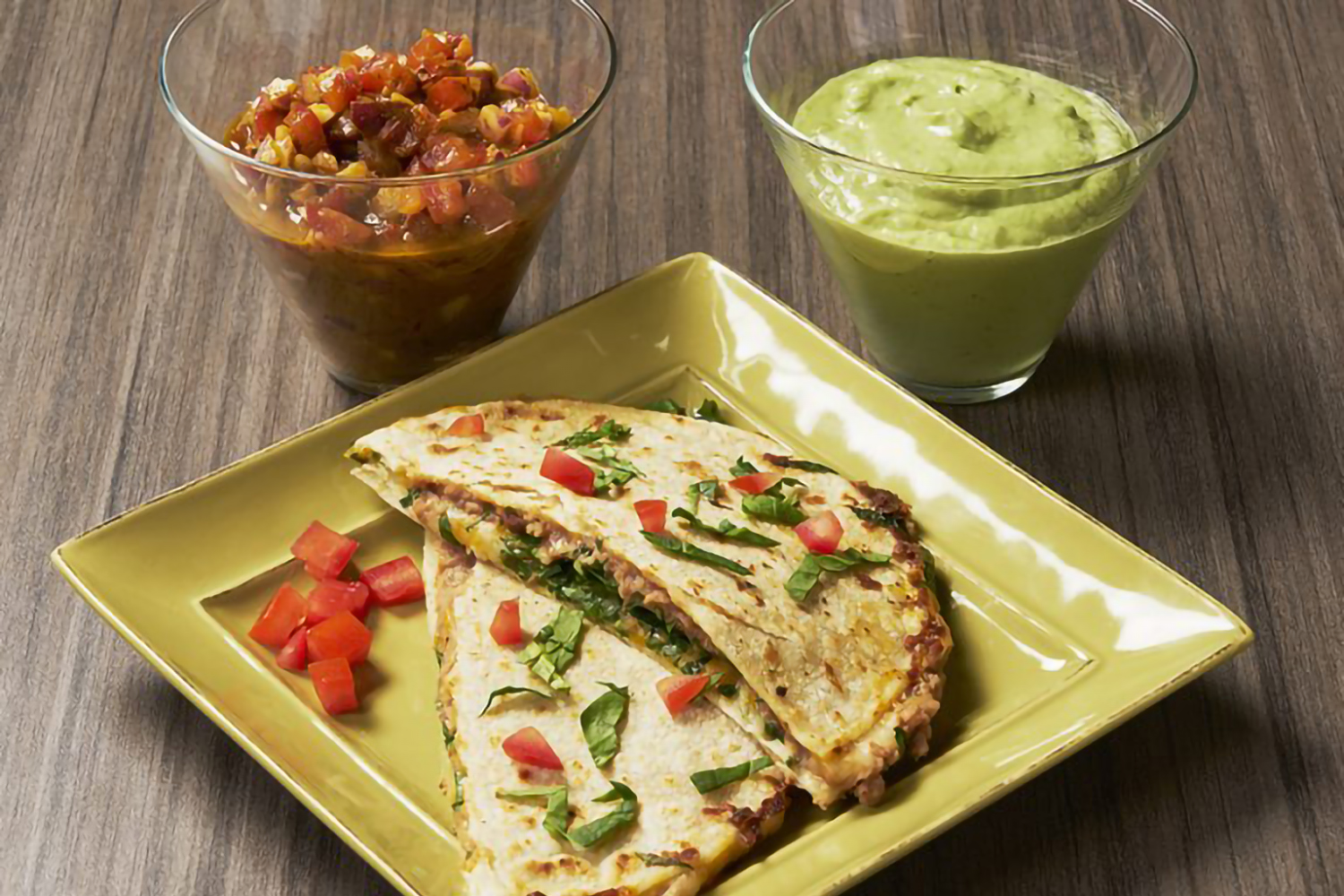
a healthy quesadilla with salsa and guacamole
Image courtesy of FoodTrients
Number of Servings
2 quesadillas
Recipe Source
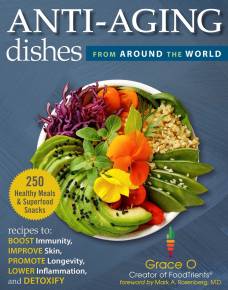
Anti-Aging Dishes From Around The World by Grace O ($40.00, Skyhorse Publishing, 2022)
Ingredients
  • Olive oil spray to coat
  • 4 (6-inch) corn tortillas
  • 1 cup shredded cheese (Mexican blend or Jack), divided
  • 1 cup vegetarian refried beans, divided
  • 1 cup roughly chopped fresh spinach, divided
Directions
  1. Coat a skillet lightly with the spray and warm over medium heat. Place 1 tortilla in the pan.
  2. Top with 14 cup cheese, 12 cup refried beans, and 12 cup spinach.
  3. Top the mixture with 14 cup of additional cheese and another tortilla.
  4. Press the top tortilla down lightly, then cook for 2 to 3 minutes on each side or until the quesadilla is golden brown and the cheese has melted.
  5. Move the quesadilla to a cutting board and cut into quarters.
  6. Repeat to make the remaining quesadilla. Serve hot with your choice of salsa and guacamole.
Nutrition Info
2 quesadillas: 484 Calories, 27 g Protein, 59 mg Cholesterol, 42 g Carbohydrates, 2 g Total sugars (0 g Added sugars), 9 g Fiber, 23 g Total fat (13 g sat), 839 mg Sodium, ★★★★★ Vitamin K, Calcium, Phosphorus, ★★ Vitamin A, Vitamin B2 (riboflavin), Vitamin B12, Zinc, Vitamin B6, Folate, Magnesium

Chef and author Grace O has traveled the world in search of delicious, good-for-you foods. Her passion for discovering food treasures from the Blue Zones and elsewhere, where people live longer, healthier lives, is the driving force behind FoodTrients and her new cookbook, Age-Defying Dishes of the World.

In her third cookbook, Grace O delivers all the hallmarks of her two previous award-winning cookbooks, and more. In addition to over 200 easy-to-make recipes using everyday favorites, exotic ingredients, and superfoods from around the world, Age-Defying Dishes of the World includes healthy resources, helpful guides, and tips for improving your lifespan and "health-span."

Contributor

Grace O

Grace O is the creator of FoodTrients, a unique program for optimizing wellness and longevity. She is the author of three award-winning cookbooksThe Age Gracefully Cookbook, The Age Beautifully Cookbook, and Anti-Aging Dishes From Around the World.

She is a fusion chef with a mission to deliver delicious recipes built on a foundation of anti-aging science and her 30 years in the healthcare industry.

Joint Help: Reducing Inflammation is Key

Discover healing herbs, nutrition, and supplements

By Rich Wallace

Stiff, swollen, inflamed joints are common ailments as we age. They’re also the hallmarks of osteoarthritis (OA), the most widespread joint disease.

Inflammation May Cause Osteoarthritis

Research finds that inflammation might be a cause of OA rather than a mere symptom.

OA is characterized by a breakdown of cartilage, particularly in the knees, hips, fingers, neck, and spine. Stanford University professor William Robinson, MD, PhD, says OA has long been viewed “as a matter of simple wear and tear, like the tires gradually wearing out a car.”

His research shows that chronic, low-grade inflammation of the joints is a significant factor in the development of OA. Targeting the underlying inflammation that occurs well before OA symptoms appear might be enough to prevent the condition from developing.

Cartilage Building Supplements

Reduce Inflammation with Glucosamine and Chondroitin

Dietary supplements such as glucosamine and chondroitin continue to be studied for their potential to support joint health and ease osteoarthritis (OA) symptoms. Recent reviews suggest these supplements can provide benefits. 

One large 2025 systematic review of 146 human studies found that most research reports positive outcomes for glucosamine and chondroitin in managing OA pain and joint discomfort, with a favorable safety profile and minimal adverse effects compared with placebo or standard treatments. 

Other analyses also suggest that these supplements may be more effective when combined with other therapies or nutrients. A 2024–2025 meta‑analysis found that glucosamine paired with anti‑inflammatory agents such as omega‑3 fatty acids or with ibuprofen significantly reduced knee OA pain compared with placebo, and combinations including chondroitin and methylsulfonylmethane also showed pain reduction benefits. 

However, results across studies still vary depending on factors like supplement formulation, OA severity, and study design, and not all combinations show strong efficacy in every outcome. 

Chondroitin Sulfate and Hyaluronic Acid Help Lubricate the Joints

Research indicates that chondroitin sulfate and hyaluronic acid can improve joint pain and mobility in people with OA. These compounds, along with glucosamine, are naturally produced by the body and are key components of cartilage and synovial fluid, which help lubricate and cushion the joints. They are widely available in capsules, tablets, powders, and liquids and are often taken together for added benefit.

According to Jorg Jerosch, MD, a review of these “chondoprotective” compounds supports their use in patients with OA. He notes that their effectiveness may be enhanced when combined with anti-inflammatory and joint-supportive nutrients, including omega-3 fatty acids, antioxidant vitamins A, C, and E, and trace minerals such as selenium, zinc, and copper.

Herbal and Nutritional Inflammation Fighters

Here are some other supplements that have been studied extensively for relief of joint pain.

  • Fish oil is rich in omega-3 fatty acids, which fight inflammation and are essential for many functions of the body and brain.
  • Gamma linolenic acid (GLA) is an omega-6 fatty acid, found in the oils of some plant seeds, including evening primrose, borage, and black currant. The body converts it into inflammation-fighting compounds.
  • Natural eggshell membrane (NEM) has been shown to relieve pain and stiffness in joints and connective tissues, with some studies reporting rapid improvement within seven days and ongoing benefits.
  • The spice turmeric and its chemical component curcumin have been shown to protect joints from inflammation and damage.
  • Herbs such as boswellia (also known as frankincense), ginger, and green tea extracts show promise in reducing inflammation in the joints.
  • Andrographis, devil’s claw, and white willow bark are other botanicals that some users find effective for joint pain.
  • For topical relief, consider gels or creams that contain capsaicin, the fiery extract of cayenne peppers, or homeopathic products.

Use Care When Using Supplements with Medications

Keep in mind that herbal supplements may cause side effects when they interact with prescription medications. Glucosamine, for example, can affect clotting agents. Herbs may also interact with medications that are prescribed before and after surgery. Be sure to discuss your use of supplements with your healthcare provider, especially prior to surgery.

And if you’re allergic to shellfish, be aware that supplemental glucosamine is usually extracted from crabs, shrimp, or lobsters. Ask your natural products retailer about plant-sourced glucosamine.

"Comparative efficacy of glucosamine-based combination therapies in alleviating knee osteoarthritis pain: A systematic review and network meta-analysis" by D. Sumsuzzman et al., Journal of Clinical Medicine, 12/5/24

"New Cochrane review of chondroitin for relieving pain in osteoarthritis," www.cochrane.org

Contributor

Rich Wallace

Staff Writer

GLP-1 Medications and Nutrition

How to fuel your body effectively

By The Taste for Life Staff

The pharmacotherapeutic agents known as glucagon-like peptide receptor agonists (GLP-1RAs or GLP-1s) have been in clinical use for about 20 years, but they’ve experienced a surge in popularity recently with the advent of newer formulations for weight management.

Commonly known by brand names such as Ozempic, Wegovy, Trulicity, Rybelsus, and Bydureon, these GLP-1 receptor agonists are prescribed primarily to help manage Type 2 diabetes and obesity. Research shows that GLP-1s can also improve blood pressure, cholesterol levels, and fatty liver disease, while reducing the risks of heart and kidney disease.

Some newer GLP-1 versions are designed specifically for weight loss. They work by mimicking a natural hormone made in your gut after you eat, which helps control blood sugar and makes you feel full sooner. They also interact with parts of the brain that regulate appetite and cravings.

Healthy Choices Can Help

If you’re taking a GLP-1 medication for weight loss and to improve metabolic health, it’s important to be aware of how these drugs can affect the quality and adequacy of macronutrient and micronutrient intake.

Those on GLP-1 medications have slower digestion, so they feel fuller for longer—even after consuming small portions. If a heavy or large meal is consumed, feelings of discomfort may occur, as can changes in appetite, taste, and digestion. For some on GLP-1s, food cravings no longer exist, and eating small portions is enough to feel satiated.

Some people experience constipation and nausea on these medications. Others report indigestion, diarrhea, vomiting, and delayed gastric emptying. These side effects can affect the variety of food consumed as well as the nutrients absorbed.

How to Eat for Fewer Side Effects on GLP-1s

  • Try eating a morning meal to help prevent an upset stomach. Include simple carbohydrates like toast or crackers.
  • If constipation is an issue, stay hydrated and include fiber with meals.
  • Don’t skip meals, even if the thought of eating is unappealing. Try food with more neutral flavors like a simple soup or a turkey sandwich. A protein smoothie is another good option.
  • If you find yourself experiencing an aversion towards meat consumption, which can be common on GLP-1s, try other protein-rich sources such as beans, tofu, eggs, or dairy.
  • Enjoy smaller-sized nutritious meals.
  • Be aware that fatty foods may cause nausea.
  • Drink enough water to stay properly hydrated.

Food Choices on GLP-1 Medications

These guidelines will help maintain muscle mass, nutrient intake, and digestive comfort.

  • Lean protein: about 30 grams (roughly 4-5 ounces of chicken, fish, tofu, eggs, or Greek yogurt)
  • Vegetables and fruits: at least 1 cup total, focusing on colorful, high-fiber options
  • Smart carbohydrates: 12 to 1 cup of whole grains, beans, or starchy vegetables (like sweet potatoes)
  • Healthy fats: small amounts for flavor and satiety, such as 1 teaspoon of butter or oil or a sprinkle of cheese or nuts.  

Protect Your Muscle While on GLP-1s

When taking GLP-1 medications, try not to fixate on restriction or eating perfectly. Make sure your choices keep you feeling full and energized.

You may want to consider dietary counseling by trained nutrition specialists to identify, correct, and manage nutritional issues.

It’s important to note that recent studies show up to 20 to 50 percent of the weight loss on GLP-1 medications can come from lean body mass, including muscle. Eating enough protein and doing regular strength or resistance exercises can help preserve muscle and keep your metabolism strong.

Top Supplements for People on GLP-1s

Since one’s appetite becomes suppressed on GLP-1 medications, getting enough nutrients is important to maintain muscles, energy, and a healthy gut.

In a large observational analysis of over 461,000 adults newly starting GLP-1 medications with no prior nutritional issues, about 22 percent developed nutritional deficiencies within one year. Vitamin D was the most common nutritional deficiency.

Researchers suggest monitoring for nutritional risks, including vitamin B12 deficiency when on GLP-1 medications. Reductions in levels of iron have also been reported. Future research is required to provide clear guidelines on monitoring and managing nutritional support for patients, but in the meantime, nutritional supplementation may help.

To help fill potential nutrient gaps from smaller meals, look for products scientifically formulated to support adults on GLP-1 medications. Available as sugar-free gummies, liquid drops, or capsules, many include vitamins B12 and D3, as well as minerals like calcium and magnesium to help support heart, nerve, bone, and tooth health.

If your diet is low in protein, a multivitamin that includes vitamin B12—and iron, if recommended by your healthcare practitioner—can help fill potential nutrient gaps. Because constipation can be a side effect of GLP-1 drugs, consider supplementing with fiber such as psyllium. Staying hydrated is important when you increase fiber intake.

Contributor

The Taste for Life Staff

The Taste for Life staff come from a wide variety of backgrounds and specialties. We believe learning is a life-long process, and love to share the knowledge we gain.

Homeopathy for Insomnia

Use gentle remedies for better sleep

By The Taste for Life Staff

Insomnia is a bit of a mystery. Sometimes it’s caused because of an exciting or depressing event. At other times, sleeplessness may be a side effect of a drug you’re taking or caused by caffeine or some other type of stimulant.

Caffeine lurks in certain sodas, aspirin compounds, decongestants, and pain relievers. Sometimes, however, insomnia’s cause is inexplicable.

Problems with Pharmaceuticals

Conventional drugs for insomnia may help you fall asleep, but ultimately lead you to awaken unrefreshed. To make things worse, these drugs can be addictive and often make it more difficult to fall asleep without them. Worse still, some of the most popular pharmaceuticals for insomnia can even cause a person to eat or drive a car with no memory of these actions.

Homeopathic medicines offer a safer alternative, though insomnia is usually best understood and treated as one symptom of an overall body/mind syndrome that requires “constitutional care.”

Homeopathic Medicines to Consider

The most effective way to use homeopathic medicines is to find the one remedy that matches the syndrome of symptoms being experienced. While chronic or severe insomnia may require a professional homeopath, there are some simple homeopathic medicines to consider for at least short-term benefit.

One of the most common homeopathic medicines for insomnia is Coffea cruda, which is a homeopathic dose of coffee. Coffea is indicated when a person feels mentally and physically overactive (these are the symptoms that nonhomeopathic ingestion of coffee is well known to cause). 

This remedy is also known to relieve insomnia in people who are anticipating something exciting that will be occurring in the near future and in people who have a constant flow of ideas that keep them awake. This homeopathic medicine is also useful for people who have taken a caffeinated product.

Other homeopathic medicines to consider include:

  • Ignatia (St. Ignatius bean): People with insomnia who have suffered from a recent grieving experience often benefit from this remedy. People who need this medicine tend to sigh or yawn frequently.
  • Nux vomica (poison nut): This remedy is indicated when insomnia results from consumption of alcohol, coffee, or drugs (therapeutic or recreational). Nux vomica is also useful for insomnia as a result of mental strain or excessive study. People who benefit from this medicine tend to be very irritable and wake up from the slightest noise. They may have difficulty falling asleep due to minor distractions.
  • Arsenicum album (arsenic): People with insomnia who suffer from various anxieties and fears often benefit from Arsenicum album. Typically, such people are very anxious and restless, usually needing to get out of bed to walk around. They feel too tired and anxious to go to sleep.
  • Gelsemium (yellow jessamine): People who feel anticipatory anxiety about an upcoming event tend to benefit from this remedy. These people tend to develop a dull and fatigued mind, making thinking an effort.
  • Kali phosphoricum adresses symptoms associated with mental fatigue such as difficulty concentrating, headaches, and occasional sleeplessness.
  • Passiflora incarnata relieves occasional sleeplessness.
  • Valerian officinalis targets sleeplessness with hypersensitivity to stress.
  • Passiflora (passion flower): This medicine has a long history of success in homeopathy and herbalism. If no other homeopathic remedy is obviously indicated, try this one. It’s most effective in lower potencies, such as 3X.

DOSE: Use the 6, 12, or 30th potency every 30 minutes for up to three doses. Consider another remedy if sleep does not occur. If insomnia is a chronic problem, seek professional homeopathic care.

Contributor

The Taste for Life Staff

The Taste for Life staff come from a wide variety of backgrounds and specialties. We believe learning is a life-long process, and love to share the knowledge we gain.

Heart Health Supplements

By Maria Noël Groves, RH (AHG)

Like a road map, your body has central arteries, secondary routes, and narrow, winding backroads. At the center of it all lies your heart, the capital city that pumps 2,000 gallons of lifeblood via electrical impulses and muscular contraction of approximately 100,000 heartbeats per day. 

No organ symbolizes life and humanity as exquisitely as this fist-sized muscle, and fortunately there’s much you can do to keep it functioning well.

Commonsense Approaches to Heart Health

First and foremost, a healthy diet, regular exercise, avoidance of toxic chemicals, stress management, and adequate sleep form the backbone of a heart-healthy routine. 

When it comes to diet, choose vegetables and some berries and fruit (ideally five to 10 servings per day), high-fiber legumes, nuts, seeds, and whole grains, cooked mushrooms, cold-water wild-caught fatty fish, and healthy fats from olive oil and avocados. Antioxidant-rich dark chocolate/cacao, green tea, and red wine/dark purple grape juice can be enjoyed in moderation.

Our best heart-tonic remedies easily cross the food-supplement divide.

Hawthorn Berries, Leaf & Flower

Hawthorn (Crataegus spp.) earned its reputation for heart health over thousands of years of traditional use alongside impressive modern clinical studies.

It offers not one but many beneficial actions for the heart and blood vessels. Hawthorn decreases oxidative damage and inflammation, normalizes and reduces blood pressure, modestly reduces cholesterol, dilates blood vessels, improves oxygen utilization, strengthens the structure and function of the heart, reduces blood stickiness (also known as platelet aggregation), protects against injury and helps with healing from cardiovascular events, improves heart rhythm, reduces chest pain and angina, strengthens the heart in congestive heart failure, and helps maintain smooth blood vessel lining.

Herbalists also use hawthorn flowers to open the heart’s emotions and heal from grief and a broken heart. Hawthorn blends well with rose blossoms, holy basil, lemon balm, and/or motherwort.

Double-check for herb-drug interactions. Notably, hawthorn may increase the hypotensive effects of ACE-inhibitor blood pressure medications like lisinopril. 

Besides that, hawthorn is very safe and well tolerated but takes steady doses for a month or longer for the effects to kick in. Consider it a long-term addition to your routine if you have heart disease or fear a family history of it. Solid extracts, standardized capsules, and formulas that combine all three parts are your best bets for potency.

Hibiscus Tea

This cranberry-like sour tea comes from the flower calyx of Hibiscus sabdariffa; it’s popularly consumed in Mexico and the Caribbean as “rosa de jamaica” and roselle and is frequently added to fruity and zinger commercial tea blends.

Several human studies have shown that hibiscus is one of our most effective yet safe herbal options for hypertension. It rivals popular hypertension medications captopril, lisinopril, and hydrochlorothiazide with good tolerability and without potassium loss in human studies.

Hibiscus also reduces bad cholesterol, triglycerides, and blood sugar. The dose is much higher than your typical cup of tea. Aim for 10 to 20 grams of dried hibiscus per day (spread out over one liter or several cups of tea), steeped for 30 minutes.

Though safe and food-like, it may alter and speed the clearance of some medications. Fruit acids in hibiscus tea can be corrosive to tooth enamel over time, so consider brushing your teeth or at least rinsing after you sip. 

Feel free to blend hibiscus with rooibos, another red-hued tea that has performed well in cardiovascular health studies, as well as hawthorn.

Garlic

Even though the “stinking rose” does not drop cholesterol and blood pressure numbers dramatically, it’s still a worthy daily heart tonic. 

Garlic has various beneficial actions for the heart and blood vessels. Alongside modest cholesterol and blood pressure reduction, garlic helps make the blood less sticky and thick (reduced platelet aggregation, atherosclerosis, inflammation, and fibrin). 

Garlic is a blood thinner and should not be combined with blood-thinning medications. Use it in food (chop and let sit 10 minutes) or pills. If you find garlic odor offensive or get digestive upset, try aged garlic extract.

Other heart remedies include omega-3 fatty acids (especially from fish oil and cold water fatty fish), high-polyphenol cacao, turmeric, and food doses of rosemary. Whether you take them as supplements or eat them regularly, they’re easy to include in your heart-healthy daily routine.

Contributor

Ginger Thermos Tea

By Maria Noël Groves, RH (AHG)
Ingredients
  • 1-inch chunk fresh ginger, thinly sliced or grated (no need to peel)
  • 16 ounces boiling water
  • optional ingredients:
    • 1 heaping tablespoon of honey
    • 2 squeezed fresh lemon wedges
    • 3 fresh thyme sprigs
    • 2 cinnamon sticks
    • 6 whole cloves
    • 1 star anise pod
Directions
  1. Prepare ginger
  2. Put in thermos with optional ingredients of choice
  3. Pour in boiling water and cover
  4. Let sit 30-60 minutes before drinking.
Nutrition Info

Per serving (made with honey and lemon): 79 Calories, 0 g Protein, 0 mg Cholesterol, 22 g Carbohydrates, 18 g Total sugars (17 g Added sugars), 0 g Fiber, 0 g Total fat (0 g sat), 21 mg Sodium, Vitamin C


Contributor

Ginger Honey

By Maria Noël Groves, RH (AHG)
Number of Servings
Makes about 2 cups
Ingredients
  • 1 large hand of fresh ginger root, clean and dry, thinly sliced
  • 2 cups honey (16 oz by volume / 20 oz by weight)
Directions
  1. Warm ginger and honey in a large saucepan, stirring frequently, until small bubbles begin to form.
  2. Turn off the heat, let cool. Leave the lid off (at least until it is cool).
  3. Repeat this at least three times over several hours.
  4. After the last heating, strain the ginger through a fi ne mesh strainer, and pour the honey into glass containers.
  5. Once cool, check the viscosity. If it’s more watery than honey, keep it in the fridge and use within a couple of months. If it’s as thick or thicker than honey, it should be shelf stable for at least a year.
Nutrition Info
Per serving (approximately 1 tablespoon): 89 Calories, 0 g Protein, 0 mg Cholesterol, 24 g Carbohydrates, 23 g Total sugars (23 g Added sugars), 0 g Fiber, 0 g Total fat (0 g sat), 2 mg Sodium
 
Contributor

Sweet Potato & Lentil Curry Stew

By The Taste for Life Test Kitchen
Prep Time
45 min prep time
Number of Servings
serves 4
Ingredients
  • 2 Tbsp coconut oil
  • 3 cloves garlic, minced
  • 2 tsp fresh ginger, minced
  • 2 tsp curry powder
  • 1 large sweet potato, peeled and cut into 12-inch cubes
  • 1 (14.5 oz) can diced tomatoes
  • 1 cup red lentils, rinsed and drained
  • 1 (13.5 oz) can lite coconut milk
  • 2 cups vegetable stock
  • Salt and freshly ground black pepper
  • 12 cup chopped cilantro
  • 1 lime, cut into wedges
Directions
  1. Heat oil in a large pot over medium heat. Add garlic, ginger, and curry powder and cook for 1 minute. Add sweet potato and tomatoes and their juices.
  2. Stir in lentils, coconut milk, and stock. Bring mixture to a simmer. Reduce heat to medium-low. 
  3. Cover pot and cook for 30 minutes, stirring occasionally, until sweet potatoes are tender and lentils are soft.
  4. Season to taste with salt and pepper. Stir in chopped cilantro. Serve with lime wedges.
Nutrition Info
Per serving: 364 Calories, 14 g Protein, 46 g Carbohydrates, 9 g Fiber, 14 g Total fat (11 g sat), 357 mg Sodium, ★★★★★ Folate,  ★★★★​ Vitamin B1 (thiamine),  ★★★​ Vitamin A, B3 (niacin), B6, ★★ Vitamin C, Iron, Phosphorus,   Vitamin B2 (riboflavin), K, Magnesium, Potassium, Zinc
Contributor

The Taste for Life Test Kitchen

The Taste for Life staffers have a wide variety of backgrounds and dietary needs. We're always experimenting in the kitchen, and love to share what we cook—and what we learn in the process.

Don't Miss a Thing!


Get the latest articles, recipes, and more, when you sign up for the tasteforlife.com newsletter.

Hot Product

Lancaster County Crafted Furniture

Lancaster County Crafted Furniture

Lancaster County Crafted is a small woodworking company nestled in the farmlands of Lancaster County, PA. With the help of the local, plain community we build handmade wood items that we are proud to bring to the market.