Ginseng, the Herb of Power and Longevity

By Cheryl Myers
We host blogs from some of the leading voices in natural health and wellness. Opinions and views expressed by the author are their own, and do not necessarily represent those of Taste For Life or its editorial staff. Please contact Cheryl Myers with any questions about this content.

I cannot think of ginseng without conjuring the image of Indiana Jones. Both are often found in the depths of the forest, both are brilliantly adaptive to all situations, both are constantly under attack, and both are powerful enough to survive and thrive. Both are exotic, mysterious, and dare I say, quite good looking—although one has been respected for over 5,000 years, and the other... not so long.

Ginseng is a plant with a root shaped like a human. In fact, the Chinese character for ginseng begins with the ideogram for human. It has also been called the man root, because ginseng harvesters think the root is man-shaped, and also because it is purported to be full of manly virtues. I don’t like this characterization as much, because ginseng is every bit as beneficial for women as for men.

One myth claims that there was a beautiful celestial woman who loved to descend to bathe in the pools in the Changbai mountains in Northeast Asia. Her father was not happy with his daughter’s mountain visits, especially when she fell in love with and married a mortal. Soon thereafter, a lethal epidemic threatened her home and village. She scattered magic seeds all through the forest, and the seeds sprouted into a plant that could cure everyone. Again, her father was displeased, and he imprisoned his daughter in a cave. Her beloved husband died of grief. Not exactly a happy ending to this fairy tale! I am not sure how many, if any, other herbs have this level of mythology, reverence, and history attached to their origin story.

Ginseng is incredibly powerful. It is also incredibly valuable, with large roots worth more than their weight in gold, even to this day. It is so valuable that Emperors of China have gifted jewels and honors to hunters finding unusually old specimens. At one point, all ginseng was reserved for use by the royal family, and commoners were not allowed access to this plant medicine.

Ginseng (Panax ginseng) originated in Asia and is in a class of herbs called adaptogens. Adaptogens boost an individual’s physical and psychological adaptability, creating strength to respond to dangers such as extreme heat, cold, viral infections, injuries, psychological stressors, and even aging itself.

Types of Ginseng

Panax ginseng is not American ginseng (Panax quinquefolius). They are cousins, but their health benefits differ. This article focuses on Panax (Asian) ginseng.

Red and White Ginseng

You may hear debate about white or red ginseng. While both forms come from the same plant, white ginseng is very minimally prepared, which means that it’s beneficial compounds, including ginsenosides, ginsans, and gintonins, are too bound up in the plant’s cell walls to be of much use.

Red ginseng, by contrast, is steamed, which breaks down some of the cell walls and gives the root powder a characteristic red/brown appearance. While all ginseng has some benefits, the majority of studies show that the steamed form, called red ginseng, is the most medicinally useful.

Benefits of Red Ginseng

  • Energy, Stamina, Focus

    One area where red ginseng shines is in energy and stamina. It is not a stimulant like caffeine. Instead of acting as a stimulant, ginseng prevents fatigue in the first place. That means people can have a long-term boost without jitteriness. It also improves concentration.

    A clinical study found that red ginseng helps stressed people do detailed tasks with better accuracy and speed. The people in this study worked in stressful jobs such as telephone communication, engineering, and information technology. People in these fields can become overloaded with cognitive tasks, leading to a drain of mental energy and focus. Because of that, attention and accuracy were two of the main areas of investigation of the study.

    One group consumed a form of red ginseng with high levels of ginsenosides (HRG80) while the other used a placebo. Participants took either red ginseng or placebo in the morning. They were asked to do a tedious error-finding cognitive task before work and after work. The expectation was that after a hard day of multiple cognitive demands, individuals would make more errors.

    That is exactly what happened in the placebo group. That group made 11 more errors in the task at the end of the day than in the beginning. But in the red ginseng group, participants actually performed better than when they were fresh in the morning. Even after a grueling day, they made an average of 5 less errors!

  • Response to Stress

    Ginseng also strengthens our ability to withstand stress.

  • Mood

    Depression, anxiety, even cognitive changes and memory impairment, are related to an unhealthy brain environment with excessive inflammation and oxidative stress. Red ginseng contains ginsenosides that are able to protect brain cells from these destructive forces. Research has found that red ginseng helps keep our brain (and subsequent mood) healthy by preventing the death of brain cells.

    Ginseng’s activities include boosting nitric oxide production to keep blood flowing efficiently in both the body and brain, hormone signaling that is associated with clarity and focus, neural cell regeneration, and anti-inflammatory actions that reduce threats to vulnerable brain wiring.

    A Korean human clinical study found that red ginseng significantly improved depression symptoms, including those physiological symptoms such as the physical slowdown that people suffering from depression so often feel.

  • Longevity

    Traditional Chinese Medicine (TCM) doctors have always considered ginseng a longevity herb for both men and women, especially as they age. This has been borne out by modern science. Preliminary animal research has shown that daily use of ginseng can extend life by 14 percent or more. A human study of people with HIV-type 1 showed significant improvements in long term survival.

  • Women’s Health

    There are studies on red ginseng and women’s health, including energy, focus, concentration, cancer, and menopausal symptoms, that have shown the safety and efficacy of this herb. One area of menopausal concern that responds well to red ginseng is mood.

    Also, as women age, they may experience unwanted changes in sexual function and libido. Red ginseng (Panax ginseng) can help restore vigor, receptivity, desire, and enjoyment. There is growing research that shows it is extremely helpful for women with reduced libido.

    Women in a placebo-controlled, double-blind clinical study reported that red ginseng significantly improved their sexual arousal and desire. The success of red ginseng was strong enough for researchers to consider that the herb may be used as an alternative to prescription medication for women to improve intimacy and libido.

    Other clinical work showed that red ginseng also boosted a sense of well-being, reduced menopause symptoms, and increased arousal, orgasm, and overall sexual satisfaction as well.

  • Erectile Dysfunction (ED)

    According to the National Institutes of Health (NIH), about 30 million American men deal with erectile dysfunction (ED), which is often related to circulatory issues that impede blood flow.

    Scientific research on red ginseng shows that it can be very effective for ED. One double-blind, placebo-controlled study reported that men with mild to moderate ED noted a significant improvement on the Erectile Function Scale – from 16.4 to 21.0. The placebo group showed no improvement.

    The researchers in this study also stated that ginsenosides may work through some of the same brain pathways and receptors as GABA, dopamine, and serotonin – brain neurotransmitters that are heavily involved in mood and desire.

    Other clinical studies of red ginseng have demonstrated strong benefits, resulting in improvements in every parameter of sexual performance and a significant reduction of ED.

    Red ginseng increases stamina, balances hormonal health, and promotes the dilation of blood vessels by activating nitric oxide – the body’s “on switch” which circulatory activity in the penis to achieve sexual satisfaction.

  • Cancer and Immunity

    There are more than 1,400 published studies listed in the electronic database of the NIH, called PubMed, specifically on ginseng and cancer. Not only does ginseng help to prevent cancer by protecting the DNA inside our cells to keep it from dangerous mutations, it also helps people who have cancer or are recovering from cancer treatment. In addition to helping prevent/slow the spread of cancer, it helps enormously with cancer fatigue.

    Likewise, there are over a hundred studies on ginseng and viral illness, including prevention, survival, and accelerated recovery. There are studies on hepatitis B, enterovirus respiratory tract infections, and much recent focus on its effectiveness in COVID-19. Ginseng has also been shown to be effective against many bacterial illnesses as well.

The Tragedy of Wild Ginseng

Humans have loved wild ginseng almost to death.

The demand for ginseng has eliminated most of the wildcrafted sources, and now it is grown on farms, many of which are in Northern China and Korea. Unfortunately, farmed ginseng has many challenges, as the cultivated plant is sensitive to weed competition and a variety of insects.

In order to assure a commercially successful crop, a wide variety of herbicides, pesticides, and fungicides are used on farmed ginseng crops. An article published in Horitcultural Science lists 15 chemicals applied at different stages of the growing process to control such pests as cutworms, slugs, nematodes, gray mold, and root rot.

Also, ginseng plant cultivation takes a long time – about six years between harvests to produce even a minimally effective ginseng. Slow growth allows time for the roots to absorb toxins and pollutants in the soil. Red ginseng has become notorious for contamination with toxins.

Good News: Hydroponics

Because of these concerns, new ways to grow ginseng have been investigated and developed. Researchers in Belgium are using novel hydroculture growing techniques that result in a much cleaner, more powerful ginseng.

Researchers have recently learned that specific compounds in ginseng, called noble ginsenosides, are not only better absorbed by the body, but have specialized, energizing effects. Noble ginsenosides are found in small amounts in ginseng. One of the problems with modern ginseng cultivation is that it robs the plant of its levels of noble ginsenosides, too. They just aren’t present at levels that may have been the norm for wild ginseng.

Also, there are no benefits from ginsenosides if they cannot be absorbed. Noble ginsenosides are the smaller, easier to absorb, more effective, and most rare of the beneficial compounds from ginseng. They are 17 times easier to absorb.

Whole Root Red Ginseng

While there are commercial red ginseng extracts that focus only on ginsenosides, whole root red ginseng powder offers a high concentration of noble ginsenosides plus synergistic compounds including gintonin and ginsan.

Whole root powder means the full spectrum of ginseng compounds are present, and have superior benefits.

Ginseng for... Everything?

Because red ginseng works in ways that impact nearly all bodily systems, it can be used for the vast majority of health concerns and illnesses. It would be difficult to find a health problem for which red ginseng would not be useful!

“Antifatigue effects of Panax ginseng C.A. Meyer: A randomized, double-blind, placebo-controlled trial” by H.G. Kim et al., PloS One, 4/13

“Characterization of Korean Red Ginseng (Panax ginseng Meyer): History, preparation method, and chemical composition” by S.M. Lee et al., Journal of Ginseng Research, 10/15

“Effect of Korean Red Ginseng intake on the survival duration of human immunodeficiency virus type 1 patients” by Y.K. Cho et al., Journal of Ginseng Research, 4/17

“Effects of ginseng on stress-related depression, anxiety, and the hypothalamic-pituitary-adrenal axis” by S. Lee et al., Journal of Ginseng Research, 2017

“Effect of Korean Red Ginseng as an adjuvant treatment for women with residual symptoms of major depression” by H.G. Jeong et al., Asia-Pacific Psychiatry, 9/15

“Effects of Korean ginseng berry extract on sexual function in men with erectile dysfunction: A multicenter, placebo-controlled, double-blind clinical study” by Y.D. et al., International Journal of Impotence Research, 3-4 2013

“The effect of Korean red ginseng on sexual function in premenopausal women: Placebo-controlled, double-blind, crossover clinical trial” by H.S. Chung et al., Evidence-Based Complementary and Alternative Medicine, 2015

“Effects of Korean red ginseng on sexual arousal in menopausal women: placebo-controlled, double-blind crossover clinical study” by K.J. Oh et al., Journal of Sexual Medicine, 2010

“Effect of red ginseng on genotoxicity and health-related quality of life after adjuvant chemotherapy in patients with epithelial ovarian cancer: A randomized, double-blind, placebo-controlled trial” by H.S. Kim et al., Nutrients, 2017

“Effects of red and white ginseng preparations on electrical activity of the brain in elderly subjects: A randomized, double-blind, placebo-controlled, three-armed cross-over study” by W. Dimpfel et al., Pharmaceuticals, 2021

“Efficacy of Panax ginseng Meyer Herbal Preparation HRG80 in Preventing and Mitigating Stress-Induced Failure of Cognitive Functions in Healthy Subjects: A Pilot, Randomized, Double-Blind, Placebo-Controlled Crossover Trial” by P.A. Mariage et al., Pharmaceuticals, 2020

“Ginseng for managing menopausal woman’s health: A systematic review of double-blind, randomized, placebo-controlled trials” by H.W. Lee et al., Medicine, 2016

“Immunomodulatory activity of ginsan, a polysaccharide of Panax ginseng, on dendritic cells” by M.H. Kim et al., Korean Journal of Physiology & Pharmacology, 2009

“Protective effects of ginseng on neurological disorders” by W.Y. Ong et al., Frontiers in Aging Neuroscience, 7/15

Contributor

Cheryl Myers

Cheryl Myers, RN, is an integrative health nurse, author, and expert on natural medicine. She is a nationally recognized speaker who has been interviewed by the New York Times, Wall Street Journal and Prevention magazine. Her articles have been published in Aesthetic Surgery Journal and Nutrition in Complementary Care, and her research on botanicals has been presented at the American College of Obstetrics and Gynecology and the North American Menopause Society. Follow Cheryl on Facebook! 

Autumn Immunity Tips to Ward Off Virus & Respiratory Issues

By Ann Louise Gittleman, Ph.D., C.N.S.
We host blogs from some of the leading voices in natural health and wellness. Opinions and views expressed by the author are their own, and do not necessarily represent those of Taste For Life or its editorial staff. Please contact Ann Louise Gittleman, Ph.D., C.N.S. with any questions about this content.
This content originally appeared on annlouise.com

As we head into fall, our focus shifts to protecting our immunity as cold and flu season nears, focusing on your diet and how you can use nutritious foods to nourish yourself at this time is vital. We break down what to add to your diet and lifestyle in this transitionary season.

Autumn signals a time of change – in weather, daylight, and temperatures. Days are shorter and the nights are cooler. As the colors of summer are stripped from the trees and quietly transformed to deep, rich hues, you are reminded that winter is nearing, and you need to prepare.

It’s the ideal time to begin to slow down, storing your energy for the upcoming cold months and take time to enjoy as much natural sunlight as you can before the darker days of winter arrive.

Emotionally, you learn to let go and open yourself up to change as you pause to reflect inward. Physically, you need to take special care of the two vital organs of this season, the lungs and large intestines.

Lung Health - Your First Line of Defense Against Respiratory Issues

Your lungs – along with the bronchial tubes, throat, sinuses, and nose – are a major detox pathway. They are your first line of defense against unhealthy air; they hold the key to respiration. Your lungs act as the go-between for the internal and external environment, inhaling oxygen and exhaling carbon dioxide through their pulmonary capillaries. As the only internal organ to interact with the outside environment, your lungs are vulnerable to dryness and certain weather conditions. So, it’s always best to protect them from cold and damp weather by keeping your chest, neck, head, and feet warm.

Every function of your body relies for existence on the oxygen intake of the lungs, In fact, each cell performs as a miniature lung by taking in oxygen from the bloodstream and eliminating carbon dioxide, which is then carried back to the lungs. That’s why it is so essential for your lungs to have good quality air that is clean, moist, warm, and rich in oxygen. When your lungs aren’t functioning properly, your body accumulates heat, propelling other health issues into motion, resulting in poor circulation, night sweats, excessive perspiration, fatigue, and listlessness. Estimates indicate that 92 million of us nationwide (that is more than 1 out of 3) already struggle with at least one of the more common chronic respiratory diseases: sinusitis, allergies, bronchitis, and asthma.

A Healthy Gut Equals Healthy Immune System

Equally important to your health and detox process are your large intestines, which also need your special attention during autumn. Lying along the outer edge of the abdomen, your large intestine is divided into three parts: a caecum, where your appendix is attached; colons – ascending, transverse, descending, and sigmoid; and the rectum. This five-foot, often-overworked organ absorbs water and finishes nutrient absorption so its blood vessels can transport it to the liver for further metabolism. The main function of your colon is to gather your body’s putrefied toxins and eliminate them via peristalsis so the entire system can work without undue stress.

Your gut is like a fortress, maintaining a protective environment where food can be broken down and fed to voracious cells waiting for much-needed nutrients. Its thin mucous membrane absorbs vital nutrients and expels toxins. In a healthy gastrointestinal tract, there are literally trillions of bacteria – good and bad ones. As long as they stay in balance, things are fine. So, to keep your detoxification pathways healthy and your healthy bacteria count high, it is imperative to follow a diet designed for autumn detox, which will help you to cleanse your system by expelling toxins from the large intestine, thereby helping to prevent autointoxication.

Foods to Ward Off Virus & Respiratory Issues

Fenugreek tea is the autumn herbal tea of choice because it is so effective as a lubricant; it softens and dissolves mucus in the lungs and moistens the intestinal tract to prevent constipation. Other lung-protecting herbs include usnea, which the Native Americans fondly named “the Lungs of the Earth,” because it works against “bad” bacteria like staphylococcus, streptococcus, pneumococcal pneumonia, and mycobacterium tuberculosis; osha, which is a powerful aid for bronchial irritations and has immune-stimulating properties; mullein, which has long been associated with alleviating pulmonary problems because it is an expectorant; and lobelia, a strong bronchial dilator and antispasmodic useful for overall lung congestion and asthma.

Autumn spices include warming cinnamon, cloves, nutmeg, and anise, which not only are deliciously aromatic but also help to prevent indigestion, gas, and cold hands and feet. Anise is a lung remedy as well, known to help bronchial disorders and asthma. Your autumn tea, herbs, and spices all help to support intestinal and respiratory function and to alleviate dampness.

The harvest season is the time to decrease your intake of cooling summer foods and to add more cooked and warming foods (like velvety okra and crunchy snow peas) into your eating plan in preparation for winter. It is also the season to reduce your fruit intake from three portions to two because fruits are especially cooling to the body. We need more warmth now.

Now is the time to enjoy more bull-bodied, richer foods like nuts and seeds, eating them as snacks or adding them to stir-fries and stews. Enjoy heartier, more sustaining foods that will be warming and help protect you from cooler, and often damper weather. For autumn detox, consume foods like sauerkraut, which protects the GI tract. Also, make this special Apple Cider Vinegar Healing Tonic to enjoy morning and evening throughout the autumn season:

Apple Cider Vinegar Healing Tonic

  • 8 ounces of filtered water
  • 1 tablespoon organic, unfiltered, raw apple cider vinegar
  • 2 teaspoons of GI, lung and liver supporting Daily Greens
  • A pinch of Ceylon cinnamon

Mix ingredients together and enjoy these benefits:

  • Balances the body’s pH
  • Provides easily available potassium so helpful to mineral balance and balanced detoxification
  • A natural antiseptic for overall health, including respiratory health
  • Provides overall digestive support

Other Nutritional Tips

  • Use organic beef and chicken bone broth for special dishes that require liquids for basting or sautéing.
  • Increase your menu options and choose from a large variety of fiber-rich harvest vegetables as colorful as the autumn leaves.
Contributor

Ann Louise Gittleman, Ph.D., C.N.S.

Ann Louise Gittleman, PhD, is a New York Times award-winning author of 30 books on detox, health, and healing, including the international bestselling Fat Flush Plan and Zapped! Visit her blog and join her online Fat Flush Community.

Effectively Treating Persistent Post-COVID-19 Symptoms

Including Fatigue and Fibromyalgia

By Dr. Jacob Teitelbaum, MD

In partnership with From Fatigued to Fantastic, LLC

We will proudly continue our mission to provide our audience with information about general health and wellness during these stressful times. For medical information and guidelines specific to COVID-19 and its effects, please refer to the Centers for Disease Control, and seek medical attention if you are showing signs or symptoms of infection. We also recommend you read their recommendations for if you are sick from COVID-19.

Finding yourself with insomnia despite being exhausted? Have cognitive dysfunction (which has been termed “brain fog”)? Widespread achiness?

These are symptoms of chronic fatigue syndrome and fibromyalgia (CFS/FMS), which can be caused by dozens of infections. Unfortunately, the research is suggesting that, in a large percentage of cases, COVID-19 is triggering persistent symptoms and debilitation. This has been termed Long Hauler Syndrome.

In the majority of cases, COVID symptoms should mostly be gone after six weeks. If you continue to feel poorly beyond two months, the COVID-19 virus may have tripped a circuit breaker in your brain called the hypothalamus. This circuit breaker controls sleep, hormones, and numerous other systems.

The classic symptoms? Severe exhaustion and insomnia, especially if combined with brain fog and even widespread pain. This combination is fairly diagnostic for chronic fatigue syndrome and fibromyalgia. Dozens of other symptoms may also be present, including shortness of breath and heart palpitations.

People generally feel like a train wreck. I know I did when I came down with postviral CFS/FMS while in medical school in 1975. It knocked me out of school and left me homeless for a good part of a year. Fortunately, I learned on my own how to recover. Since then, I have published numerous books, textbook chapters, and studies on how to effectively treat postviral chronic fatigue syndrome. I have also successfully treated thousands of people worldwide with this condition.

Begin with the SHINE Protocol

The key is optimizing energy production and addressing other issues triggered by the COVID-19 infection. Optimizing healthy energy production can be done effectively using what we call the SHINE Protocol. This addresses sleep, hormones, infections, nutritional support, and exercise as able. Our published placebo-controlled study showed that by doing so, 91 percent of people improved with an average 90 percent increase in quality of life. Four other studies I have published also show that numerous other treatments can be helpful.

Begin by taking a good high-potency multivitamin with ribose powder (5 grams, two to three times a day). A free online quiz can assess your symptoms, and even lab tests if available, to tailor a protocol for you using the SHINE Protocol. Bring the printout to your local health food store so they can help you get the supplements you need.

The new fourth edition of my book From Fatigued to Fantastic ($22, Penguin/Avery, 2020) will offer more guidance on how to recover.

Optimizing Heart and Lung Function

Addressing persistent immune, lung, and heart dysfunction is also important. This can be done using a mix of natural and prescription treatments. For example, you can obtain a very low dose of naltrexone—3 to 4.5 milligrams (mg) a night—from a holistic physician to help rebalance immunity.

Support to settle down the immune system can also be helpful. For this, I recommend bioavailable forms of curcumin as well as 20 to 40 mg of zinc a day.

Cardiac involvement is seen in 78 percent of COVID-19 cases. For persistent heart dysfunction, ribose combined with coenzyme Q10 (CoQ10), magnesium, and high dose B vitamins can markedly improve cardiac function. Antioxidant support is also important.

For those who experienced neurologic symptoms, micro bleeds and clots along with microglial activation in the brain may have occurred. Recovery can be improved with a mix of antioxidants, omega-3 fatty acids to thin the blood, and the low dose naltrexone mentioned earlier.

These represent the tip of the treatment iceberg. There is much that can be done. It requires a comprehensive assessment of each individual case, which usually takes at least three hours of the physician’s time. 

Unfortunately, being a complex condition, it may take several years for most physicians to be properly trained in addressing persistent post COVID-19 symptoms. It is best to look for a specialist who specifically works with fibromyalgia, as they may be much more familiar with the area and treatments. Generally, you are much more likely to be able to be helped by a holistic physician.

A large body of helpful information can also be found online at Vitality 101.

Persistent post COVID-19 symptoms can be treated effectively but require a large degree of experience on the part of the physician. Fortunately, much of what is needed to help you recover can be done on your own.

Contributor

Dr. Jacob Teitelbaum, MD

Jacob Teitelbaum, MD, is one of the most frequently quoted long COVID, fibromyalgia, energy, and pain medical authorities in the world.

He is the author of 12 books, including the bestselling From Fatigued to Fantastic and the popular free Smart Phone app Cures A-Z. He is the lead author of eight studies on effective treatment for fibromyalgia and chronic fatigue syndrome.

Dr. Teitelbaum appears often as a guest on news and talk shows nationwide including Good Morning America, Oprah & Friends, CNN, and FoxNewsHealth.

You might also like...

Fast Fixes for Hormone Harmony

By Ann Louise Gittleman, Ph.D., C.N.S.
We host blogs from some of the leading voices in natural health and wellness. Opinions and views expressed by the author are their own, and do not necessarily represent those of Taste For Life or its editorial staff. Please contact Ann Louise Gittleman, Ph.D., C.N.S. with any questions about this content.
This content originally appeared on annlouise.com

“I can’t lose weight because my hormones are out of whack.” I have heard this sentiment from countless female clients. Women suffering from fatty liver, prediabetes, high cholesterol, gallbladder problems, and depression feel powerless in their struggle to lose weight and feel healthy.

Hormonal imbalance has long been to blame for unexplained weight gain. As we age, many factors can upset the delicate balance between our hormones.

Why is it then, after addressing these factors, some of us still have difficulty losing weight?

Why Hormones Need to Be Reset

It’s simple. Every hormone is a key that must turn a lock in order to be effective. These “locks” are called receptor sites. Inflammation—from a variety of seemingly unrelated factors—can alter the shape of our receptors, making our hormonal “keys” ineffective.

Here are the hidden sources that can clog up receptor sites and “gum up” your system:

  • Constant exposure to xenoestrogens (estrogen mimics) in our diet, environment, and even our personal care products.
  • Sugar, alcohol and caffeine intake (coffee, black tea, green tea, and white tea).
  • High fructose intake (even from natural foods like unsweetened applesauce and tomatoes).
  • Stress, EMFs (electromagnetic frequencies) and sleep deprivation.
  • “Grain Drain” from wheat, rye, barley, and corn based products (which are usually genetically modified, to add insult to injury).
  • Meat, dairy and eggs from animals treated with growth hormones

Your Personal Hormone Tune-Up

By making a few tweaks in your daily routine you can easily re-shape your receptors for a personal hormone tune-up, resulting in lasting weight control and well-being.

Estrogen is the ultimate hormone magnet for sodium and fat. When out of balance with its sister hormone progesterone, estrogen dominance creates an increase in water retention, migraines, memory lapses, and will promote fat storage around hips and thighs. It can even accelerate aging!

  • Topical Progesterone crème can help offset estrogen dominance.
  • Reduce copper-rich foods like chocolate, nuts and seeds, soy, avocados, and shell fish. Copper is closely associated with estrogen, so women using copper IUDs or birth control pills are at high risk for estrogen dominance.
  • Wash fruits and vegetables thoroughly to remove estrogen-mimicking pesticides, fungicides, and herbicides.
  • Do not re-heat food in plastic containers, and choose a water bottle made of glass or stainless steel rather than plastic.
  • Avoid personal care products that include endocrine disruptors like parabens and phthalates.
  • Sweep away excess estrogen by using two tablespoons of lignan-rich toasted cold milled flaxseeds each day, sprinkled on your food or blended in smoothies.
  • Season soup, stew, chili or other bean dishes with 2 to 3 cardamom seeds. Cardamom is a digestive aid with the unique ability to cleanse and detoxify the liver, which is essential for hormone balancing.
  • Optimize estrogen metabolism by supplementing with DIM (diindolylmethane). Take 100 mg twice daily with meals.

Tune-Up Tricks for Clean Insulin Receptors

Insulin levels skyrocket with excessive intake of sugar, alcohol, and caffeine. Meals that are not properly balanced with blood sugar-stabilizing protein and fat also spike insulin, overwhelming receptor sites and triggering fat storage. When receptors are blocked or already saturated, insulin resistance occurs, giving rise to metabolic syndrome and contributing to high blood sugar and elevated triglycerides.

If weight gain, cravings for sugar, intense hunger, feeling frequently hungry, difficulty concentrating, feeling anxious or panicky, lacking focus or motivation, fatigue are your major symptoms, then it is time to clean up your insulin receptor sites.

  • Sip on a glass of water with 1 teaspoon of raw apple cider vinegar during each meal. The acidity of ACV slows the digestion of carbohydrates and can lower blood sugar by as much as 30 percent!
  • Enjoy hot lemon water first thing in the morning in place of one of your cups of coffee. Coffee consumption while fasting is associated with increased fasting insulin concentration and decreased insulin sensitivity, as determined by The American Diabetes Association.
  • Supplement with 400 micrograms (mcg) chromium, which is a key mineral for blood sugar regulation and is commonly deficient in our diet.
  • Use stevia in place of sugar in beverages, smoothies, and baking. Stevia is a naturally sweet-tasting herb that does not cause an increase in blood sugar.
  • Season your food liberally with cinnamon, cloves, bay leaves, and coriander—which are all proven to help your body metabolize sugar.

Tune-Up Tricks for Clean Leptin Receptors

Leptin is the hormone of satiety. If you never feel satisfied after a meal, then clogged leptin receptors is likely your problem. Levels soar when you’re eating high amounts of fructose and not enough essential and healthy fats. Receptors are never able clear out.

  • Avoid foods high in fructose, which stimulate the appetite. Obvious offenders are processed foods and drinks that contain high fructose corn syrup. Less obvious are natural foods like tomatoes, unsweetened apple sauce, and agave. Fat free salad dressings, ketchup and barbeque sauces pack an unsuspected punch as well.
  • Eat protein within 30 minutes of waking. Enjoy a plant-based protein smoothie as a clinically proven way of clearing out leptin receptors and promoting satiety.
  • Reactivate leptin receptor sensitivity by including omega fatty acids 3, 6, and 9 in your diet. Black currant seed oil offers an unparalleled combination of these essential fats that increase metabolism, fight inflammation, and add luster to hair, skin, and fingernails.

Tune-Up Tricks for Clean Cortisol Receptors

Fat-promoting cortisol is activated by stress, EMF exposure, and sleep deprivation. Just one night of poor sleep can raise cortisol by 45 percent! A stressful conversation at work is enough to overload cortisol receptors within minutes, and 24/7 use of wireless devices add insult to injury by ramping up cortisol production, with the creation of over 20 heat-shock proteins. Excess circulating cortisol is responsible for weight gain around the midsection, low immunity, salt and sugar cravings, tissue destruction and inflammation—all of which begin a vicious cycle that can quickly lead to adrenal burnout.

  • Treat yourself with coffee whipped up with 1 tablespoon each of coconut oil and vanilla whey protein. Black coffee on an empty stomach tanks blood sugar, which sends cortisol levels through the roof. Blending with a little healthy fat and protein, however, can prevent the cortisol spike.
  • Practice yoga and meditation. These stress-relieving activities are proven to lower cortisol.
  • Put down electronics one hour before bed. EMFs affect the body on a biological level, raising cortisol. To wind down and promote restful sleep, disable your wireless router, switch mobile devices into airplane mode, and read a book instead of watching TV.

Tune-Up Tricks for Clean Thyroid Hormone Receptors

Your thyroid is a key metabolic driver. When it is under-active, you’ll be experiencing fatigue, joint pain, depression, impaired memory, constipation, cold hands and feet, dry skin, hair loss, and weak fingernails.

  • Go grain free. Many grains contain gluten, which is a type of protein that looks so similar to thyroid hormone that it can actually trick our bodies into producing less of this critical hormone. Eliminate gluten containing grains from your diet to naturally reset thyroid hormone production. Wheat, rye, spelt, kamut, couscous, oats, triticale, and barley should be avoided. Gluten-free alternatives are millet, brown or wild rice, taro, teff, buckwheat, quinoa, and amaranth. Instead of flour, consider using arrowroot or tapioca for thickening.
  • Cook with coconut oil. This healthy fat is a rich source of medium chain fatty acids that improve the efficiency of your thyroid and boost metabolism by 56 percent!
  • Get tested. Ask your doctor to order a comprehensive thyroid test that evaluates TSH, Free T4, Free T3, Reverse T3, and thyroid antibodies. Keep in mind that “normal” values for these hormones are not always the optimal level for your unique biochemistry. I like to see T3 at the upper quarter of the normal range.

Tune-Up Tricks for Clean HGH Receptors

Human Growth Hormone (HGH) is not only a key player adolescent development, it plays a crucial role in bone remodeling, cardiovascular protection, and body composition as we age. Too bad that once you turn 40, HGH production decreases by 14 percent every decade! The issue is further complicated by exogenous sources of HGH in meat, dairy, and eggs treated with growth hormone rBST. This unnatural hormone exposure can fool our bodies into producing less of our own bioavailable HGH. Symptoms of low HGH include muscle loss, high body fat percentage, anxiety, depression, low libido, and high blood pressure.

  • Eat Montmorency tart cherries, a naturally rich source of melatonin. Italian researchers discovered a 157 percent increase in HGH levels when study participants took 5 mg of melatonin at night before bed. I encourage my clients to sip on ¼ cup tart cherry juice diluted with 1 cup of water between 7 pm and 9 pm.
  • Adopt an interval training exercise program. Alternate short periods of high intensity activity with longer periods of low to moderately intense activity for a surefire way to increase HGH production by more than 500 percent!
  • Ground yourself. The revolutionary Earthing technology naturally raises melatonin levels while simultaneously lowering cortisol and eliminating inflammation.
  • Eliminate dairy. While most milk labels assure that cows were not treated with rBST, many other dairy products are not able to make this claim—think butter, sour cream, cheese, yogurt, coffee creamer, etc. Keep the synthetic HGH out of your diet!
  • Choose only organic meat and eggs. USDA organic standards prevent the use of growth hormone in animals.

The Daily Detox

Fat stores more than just excess weight—toxins of all types are stored in fat, too. Heavy metals, chemicals, drug residues, and excess hormones are sequestered in our fat cells as a method of protection, so as we burn fat and lose weight many toxins are released into circulation in our bodies.

Since we can’t just let those toxins circulate, it’s crucial to have tried-and-true detoxifiers to bind with and eliminate these dangerous compounds. Incorporate as many of the following finale “tune-ups” to ensure a thorough hormone and weight loss makeover!

  • Soak in a luxurious detox bath once or twice per week. Add 2 cups baking soda and 2 cups sea salt to a hot bath and relax until that water cools. Towel off and do not rinse for 4 hours. The initial hot water brings toxins to the surface of the skin. As the water cools, osmosis draws toxins away from the heat of the body and into the cooling water. This is especially good to alleviate jet-lag and radiation-related fatigue.
  • Cran-water and pure water are essential to keeping your lymph flowing, which is a main means of toxin removal.
  • Fiber up with flax and chia seeds. Their soluble and insoluble fiber ensures toxins that are dumped into the digestive tract are bound and promptly eliminated. Flax and chia seeds are wonderfully detoxifying in this way, so try incorporating 2 to 4 tablespoons per day into your diet.
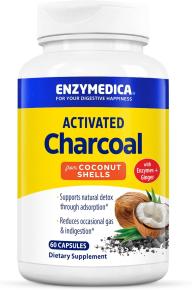
  • Try activated charcoal, which uses the principle of absorption to soak up toxins in the stomach, like a sponge soaking up water.
Contributor

Ann Louise Gittleman, Ph.D., C.N.S.

Ann Louise Gittleman, PhD, is a New York Times award-winning author of 30 books on detox, health, and healing, including the international bestselling Fat Flush Plan and Zapped! Visit her blog and join her online Fat Flush Community.

SIBO and Fatty Liver Disease

The Newest GI Epidemic

By Ann Louise Gittleman, Ph.D., C.N.S.
A woman in all white holding her stomach in pain.
ID 84467305 © Puhhha | Dreamstime.com
We host blogs from some of the leading voices in natural health and wellness. Opinions and views expressed by the author are their own, and do not necessarily represent those of Taste For Life or its editorial staff. Please contact Ann Louise Gittleman, Ph.D., C.N.S. with any questions about this content.
This content originally appeared on annlouise.com

Bad bacteria, like the ones that cause food poisoning, could also be causing your SIBO, and surprisingly, Fatty Liver Disease as well.

You’ve heard it from me countless times over the years – your body is only as healthy as your gut. If you can’t digest and absorb nutrients from food and drinks while also fending off foreign invaders, then there’s something wrong with your gut – and that something might be food poisoning.

Ten percent of people who come down with a case of food poisoning don’t recover and it becomes a chronic bacterial infection. When this happens, it can progress into Small Intestine Bacterial Overgrowth (SIBO), and as researchers have recently discovered, it can wreak further havoc and lead to Nonalcoholic Fatty Liver Disease (NAFLD).

The good news is you can beat the bloat and get your gut health back on track with a few simple steps.

Digestion 101

Your digestive system is the first line of defense for most of the foreign invaders your body comes in contact with. This complex system has multiple internal lines of defense to keep these harmful invaders from breaching its protective front lines and invading your bloodstream, where they are able to travel pretty much anywhere in the body to wreak havoc.

The digestive cascade all starts in your mouth with chewing and saliva production. Chewing your food thoroughly stimulates the release of saliva, which in turn signals how much stomach acid to make, followed by digestive enzymes from the pancreas and bile from the gallbladder. In your intestines, your microbiome – the collection of healthy bacteria that makes up part of the immune system in your gut and helps you break down and absorb nutrients – gets to work breaking down food and attacking unwanted hitchhikers that make it past the stomach.

When all of this is working properly, it also balances the pH needed in each area and controls how much peristalsis – the wave-like contractions of the intestines – needs to happen to move the food along. The end result is food that is broken down, all the nutrients extracted and sent where they’re needed, and any harmful invaders neutralized and easily eliminated through regular bowel movements.

This delicately balanced system can be thrown out of whack at any point along the course – you don’t chew your food thoroughly, which causes less stomach acid to be released, and then fewer pancreatic enzymes and less bile is released. Or you drink too much liquid while you eat, which dilutes your stomach acid, causing a slow down of the whole system. Or perhaps worst of all, a break down in the microbiome allows bad bacteria to survive, and you now have an illness – like food poisoning – to fight.

How Food Poisoning Causes SIBO

Thanks to your microbiome, at least 60 percent of your immune system is in your gut. This is likely because it’s your first line of defense against most of the foreign organisms you encounter. Aside from the food and drinks you put in your mouth, the secretions from your pulmonary system drain into your stomach, and anything you touch before putting your fingers in your mouth also ends up in your digestive system.

If there is any weakness to your microbiome – either not enough probiotic bacteria or not enough diversity – the bad bacteria that cause food poisoning will take over and cause illness, damage, and eventually SIBO (Small Intestine Bacteria Overgrowth). According to researchers, food poisoning bacteria like Salmonella, E. coli, Campylobacter jejuni and Shigella all produce a potent neurotoxin called cytolethal distending toxin B. The more antibodies you make against this toxin, the more likely you are to develop SIBO.

Cytolethal distending toxin B is molecularly similar to a good protein we have in our intestines called vinculin. Because your antibodies can’t tell these two proteins apart, the same antibodies that attack the neurotoxin also attack your good vinculin protein. Vinculin is a “good guy” for the nerve cells in your gut; it stimulates peristalsis in its surroundings. When you have less of this protein then you have weak muscle contractions, which means food stays too long in the small intestine.

This slower transit time gives bacteria the chance to latch on, feed, and overgrow. Once bacteria overgrows in the small intestine, the result is bloating, gas, inflammation (and more), the hallmarks of SIBO. Food poisoning and its resulting gastrointestinal damage is now considered to be one of the major causes of SIBO. But, in the case of E. coli, the damage doesn’t stop there.

From SIBO to NAFLD - How Bad Bacteria Just Get Worse

Did you know the protective lining of the intestines – that separates harmful bacteria from your bloodstream – is only one cell in thickness? It’s true! Normally, there’s a protective mucus layer over this lining that houses the majority of your microbiome. But, when the microbiome gets disrupted, the mucus layer can be destroyed by bad bacteria (or parasites) and invade your body by getting into your bloodstream, causing systemic inflammation.

E. coli is especially heinous, and is a major contributor to Nonalcoholic Fatty Liver Disease (NAFLD). When it overgrows in the small intestine, it gives off alcohol as its byproduct. So this bacteria in particular causes that food to ferment, increasing bloating, the release of toxins, and the production of alcohol. Once it breaks through your intestinal barrier, all of that alcohol floods your system and heads for your liver.

The alcohol produced by bacteria poisons your liver the same way the alcohol you drink does.

It used to be that we only saw Fatty Liver Disease in people who regularly drank excessive amounts of alcohol. Now NAFLD affects more than one-fourth of the adult population in the US. We see it most commonly in people with high carbohydrate diets who are feeding the alcohol-producing bacteria (and yeasts) in their disrupted microbiome. In fact, these alcohol-producing bacteria have been found in more than 60% of NAFLD patients.

Your alcohol levels from the bacteria (and yeasts) can actually go so high that you register a blood alcohol level of intoxication. This is called Auto-Brewery Syndrome and is rare, but should give you a good idea of just how much alcohol these bacteria can make. So, if you’re experiencing bloating, brain fog, inflammation, and fatigue, then it’s time to tune-up your microbiome and strengthen your intestinal border function.

Get Your Gut Health Back in 3 Easy Steps

  1. Cleanse Your Digestive System

    SIBO and NAFLD are both signs that your microbiome has been disrupted, allowing harmful bacteria to invade and do damage. So, good gut health starts with a gentle but thorough cleanse. There are two ways to go about this.

    • For Recent Symptoms

      First, if you’ve only recently developed the symptoms, you may be able to do a broad spectrum herbal colon cleanse.

    • For Ongoing Symptoms

      If the problem has been ongoing, it may make more sense to start with a comprehensive laboratory test like the Expanded GI Panel from UNI KEY Health or a DNA probe to determine exactly which bacteria are causing your issues so you can make a more targeted, informed approach.

  2. Take Enzyme Supplements

    Once the delicate lining of the intestines is injured, the digestive enzymes that are normally attached are flushed out without being able to do their job. So, supplementing with digestive enzymes is not only helpful to fight inflammation but also provides good digestive support while you are healing. I recommend taking a good quality, broad spectrum digestive enzyme formula with every meal.

    Also, enteric-coated peppermint capsules have been found to soothe the inflammation associated with SIBO and are currently being researched for their antimicrobial effects in the intestine.

  3. Restore Your Microbiome

    It’s important to “seed and feed” your microbiome – it contains trillions of bacteria ready to come to your aid. Once it is disrupted and harmful microorganisms have begun to overgrow, you need to bring back healthy probiotic populations so it can effectively do its work again. Taking a good quality probiotic that contains the prebiotic food they prefer is something I consider essential to helping restore health to your microbiome.

    Numerous studies show there is a strong relationship between choline deficiency and NAFLD, so I believe choline supplementation is essential for liver support. I recommend taking a supplement twice daily to get your daily dose of choline.

Contributor

Ann Louise Gittleman, Ph.D., C.N.S.

Ann Louise Gittleman, PhD, is a New York Times award-winning author of 30 books on detox, health, and healing, including the international bestselling Fat Flush Plan and Zapped! Visit her blog and join her online Fat Flush Community.

Bring Home Only Memories With These Travel Tips

By Ann Louise Gittleman, Ph.D., C.N.S.
We host blogs from some of the leading voices in natural health and wellness. Opinions and views expressed by the author are their own, and do not necessarily represent those of Taste For Life or its editorial staff. Please contact Ann Louise Gittleman, Ph.D., C.N.S. with any questions about this content.

Your “healthy” sunscreen is packed. CHECK! Your wide brimmed hat is in the bag. CHECK! Even healthy snacks are now part of your travel accompaniments. But there’s one thing I bet will be forgotten on far too many of the approximately 1.7 billion trips taken this year.

No matter where your travels may lead you (even here in the USA) you need to be proactive when it comes to uninvited guests—parasites, that is! These can lurk in the most pristine water, in ice cubes (absolutely none in drinks, please), fresh water lakes, and on those white silver sands.

How exactly do they make their way into your body? I hate to tell you that it’s easier than you’d think. I bet you’re quite aware that it’s imperative to be cautious of your diet during international travel. Parasites can lurk in all sorts of food and drink. Plus, the local population might not even be aware because they’ve developed an immunity—but you have not.

Don’t make the mistake of thinking you’re safe in certain places because you can be anywhere and come in contact with parasites—such as dining at a trendy sushi restaurant, consuming undercooked meat at a steak house, or a drinking out of a glass that wasn’t properly washed.

Seemingly Innocent Sources

But it doesn’t end at dietary. You can pick up parasites simply by taking a dip in a local body of water or even unwittingly walking through scat of some sort. I recently became privy to the story of a man who had what his doctor originally thought was a varicose vein in his foot. Upon noticing that the location of this vein was moving, they discovered that it was actually a parasite living inside his foot that he’d picked up during a recent trip!

Whether you’re in a remote jungle or you’re walking along the beach, ensure that you’re wearing the proper footwear to prevent coming in direct contact with sneaky parasites.

Along these lines, a recent study of the brain tissue of deceased patients who’d suffered from neurological conditions found that 19 of those studies contained three Borrelia pathogens—including the one known to cause Lyme disease. This is another discovery in the growing body of research showing a strong connection between untreated parasitic infections and Lyme disease. Many believe that they picked up this frustrating and debilitating illness from horseback riding, time spent in the woods, and most certainly, excursions while on vacation.

To make matters worse, symptoms often don’t immediately appear, so you could be settled in back home before while the parasites have been silently multiplying and preparing for attack, unbeknown to you.

Parasitic Problem

If a selection of these symptoms has recently popped up (or have been plaguing you for some time), there might be an issue.

  • Anxiety, nervousness and depression
  • Frequent infections including yeast infections and colds
  • Nagging cravings for sweets
  • Intestinal issues like intermittent constipation, diarrhea, bloating, and gas
  • Joint or muscle pain
  • Difficulty sleeping or nighttime teeth grinding
  • Fatigue that won’t let up
  • Dark circles around or under the eyes
  • Acne, eczema, hives, rashes or other skin conditions
  • Sensory disorders such as vertigo, brain fog or poor coordination

Prepare Before You Pack

So, what can you do?

While you’re on your trip, you can—and should—be very aware of what you eat. Research restaurants, stay away from street vendors, be cautious of pre-cut fruits and veggies that could have been washed in contaminated water, and avoid undercooked meat, fish, dairy, and cold topping and condiments.

You can take it a big step further by prepping your body prior to your travels. My mentor Dr. Hazel Parcells (who lived to be 106!) was a huge believer in detox baths—and so am I. The idea behind these baths is that they supercharge your immunity by balancing your cellular pH level, creating an undesirable environment for parasitic invaders.

Please do try this bath once or twice a week during the time leading up to your trip, as well as after your return.

  1. Run a tub to the hottest temperature you can manage. Dissolve 1 pound of salt (like Kosher salt) and 1 pound of baking soda in the water, and begin to soak.
  2. Sip a glass of warm water mixed with ½ teaspoon of salt and ½ teaspoon of baking soda for internal pH balance.
  3. Get out of the bath when the water is cool. Don’t shower for at least four hours.
Contributor

Ann Louise Gittleman, Ph.D., C.N.S.

Ann Louise Gittleman, PhD, is a New York Times award-winning author of 30 books on detox, health, and healing, including the international bestselling Fat Flush Plan and Zapped! Visit her blog and join her online Fat Flush Community.

Diabetic Retinopathy

Abnormal blood sugar can damage your eyesight.

By Cheryl Myers
We host blogs from some of the leading voices in natural health and wellness. Opinions and views expressed by the author are their own, and do not necessarily represent those of Taste For Life or its editorial staff. Please contact Cheryl Myers with any questions about this content.

Did you ever play games as a kid such as “Would you rather..?”

  • Would you rather be attacked by a lion or a bear?
  • Would you rather be stranded on a deserted island or lost in the woods?
  • Would you rather lose your hearing or your eyesight?

According to surveys (Yes, scientists study everything!), the most common answer is that people would preserve their vision over hearing. Some of the reasons given are that they equate vision with more independence, with driving, with reading, with media, with understanding the world around them.

How sad, then, that millions of Americans are at risk for losing their sight because of a disease that is preventable: diabetic retinopathy.

What is Diabetic Retinopathy?

Diabetic retinopathy is the leading cause of vision damage and vision loss in American adults.

How Common is Diabetic Retinopathy?

It is estimated that about 1 in 3 people with diabetes will develop this problem, though not all will progress to full blindness. The longer a person has diabetes, the longer they do not have good blood sugar control, the greater the risk of this disorder.

What Causes Diabetic Retinopathy?

In 2020, about 35 million Americans had diabetes and 88 million had pre-diabetes. These abnormal blood sugar levels are killing our eyesight!

One way to measure blood sugar health is the hemoglobin A1c test (HbA1c) test. Levels greater than 7.0 are associated with a 3.5 times increase in severity of diabetic retinopathy. It absolutely pays to reduce blood sugar levels to preserve eyesight, and there are many lifestyle changes and natural compounds such as Hintonia latiflora, cinnamon, and berberine that can help with that.

However, the topic of this article is looking at nutrients that directly affect vision.

Recommended Nutrition

These nutrients are well known, but not necessarily well known for preserving vision and addressing retinopathy: curcumin, grape seed extract, melatonin, and propolis.

  • Curcumin

    Curcumin is the most powerful herbal anti-inflammatory that I have ever encountered, and it is a potent antioxidant as well. Both functions play a role in preventing the damage that leads to diabetic retinopathy.

    In a 2018 study on enhanced-absorption curcumin with turmeric essential oil (BCM-95 Curcumin) demonstrated that 1,500 mg of curcumin daily could significantly reduce a marker of inflammation called the high-sensitivity C-reactive protein (CRP) levels in ten weeks. The hs-CRP test is highly predictive of many diseases, and some researchers have proposed that CRP levels be used as a biomarker to evaluate the severity of diabetic retinopathy. That means that reducing CRP is strongly correlated with reducing eye damage.

    Another 2018 study using a curcumin phytosome (Meriva) demonstrated that taking 1,000 mg for three months significantly improved visual acuity in 83 percent of participants with diabetic macular edema, a very common complication of diabetic retinopathy.

    The use of curcumin for preservation of eyesight can be highly effective, but the best results occur when curcumin is better absorbed, so look for enhanced-absorption products.

  • Grape Seed Extract

    Grape seed extract is a rich source of compounds called polyphenols. One type of polyphenol, called oligomeric proanthocyanidins (OPC), is enormously beneficial for a wide variety of health problems, with studies on cancer, diabetes, hypertension, and liver and cardiovascular diseases.

    The same mechanism of action that makes it a powerful natural medicine for all these diseases makes it great for preventing retinopathy and helping to maintain vision in people who already have damaging eye changes.

    However, the OPCs that are so beneficial come in a variety of sizes, and not all are absorbable. The largest size OPCs are called tannins and are too big for absorption. It is useful to make sure the grape seed extract you choose is 100 percent absorbable and tannin-free for superior results.

    Grape seed extract is also a super-potent antioxidant and has some anti-inflammatory activity as well. One aspect of retinopathy is the collapse and/or clogging of the tiny blood vessels that feed the eye. The OPCs in grape seed extract can protect those tiny vessels. Additionally, grape seed extract has antidiabetic properties.

    A 2019 study demonstrated that grape seed extract was superior to a prescription medication used for diabetic retinopathy. Patients received 150 mg grape seed extract or 750 mg of calcium dobesilate per day. At the end of the 12-month study, people in the grape seed extract group had significant improvements in factors related to diabetic retinopathy. Treatment success was highest in the grape seed extract group at 43.9 percent, versus 14.3 percent in the prescription drug group.

  • Melatonin

    I know that most folks think of melatonin as a sleep aid, but it is so much more than that. I always think of it as the conductor of a great orchestra. Melatonin sets the rhythm and directs all the instruments to play at certain intervals and with varying levels of intensity.

    It influences everything from your blood pressure to how quickly you digest food, so it should not be surprising that it plays a powerful role in eye health, too.

    Melatonin is made mainly in the pineal gland in the brain, but it is also synthesized in the retina of the eye to help to protect against oxidative stress and damage.

    A clinical study on a retinal disease called central serous chorioretinopathy (CSCR) found that melatonin could improve visual function. Participants were given a placebo or 3 mg of melatonin three times per day. After one-month, 87.5 percent of the participants in the melatonin group

    experienced a significant improvement in visual acuity. Additionally, the participants also experienced a reduction in macular thickness, indicating a positive response and decrease in edema in the eye. This is good news for people who already struggle with changes related to retinopathy.

  • Propolis

    Another effective natural medicine that can help with diabetic retinopathy is propolis. Propolis is a plant substance collected by bees, then mixed with other bee compounds and deposited in the structure to protect the health of the hive and all its inhabitants. It is potently antiviral and antibacterial but has vision preservation properties as well.

    A 2019 research study demonstrated that propolis could help prevent diabetes-associated retinal changes. Propolis was shown to protect the retina in several ways, including reductions in fasting blood sugar, HbA1c, and inflammatory compounds. The researchers showed that propolis also protected the retinal barrier from oxidative changes.

  • Other Nutrients

    There are so many other nutrients that are beneficial for vision in general and eye diseases in particular.

    • All the carotenoids, especially beta carotene, lutein, and zeaxanthin are useful, as are vitamins such as A, C, and E.
    • Bilberry and blueberry contain nutrients that promote healthy vision.
    • Ginkgo, often used for memory and brain function, is also beneficial for improving blood flow to the retina.

    The list goes on. There is no single natural medicine that does it all, so you may want to consider pulling together a protocol that works best for you.

Contributor

Cheryl Myers

Cheryl Myers, RN, is an integrative health nurse, author, and expert on natural medicine. She is a nationally recognized speaker who has been interviewed by the New York Times, Wall Street Journal and Prevention magazine. Her articles have been published in Aesthetic Surgery Journal and Nutrition in Complementary Care, and her research on botanicals has been presented at the American College of Obstetrics and Gynecology and the North American Menopause Society. Follow Cheryl on Facebook! 

Foods to Combat Constipation

Natural Tools To Get Things Moving and Lose Weight

By Brenda Watson, CNC
We host blogs from some of the leading voices in natural health and wellness. Opinions and views expressed by the author are their own, and do not necessarily represent those of Taste For Life or its editorial staff. Please contact Brenda Watson, CNC with any questions about this content.

Chronic constipation is the top gastrointestinal complaint in the United States. According to the National Digestive Diseases Information Clearinghouse, more than four million Americans have frequent constipation.

What Causes Constipation?

The possible causes are numerous and can be complex. The source of constipation could be:

  • dehydration
  • lack of:
    • fiber
    • beneficial bacteria
    • B vitamins
  • certain medications
  • chronic stress
  • genetics

...to name a few.

Processed Foods

Constipation is much more common in Western cultures than elsewhere due in part to our sedentary lifestyles and consumption of processed foods.

Fiber (indigestible complex plant carbohydrates found in fruits, vegetables, and whole grains) is removed from most processed foods because it decreases shelf life.

Indigenous cultures that have a high intake of dietary fiber invariably enjoy superior intestinal health.

Diet and Nutrition to Fight Constipation

  • Start with Fiber

    High intake of dietary fiber has many benefits for individuals, including:

    • Decrease of transit time for stools
    • Decrease of absorption of toxins from stools
    • Bulking and softening of stools
    • Increasing frequency, quantity, and quality of bowel movements

    When bowel transit time is slow, waste is not promptly eliminated from the body. It creates prolonged bacterial fermentation of retained fecal material, which can produce toxins. As toxins are reabsorbed into the body, the risk of developing colon diseases and other health problems increases. The toxins stress the gallbladder, pancreas, and liver, giving rise to fatigue and headaches.

    Toxins created in the constipated bowel damage digestive enzymes in the intestinal wall and cause digestive problems and nutrient deficiencies. The walls of the colon can weaken and herniate, giving rise to diverticulosis. The excessive bowel transit time associated with constipation can also contribute to bowel disorders such as irritable bowel syndrome and colitis.

    In addition, studies suggest that constipation may indirectly cause estrogen to be reabsorbed. With slow transit times, a low-fiber diet, and low concentrations of beneficial Lactobacilli and Bifidobacteria, there will be reabsorption of estrogen. This can lead to estrogen dominance, which can result in long-term health issues.

    If you are not eliminating one and a half feet of feces per day (the length of the descending colon), you are not getting enough dietary fiber in your diet. This comes as no surprise, as the average intake of dietary fiber in the US is 12 to 15 grams. I recommend at least 35 grams daily for optimal health.

  • Balance your Gut with Living Foods

    When you eat living foods daily, you replenish the good bacteria in your gut and increase your fiber intake, which helps control appetite.

    Living foods either contain beneficial bacteria, or they act as food for the beneficial bacteria already in the gut.

    Living foods include non-starchy vegetables and low-sugar fruits.

    • Fermented Foods

      Also be sure to include the following fermented foods in your diet:

      • Live cultured pickles
      • Sauerkraut (refrigerated, unpasteurized)
      • Cultured vegetables
      • Kimchi
      • Cheese made from raw milk
      • Unpasteurized miso
      • Tempeh
      • Kombucha
      • Yogurt containing live cultures
      • Kefir (dairy and nondairy)
    • Prebiotic Foods

      In addition to fermented foods, you need to eat foods rich in soluble fibers called prebiotics. Prebiotics feed the good bacteria in your gut. Aim to include high-prebiotic foods in your diet as often as possible.

      Some examples include Jerusalem artichokes, dandelion greens, garlic, and onions.

Contributor

Brenda Watson, CNC

Owner of Vital Planet

For more than 30 years, Brenda Watson, CNC has been helping people achieve vibrant health through improved digestion.

As an author of eight books, a New York Times bestseller, and the creator of five PBS shows on digestive health, Brenda continues the crusade of teaching how the gut is the foundation of your health.

Recipe for Gout? Cherries and Water

By Cheryl Myers
cherries and water
We host blogs from some of the leading voices in natural health and wellness. Opinions and views expressed by the author are their own, and do not necessarily represent those of Taste For Life or its editorial staff. Please contact Cheryl Myers with any questions about this content.

Gout is an incredibly painful chronic disease. I have had patients with a gout attack whose toes are so painful they cannot sleep with a sheet touching their feet.

Gout is caused by a buildup of uric acid in the blood that crystallizes in the joint, often the big toe, though ankles, wrists, fingers, and other joints can also be affected. These crystals can cause joint deformities and bumps on the skin, especially the hands and fingers. Imagine razor sharp crystals rubbing inside your joint, and you get an idea of the terrible pain and inflammation associated with this disease.

Gout tends to come in waves, starting as a throbbing pain that intensifies for a few days and then starts to subside. Gout used to be called a rich man’s disease, because red meat and alcohol contain purines that increase uric acid levels in the body. However, gout is more complicated than diet alone.

Combat Gout with Water

There are two effective natural interventions to help prevent gout attacks. The first is increasing your intake of water to at least eight 8-ounce glasses a day. Adding more water dilutes the blood and makes it less likely that uric acid will stick in the joints and crystalize. A recent study showed that increasing water intake can reduce gout attacks by as much as 50 percent. I am not aware of any prescription drug that can reduce gout attacks to this degree, and without serious side effects.

Fight Gout with Cherry

The second natural intervention is found in the cherry. This fruit contains anthocyanins, which are flavonoids that give cherries their deep red color. These compounds reduce inflammation and increase the excretion of uric acid. Cherries make the body more efficient at getting rid of excess levels of this compound, and studies have shown they can also significantly decrease the incidence of gout attacks.

What does the science say? One clinical study from 2014 looked at the effects of cherry juice on uric acid levels and inflammatory markers in healthy people. The researchers found that those who drank 30 or 60 milliliters of cherry juice for just two days had lower levels of uric acid and C-reactive protein, an inflammatory marker. Uric acid output in urine samples was increased.  Since excessive uric acid buildup triggers the excruciating pain and deformities associated with gout, getting more of it out of the body is definitely a good thing.

Natural Remedies for Gout

So should we eat the cherries, drink the juice, or take supplements? I vote for all of the above. However, eating cherries every day is not realistic for most people, and there is a lot of sugar in cherry juice. For consistent benefits, I recommend cherry fruit supplements that are standardized for anthocyanins. Freeze-drying is a good method because heat drying and extractions can damage the antioxidant value of the cherry. A good dose is 1500 to 3000 milligrams daily.

Tart or Sweet Cherry for Gout?

I am often asked: tart or sweet cherry? Quite honestly, I think all cherries offer health benefits. There is more scientific data on tart cherry, so perhaps it has a bit of an edge as far as proven effectiveness.

If you or someone you love suffers from gout, increasing water intake, eating more cherries (but not in pie!), and using a standardized cherry supplement may tremendously reduce incidences of pain and suffering. And there are side benefits as well to being well hydrated and full of healthy antioxidants from cherries.  Inflammation in other areas of the body may also subside. Skin may improve. Kidneys function better. All this contributes to a healthier you!

Contributor

Cheryl Myers

Cheryl Myers, RN, is an integrative health nurse, author, and expert on natural medicine. She is a nationally recognized speaker who has been interviewed by the New York Times, Wall Street Journal and Prevention magazine. Her articles have been published in Aesthetic Surgery Journal and Nutrition in Complementary Care, and her research on botanicals has been presented at the American College of Obstetrics and Gynecology and the North American Menopause Society. Follow Cheryl on Facebook! 

Mad About Magnesium!

By Ann Louise Gittleman, Ph.D., C.N.S.
We host blogs from some of the leading voices in natural health and wellness. Opinions and views expressed by the author are their own, and do not necessarily represent those of Taste For Life or its editorial staff. Please contact Ann Louise Gittleman, Ph.D., C.N.S. with any questions about this content.

Magnesium is to minerals what vitamin D is to vitamins. As the “master mineral” and superstar of over 300 key metabolic functions, it reigns supreme in the mineral kingdom.

However, not all magnesium supplements are created equal.

If high blood pressure, leg cramps, migraines, anxiety, irritability, depression, heart disease, unstable blood sugar or insomnia are still challenging your well-being, read on…

As the premiere heart mineral, magnesium is absolutely key for cardiovascular health. In fact, one study states that magnesium should be available for immediate use in all emergency departments. It is so important that many doctors and surgeons administer magnesium prior to some heart surgeries.

Magnesium’s benefits for heart palpitations can reduce the occurrence of many life threatening situations. However, up to 92% of hospitalized patients don’t have their magnesium levels tested—this is a big concern considering that as many as 80% of patients in the ICU are considered magnesium deficient!

Studies dating back 100 years confirm magnesium’s star power. Not only is this magnificent mineral essential for major metabolic functions, magnesium is also the ONLY mineral linked to all of today’s “Fearsome Foursome”—cancer, stroke, diabetes and heart disease.

Another surprising research finding shows that low magnesium (not just calcium) can lead to low vitamin D. Because low magnesium levels create resistance to some of the effects of vitamin D, many individuals taking vitamin D may not be reaping the true benefits! Individuals over 50 are especially at risk as most aren’t reaching the USDA’s daily average intake, let alone the Vitamin D Council’s suggestion of 5,000 IU/day for adults.

So why are up to 80% of Americans STILL magnesium deficient?

Your body requires around 500 to 1,000mg of magnesium a day, whereas in reality most of us only get one half of that and lose it as fast as we can.

Today, Americans depend upon magnesium to reduce depression, frequent nocturnal awakenings, food cravings, and of course, blood sugar stabilization. Even more of us are eating healthier (think green smoothies, almonds, and sea veggies) which happen to be exceedingly rich sources of dietary magnesium.

By now you may also be supplementing with this miracle molecule, but chances are you’re missing out because the type of magnesium supplement you’re taking cannot get to the right places.

How are we losing it?

First off, magnesium is a primo detox mineral. It is used up minute-by-minute to counteract stressors like food allergies and intolerances, prescription drugs, and exposure to heavy metals—especially aluminum. It also prevents kidney stone formation and even ADHD (Attention Deficit/Hyperactivity Disorder).

Given our busier than ever lifestyles, the body’s main use of magnesium is simply dealing with mental and physical stress. This adaptogenic mineral is being used up faster than we can possibly take it in.

Inefficient magnesium supplements with non-ideal co-factors combined with escalating environmental assaults are leaving nearly 100% of us magnesium starved. Symptoms of magnesium deficiency range from facial twitches, to Alzheimer’s, blood clots, chronic fatigue and osteoporosis.

Unfortunately, the most popular co-factors found in magnesium supplements—oxide and citrate—function as laxatives that primarily target the GI tract.

To support stressed hearts and overworked brains, new research reveals most Americans may need more optimized magnesium cofactors. This is where carriers such as glycinate and taurinate come into play targeting specific organs not supported by standard magnesium supplements. [best magnesium supplement]

In addition, magnesium malate and orotate are gaining steam for their ability to soothe and calm tight muscles, while significantly improving stamina and long term energy throughout the day.

The Magnesium Cofactor Must Haves

Glycinate, Malate, Taurinate and Orotate are the best forms of magnesium for head-to-toe optimal health. They are more effectively absorbed to support organ systems and bodily functions than any other forms.

  • Magnesium Glycinate – For Your Mind

    • Controls anxiety, irritability, insomnia, concentration and hysteria
    • Minimizes laxative effects and is the least likely form to induce diarrhea
    • Corrects long term deficiencies
    • Reduces numbness, crying and depression
    • Increases mental calmness and relaxation
  • Magnesium Taurinate – For Your Heart

    • Supports healthy heart function
    • Prevents migraines
    • Suppresses heart palpitations and arrhythmias
  • Magnesium Malate – For Your Muscles

    • Treats fibromyalgia
    • Calms muscle fatigue
    • Manages PMS, and headaches
    • Supports digestion (so take with meals)
    • Increases energy production
  • Magnesium Orotate – For Your Body

    • Enhances athletic performance
    • Boosts DNA formation and heart repair and function

Besides taking a magnesium supplement with particular cofactors, it is also extremely important that a comprehensive magnesium supplement contains vitamin B6 (especially in the activated Pyridoxal 5 Phosphate targeted form). B6 determines how much magnesium will be absorbed by the cells in the first place.

Magnesium Sources in Food

Of course, diet remains the best supply of any mineral including magnesium. Here’s a list of the best sources to shore up your magnesium stores:

Food Magnesium
16 oz. Coffee 14mg
1 cup Spinach 24mg
14 Seaweed (kelp) 24mg
1 oz. Dark Chocolate 41mg
1 cup Swiss chard 29mg
20 Cooked Clams 34mg
12 cup Almonds 191mg
1 cup Kale 31mg
12 cup Tofu 37mg
12 cup Cashews 200mg
1 cup Collards 10mg
2 Eggs 5mg
14 cup Pumpkin Seeds 42mg
12 cup Beets 15mg
12 cup Lima 40mg
14 cup Pistachios 37mg
12 cup Mustard Greens 9mg
14 cup Cilantro 1mg
1 cup Buckwheat 393mg
12 cup Dried Apricots 21mg
1 tbsp Dill Weed 14mg
1 cup Brown Wild Rice 84mg
1 Bananas 32mg
1 tbsp Ground Sage 9mg
1 cup Oatmeal 61mg
12 cup Dried Figs 50mg
2 tbsp Fresh Basil 3mg

Also keep in mind that there additional methods of absorption including transdermal magnesium chloride oil spray, and of course epsom salt baths (magnesium sulfate).

Magnesium Deficiency Testing

The best assessment of magnesium levels is by far the Magnesium Red Blood Cell Blood Test aka MagRBC blood test. It provides a more accurate indication of magnesium deficiency than a regular blood serum test can offer, since an RBC test evaluates your intracellular magnesium where magnesium lives.

Contributor

Ann Louise Gittleman, Ph.D., C.N.S.

Ann Louise Gittleman, PhD, is a New York Times award-winning author of 30 books on detox, health, and healing, including the international bestselling Fat Flush Plan and Zapped! Visit her blog and join her online Fat Flush Community.

Don't Miss a Thing!


Get the latest articles, recipes, and more, when you sign up for the tasteforlife.com newsletter.

Hot Product