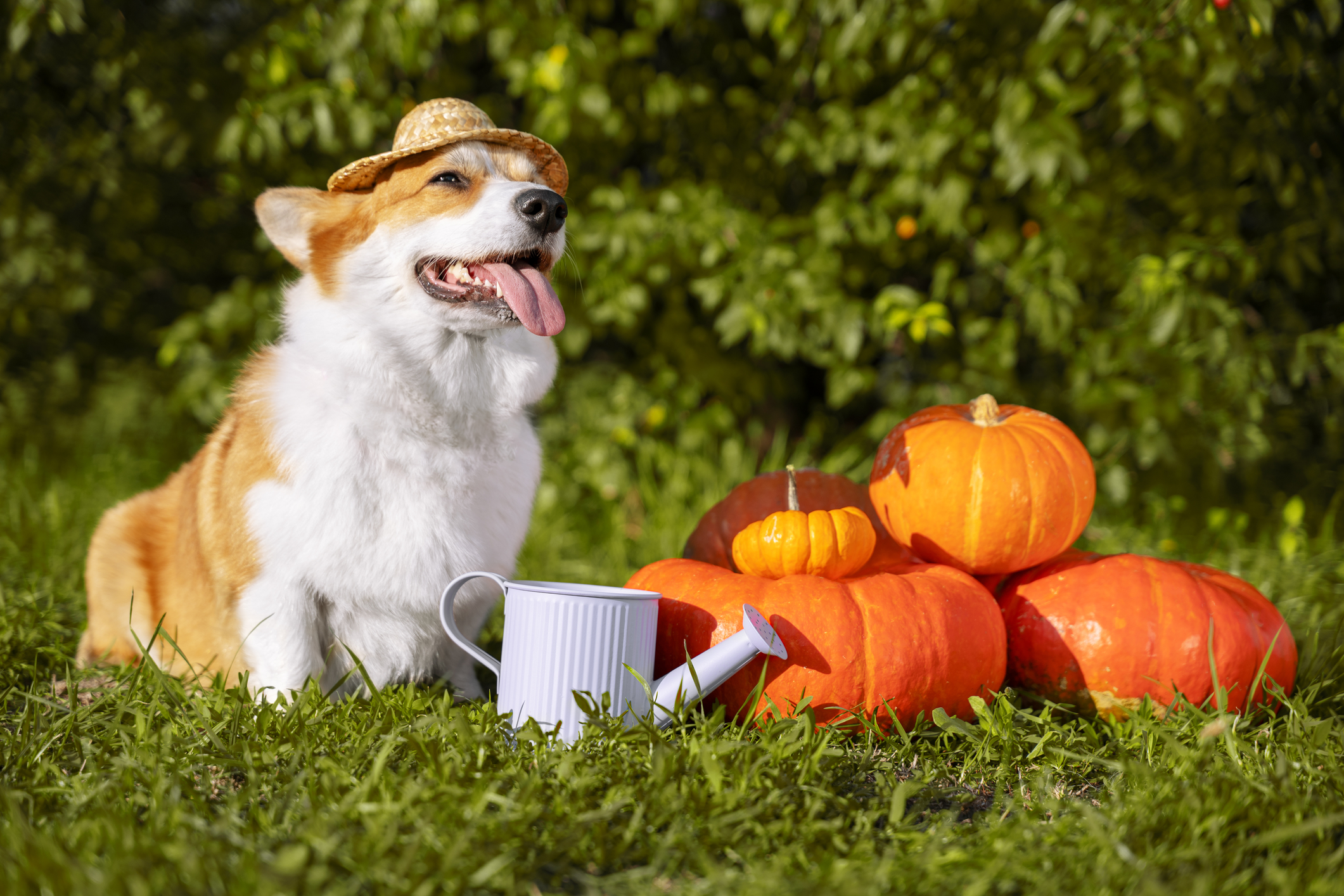
Pumpkins aren't just for carving! These fall favorites are packed with nutrients that support eye health, immunity, and overall wellness. Read on for tips about how to make the best use of fall's greatest gourd.
Beta Carotene: Pumpkin's Vitamin A Powerhouse
Pumpkin is an excellent source of beta carotene, which our bodies convert into vitamin A, an essential vitamin that supports vision and proper growth and development.
While much remains to be discovered about carotenoids, early research indicates that these phytonutrients may reduce the risk of cataracts, cardiovascular disease, and certain kinds of cancer.
Pumpkin also offers vitamin C, fiber, and potassium.
All this colorful goodness comes without fat or cholesterol, and just 38 calories in a half-cup. Peter, that fairy-tale eater, was on to something!
Beyond Dessert
Pumpkins, which are classified as fruit, belong to the gourd family and can be cooked and enjoyed like other winter squashes or sweet potatoes.
Roast pumpkin, dice, and saute with apples and pears, or add it to stews, chilis, and even souffles.
In casseroles, pumpkin complements brown rice and other whole grains.
If you’ve never tasted nutmeg-spiced pumpkin soup served with a dollop of plain yogurt, you’re in for a treat.
One caveat: Big pumpkins that make dandy jack-o’-lanterns don’t make great eating. The smaller gourds, called sugar or pie pumpkins, are sweeter and meatier.
How to Choose a Pumpkin
Choose small, heavy pumpkins with an inch or two of stem and smooth, unblemished skin. A pound of raw, untrimmed fruit yields a cup of puree.
Spread newspaper on your work surface, remove the stem with a sharp knife, and cut the pumpkin in half. Scoop out and save seeds, and discard the stringy fibrous portion. Highly perishable, pumpkin must be cooked the same day it’s cut.
Pumpkin may be roasted on a baking sheet, cut side down, in a 350 degree oven for an hour until fork tender.
To boil or steam, cut pumpkin into large chunks, rinse, and put pieces in a large pot with about a cup of water. Cover and boil 20 to 30 minutes until tender, or steam for 10 to 12 minutes. Drain, reserving liquid for soup.
To microwave, cut the pumpkin in half, place cut side down on a microwave-safe plate, and cook on high power 15 minutes, or until fork tender. Cooked pumpkin should be refrigerated immediately.
Pumpkin Puree
When the pumpkin is cool enough to handle, remove the peel with a sharp knife. Place peeled chunks in a food processor or food mill and puree.
Pumpkin puree can be frozen for up to a year. Store it in one-cup portions in freezer containers or bags. Be sure to label with the date. Use in recipes just as you would canned pumpkin.
According to the
Animal Humane Society, pumpkin can be beneficial to dogs. You can use plain puree mixed into their food or treats. Be aware that canned pumpkin pie fillings may contain a sugar alternative called xylitol, which can be fatal to dogs, or allspice and cloves, which are toxic to cats. Protect your pets from these products.
Save Those Seeds
A good source of vitamin E, magnesium, iron, and zinc, pumpkin seeds may protect against benign prostate enlargement and cystitis.
To prepare, rinse and dry seeds from your pumpkin. Spread in a single layer on a baking sheet and roast at 375° for 20 to 30 minutes. Remove from oven and spray seeds lightly with olive oil. Increase heat to 400° and brown seeds for 5 minutes, stirring often. Sprinkle with a little sea salt, cool, and eat. You can also use seeds in granola as you would sunflower seeds, or garnish soup or salad with them.