GLP-1 Medications and Nutrition

How to fuel your body effectively

By The Taste for Life Staff

The pharmacotherapeutic agents known as glucagon-like peptide receptor agonists (GLP-1RAs or GLP-1s) have been in clinical use for about 20 years, but they’ve experienced a surge in popularity recently with the advent of newer formulations for weight management.

Commonly known by brand names such as Ozempic, Wegovy, Trulicity, Rybelsus, and Bydureon, these GLP-1 receptor agonists are prescribed primarily to help manage Type 2 diabetes and obesity. Research shows that GLP-1s can also improve blood pressure, cholesterol levels, and fatty liver disease, while reducing the risks of heart and kidney disease.

Some newer GLP-1 versions are designed specifically for weight loss. They work by mimicking a natural hormone made in your gut after you eat, which helps control blood sugar and makes you feel full sooner. They also interact with parts of the brain that regulate appetite and cravings.

Healthy Choices Can Help

If you’re taking a GLP-1 medication for weight loss and to improve metabolic health, it’s important to be aware of how these drugs can affect the quality and adequacy of macronutrient and micronutrient intake.

Those on GLP-1 medications have slower digestion, so they feel fuller for longer—even after consuming small portions. If a heavy or large meal is consumed, feelings of discomfort may occur, as can changes in appetite, taste, and digestion. For some on GLP-1s, food cravings no longer exist, and eating small portions is enough to feel satiated.

Some people experience constipation and nausea on these medications. Others report indigestion, diarrhea, vomiting, and delayed gastric emptying. These side effects can affect the variety of food consumed as well as the nutrients absorbed.

How to Eat for Fewer Side Effects on GLP-1s

  • Try eating a morning meal to help prevent an upset stomach. Include simple carbohydrates like toast or crackers.
  • If constipation is an issue, stay hydrated and include fiber with meals.
  • Don’t skip meals, even if the thought of eating is unappealing. Try food with more neutral flavors like a simple soup or a turkey sandwich. A protein smoothie is another good option.
  • If you find yourself experiencing an aversion towards meat consumption, which can be common on GLP-1s, try other protein-rich sources such as beans, tofu, eggs, or dairy.
  • Enjoy smaller-sized nutritious meals.
  • Be aware that fatty foods may cause nausea.
  • Drink enough water to stay properly hydrated.

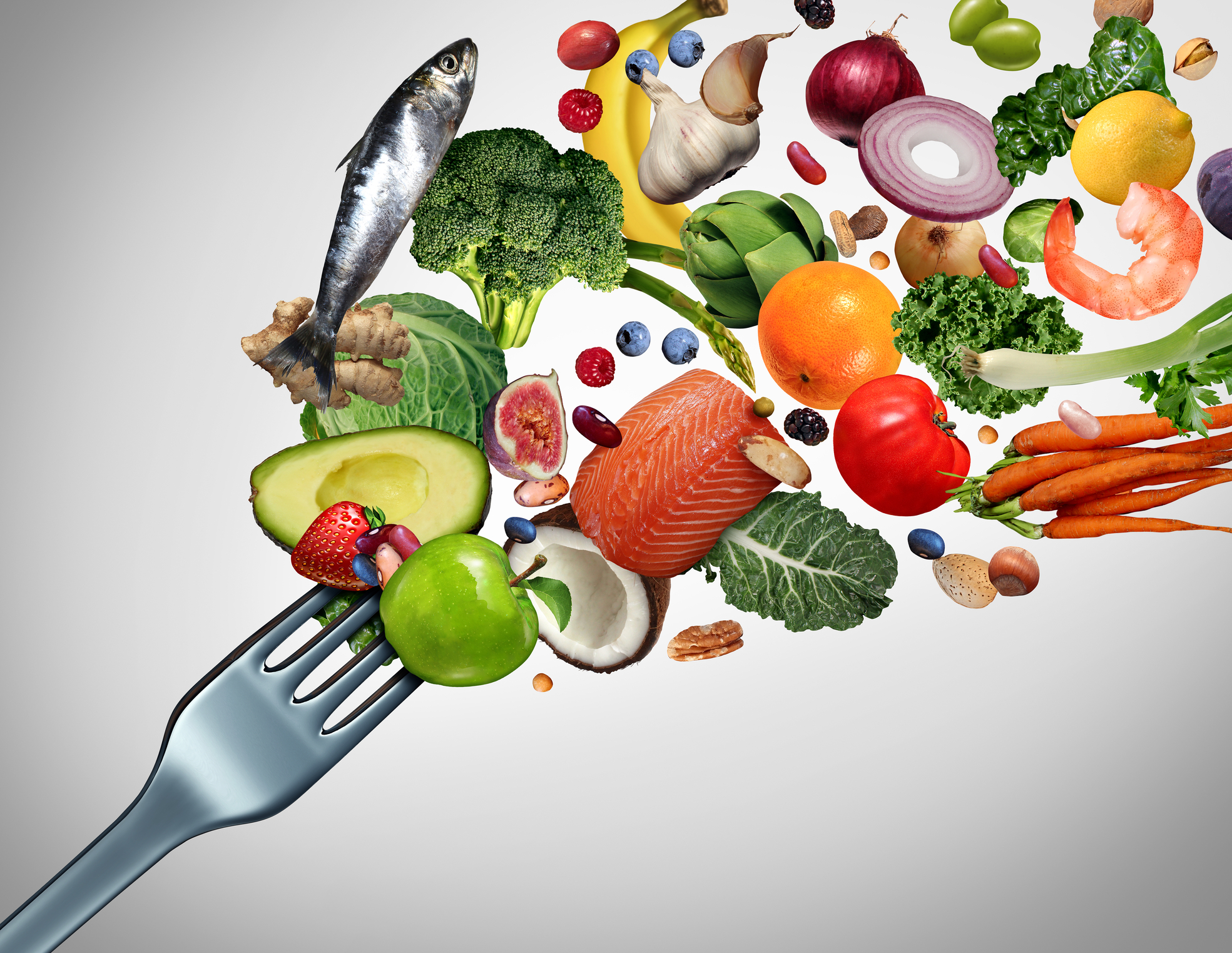
Food Choices on GLP-1 Medications

These guidelines will help maintain muscle mass, nutrient intake, and digestive comfort.

  • Lean protein: about 30 grams (roughly 4-5 ounces of chicken, fish, tofu, eggs, or Greek yogurt)
  • Vegetables and fruits: at least 1 cup total, focusing on colorful, high-fiber options
  • Smart carbohydrates: 12 to 1 cup of whole grains, beans, or starchy vegetables (like sweet potatoes)
  • Healthy fats: small amounts for flavor and satiety, such as 1 teaspoon of butter or oil or a sprinkle of cheese or nuts.  

Protect Your Muscle While on GLP-1s

When taking GLP-1 medications, try not to fixate on restriction or eating perfectly. Make sure your choices keep you feeling full and energized.

You may want to consider dietary counseling by trained nutrition specialists to identify, correct, and manage nutritional issues.

It’s important to note that recent studies show up to 20 to 50 percent of the weight loss on GLP-1 medications can come from lean body mass, including muscle. Eating enough protein and doing regular strength or resistance exercises can help preserve muscle and keep your metabolism strong.

Top Supplements for People on GLP-1s

Since one’s appetite becomes suppressed on GLP-1 medications, getting enough nutrients is important to maintain muscles, energy, and a healthy gut.

In a large observational analysis of over 461,000 adults newly starting GLP-1 medications with no prior nutritional issues, about 22 percent developed nutritional deficiencies within one year. Vitamin D was the most common nutritional deficiency.

Researchers suggest monitoring for nutritional risks, including vitamin B12 deficiency when on GLP-1 medications. Reductions in levels of iron have also been reported. Future research is required to provide clear guidelines on monitoring and managing nutritional support for patients, but in the meantime, nutritional supplementation may help.

To help fill potential nutrient gaps from smaller meals, look for products scientifically formulated to support adults on GLP-1 medications. Available as sugar-free gummies, liquid drops, or capsules, many include vitamins B12 and D3, as well as minerals like calcium and magnesium to help support heart, nerve, bone, and tooth health.

If your diet is low in protein, a multivitamin that includes vitamin B12—and iron, if recommended by your healthcare practitioner—can help fill potential nutrient gaps. Because constipation can be a side effect of GLP-1 drugs, consider supplementing with fiber such as psyllium. Staying hydrated is important when you increase fiber intake.


Contributor

The Taste for Life Staff

The Taste for Life staff come from a wide variety of backgrounds and specialties. We believe learning is a life-long process, and love to share the knowledge we gain.

Homeopathy for Insomnia

Use gentle remedies for better sleep

By The Taste for Life Staff

Insomnia is a bit of a mystery. Sometimes it’s caused because of an exciting or depressing event. At other times, sleeplessness may be a side effect of a drug you’re taking or caused by caffeine or some other type of stimulant.

Caffeine lurks in certain sodas, aspirin compounds, decongestants, and pain relievers. Sometimes, however, insomnia’s cause is inexplicable.

Problems with Pharmaceuticals

Conventional drugs for insomnia may help you fall asleep, but ultimately lead you to awaken unrefreshed. To make things worse, these drugs can be addictive and often make it more difficult to fall asleep without them. Worse still, some of the most popular pharmaceuticals for insomnia can even cause a person to eat or drive a car with no memory of these actions.

Homeopathic medicines offer a safer alternative, though insomnia is usually best understood and treated as one symptom of an overall body/mind syndrome that requires “constitutional care.”

Homeopathic Medicines to Consider

The most effective way to use homeopathic medicines is to find the one remedy that matches the syndrome of symptoms being experienced. While chronic or severe insomnia may require a professional homeopath, there are some simple homeopathic medicines to consider for at least short-term benefit.

One of the most common homeopathic medicines for insomnia is Coffea cruda, which is a homeopathic dose of coffee. Coffea is indicated when a person feels mentally and physically overactive (these are the symptoms that nonhomeopathic ingestion of coffee is well known to cause). 

This remedy is also known to relieve insomnia in people who are anticipating something exciting that will be occurring in the near future and in people who have a constant flow of ideas that keep them awake. This homeopathic medicine is also useful for people who have taken a caffeinated product.

Other homeopathic medicines to consider include:

  • Ignatia (St. Ignatius bean): People with insomnia who have suffered from a recent grieving experience often benefit from this remedy. People who need this medicine tend to sigh or yawn frequently.
  • Nux vomica (poison nut): This remedy is indicated when insomnia results from consumption of alcohol, coffee, or drugs (therapeutic or recreational). Nux vomica is also useful for insomnia as a result of mental strain or excessive study. People who benefit from this medicine tend to be very irritable and wake up from the slightest noise. They may have difficulty falling asleep due to minor distractions.
  • Arsenicum album (arsenic): People with insomnia who suffer from various anxieties and fears often benefit from Arsenicum album. Typically, such people are very anxious and restless, usually needing to get out of bed to walk around. They feel too tired and anxious to go to sleep.
  • Gelsemium (yellow jessamine): People who feel anticipatory anxiety about an upcoming event tend to benefit from this remedy. These people tend to develop a dull and fatigued mind, making thinking an effort.
  • Kali phosphoricum adresses symptoms associated with mental fatigue such as difficulty concentrating, headaches, and occasional sleeplessness.
  • Passiflora incarnata relieves occasional sleeplessness.
  • Valerian officinalis targets sleeplessness with hypersensitivity to stress.
  • Passiflora (passion flower): This medicine has a long history of success in homeopathy and herbalism. If no other homeopathic remedy is obviously indicated, try this one. It’s most effective in lower potencies, such as 3X.

DOSE: Use the 6, 12, or 30th potency every 30 minutes for up to three doses. Consider another remedy if sleep does not occur. If insomnia is a chronic problem, seek professional homeopathic care.

Contributor

The Taste for Life Staff

The Taste for Life staff come from a wide variety of backgrounds and specialties. We believe learning is a life-long process, and love to share the knowledge we gain.

Heart Health Supplements

By Maria Noël Groves, RH (AHG)

Like a road map, your body has central arteries, secondary routes, and narrow, winding backroads. At the center of it all lies your heart, the capital city that pumps 2,000 gallons of lifeblood via electrical impulses and muscular contraction of approximately 100,000 heartbeats per day. 

No organ symbolizes life and humanity as exquisitely as this fist-sized muscle, and fortunately there’s much you can do to keep it functioning well.

Commonsense Approaches to Heart Health

First and foremost, a healthy diet, regular exercise, avoidance of toxic chemicals, stress management, and adequate sleep form the backbone of a heart-healthy routine. 

When it comes to diet, choose vegetables and some berries and fruit (ideally five to 10 servings per day), high-fiber legumes, nuts, seeds, and whole grains, cooked mushrooms, cold-water wild-caught fatty fish, and healthy fats from olive oil and avocados. Antioxidant-rich dark chocolate/cacao, green tea, and red wine/dark purple grape juice can be enjoyed in moderation.

Our best heart-tonic remedies easily cross the food-supplement divide.

Hawthorn Berries, Leaf & Flower

Hawthorn (Crataegus spp.) earned its reputation for heart health over thousands of years of traditional use alongside impressive modern clinical studies.

It offers not one but many beneficial actions for the heart and blood vessels. Hawthorn decreases oxidative damage and inflammation, normalizes and reduces blood pressure, modestly reduces cholesterol, dilates blood vessels, improves oxygen utilization, strengthens the structure and function of the heart, reduces blood stickiness (also known as platelet aggregation), protects against injury and helps with healing from cardiovascular events, improves heart rhythm, reduces chest pain and angina, strengthens the heart in congestive heart failure, and helps maintain smooth blood vessel lining.

Herbalists also use hawthorn flowers to open the heart’s emotions and heal from grief and a broken heart. Hawthorn blends well with rose blossoms, holy basil, lemon balm, and/or motherwort.

Double-check for herb-drug interactions. Notably, hawthorn may increase the hypotensive effects of ACE-inhibitor blood pressure medications like lisinopril. 

Besides that, hawthorn is very safe and well tolerated but takes steady doses for a month or longer for the effects to kick in. Consider it a long-term addition to your routine if you have heart disease or fear a family history of it. Solid extracts, standardized capsules, and formulas that combine all three parts are your best bets for potency.

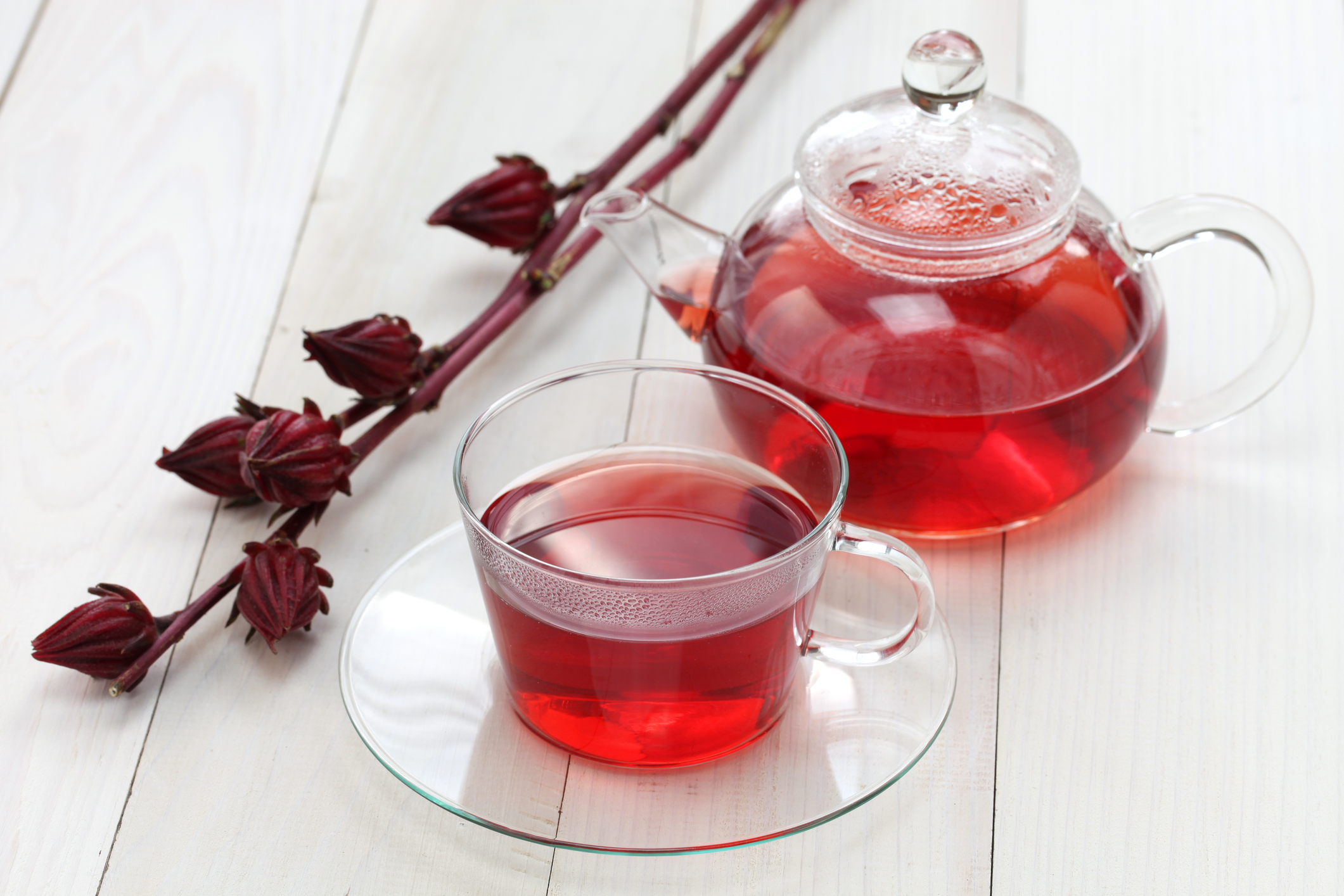
Hibiscus Tea

This cranberry-like sour tea comes from the flower calyx of Hibiscus sabdariffa; it’s popularly consumed in Mexico and the Caribbean as “rosa de jamaica” and roselle and is frequently added to fruity and zinger commercial tea blends.

Several human studies have shown that hibiscus is one of our most effective yet safe herbal options for hypertension. It rivals popular hypertension medications captopril, lisinopril, and hydrochlorothiazide with good tolerability and without potassium loss in human studies.

Hibiscus also reduces bad cholesterol, triglycerides, and blood sugar. The dose is much higher than your typical cup of tea. Aim for 10 to 20 grams of dried hibiscus per day (spread out over one liter or several cups of tea), steeped for 30 minutes.

Though safe and food-like, it may alter and speed the clearance of some medications. Fruit acids in hibiscus tea can be corrosive to tooth enamel over time, so consider brushing your teeth or at least rinsing after you sip. 

Feel free to blend hibiscus with rooibos, another red-hued tea that has performed well in cardiovascular health studies, as well as hawthorn.

Garlic

Even though the “stinking rose” does not drop cholesterol and blood pressure numbers dramatically, it’s still a worthy daily heart tonic. 

Garlic has various beneficial actions for the heart and blood vessels. Alongside modest cholesterol and blood pressure reduction, garlic helps make the blood less sticky and thick (reduced platelet aggregation, atherosclerosis, inflammation, and fibrin). 

Garlic is a blood thinner and should not be combined with blood-thinning medications. Use it in food (chop and let sit 10 minutes) or pills. If you find garlic odor offensive or get digestive upset, try aged garlic extract.

Other heart remedies include omega-3 fatty acids (especially from fish oil and cold water fatty fish), high-polyphenol cacao, turmeric, and food doses of rosemary. Whether you take them as supplements or eat them regularly, they’re easy to include in your heart-healthy daily routine.

Contributor

Maria Noël Groves, RH (AHG)

Maria Noël Groves, RH (AHG), is the best-selling, award-winning author of Herbal Gut Health, Body into Balance: An Herbal Guide to Holistic Self Care, Grow Your Own Herbal Remedies, and Herbal Remedies for Sleep. 

Maria’s a registered professional herbalist with the American Herbalists Guild and a graduate of the Southwest School of Botanical Medicine and Rosemary Gladstar’s Sage Mountain. Learn more about Maria and herbs at Wintergreen Botanicals. Find her remedy-making tips at wintergreenbotanicals.com/kitchenapothecary101

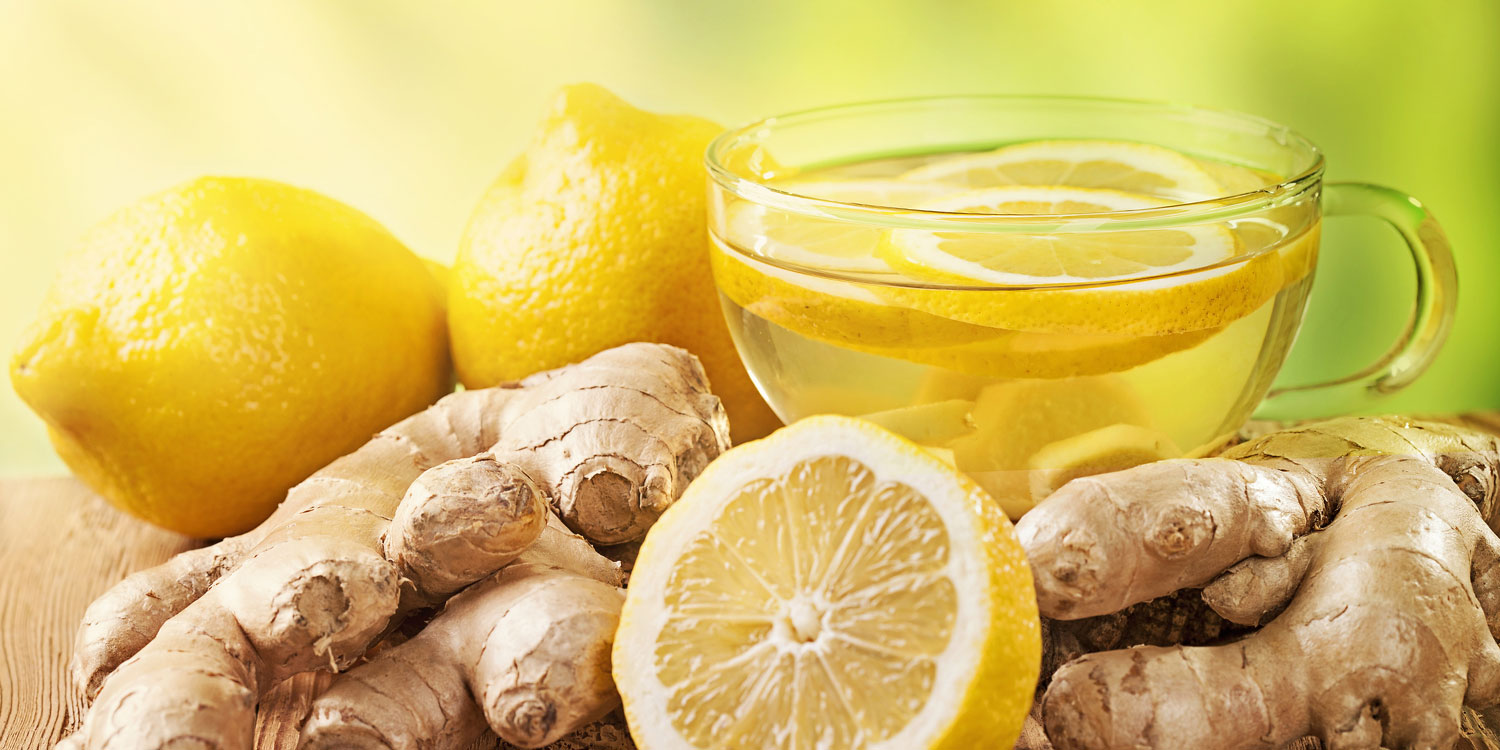
Ginger Thermos Tea

By Maria Noël Groves, RH (AHG)
Ingredients
  • 1-inch chunk fresh ginger, thinly sliced or grated (no need to peel)
  • 16 ounces boiling water
  • optional ingredients:
    • 1 heaping tablespoon of honey
    • 2 squeezed fresh lemon wedges
    • 3 fresh thyme sprigs
    • 2 cinnamon sticks
    • 6 whole cloves
    • 1 star anise pod
Directions
  1. Prepare ginger
  2. Put in thermos with optional ingredients of choice
  3. Pour in boiling water and cover
  4. Let sit 30-60 minutes before drinking.
Nutrition Info

Per serving (made with honey and lemon): 79 Calories, 0 g Protein, 0 mg Cholesterol, 22 g Carbohydrates, 18 g Total sugars (17 g Added sugars), 0 g Fiber, 0 g Total fat (0 g sat), 21 mg Sodium, Vitamin C


Contributor

Maria Noël Groves, RH (AHG)

Maria Noël Groves, RH (AHG), is the best-selling, award-winning author of Herbal Gut Health, Body into Balance: An Herbal Guide to Holistic Self Care, Grow Your Own Herbal Remedies, and Herbal Remedies for Sleep. 

Maria’s a registered professional herbalist with the American Herbalists Guild and a graduate of the Southwest School of Botanical Medicine and Rosemary Gladstar’s Sage Mountain. Learn more about Maria and herbs at Wintergreen Botanicals. Find her remedy-making tips at wintergreenbotanicals.com/kitchenapothecary101

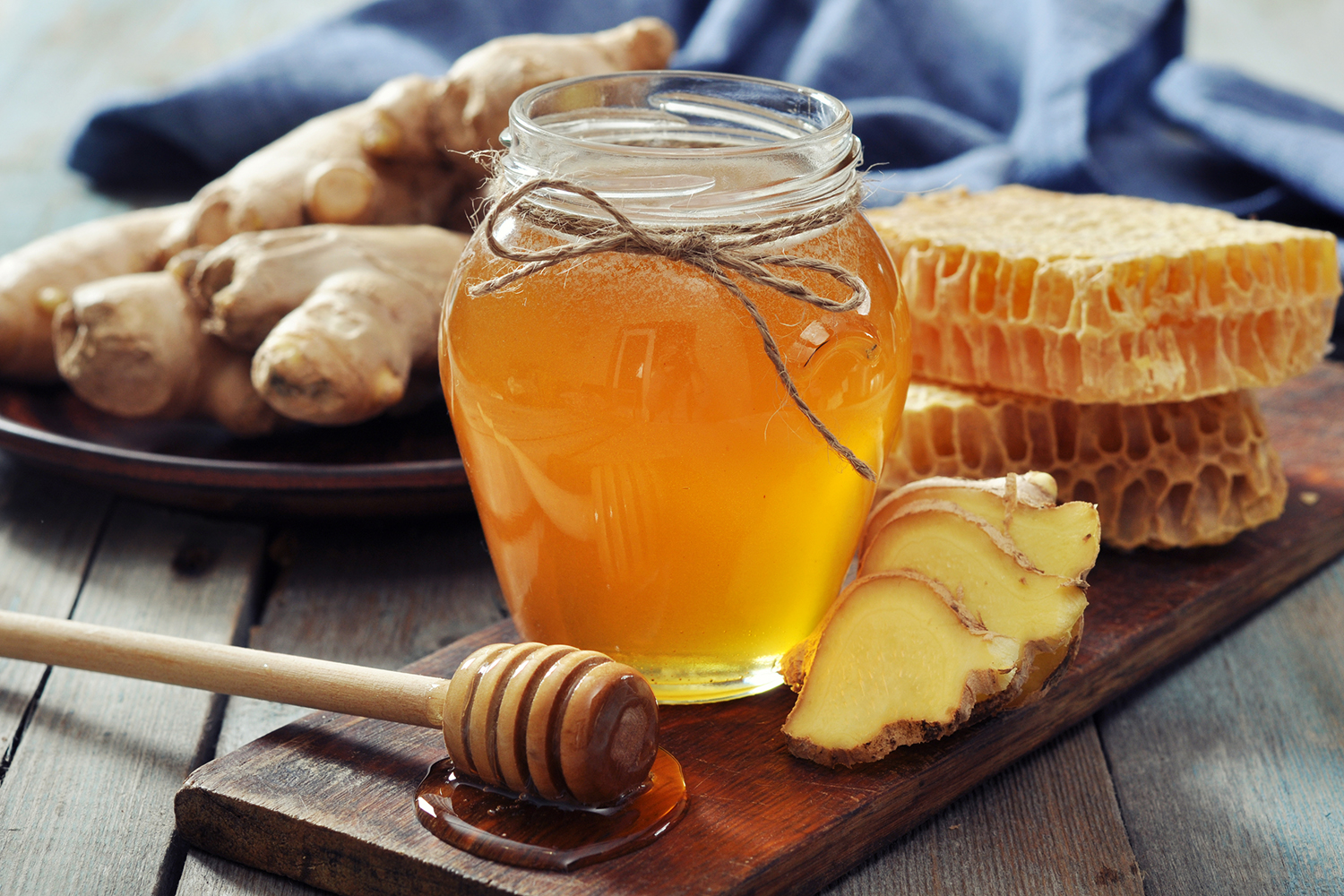
Ginger Honey

By Maria Noël Groves, RH (AHG)
Number of Servings
Makes about 2 cups
Ingredients
  • 1 large hand of fresh ginger root, clean and dry, thinly sliced
  • 2 cups honey (16 oz by volume / 20 oz by weight)
Directions
  1. Warm ginger and honey in a large saucepan, stirring frequently, until small bubbles begin to form.
  2. Turn off the heat, let cool. Leave the lid off (at least until it is cool).
  3. Repeat this at least three times over several hours.
  4. After the last heating, strain the ginger through a fi ne mesh strainer, and pour the honey into glass containers.
  5. Once cool, check the viscosity. If it’s more watery than honey, keep it in the fridge and use within a couple of months. If it’s as thick or thicker than honey, it should be shelf stable for at least a year.
Nutrition Info
Per serving (approximately 1 tablespoon): 89 Calories, 0 g Protein, 0 mg Cholesterol, 24 g Carbohydrates, 23 g Total sugars (23 g Added sugars), 0 g Fiber, 0 g Total fat (0 g sat), 2 mg Sodium
 
Contributor

Maria Noël Groves, RH (AHG)

Maria Noël Groves, RH (AHG), is the best-selling, award-winning author of Herbal Gut Health, Body into Balance: An Herbal Guide to Holistic Self Care, Grow Your Own Herbal Remedies, and Herbal Remedies for Sleep. 

Maria’s a registered professional herbalist with the American Herbalists Guild and a graduate of the Southwest School of Botanical Medicine and Rosemary Gladstar’s Sage Mountain. Learn more about Maria and herbs at Wintergreen Botanicals. Find her remedy-making tips at wintergreenbotanicals.com/kitchenapothecary101

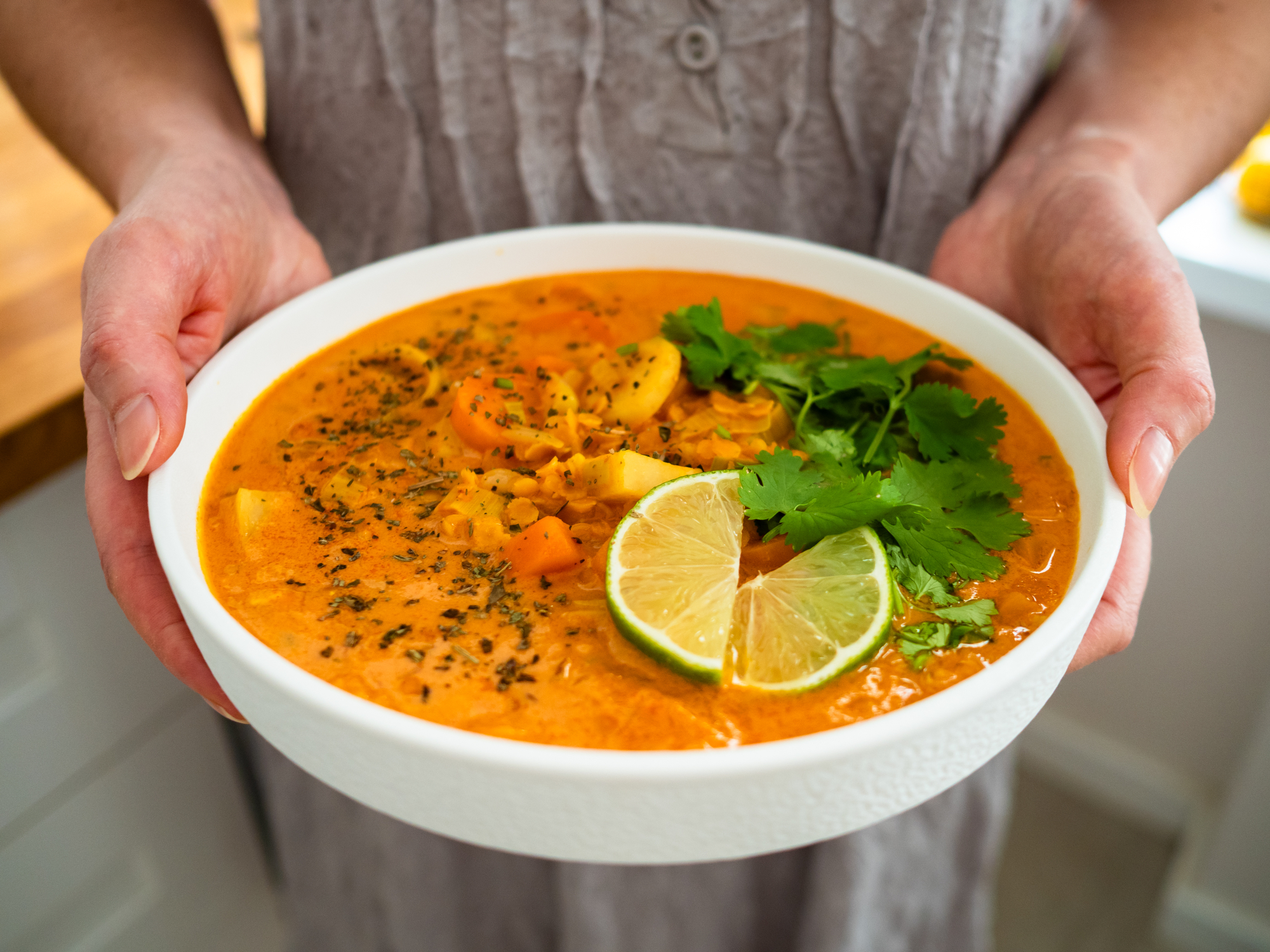
Sweet Potato & Lentil Curry Stew

By The Taste for Life Test Kitchen
Prep Time
45 min prep time
Number of Servings
serves 4
Ingredients
  • 2 Tbsp coconut oil
  • 3 cloves garlic, minced
  • 2 tsp fresh ginger, minced
  • 2 tsp curry powder
  • 1 large sweet potato, peeled and cut into 12-inch cubes
  • 1 (14.5 oz) can diced tomatoes
  • 1 cup red lentils, rinsed and drained
  • 1 (13.5 oz) can lite coconut milk
  • 2 cups vegetable stock
  • Salt and freshly ground black pepper
  • 12 cup chopped cilantro
  • 1 lime, cut into wedges
Directions
  1. Heat oil in a large pot over medium heat. Add garlic, ginger, and curry powder and cook for 1 minute. Add sweet potato and tomatoes and their juices.
  2. Stir in lentils, coconut milk, and stock. Bring mixture to a simmer. Reduce heat to medium-low. 
  3. Cover pot and cook for 30 minutes, stirring occasionally, until sweet potatoes are tender and lentils are soft.
  4. Season to taste with salt and pepper. Stir in chopped cilantro. Serve with lime wedges.
Nutrition Info
Per serving: 364 Calories, 14 g Protein, 46 g Carbohydrates, 9 g Fiber, 14 g Total fat (11 g sat), 357 mg Sodium, ★★★★★ Folate,  ★★★★​ Vitamin B1 (thiamine),  ★★★​ Vitamin A, B3 (niacin), B6, ★★ Vitamin C, Iron, Phosphorus,   Vitamin B2 (riboflavin), K, Magnesium, Potassium, Zinc
Contributor

The Taste for Life Test Kitchen

The Taste for Life staffers have a wide variety of backgrounds and dietary needs. We're always experimenting in the kitchen, and love to share what we cook—and what we learn in the process.

Natural Home Remedies for Diarrhea

Herbs, homeopathy and more

By The Taste for Life Staff

What is Diarrhea?

Diarrhea is frequent loose, watery stools, often accompanied by abdominal cramping and bloating.

What Causes Diarrhea?

Viral and bacterial infections, food poisoning, some medications.

Natural Remedies to Relieve Diarrhea

Luckily, there are many approaches and home remedies to bring comfort and support the body.

  • Supplements

    • Probiotics
    • Zinc
  • Food

  • Herbal Remedies

    • Bee Balm
    • Chamomile
    • Cinnamon
    • Ginger
    • Oregano
  • Lifestyle

    • Drink lots of water
    • Avoid drinking:
      • Alcohol
      • Milk
      • Soda
      • Carbonated or caffeinated drinks
  • Homeopathy

    • Arsenicum
    • Colocynthis
    • Cuprum arsenicosum
    • Gelsemium
    • Podophyllum
    • Sulphur
    • Veratrum album

“5 Effective Diarrhea Remedies” by Joe Bowman and Erica Cirino, www.Healthline.com, 4/8/17

Body into Balance by Maria Noël Groves ($24.95, Storey, 2016)

“Diarrhea,” National Center for Homeopathy, www.HomeopathyCenter.org

“Diarrhea Treatment and Remedies: How to Prevent Serious Complications,” https://articles.Mercola.com

Contributor

The Taste for Life Staff

The Taste for Life staff come from a wide variety of backgrounds and specialties. We believe learning is a life-long process, and love to share the knowledge we gain.

The "Sleepy Girl Mocktail"

This social media hit promises better sleep.

By Nan Fornal

What is a "Sleepy Girl Mocktail?"

  1. Pour a half-cup of tart cherry juice into a glass.
  2. Stir in a tablespoon of magnesium powder.
  3. Add fizz—prebiotic soda, plain seltzer, or sparkling water.
  4. Drink an hour before bedtime.

That’s the basic recipe for a Sleepy Girl Mocktail.

It all began in 2023 when Calee Shea shared on TikTok her go-to sleep aid, unsweetened tart cherry juice mixed with prebiotic soda.

A few months later, Gracie Norton added magnesium powder to the recipe, posted a video on TikTok touting the drink, and the recipe went viral again (more than a million and a half views to date).

Can Tart Cherry Juice Improve Sleep?

“There’s good evidence that drinking tart cherry juice can improve sleep duration and quality,” Samantha Cassetty, MS, RD, told TODAY.com.

When “you have adequate magnesium, you may feel calmer and have fewer physical symptoms of stress, making it easier to sleep.”

Cassetty recommends magnesium glycinate instead of magnesium citrate, which is more likely to cause digestive distress.

Cleveland Clinic dietitian Devon Peart, RD, MHSc, agrees that science supports the possibility that this beverage may help with falling asleep.

The melatonin and tryptophan in tart cherries may promote sleep, Peart says, “but some small studies suggest the main benefit is the anti-inflammatory properties.”

The bottom line, according to Peart, is making the mocktail part of “a routine that promotes sleep,” including:

  • Maintaining a sleep-wake schedule.
  • Using the end of the day to wind down.
  • Avoiding screen use in the hour before bedtime.

Precautions

Consult your healthcare provider before trying the Sleepy Girl Mocktail, recommends Katherine Zeratsky, a registered dietitian nutritionist at the Mayo Clinic.

She also offers the following suggestions:

  • Learn about the potential interactions of magnesium and tart cherry juice with medications and other supplements.
  • Be mindful of the calorie count of the drink, especially if you need to watch your weight or sugar intake.
  • Those who frequently get up to urinate in the night should know that drinking before bed could contribute to the problem.

“Can a ‘Sleepy Girl Mocktail’ really help you sleep?” by Elizabeth Agnvall, www.AARP.org, 2/5/24

“Can the ‘sleepy girl mocktail’ really help you fall asleep faster?” by Brianna Steinhilber, www.Today.com, updated 1/18/24

“Can this viral bedtime ‘mocktail’ actually help you fall asleep?” by Dani Blum, www.NYTimes.com, 1/17/24

“Sleepy Girl Mocktail: What’s in it and does it really make you sleep better?” Cleveland Clinic Health Essentials, Health.ClevelandClinic.org, 11/7/23

Contributor

Nan Fornal

Nan Fornal has experience with fiction, nonfiction, and technical publications, working closely with book and magazine publishers from first edit to final proofing. She has worked with Exeter Press, Boston magazine, and self-publishers alike.

The Reality of The Celery Juice Diet

Learn about the benefits of celery

By Nan Fornal

Naomi Campbell. Robert De Niro. Pharrell Williams. And the star-studded list of celery juice fans goes on.

Long touted by Anthony William, a self-styled “medical medium,” the celery juice diet is one of the latest nutrition fads to trend in Hollywood and on social media.

What is The Celery Juice Plan?

Using celery juice as part of a detox or weight-loss diet starts with making 2 cups of celery juice to drink first thing in the morning on an empty stomach. William recommends waiting 15 minutes before having breakfast.

The Benefits of Celery Juice

Celery is a nutritious vegetable, and removing the fiber through juicing enhances its other components. Mostly water, celery juice is hydrating, low in sugar, and rich in vitamins C and K and other nutrients whose antioxidant properties fight free radicals in the body.

Celery, according to some studies, “may help reduce inflammation and boost cardiovascular health,” says Kristin Kirkpatrick, MS, RD, a licensed dietitian and consultant to the Cleveland Clinic Wellness Institute.

Aside from celery juice, the results of consuming different types of celery preparations in randomized, controlled trials and meta-analyses indicate that daily intake of 1,000 milligrams a day may help with blood pressure, hyperglycemia, and triglyceride levels. There is limited human clinical trial data on celery juice as opposed to celery seeds or celery extracts.

The Cons of Celery Juice

While juicing celery concentrates its mix of nutrients, the removal of fiber presents a problem: Fiber, says Kirkpatrick, “is what makes you feel full . . . and contributes to good gut health.”

Celery juice contains a high amount of the sugar alcohol mannitol, which attracts water to the digestive tract. So, “many people report experiencing digestive side effects like diarrhea after drinking celery juice,” says Rachael Link, MS, RD. While these effects are likely to subside, Link notes that people who already have bowel conditions may suffer more pronounced symptoms.

After the day begins with 16 ounces of celery juice, you’re on your own regarding the diet you follow the rest of the day; “specifics aren’t mentioned,” says Canadian dietitian Katey Davidson, MScFN, RD. “Research also associates juice cleanses with disordered eating and a negative relationship with food,” she adds.

Celery juice can be fairly high in sodium, which may be a concern if you're on a sodium-restricted diet or have high blood pressure. Be sure to talk to your healthcare practitioner before embarking on the celery juice diet if you have high blood pressure, kidney issues, or are on a low-sodium diet.

Summary

If you’ve been impressed by stories of dramatic weight loss from the celery juice diet, find out if the success is attributable to other factors, such as exercising and removing processed foods from the diet. And if you want to try celery juice, Davidson says, “be sure to drink it as part of a healthy diet.”

“5 side effects of celery juice” by Rachael Link, 4/15/21; “Is celery juice healthy? All you need to know” by Katey Davidson, 6/18/20, www.Healthline.com

“Celery juice is a trendy detox drink, but does it actually have benefits? The short answer from a dietitian” by Kristin Kirkpatrick, https://Health.ClevelandClinic.org, 1/15/19

"Effects of celery (Apium graveolens) on blood pressure, glycemic and lipid profile in adults . . ." by D. Liu et al., Frontiers in Nutrition, 7/21/25

Contributor

Nan Fornal

Nan Fornal has experience with fiction, nonfiction, and technical publications, working closely with book and magazine publishers from first edit to final proofing. She has worked with Exeter Press, Boston magazine, and self-publishers alike.

Quell Coughing with Herbs

Honey, herbal teas, and more

By Maria Noël Groves, RH (AHG)

Perhaps no human activity captures our fragile existence like the ability to take a deep breath. Your lungs breathe life into your body, delivering oxygen to the bloodstream and releasing carbon dioxide.

As the seasons change, we become more aware of our lungs. Some respiratory conditions require medical care, including acute asthma and any instance where you’re having difficulty breathing. Yet, herbs offer unique medicine that can improve and strengthen lung health.

Natural Cough Remedies

Several herbs have specific antispasmodic action for coughs, asthma, and other situations where the bronchi spasm.

  • Wild Cherry

    Wild cherry works for dry, irritated coughs.

  • Bitter Horehound

    Bitter horehound helps break up and expectorate wet coughs with thick mucus.

  • Aromatic Herbs

    Menthol from peppermint as well as many other aromatic herbs such as thyme, and bee balm offer anti-spasmodic, cough-relieving properties.

  • Honey

    Honey seems to aid any kind of cough.

Herbs to Soothe Throat and Lung Irritation

Some herbs can create a protective film that soothes a dry, irritated throat or lungs. These herbs include licorice root, marshmallow root or leaf, slippery elm bark, and plantain leaf. They’re primarily water-soluble, making a lovely addition to lozenges, tea blends, and syrups. Look for them on the labels of products you’re considering buying.

Fight Infection with Herbals

When an infection is present or threatens, herbs that have direct antimicrobial action and/or stimulate the immune system to better fight infection can be employed. For all of these, it’s best to start taking the herbs as soon as you suspect you’re sick.

Herbs That Help Fight Infection

  • elderberry and elderflower preparations
  • fresh ginger or garlic
  • umcka
  • echinacea

All parts of echinacea can be helpful, but may be contraindicated in allergies and autoimmune diseases such as asthma. 

Shorten Colds with Vitamin C 

Taking larger amounts of a vitamin C supplement may lead to shorter colds. Most studies examining the effects of the vitamin have used a dosage of 1 gram (g) per day, but researchers have recently found better results with higher amounts.

Participants in two studies received daily vitamin C doses ranging from none (the placebo) up to 8 g. Both studies showed significant dose-response relationships, meaning that higher amounts of the vitamin led to shorter colds.

“It would be worthwhile for individual common cold patients to test whether therapeutic 8 grams per day of vitamin C is beneficial for them,” said researcher Harri Hemilä, MD, PhD. “Self-dosing of vitamin C must be started as soon as possible after the onset of common cold symptoms to be most effective.”

Vitamin C is considered to be safe as a dietary supplement, but check with your healthcare practitioner before opting for large doses of any supplement.

Boost Immunity with Fish Oil

Taking a fish oil supplement for 12 weeks provided a significant immunity boost in overweight adults. Participants took four 1-gram capsules of a high-DHA concentrate per day and saw improvements in antibody production.

Body into Balance: An Herbal Guide to Holistic Self Care by Maria Noël Groves ($24.95, Storey Publishing, 2016)

“Larger doses of vitamin C may lead to a greater reduction in common cold duration,” University of Helsinki, 3/30/17

“Effects of fish oils on ex vivo B-cell responses...” by W. Guesdon et al., Journal of Nutritional Biochemistry, 3/18

Contributor

Maria Noël Groves, RH (AHG)

Maria Noël Groves, RH (AHG), is the best-selling, award-winning author of Herbal Gut Health, Body into Balance: An Herbal Guide to Holistic Self Care, Grow Your Own Herbal Remedies, and Herbal Remedies for Sleep. 

Maria’s a registered professional herbalist with the American Herbalists Guild and a graduate of the Southwest School of Botanical Medicine and Rosemary Gladstar’s Sage Mountain. Learn more about Maria and herbs at Wintergreen Botanicals. Find her remedy-making tips at wintergreenbotanicals.com/kitchenapothecary101

Don't Miss a Thing!


Get the latest articles, recipes, and more, when you sign up for the tasteforlife.com newsletter.

Hot Product