Managing IBD

Heal your gut, and encourage healthy digestion.

By Maria Noël Groves, RH (AHG)

Crohn’s disease and colitis are serious, complex, and potentially debilitating inflammatory bowel diseases (IBD) that affect more than one million Americans.

Symptoms of IBD

They are characterized by physical damage and inflammation in the intestinal lining and both systemic and gastrointestinal symptoms

  • diarrhea
  • cramps
  • digestive upset
  • fatigue
  • malnutrition
  • unhealthy weight loss

Even though IBD can be life threatening and often requires medical treatment, it also tends to be responsive to diet changes, supplements, and herbs.

Our holistic goals are multifaceted:

  • address nutrient deficiencies
  • decrease inflammation
  • decrease immune dysfunction
  • heal the gut

...and, overall, to encourage healthy digestion and elimination.

How to Maintain Gut Health with IBD

  • Avoid Problematic Foods

    Most holistic practitioners and patients find avoiding problematic foods is the most dramatic and effective way to get IBD under control.

    People with IBD often have underlying food allergies, intolerances, and sensitivities, which cause digestive discomfort and may also increase inflammation and the body’s autoimmune response.

    Common problematic foods include coffee, gluten/wheat, dairy, and eggs, but people vary widely. You need to avoid only foods that actually bother you; no one diet works for everyone.

    Elimination-Rechallenge Dieting

    Consider an elimination-rechallenge diet and/or immunoglobulin G (IgG) food allergy and celiac disease testing to sleuth it out. Start by avoiding anything that irritates.

    After you heal your gut and are symptom-free for several months, you may find you can reintroduce some foods without issue.

  • Address Nutrient Deficiencies

    Nutrient deficiencies and malnutrition are common in IBD, especially Crohn’s. Food moves too quickly through the digestive tract, and poor intestinal lining impairs the ability to absorb nutrients. Eating nutrient-dense yet easily digestible foods, plus taking targeted supplements, can help improve energy levels, immune function, gut repair, and vitality.

    Common nutrient deficiencies in IBD include:

    • vitamin B12
    • vitamin D
    • folate
    • calcium
    • magnesium
    • zinc
    • iron

    Start with a good-quality multivitamin/mineral designed for easy absorption. You may find you need additional specific supplements.

    Before taking iron or megadoses of other nutrients, have your levels tested.

  • Boost Good Bacteria

    Probiotics are gut-healing allies. Beneficial bacteria help maintain good gut health and function, decrease inflammation, improve nutrient absorption, and encourage healthy immune function. Increasing research suggests that supplementing the diet with probiotics gradually shifts gut ecology for the better.

    • Consider a high-potency product that delivers both Lactobacillus and Bifidobacterium.
    • Eat more fermented vegetables:
      • kimchi and live sauerkraut
      • miso (fermented soybean paste) soup
      • yogurt and kefir (if you’re not dairy sensitive)
    • Ginger root encourages beneficial bacteria while fighting pathogens.
    • Fiber from food or supplements promotes good bacteria and helps normalize bowel movements and decreases IBD and colon cancer risk.
  • Deal with Pathogens

    IBD and dysbiosis, an overabundance of pathogenic gut bacteria and yeasts, go hand in hand, worsening each other.

    Herbs for Pathogens and Dysbiosis

    If you have signs of pathogens and dysbiosis, the following herbs are used specifically and temporarily to deal with them:

    • high-berberine plants
      • goldenseal
      • Oregon grape root
      • coptis
      • barberry
    • oregano-like plants
      • bee balm
      • thyme
    • pau d’arco
    • clove
    • ginger
    • cinnamon
    • garlic
    • tannin-rich plants
      • various Rumex species
      • oak
      • alder

    Unlike antibiotic medications, these natural remedies are less likely to compromise good bacteria. You may want a practitioner’s guidance for pathogen identification and treatment options.

  • Heal the Gut

    Promoting gut repair is an important aspect of managing IBD that conventional medicine ignores.

    • Slimy Herbs

      Slimy herbs are gut-healing stars because they soothe inflamed gut lining and promote tissue healing: licorice, slippery elm, marshmallow root, and aloe inner gel.

      (Aloe latex is a laxative and a gut irritant—counterproductive for IBD. Avoid whole-leaf preparations.)

      The slimy demulcent and mucilaginous properties of these plants are best extracted in water:

      • steep teas overnight
      • add them to drink mixes
      • try chewable tablets
    • Licorice

      Licorice heals the gut in multiple ways, but it can also cause hypertension and kidney issues when taken in high doses or long term. The offending compound is removed from DGL tablets, offering most of the healing properties without the safety concerns.

    • Supplements

      On the supplement front, the amino acid glutamine encourages gut repair, as do butyrate, silica/horsetail, gelatin, collagen, and bone broth.

    It takes time to heal the gut. You may notice immediate improvement, but these remedies should be taken long term, until you’ve been symptom-free for several months.

“Environmental risk factors for inflammatory bowel disease” by N. Molodecky and G. Kaplan, Gastroenterology and Hepatology

“Fermented fruits and vegetables of Asia: A potential source of probiotics” by M. Swain et al., Biotechnology Research & Innovation

“Nutritional considerations in inflammatory bowel disease” by K.A. Eiden, Practical Gastroenterology

“Plant tannins: A novel approach to the treatment of ulcerative colitis” by C. Clinton, Natural Medicine Journal

Attachment Size
TFL Expert Insights: Managing IBD (Color) (862.04 KB) 862.04 KB
TFL Expert Insights: Managing IBD (B&W) (592.79 KB) 592.79 KB
Contributor

How Different Teas Ease Stress

Take a deep breath . . . and a nice long sip.

By The Taste for Life Staff

Taking the time to brew a hot cup of tea can help ease anxiety and stress.

Researchers have found that simply holding a warm mug gives you a more generous, kind demeanor and improves your perception of others.

Of course, the herbs themselves offer many other health benefits, aside from mental health management.

Here’s what you need to know if you’re in need of a stress-free tea time.

Different Types of Tea

The tea world can be divided in half: camellia and herbal.

  • Herbal Teas

    Herbal teas contain no Camellia sinensis. Instead they are flavorful infusions of botanical roots, bark, leaves, seeds, and other plant parts.

    Technically, an herbal tea is known as a tisane. Rooibos, or red tea, constitutes its own province in this realm.

  • Camellia Teas

    Camellia sinensis leaves are used for a variety of types of tea: black, oolong, green, and white.

    The differences between each involve various degrees of oxidation and how the tea leaves are processed.

    All these teas are rich in flavonols (plant-based antioxidants) like quercetin, kaempferol, and myricitin.

    • Black Teas

      Black tea leaves are oxidized up to four hours. Oolong oxidizes for two to three hours.

      During oxidation, camellia leaves evolve chemically, resulting in characteristic color and flavor changes.

      Due to oxidation, black tea has a stronger, more bitter taste than green or other teas.

      Benefits of Black Tea
      • Heart Health

        Several studies suggest drinking between three to five cups of this tea daily may support heart health.

        One study shows that those who drink more than 16 fluid ounces of black tea daily have a 50% lower prevalence of cardiovascular disease than those who don’t drink tea.

        Another study indicates that people who consume more than three cups of black tea a day can reduce their risk of having a heart attack by 43%, compared to those who don’t drink tea.

        Drinking black tea may also boost heart health by improving cholesterol levels. A U.S. Department of Agriculture trial found that those who drink five cups of black tea daily, while consuming a diet moderately low in fats and cholesterol, had a decrease in LDL cholesterol of 11% in only three weeks.

      • Bone Strength

        In addition, black tea seems to improve skeletal mass in older women.

        One study assessed bone mineral density (BMD) in tea drinkers and non-tea drinkers to find that tea drinkers had an average of 5% greater BMD than non-tea drinkers.

        Study authors suggest that tea’s flavonoids may influence BMD.

      • Stress Recovery

        Black tea may even assist the body in recovery from stress.

        Men who drank tea four times a day for six weeks had lower levels of the stress hormone cortisol in their blood after a stressful event, compared to the control group that did not drink tea.

    • Green and White Teas

      Green and white teas, by contrast, are not oxidized at all but are steamed, rolled, and dried.

      Green tea comes from mature leaves. White tea results from immature leaves harvested prior to their opening fully, when the buds feature a fine, white, hair-like substance.

      Green and white teas are the least processed forms of true tea, giving them slightly less caffeine, more antioxidants, and greater health benefits.

      Benefits of Green Tea

      Perhaps the most notable tea for health is green. Many reports cite it for overall good health, possible cancer prevention, and other benefits.

      Green tea boasts more scientific research than any other tea, though it’s fair to assume white tea is at least as good. Matcha is a Japanese green tea that has ten times the nutritional value of regular green tea in terms of antioxidants and vitamins. 

      Green tea’s health-promoting properties are ascribed to the superior level of active catechins due to the leaves’ unfermented state.

      One active green tea substance, epigallocatechin-3-gallate (EGCG), seems to prevent changes in cells that can lead to chronic disease.

      Drinking green tea regularly is linked to:

      • improved cognition
      • weight loss
      • immune function
      • improved mood
      • decreased inflammation
      • lower cancer risk
      • increased metabolism

Specific Stress-Free Teas to Try

  • De-Stress with Tulsi

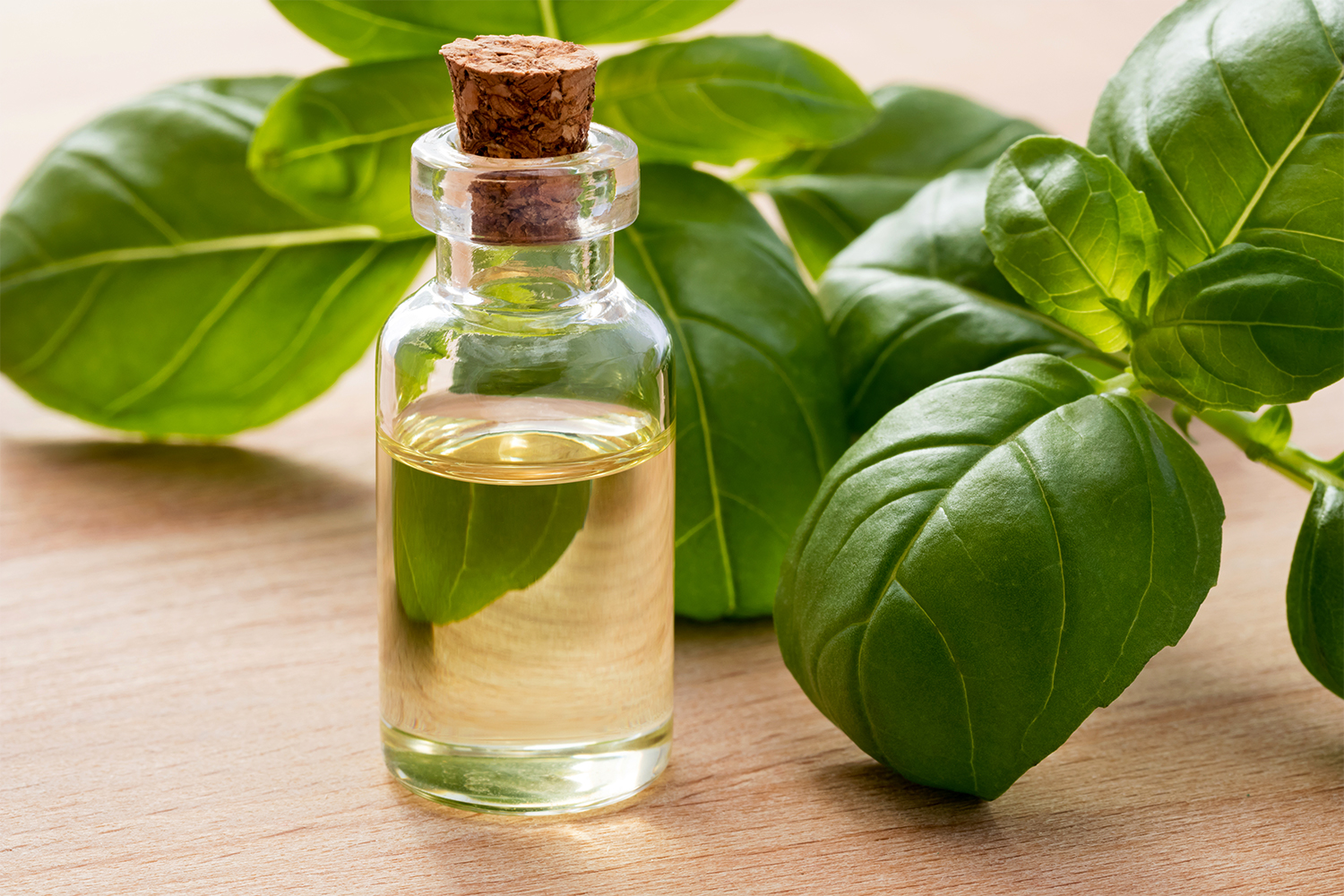
    This tea, also known as holy basil or sacred basil, is well-known in its native India and has recently become popular in the United States. It is planted in temples around India.

    The leaves and flowers have adaptogenic properties, which means they help the body adapt to stress, decreasing its effects.

    In addition to its calming and energizing properties, tulsi:

    • decreases inflammation
    • improves cognition and mood
    • lowers blood sugar
    • boosts immune function
    • balances cortisol (a stress and blood sugar hormone)

    Tulsi blends well with green tea. Steep the herb for five minutes or as long as you like.

  • Savor Cinnamon Bark Tea

    Cinnamon bark makes a deliciously sweet tea that’s free of sugar and caffeine.

    It has anti-inflammatory and antimicrobial properties, and it lowers blood sugar by making cells more sensitive to insulin.

    Cinnamon is an astringent herb that tightens and tones the digestive tract in cases of diarrhea and leaky gut.

    If you’re making tea with plain cinnamon, seek the whole sticks or chips because the powder transforms into a mucus-like consistency.

    You can simmer cinnamon for 20 minutes or let it steep for an hour or longer.

  • Revel in Hibiscus

    If you’ve tasted any red or fruity tea blend, you’ve probably sipped hibiscus.

    Also known as roselle and “rosa de Jamaica,” hibiscus comes from Mexico, the Caribbean, and Central America.

    Sipped cold and sweetened, it helps keep you cool on a hot day. Unsweetened, it tastes more like tart cranberry juice.

    Hibiscus is made with the flower calyx of the plant, but it provides more fruit flavor and color than almost any dried fruit. It contains anthocyanin and bioflavonoid compounds similar to berries.

    Recent research has uncovered health benefits:

    • Hibiscus performs as well as several hypertension medications.
    • It also helps lower cholesterol and blood sugar.
    • Like cranberry juice, it may help prevent urinary tract infections.
    • Sipped with honey, it soothes sore throats.

Seek Good Vibes

The source of your tea matters. Organic teas will contain fewer pesticides and other synthetic farming agents while having a better impact on the environment.

Several popular tea brands have been under scrutiny for potentially containing illegal levels of pesticides.

For tea coming from far away, seek fair-trade options, which ensure that the people who grew your tea (often in developing countries) are treated and paid well.

Many herbal teas are available from farms that use organic methods and put good vibes into your tea. 

Good Vibes Matter

In one study, tea drinkers who drank tea “treated” with good intentions from Buddhist monks had greater mood benefits than those who drank tea made from the same ingredients but without the “treatment.”

Choose the Best Tea for You

While tea provides all sorts of benefits, some may be better for your lifestyle than others.

For example, tea has a small amount of caffeine. If this interferes with sleep, makes your heart go pitter-patter, or frays your nerves, consider naturally decaffeinated green tea or very lightly brewed white tea.

Be sure to research the ingredients in your brew, as well as the side effects they could cause, in order to embrace the best tea-drinking habit for you.

“Cinnamon as a complementary therapeutic approach . . .in Type 2 diabetes . . .” by M.L. Silva et al., Nutrients, 7/22

“Effect of Hibiscus sabdariffa on blood pressure . . .” by M. Jalalyazdi et al., Journal of Advanced Pharmaceutical Technology, 7-9/19

“Effect of sour tea (Hibiscus sabdariffa L.) on arterial hypertension . . .” by C. Serban et al., Journal of Hypertension

“Experiencing physical warmth promotes interpersonal warmth” by L.E. Williams and J.A. Bargh, Science

“Metaphysics of the tea ceremony . . .” by Y.J. Shiah and D. Radin, Explore (NY)

“Pesticide traces in some teas exceed allowable limits” by Megan Griffith-Greene, www.CBC.ca

“Tea and its consumption: Benefits and risks” by K. Hayat et al., Critical Reviews in Food Science and Nutrition

“Tulsi—Ocimum sanctum: A herb for all reasons” by M.M. Cohen, Journal of Ayurveda and Integrative Medicine

Contributor

The Taste for Life Staff

The Taste for Life staff come from a wide variety of backgrounds and specialties. We believe learning is a life-long process, and love to share the knowledge we gain.

Ease Constipation with Fiber

By Kelli Ann Wilson
a woman waiting on the toilet with despair, a roll of paper in hand
File ID 216316189 | © Igor Mojzes | Dreamstime.com

If you or someone in your family is experiencing constipation, you’re not alone.

Most of us will have trouble with this common affliction at some point in our lives.

Thankfully, there are natural ways to get things moving.

What Is Constipation?

Constipation is usually defined as a change in the frequency of bowel movements—the “normal” range is three times a day to three times a week.

Constipation can be acute or chronic, and is characterized by a host of uncomfortable symptoms:

  • passing hard stools
  • feeling bloated or full
  • nausea
  • abdominal pain
  • strained bowel movements

What Causes Constipation?

These can all lead to bathroom trouble:

  • dehydration
  • lack of exercise
  • illness or chronic disease
  • high stress levels
  • lack of dietary fiber

The Importance of Fiber

The most common cause of constipation is a low-fiber diet.

Fiber adds bulk to stool, making it easier to move along the digestive tract.

Americans typically fall short of the recommended daily fiber intake (25 g for women, and 38 g for men).

Consuming more high-fiber foods can relieve and even prevent constipation.

What Can You Do about Constipation?

It’s easy to boost your fiber intake by incorporating more vegetables, fruit (especially dried fruit), whole grains, beans, nuts, and seeds into your diet.

You can meet your daily fiber needs with 2 cups of fruit and 2 12 cups of vegetables per day.

Small changes can make a big difference. Easy ways to boost fiber intake for the whole family include:

Tips for Kids with Constipation

Constipation can be painful and stressful for children, but it is surprisingly common, affecting up to 30 percent of kids. Here are some ways to keep things running smoothly:

  • Keep kids hydrated. Water is best, and it helps to soften stools.
  • Boost fiber intake with whole grains, vegetables, and fruit.
  • Warm foods at breakfast can stimulate digestion.
  • Make movement a priority—kids should engage in at least 30 minutes of physical activity per day to encourage healthy digestion.

“Constipation,” University of Maryland Medical Center, www.umm.edu, 12/19/15

Freedom from Constipation by Christopher Vasey, ND ($14.95, Healing Arts Press, 2017)

“What is Fiber?” Academy of Nutrition and Dietetics, www.EatRight.org, 1/20/14

“Easing Your Child’s Constipation” by Susan Moores, Academy of Nutrition and Dietetics, www.EatRight.org, 6/21/17

Contributor

Kelli Ann Wilson

Associate Editor

Kelli Ann Wilson is Associate Editor at Taste for Life magazine. In her free time she enjoys reading, writing, photography, gardening, and spending time with her husband and two kids.

Weatherproof Your Skin with Collagen

By Victoria Dolby Toews, MPH

Collagen is a key component of the skin’s structure, responsible for keeping it firm and elastic. As we age, our bodies begin to slow the production of collagen, resulting in fine lines and wrinkles, and decreased moisture.

Eating a healthy diet, staying hydrated, and exercising regularly can help slow the process of collagen loss and dryness. Read on to learn how collagen supplements can play a part in maintaining healthy, youthful skin.

How Collagen Can Help Protect Skin

  • Counteract Dryness with Collagen

    Research indicates that collagen supplements can help counteract the natural signs of aging. A group of healthy women with visible signs of aging were given a daily collagen supplement for 12 weeks.

    At the end of the study, their skin had improved dramatically, with fewer visible lines and wrinkles, and a significant decrease in dryness and scaling.

    Researchers concluded that collagen supplements helped to increase collagen production.

  • Battle Fine Lines and Wrinkles

    To reduce skin wrinkles, Alexis Parcells, MD, recommends 2.5 daily grams of hydrolyzed collagen type I or a mixture of types I and II for demonstrated benefits after eight to 12 weeks.

    In a large, double-blind, placebo-controlled study, women who took a daily dose of 2.5 grams of hydrolyzed collagen experienced a 20 percent reduction in crow’s feet after eight weeks.

    Another outcome of the supplementation was that the women’s own production of procollagen—the precursor to collagen—increased by 65 percent.

  • Collagen Boosts Nail Growth

    A recent study revealed that daily oral supplementation with collagen peptides improved symptoms of brittle nail syndrome (nails that are rough, ragged, and peeling).

    Participants saw their nail growth rate boosted by 12 percent, and a 42 percent decrease in the frequency of broken nails after supplementation.

    A whopping 88 percent continued to see improvements four weeks after the end of the treatment period.

  • Collagen Can Improve Elasticity

    A 2017 pilot study determined that oral intake of a collagen supplement derived from eggshells can improve skin elasticity by 12 percent after five weeks of supplementation.

    All study participants reported satisfaction with facial skin softness—and a majority were satisfied with facial skin hydration, body skin hydration, and effects on hair—at the end of 50 days of treatment.

  • Peptides: Skin Deep

    Several studies have shown that oral supplementation with collagen boosts collagen peptide levels in the blood, and now a new study confirms that those peptides show up in the skin, as well.

    Using a mouse model, researchers were able to observe collagen peptides in blood plasma and skin and determined that, “. . . functional peptides can be transferred to the skin by dietary supplements of collagen.”

“Beneficial effects of oral supplementation with Ovoderm on human skin . . .” by A. Aguirre et al., Journal of Dietary Supplements, 11/2/17

“Oral supplementation with specific bioactive collagen peptides improves nail growth and reduces symptoms of brittle nails” by D. Hexsel et al., Journal of Cosmetic Dermatology, 8/8/17

“Oral ingestion of collagen hydrolysate leads to the transportation of highly concentrated Gly-Pro-Hyp and its hydrolyzed form of Pro-Hyp into the bloodstream and skin” by M. Yazaki et al., J Agric Food Chem, 3/22/17

“Oral Intake of specific bioactive collagen peptides reduces skin wrinkles . . .” by E. Proksch et al., 12/24/13; “Oral supplementation of specific collagen peptides has beneficial effects on human skin . . .” by E. Proksch et al., 8/14/13, Skin Pharmacol Physiol

Contributor

Victoria Dolby Toews, MPH

Victoria Dolby Toews, MPH, is an evidence-based, integrative medicine journalist with more than 20 years of research and writing expertise, She received her Master of Public Health from OHSU-PSU School of Public Health.

She is the author or co-author of numerous books, including Life After Baby (2012), The Green Tea Book, 2nd edition (Penguin, 2008). User’s Guide to Healthy Digestion (Basic Health Publications, 2004), The Soy Sensation (McGraw-Hill, 2002), User’s Guide to Glucosamine and Chondroitin (Basic Health Publications, 2002), The Common Cold Cure (Avery, 1999), and The Green Tea Book (Avery, 1998).

Her work was recognized for excellence as a 2001 finalist for the Maggie Awards (Western Publications Association award honoring editorial excellence in magazines west of the Mississippi River).

Natural Alternatives to Statin Drugs

Foods and supplements that may lower LDL cholesterol

By The Taste for Life Staff

“What if you put 250 people in a room and told them they would each pay $1,000 a year for a drug they would have to take every day, that many would get diarrhea and muscle pain, and that 249 would have no benefit? And that they could do just as well by exercising? How many would take that?” asked Jerome Hoffman, MD, professor of emergency medicine at UCLA.

He was referring to statins, which are prescribed for lowering cholesterol and are the best-selling drugs in the history of medicine. Dr. Hoffman’s query is not simply rhetorical.

Even the pharmaceutical giant Pfizer—which produces Lipitor, by far the most profitable statin—agrees that the drug prevents at best one heart attack per 100 patients who already have “multiple risk factors for heart disease.”

And statins often cause liver irritation, muscle cramps and pain, and memory problems.

How Do Statins Work?

Statins work by blocking an enzyme that produces cholesterol in the liver. They are effective at lowering LDL (bad) cholesterol, elevating HDL (good) cholesterol, and reducing triglycerides, a type of fat in the blood. For most people, eating a healthy diet, getting adequate exercise, and following other positive lifestyle practices will produce the same results.

About a quarter of the population is genetically predisposed to high cholesterol, and medication is sometimes a necessary option. But everyone benefits from lifestyle changes too.

“When I prescribe medication, I always tell my patients that I am giving them only 50 percent of what they need,” writes Stephen R. Devries, MD, author of What Your Doctor May Not Tell You About Cholesterol. “The other half comes from their diet and exercise plans.”

How to Help Keep Cholesterol in Check

We do need cholesterol, and plenty of it. The waxy substance is essential for thousands of bodily functions and is a key component of cell membranes. But too much of the wrong kind causes problems, as does too much cholesterol in the blood.

Foods that help regulate cholesterol levels include nuts (especially almonds, walnuts, and cashews), soy protein, garlic, green tea, ground flaxseed, oat bran, and many fruits and vegetables. Consumption of extra-virgin olive oil has been shown in human studies to reduce cholesterol.

You’ll also keep levels in check by limiting refined carbohydrates from cookies, chips, soda, and other snacks, and by avoiding trans fats (watch labels for partially hydrogenated oil). Functional medicine authority Mark Hyman, MD, says the most harmful type of cholesterol occurs as small, dense, hard particles, which “act like BB pellets, easily penetrating your arteries.” He says that the largest source of these abnormal particles is sugar.

“The sugar you consume converts to fat in your body. And the worst culprit of all is high fructose corn syrup (HFCS).” Dr. Hyman adds that HFCS “is the primary nutritional cause of most of the cholesterol issues we doctors see in our patients.”

Supplements to Support Cholesterol Levels

Nutritional supplements geared toward maintaining optimal cholesterol levels can pay dividends for almost everyone. Consider these:

  • Artichoke Extract

    Artichoke extract appears to increase the production of bile in the liver, which enables excretion of cholesterol.

  • Fish Oil

    Fish oil—high in omega-3 fatty acids—lowers triglycerides, reduces inflammation, and raises HDL.

  • Garlic Extract

    Garlic extract is proven to lower cholesterol levels and triglycerides. In one eight-week study, reductions in LDL cholesterol and total cholesterol were seen in adults who received a supplement containing extracts of garlic and onions. They also saw improvements in blood pressure and oxidative and inflammatory markers after taking the supplement.

  • Niacin

    Niacin, a B vitamin, helps remove LDL from the blood and return it to the liver.

  • Policosanol

    Policosanol, a mix of specialized fats from various plants, shows promise in regulating cholesterol.

  • Psyllium

    Psyllium, high in soluble fiber, reduces cholesterol absorption in the intestines.

  • Soy Protein Isolate

    Soy protein isolate may reduce LDL and triglycerides.

“Do cholesterol drugs do any good?” by John Carey, Business Week

“Facing generic Lipitor rivals, Pfizer battles to protect its cash cow;" “Senators question deals to block generic Lipitor” by Duff Wilson, New York Times

“High cholesterol” by Andrew Weil, MD, www.drweil.com

“The impact of dietary changes and dietary supplements on lipid profile” by J. Huang et al., Canadian Journal of Cardiology

“Lipid-lowering efficacy of red yeast rice in a population intolerant to statins” by C. V. Venero et al., The American Journal of Cardiology

“Nutritional supplements and serum lipids: Does anything work?” by M. P. McGowan and S. Proulx, Current Atherosclerosis Reports

"Recipe for heart health: A randomized crossover trial on cardiometabolic effects of extra virgin olive oil within a whole-food plant-based vegan diet" by A.M. Krenek et al., Journal of the American Heart Association, 8/24

"LDL-cholesterol-lowering effects of a dietary supplement containing onion and garlic extract . . . " by T. Vezza et al., Nutrients, 8/24

What Your Doctor May Not Tell You About Cholesterol by Stephen R. Devries, MD, with Winifred Conkling ($14.99, Warner Wellness, 2007)

“Why cholesterol may not be the cause of heart disease” by Mark Hyman, MD, Huffington Post

Contributor

The Taste for Life Staff

The Taste for Life staff come from a wide variety of backgrounds and specialties. We believe learning is a life-long process, and love to share the knowledge we gain.

Natural Energy Boosters

Supplements to Fight Fatigue

By Kelli Ann Wilson
A young woman that has fallen asleep while working on her computer.
ID 156394920 © Freemanhan2011 | Dreamstime.com

Modern life moves at a fast pace, and we’re often juggling multiple priorities—family, work, health concerns, and our finances can all cause stress. Sometimes we struggle to deal with all of the ups and downs.

Constant stress can leave us feeling as if our energy has been zapped. Thankfully, there are lots of natural ways to help our bodies fight fatigue and reduce stress so we are better equipped to take on whatever life throws at us.

Supplements for Energy

Adaptogens for Energy

  • Adaptogens to Relieve Fatigue

    Chronic stress can affect everything from hormones to cardiovascular function, and many of us are perpetually imbalanced. Reducing stress through diet, exercise, and relaxation techniques is a good start.

    Supplements can also help. Adaptogenic herbs support the endocrine and immune systems and boost the body’s ability to fight stress. Here are a few to try:

    • Ginseng

      Ginseng (Panax spp.) is a staple of traditional Chinese medicine and a first line of defense against sluggishness. Both Asian ginseng (P. ginseng) and American ginseng (P. cinquefolius) help boost energy levels, regulate blood sugar, and improve libido.

      Due to high demand, wild stands of both types of ginseng have been greatly reduced—look for brands that have been sustainably harvested.

    • Eleuthero

      Eleuthero (Eleutherococcus senticosus), a “cousin” of ginseng, has been shown to boost energy levels. It appears to be especially helpful for those who work long shifts or odd hours.

      It may also boost endurance and stamina in athletes.

    • Codonopsis

      Another option to consider is codonopsis (Codonopsis spp.), also known as “poor man’s ginseng,” which is less well known. Research suggests that it may be an effective energy booster.

    • Rhodiola

      If you need a quick pick-me-up, consider fast-acting rhodiola (Rhodiola rosea). Research indicates that rhodiola can boost energy in the short term, and it also provides long-term physical and mental energy.

      Rhodiola may reduce symptoms of depression including insomnia and mood swings.

  • Adaptogens to Give Your Brain a Boost

    If you find that you can’t focus or that your thinking has become cloudier than usual, you may want to try one of these brain-helping supplements.

    • Ginkgo

      Commonly praised as a brain-boosting herb, Ginkgo (Ginkgo biloba) is a staple of traditional Chinese medicine.

      Contemporary research tends to focus on Ginkgo biloba extract (GBE), which appears to improve cognition, especially in young and middle-aged healthy people.

      Some studies indicate that GBE may improve memory in people with dementia.

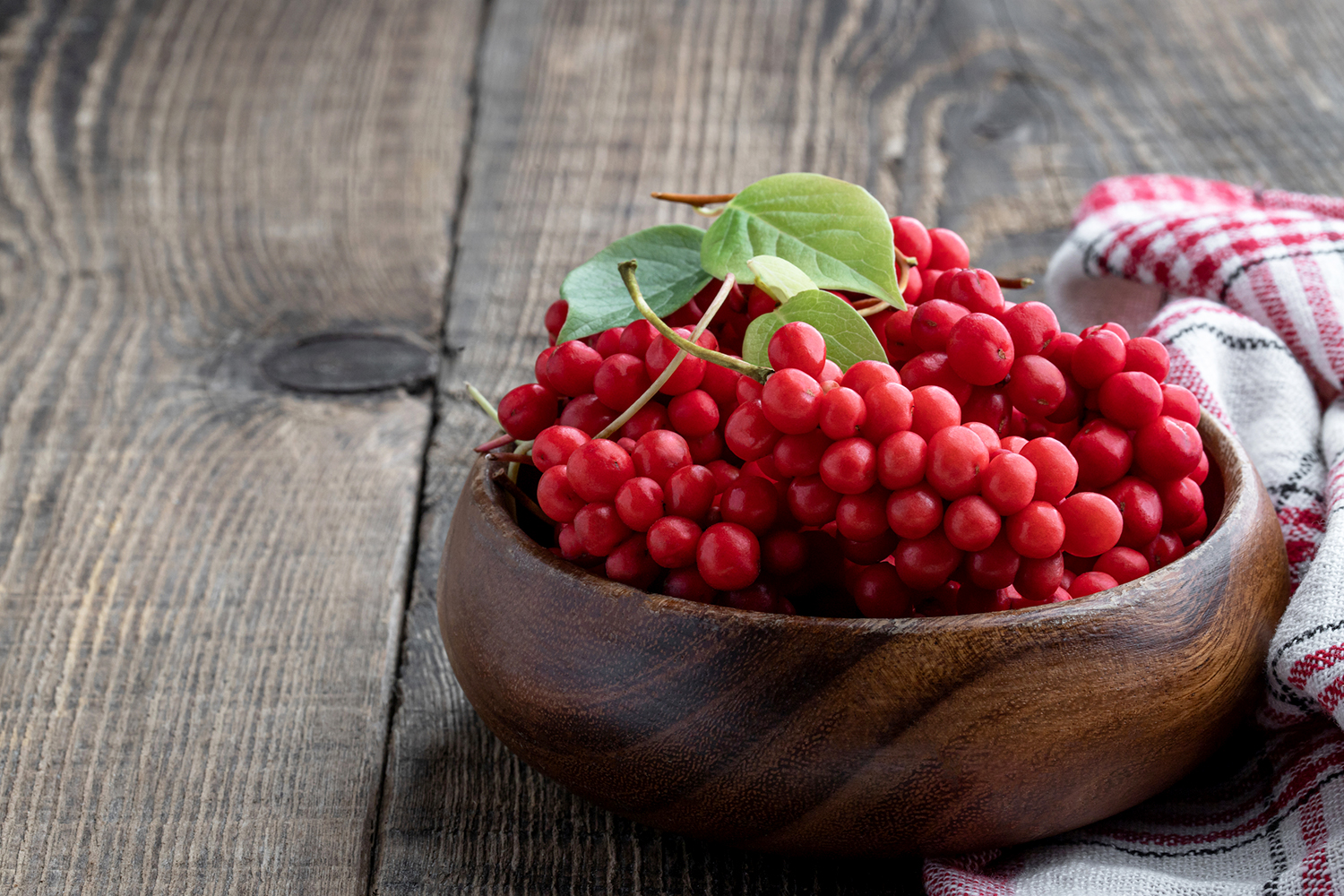
    • Schisandra

      Schisandra (Schisandra chinensis) acts as a mild stimulant for the nervous system, supporting concentration, boosting mental activity, and improving work performance.

      It also helps to relieve anxiety and stress, allowing for greater mental clarity.

    • Gotu kola

      Gotu kola (Centella asiatica) works more slowly than some other natural remedies, but studies show that it has positive effects on mental function, including giving a boost to working memory.

    • Green Tea Extract

      Green tea extract has been shown to enhance cognitive function and working memory. One study found that participants performed significantly better on working memory tests after supplementation with green tea extract.

      EGCG (epigallocatechin-3-gallate), a component of green tea extract, may also improve memory impairment and other cognitive defects triggered by a typical Western diet high in fat and sugar.

Other Nutrients to Boost Energy Levels

Other nutrients that may help boost energy levels include:

  • Vitamin B12 which may boost concentration, memory, and mood.
  • Magnesium, which converts glucose into energy.
  • Omega-3 fatty acids, especially alpha linolenic acid (ALA), that assist with energy generation and may help ease fatigue associated with depression.
  • Vitamin D, which shows promise in reducing daytime sleepiness.

“Rosenroot (rhodiola): Potential applications in aging-related diseases” by W. Zhuang et al., Aging Dis, 2/19 l

Adaptogens: Herbs for Strength, Stamina, and Stress Relief by David Winston and Steven Maimes ($18.95, Healing Arts Press, 2007)

“Green tea extract boosts your brain power, especially the working memory, new research shows,” www.ScienceDaily.com, 4/7/14

Green tea ingredient may ameliorate memory impairment, brain insulin resistance, and obesity,” www.ScienceDaily.com, 7/28/17

“Vitamins for energy: Does B-12 work?” by Susan York Morris, www.Healthline.com, 7/28/16

Contributor

Kelli Ann Wilson

Associate Editor

Kelli Ann Wilson is Associate Editor at Taste for Life magazine. In her free time she enjoys reading, writing, photography, gardening, and spending time with her husband and two kids.

Non-Meat Protein Sources

By Albert McKeon

You are what you eat, from your head down to your feet. And your feet might be standing near a plant that could end up on your plate.

Plant protein, the hot dietary option, has consumers rushing to buy legumes, quinoa, and soy products in a quest to be healthy and possibly live longer. Nearly 30 percent of Americans are, according to market research, trying to eat more plant protein because they believe it’s an affordable and sustainable food choice.

Reduce Disease Risks with Plant-Based Protein

Harvard Medical School researchers found that substituting 3 percent of calories from animal protein with plant protein was linked to a 12 percent reduced risk of dying from heart disease and a 10 percent reduced risk of dying from any cause during a 32-year study period.

“A well-planned plant-based diet... when you do it in a balanced way, it lowers your risk for heart disease and obesity,” said Andy De Santis, a registered dietitian in Toronto. “Switching to a plant-based diet is better in the long term.”  

By “balanced,” De Santis and other health experts mean eating a wide array of plant-based foods—fruit and vegetables, nuts and seeds, and milk alternatives such as soy—rather than relying mostly on animal-based foods for protein.

The Academy of Nutrition and Dietetics states that “appropriately planned vegetarian, including vegan, diets are healthful, nutritionally adequate, and may provide health benefits for the prevention and treatment of certain diseases” including Type 2 diabetes, certain cancers, and hypertension.

Vegetarianism and veganism, while healthy, aren’t for everyone, De Santis said, so people who won’t forsake animal-based foods should consider the halfway point found in the Mediterranean diet. This emphasizes plant foods with sprinklings of dairy, meat, seafood, and poultry.

Plant Proteins & Amino Acids

Plant proteins alone can provide enough essential and nonessential amino acids for the human diet. But, as the American Heart Association suggests, those who rely solely on plant protein need to vary plant sources and ensure the caloric intake from those foods meets energy needs.

“Even foods we don’t traditionally think of as high protein—whole grains... and some vegetables—they’ll have good amounts of amino acids,” said Cara Harbstreet, a registered dietitian in Kansas City.  

Soy protein has been shown to be equal to proteins of animal origin, and can be a sole protein source if you choose. “Soy is always a good fallback,” Harbstreet said. “It’s now at a level where it’s real reachable to consumers, with soy milk, yogurt, and tofu.”  

Other Plant Protein Sources

The plant protein movement is expanding, with consumers looking beyond old favorites such as soy, nuts, and seeds to try new sources of protein. Vegan protein powder products are flying off the shelves. As a base for smoothie drinks, they offer busy professionals a chance to hit their daily protein targets without having to stop for meals. Pea protein powder offers as many as 15 grams of protein per scoop.

Thomas Jefferson, who grew hemp at his Monticello plantation, primarily for clothes, would be intrigued by the health benefits of the plant. Hemp protein powder contains healthy omega 3s, although the downside is it also has a higher fat content than other vegan powder offerings.

Not only is chia protein powder ideal for smoothies, but it is tasty as a baking flavor.

“There is the convenience factor with vegan protein powders,” Harbstreet said. “I would caution with foods from hemp and chia powders that they have a fatty acid component so they might need refrigeration or they’ll have shorter shelf lives.”  

Plant-Based Pasta

One more offshoot of the plant protein movement is pasta made from beans and lentils. Harbstreet said these pastas taste similar to traditional pasta, but their texture is different. “They can be a little gummier, like the texture of al dente,” she said.  

A plant-based protein diet isn’t as exotic or as expensive as some might think. “It’s cheaper to buy lentil and tofu than it is cuts of meat,” De Santis said. “It’s affordable, ethical, and it produces better health outcomes. Plant protein is not going to go away.”

“Are Plant Proteins Complete Proteins?” by Janet Lee, www.ConsumerReports.org, 2/17

“Association of Animal and Plant Protein Intake with All-Cause and Cause-Specific Mortality” by M. Song et al., JAMA Intern Med, 10/16

Personal Communication: Andy De Santis, 4/16; Cara Harbstreet, 4/16

“Position of the Academy of Nutrition and Dietetics: Vegetarian Diets” by V. Melina et al., J Acad Nutr Diet, 2016

“Vegetarian Diets,” American Heart Association, 9/16

Contributor

Albert McKeon

Albert McKeon covers health, business, politics, technology and entertainment as a freelance writer. He previously worked as a newspaper reporter for 16 years on the staffs of The Telegraph (N.H.) and Boston Herald, winning the New England Press Association’s Journalist of the Year award and other honors. He now writes for magazines and news outlets, and creates content for organizations such as Massachusetts General Hospital and Boston College.

Keep Things Moving: Improve Your Circulation

Supportive supplements and dietary tips

By Maria Noël Groves, RH (AHG)

How the Circulatory System Works

Your cardiovascular system is an intricate network of roadways. These passages allow for the delivery of oxygen, nutrients, hormones, and blood cells as well as the pick up and disposal of metabolic waste via the body’s detoxification systems.

Your heart keeps blood pumping through the circulatory system, but the blood vessels themselves—ranging from big central arteries to veins and tiny capillaries—are crucial to things running smoothly. When circulation begins to falter, you’re at a greater risk of conditions like varicose veins and life-threatening deep vein thrombosis, heart attack, and stroke. Fortunately, diet, lifestyle, herbs, and supplements can help keep your circulatory system strong, flexible, and functioning well.

Diet for Circulation Support

Above all else, a healthy diet, daily exercise (particularly cardio), avoidance of toxic chemicals, stress management, and adequate sleep form the backbone of a circulation-friendly routine. When it comes to diet, be sure to consume veggies and fruit (especially berries), high-fiber legumes, nuts, seeds, whole grains, cooked mushrooms, wild-caught, fatty coldwater fish, and healthy fats from olive oil and avocados. Enjoy antioxidant-rich dark chocolate/cacao, green tea, and red wine/purple grape juice as treats in moderation.

Supplements for the Cardiovascular System

These remedies support circulation and overall cardiovascular health by decreasing inflammation, fighting oxidative damage, strengthening the heart muscle, and/or thinning the blood. All these remedies are best taken daily long-term in substantial doses for the best results.

  • Hawthorn for Heart Health

    Hawthorn (Crataegus spp.) berries, leaf, and flower have been used for thousands of years and are well studied for their gradual, cumulative, tonic effect on the heart and blood vessel lining.

    Hawthorn decreases oxidative damage and inflammation, normalizes and reduces blood pressure, modestly reduces cholesterol, dilates blood vessels, improves oxygen utilization, reduces blood stickiness (also known as platelet aggregation), helps with healing from cardiovascular events, improves heart rhythm, reduces symptoms of congestive heart failure, and helps you achieve and maintain smooth blood vessel lining.

    It’s exceedingly safe, but slow acting and may interact with some heart medications. High-potency products such as solid extract and standardized extracts work well.

  • Hibiscus Flowers & Rooibos for Cardiovascular Care

    Hibiscus Flowers (Hibiscus sabdariffa) and rooibos (Aspalathus linearis), often consumed as tea, also offer antioxidant and anti-inflammatory action for the cardiovascular system.

    Relatively large doses of hibiscus have performed as well as anti-hypertension drugs including lisinopril, captopril, and hydrochlorothiazide. Consuming several cups per day helps lower blood pressure and cholesterol too.

  • Antioxidant Berries to Tone Your Blood Vessels 

    Blueberries (Vaccinium spp.) and other berries contain antioxidant, anti-inflammatory blue-purple pigments that, when consumed regularly, help tone blood vessel lining.

  • Garlic for Cholesterol and Blood Pressure Reduction

    Garlic (Allium sativum) bulb benefits circulation in several ways. Alongside modest cholesterol and blood pressure reduction, garlic helps make the blood less sticky and thick by reducing platelet aggregation, atherosclerosis, inflammation, and fibrin—all of which are enemies of good circulation.

    This blood thinner should not be combined with blood thinning medications without close medical supervision. Use it in food (chop and let sit 10 minutes) or pills. If you find garlic odor offensive or get digestive upset, try aged garlic extract.

  • Enhance Circulation with Garlic’s Friends

    Other pungent food-herbs also enhance circulation and help keep blood flowing smoothly. These include onions (Allium cepa), ginger (Zingiber officinale), turmeric (Cucuma longa), hot peppers (Capsicum spp.), and rosemary (Rosmarinus officinale).

  • Mediate Blood Vessel Inflammation with Gotu Kola

    Gotu kola (Centella asiatica) leaf focuses less on the heart directly and more on blood viscosity and blood vessel lining. It improves circulation, reduces vascular edema, mediates inflammation within the blood vessel lining, and improves the blood vessel lining integrity so that it’s smooth, flexible, and strong.

    Several studies support gotu kola’s ability to manage circulatory conditions, especially vascular insufficiency and circulatory issues stemming from long stretches of sitting (such as with air travel).

    Though it’s typically used for long-term benefits, one study found that taking a 60 milligram (mg) concentrated extract three times daily for two days prior to a flight, the day of, and the day after significantly reduced the negative vascular effects of flying. Relatively high doses (up to an ounce a day of the dried leaf) or concentrated extracts work best.

  • Tone and Tighten Blood Vessels with Yarrow

    The wildflower yarrow (Achillea millefolium) tightens and tones blood vessels while improving blood flow. Use the leaves and flowers as a tincture or tea, but note that as a daisy-family flower, allergies are possible.

Body into Balance by Maria Noël Groves ($24.95, Storey Publishing, 2016)

“Crataegus Special Extract WS 1442: Up-to-Date Review of Experimental and Clinical Experiences” by M. Zorniak et al., Journal of Physiology and Pharmacology, 2017

“Effect of Crataegus Usage in Cardiovascular Disease Prevention...” by J. Want et al., Evid Based Complement, 12/29/13

“Effects of Aqueous Extract of Hibiscus sabdariffa on... Mild to Moderate Essential Hypertension: A Comparative Study with Lisinopril” by D.C. Nwachukwu et al., Indian J. Pharmacol, 9–10/15

“Flight Microangiopathy in Medium- to Long-Distance Flights: Prevention of Edema and Microcirculation Alterations with... Centella asiatica” by M.R. Cesarone et al., Angiology, 10/01

“Garlic and Heart Disease” by R. Varshney and M.J. Budoff, Journal of Nutrition, 2014

“A Systematic Review of the Efficacy of Centella asiatica for Improvement of the Signs and Symptoms of Chronic Venous Insufficiency” by N.J. Chong and Z. Aziz, Evid Based Complement Alternat Med, 2013

Contributor

Brain Care 101

By Cheryl Myers
We host blogs from some of the leading voices in natural health and wellness. Opinions and views expressed by the author are their own, and do not necessarily represent those of Taste For Life or its editorial staff. Please contact Cheryl Myers with any questions about this content.

Just about everyone in the US has experienced what it is like to alter brain function.

Maybe you had a cup of coffee and were suddenly more conversational, or a margarita and you were suddenly more conversational.

Maybe you were partially anesthetized for a dental procedure, and have hilarious videos to prove it.

These experiences show us we are not who we think we are. We are, at least partially, how our brain is currently functioning.

Brain Health and Personality

Our thoughts are influenced by a complex electrochemical soup that triggers emotions and actions.

Our memories are physically coded into special areas of our brain.

Our ability to walk, run, jump, and dance are coded into another area.

If the brain is not healthy, its poor functioning will manifest in thought and behavior changes.

An Invisible Disease

If we break a leg, no one is surprised that our walking ability is changed. But if the brain is not working correctly, and we exhibit sadness or lethargy or anxiety or some other unpleasant emotional state, we are often told to cheer up or settle down or get a grip.

No one tells a boy with a broken leg to just get up and walk, darn it!

Because brain functioning is not as visible, and because we are wedded to the idea that all behavior is—or should be—under our conscious control, people with these types of challenges are often stigmatized.

Therefore, it makes sense to take good care of our brain if our goal is healthy thinking, good memory, emotional stability, and predictable behavior.

Inflammation and Brain Function

Inflammation can create all kinds of havoc in proper brain functioning.

Inflamed tissues create neurotransmitter imbalances and suppress the brain’s auto-repair activity, called neurogenesis.

There are many dietary and lifestyle interventions that can reduce inflammation, including reducing sugar in the diet, increasing whole food consumption, and maintaining healthy levels of movement throughout the day.

There are also clinically proven supplements that have been shown to reduce brain inflammation.

Curcumin for Inflammation

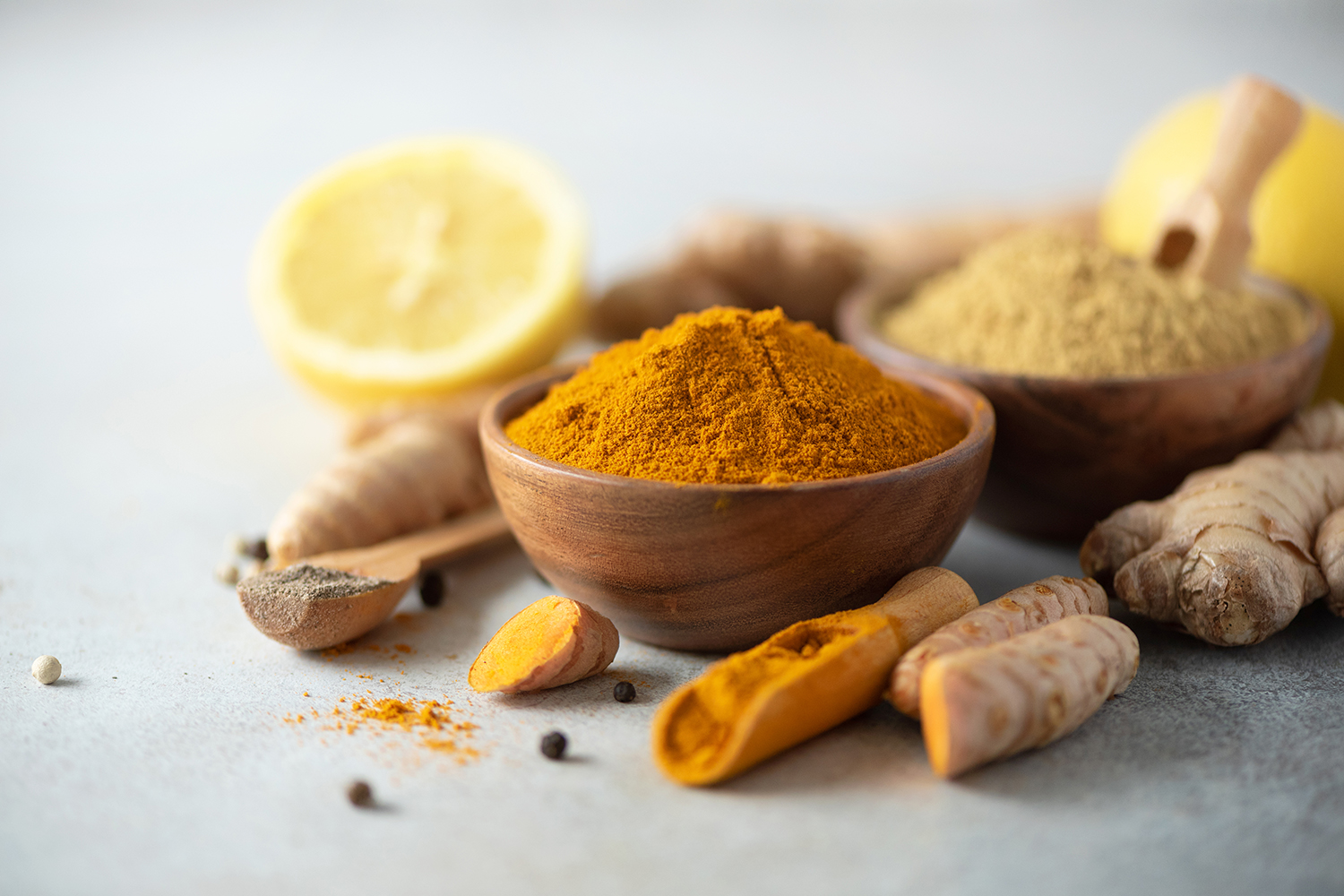
The best all-around natural inflammation-reducing botanical is curcumin.

The Difference Between Turmeric and Curcumin

Curcumin is extracted from turmeric, but turmeric will not deliver enough curcumin for medicinal benefits in people with brain health concerns.

Turmeric contains only 2% to 5% curcumin. Turmeric is an excellent food, but curcumin is the natural medicine.

Studies on Curcumin

Studies on curcumin have shown it is effective for both depression and anxiety, and may be quite useful in other brain disorders, such as Parkinson’s and Alzheimer’s disease.

Initial animal research has demonstrated potential for this herb to help people with autism as well.

Enhanced Absorption

Early studies on ordinary curcumin required as many as 24 capsules a day to attain any serum levels of key compounds.

The best curcumin forms have enhanced absorption so that medicinal levels can be achieved with only 2 capsules a day.

BCM-95

One enhanced absorption curcumin is BCM-95, which uses turmeric essential oils rich in turmerones as the delivery system, and has four published studies on major depressive disorder (MDD).

It has been found that people with depression and anxiety both have elevated levels of inflammation in the brain.

In one human study, this curcumin was compared to the prescription drug fluoxetine (one brand name is Prozac) and found to be as effective as the drug without the major side effects.

BCM-95 has also been shown to be especially useful in atypical depression, which is often resistant to drug therapy.

How to Rebuild Your Brain

The omega-3 fatty acids from fish—eicosapentaenoic acid (EPA) and docosahexaenoic acid (DHA) —are crucial for proper brain health. About 60% of the brain is fat, and nearly 20% of your cerebral cortex is specifically DHA! If you are low on omega 3s, your brain will suffer. Not only are EPA and DHA anti-inflammatory, DHA is used in the brain cells themselves as part of the cell membrane.

Increasing healthy levels of EPA and especially DHA has great promise for schizophrenia, stroke, traumatic brain injury, depression, anxiety, autism and spectrum disorders, and more.

Even people without a serious brain disease can derive brain benefits from DHA and EPA from fish. In a published meta-analysis reviewing a variety of studies on mild memory problems associated with aging, using these two omega-3 fatty acids demonstrated significant improvements in memory in otherwise healthy older adults.

Another review article looked specifically at studies on DHA and found impact in almost every measure of cardiovascular health. This is important, because the same risk factors for heart disease are risk factors for strokes and other types of brain problems.

There is no question that omega 3s are beneficial for a healthy brain. However, there are an enormous amount of omega-3 products on the market, including oils from fish, squid (calamari), and krill, as well as more cutting edge extracts without oil from salmon. Losing the oil as a delivery system means you don’t have to worry about triglyceride content and/or rancidity.

The brain is a physical organ that responds to physical interventions. Helping to improve brain function in turn improves brain activity, whether it be mood, memory, or risk of disease. Lifestyle changes and clinically validated supplements can be more beneficial that once imagined, and it is never too late to late to make a difference.

“Curcumin Attenuates Beta-Amyloid-Induced Neuroinflammation via Activation of Peroxisome Proliferator-Activated Receptor-Gamma Function in a Rat Model of Alzheimer's Disease” by Z.J. Liu et al, Front Pharmacol, 8/16

“Curcumin and Cognition: a Randomised, Placebo-controlled, Double-blind Study of Community-dwelling Older Adults” by S.R. Rainey-Smith et al., Br J Nutr, 4/16

"Curcumin and Major Depression: A Randomised, Double-blind, Placebo-controlled Trial Investigating the Potential of Peripheral Biomarkers to Predict Treatment Response and Antidepressant Mechanisms of Change” by A.L. Lopresti et al., European Neuropsychopharmacology, 12/5/14

“Curcumin for the Treatment of Major Depression: A Randomised, Double-blind, Placebo-controlled Study” by A.L. Lopresti et al., J Affect Disord, 2014

“Docosahexaenoic Acid and Adult Memory: A Systematic Review and Meta-analysis” by K. Yurko-Mauro et al., PLoS One, 3/15

“Docosahexaenoic acid (DHA): An Essential Nutrient and a Nutraceutical for Brain Health and Diseases” by G.Y. Sun et al., Prostaglandins Leukot Essent Fatty Acids, 3/10/17

“Efficacy of Curcumin, and a Saffron/Curcumin Combination for the Treatment of Major Depression: A Randomised, Double-blind, Placebo-controlled Study” by A.L. Lopresti and P.D. Drummond, Journal of Affective Disorders, 2017

“Efficacy and Safety of Curcumin in Major Depressive Disorder: a Randomized Controlled Trial” by J. Sanmukhani et al, Phytother Res, 2013

“Impact of DHA on Metabolic Diseases from Womb to Tomb” by I.A. Arnoldussen and A.J. Kiliaan, Mar Drugs, 12/18/14

“Neuroprotective Effect of Curcumin as Evinced by Abrogation of Rotenone-induced Motor Deficits, Oxidative and Mitochondrial Dysfunctions in Mouse Model of Parkinson’s disease” by D.K. Khatri and A.R. Juvekar, Pharmacol Biochem Behav, 11-12/16

“Neuroprotective Potential of Curcumin in Combination with Piperine Against 6-hydroxy Dopamine Induced Motor Deficit and Neurochemical Alterations in Rats” by S. Singh and P. Kumar, Inflammopharmacology, 2/17

“Neuropsychopharmacotherapeutic Efficacy of Curcumin in Experimental Paradigm of Autism Spectrum Disorders” by R. Bhandari and A. Kuhad, Life Sci, 11/15

“Six-month Randomized Placebo-controlled, Double-blind, Pilot Clinical Trial of Curcumin in Patients with Alzheimer’s Disease” by L. Baum et al., J Clin Psychopharmacol, 2/08

Contributor

Cheryl Myers

Cheryl Myers, RN, is an integrative health nurse, author, and expert on natural medicine. She is a nationally recognized speaker who has been interviewed by the New York Times, Wall Street Journal and Prevention magazine. Her articles have been published in Aesthetic Surgery Journal and Nutrition in Complementary Care, and her research on botanicals has been presented at the American College of Obstetrics and Gynecology and the North American Menopause Society. Follow Cheryl on Facebook! 

Men's Health and Lifestyle for Longevity

Easy Changes Can Lengthen Your Life

By The Taste for Life Staff
Smiling man doing yoga in the grass.
ID 46111001 | © Syda Productions | Dreamstime.com

Research continues to pile up showing that a few basic tenets go a long way toward maintaining our health as we age.

New studies out of Boston underscore these truths.

Men's Lifestyle for Healthy Aging

A balanced diet heavy on plants and low on saturated fats, regular physical activity, low-stress social connections, and avoiding smoking are powerful lifestyle habits. Some key nutritional supplements are helpful as well.

  • Exercise and The Brain

    Boston University researchers determined that “every additional hour of light intensity physical activity was associated with higher brain volumes, even among individuals not meeting current physical activity guidelines.” Those guidelines call for 150 minutes per week of moderate to vigorous exercise.

    The new study found that favorable effects on brain aging may begin at a lower threshold than 150 minutes per week. Physical activity is strongly linked to larger brain volume and healthy aging.

  • Diet and Physical Function

    Another study supported the idea that diet plays a role in maintaining physical function—which, of course, enables us to increase those minutes of exercise!

    “Diet can have specific effects on our health and can also affect our well-being and physical independence as we get older,” said senior author Francine Grodstein, ScD, of Brigham and Women’s Hospital.

    “Even if people can’t completely change their diet, there are some relatively simple dietary changes people can make... such as eating more vegetables and nuts.”

    • Increase Omega-3 Fatty Acids

      Fruit, whole grains, legumes, and foods rich in omega-3 fatty acids (salmon, sardines, and other fatty, cold-water fish as well as flax) are other great choices.

    • Reduce Sugar and Sodium Intake

      The researchers also recommend lower intakes of sugar-sweetened beverages, red and processed meats, and sodium.

  • Supplements for Men

    • For Heart Health

      “With heart and blood vessel disease being the number one killer of men, as well as a major cause of disability, it is critical that you take good care of your heart,” said Jacob Teitelbaum, MD, author of Real Cause, Real Cure.

      • CoQ10

        Dr. Teitelbaum said coenzyme Q10 is a great supplement for heart health, especially for those taking a cholesterol-lowering medication.

        These medications can deplete this important nutrient—putting your cardiovascular health at risk.

      • Zinc

        The mineral zinc serves as a mild heart protector. Zinc supplements in older adults lower heart disease markers (such as C-reactive protein).

      • Magenesium

        The most important nutrient on Dr. Teitelbaum’s short list is magnesium. This mineral “increases the strength of your heart muscle and helps keep heart rhythms steady and smooth.”

    • For Joint Pain Relief

      One of five American men reports joint pain (generally from osteoarthritis or rheumatoid arthritis), notes the Centers for Disease Control and Prevention.

      • Curcumin

        A go-to for relief is curcumin, which is an antioxidant and anti-inflammatory extracted from the spice turmeric. This herbal extract offers relief for aching joints without the risk of adverse effects seen with conventional medications.

        But it’s not just about masking discomfort. Research shows that curcumin can help rebuild joint tissue by replacing damaged cartilage with new, healthy cartilage.

      • Collagen

        All areas of connective tissue in the body contain collagen. This protein plays an important role in healthy joints.

        Supplementing with a form called collagen hydrolysate offers joint benefits, particularly for those with osteoarthritis.

    • For Male Athletes

      • Glutathione

        Glutathione supplements have been shown to reduce exercise-induced fatigue and to suppress levels of lactic acid, which often causes soreness following exercise.

      • Chokecherry

        Drinking chokecherry juice helps prevent inflammation, oxidative stress, and iron depletion after intense physical exercise.

      • Beet Juice

        Athletes recovered faster from sprinting and made quicker decisions after drinking high-nitrate beet juice for a week.

“The alternative eating index and physical function impairment in men” by K.A. Hagan and F. Grodstein, Journal of Nutrition, Health & Aging, 3/20/19

“Healthy diet helps older men maintain physical function,” Brigham and Women’s Hospital, 4/8/19 

“The impact of the Mediterranean diet on the cognitive functioning of healthy older adults” by D.G. Loughrey et al. Adv Nutr, 7/17

“Substituting healthy plant proteins for red meat lowers risk for heart disease,” Harvard T.H. Chan School of Public Health, 4/9/19

"Beetroot juice improves sprinting and decision making during exercise," University of Exeter, 9/18/15

"Glutathione supplementation suppresses muscle fatigue by prolonged exercise..." by A. Wataru et al., 2/6/15, Journal of the International Society of Sports Nutrition

"Re: Black chokecherry juice improves inflammation and iron metabolism parameters after intense physical exercise" by Laura M. Bystrom, PhD, HerbClip, 4/15/15

Contributor

The Taste for Life Staff

The Taste for Life staff come from a wide variety of backgrounds and specialties. We believe learning is a life-long process, and love to share the knowledge we gain.

Don't Miss a Thing!


Get the latest articles, recipes, and more, when you sign up for the tasteforlife.com newsletter.

Hot Product