Hyssop has long been used for purification: it's even mentioned in The Epistle of Hebrews and The Book of Psalms.
But what is this plant, and why is it becoming so popular again?
What Is Anise Hyssop?
Anise hyssop (Agastache foeniculum) is a member of the mint family native to North America.
High in antioxidants, it is used in foods and as a natural remedy.
What Is Anise Hyssop Good For?
Anise hyssop deserves accolades in three areas.
-
Using Anise Hyssop in Food
Anise hyssop is most often used as a tea made with either fresh or dried leaves. Iced tea made from the licorice-mint flavored leaves refreshes on hot summer days. Anise hyssop leaves add a bright and unexpected zing to salads, fruit cups, or as a seasoning in a wide variety of dishes. The flowers are also edible.
-
Using Hyssop as a Decoration
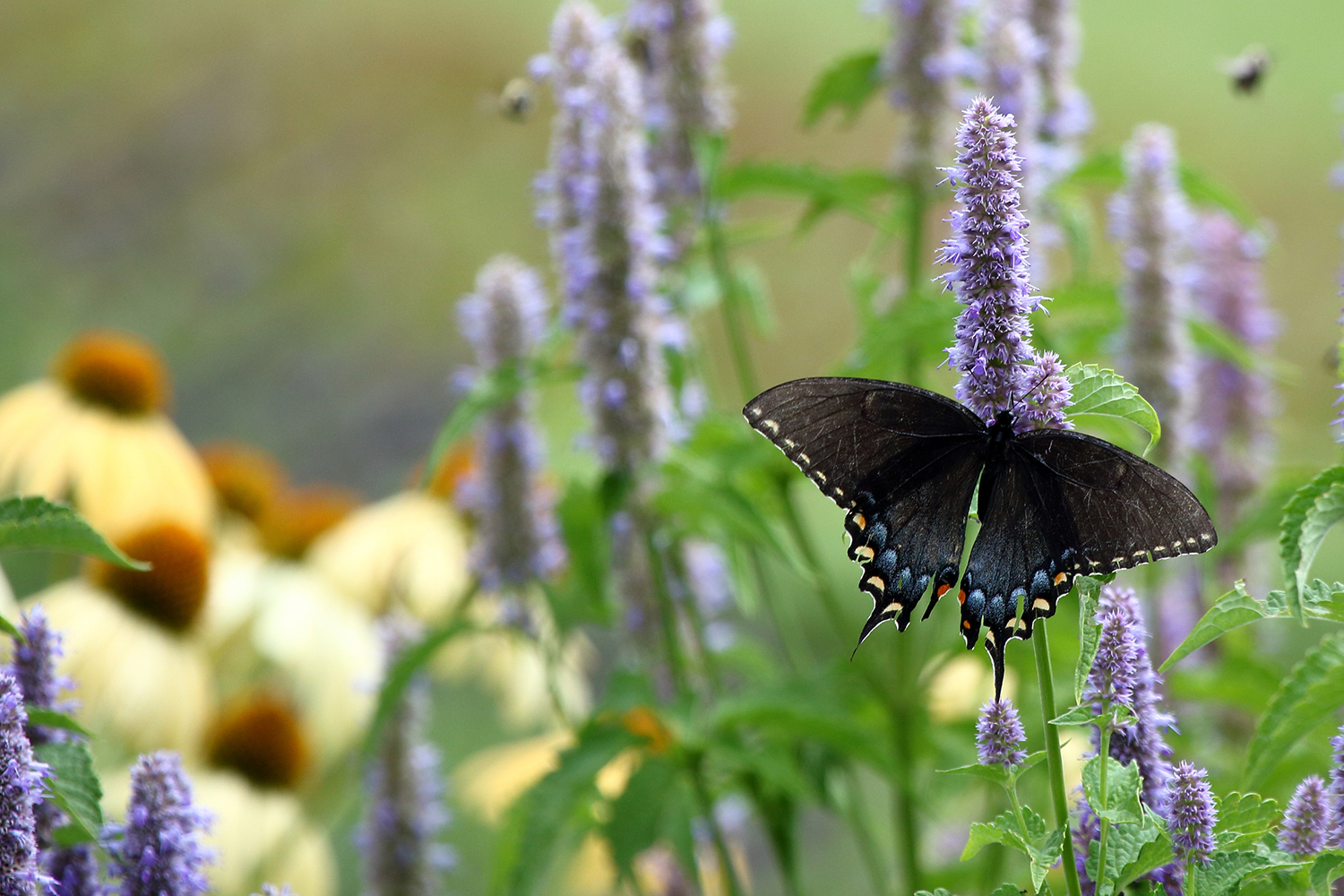
Anise hyssop can grow up to four to five feet tall when fully mature. In mid to late summer, its tall stems produce beautiful purple flower spikes that self-seed generously. Plus, it doesn’t run wild in the garden like other members of the mint family!
-
Medicinal Uses for Anise Hyssop
Like other mint-family counterparts, this herb is rich in antioxidants and provides relief from mild digestive ailments. It can ease nausea and vomiting, and it also has antimicrobial properties. Anise hyssop supports digestion, immunity, and the nervous and respiratory systems, as well as helping to reduce inflammation. It has no known contraindications.