Mushroom Coffee

Pour Health with Your Morning Joe

By Nan Fornal

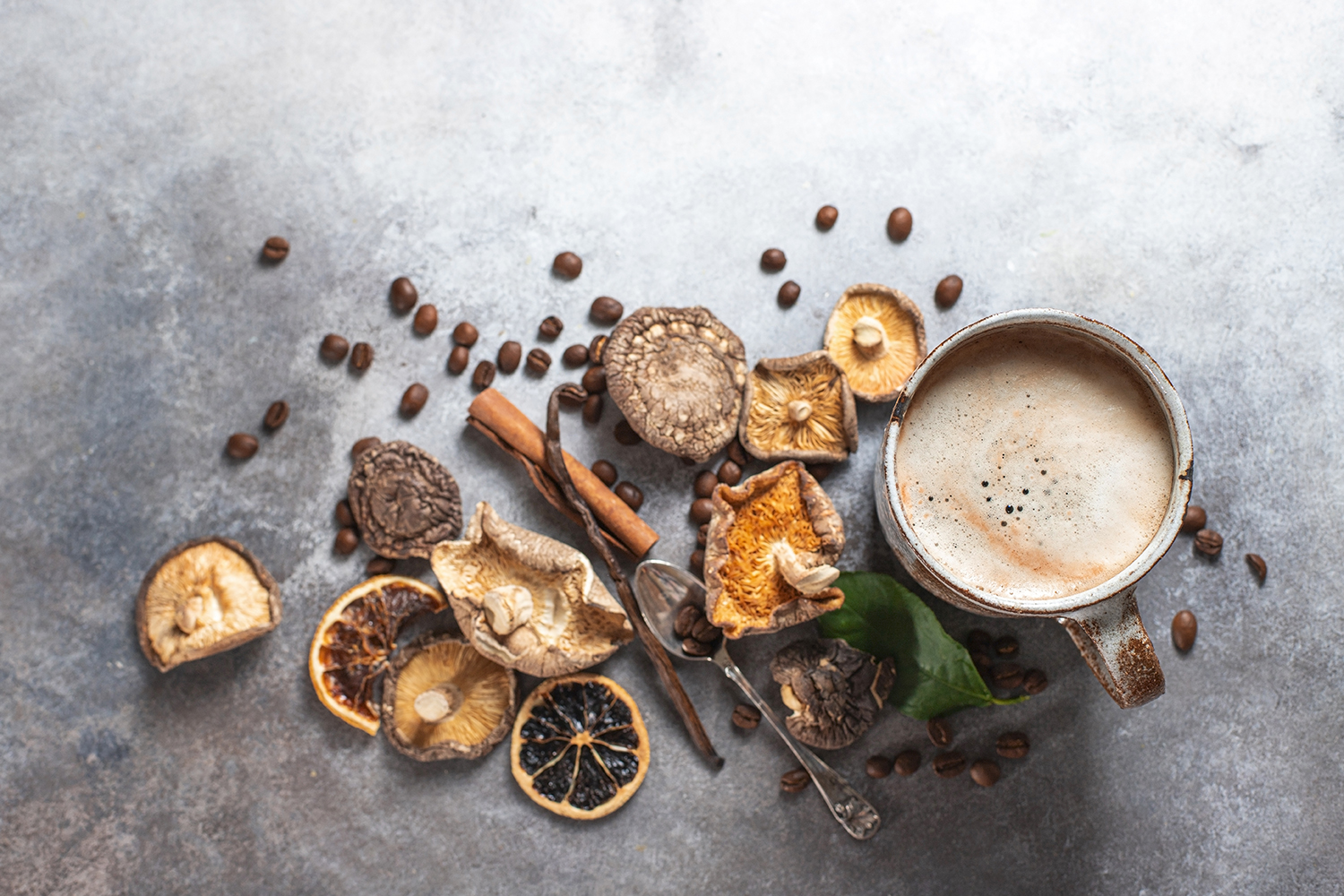
For those who want more than a jolt of caffeine in their coffee, the trending beverage known as mushroom coffee offers more than just a wake-up. The medicinal mushroom extracts it contains boast many potential health benefits.

Inform your healthcare provider when adding mushroom extracts to your daily regimen.

Mushroom Coffee FAQ

Does Mushroom Coffee Have Caffeine?

Powdered mushroom extracts are mixed half and half with ground or instant coffee, so the brew contains more caffeine than traditional decaf but less than regular coffee.

What Does Mushroom Coffee Taste Like?

No need to worry about flavor: mushroom coffee tastes like coffee, not mushroom soup. 

Some mushroom coffees also contain flavorings (think chai, cocoa).

Is Mushroom Coffee Nutritious?

Many brands boast nutritional blends, with gut-supportive prebiotics and probiotics; stress-fighting adaptogens such as ashwagandha; herbs; or vitamins and minerals.

Research has focused mainly on the health benefits of individual mushroom extracts, which range from lowering blood sugar and cholesterol to supporting patients undergoing cancer treatments.

Note that because few of the findings to date are based on human clinical trials, we refer to potential rather than known health effects.

“5 immune-boosting benefits of turkey tail mushroom” by J. Kubala, www.Healthline.com, 11/6/18

“9 health benefits of lion’s mane mushrooms . . . ” by E. Julson, www.Healthline.com, 5/19/18

“Is mushroom coffee worth the hype? An expert’s take” by A.C. Alexis, www.Healthline.com, 5/12/21

“Best mushroom coffee and drinks of 2022, according to a dietitian” by SaVanna Shoemaker, www.WellnessVerge.com, 9/13/22

“Cordycepin for health and wellbeing . . .” by S.A. Ashraf et al., Molecules, 6/12/20

“Effect of Inonotus obliquus polysaccharides on physical fatigue . . .” by Z. Xiuhong et al., Journal of Traditional Chinese Medicine, 8/15

“Food of the gods” by Victoria Dolby-Toews, www.tasteforlife.com

“Reishi mushrooms for immunity” by Roy Upton, www.tasteforlife.com

“Immunomodulatory effects of Hericium erinaceus derived polysaccharides are mediated by intestinal immunology” by X. Sheng et al., Food & Function, 3/22/17

“Inonotus obliquus—from folk medicine to clinical use” by K.A. Szychowski et al., Journal of Traditional and Complementary Medicine, 8/22/20

Contributor

Nan Fornal

Nan Fornal has experience with fiction, nonfiction, and technical publications, working closely with book and magazine publishers from first edit to final proofing. She has worked with Exeter Press, Boston magazine, and self-publishers alike.

You might also like...

The Brain Benefits of Probiotics

By The Taste for Life Staff

In partnership with RidgeCrest Herbals

Organisms found in foods like yogurt show promise in altering mood, stress, and pain sensitivity.

We know that consuming probiotics can help with digestion, but a recent study has given weight to the idea that probiotics may also change the way we process emotions.

Probiotics & the Gut-Brain Connection

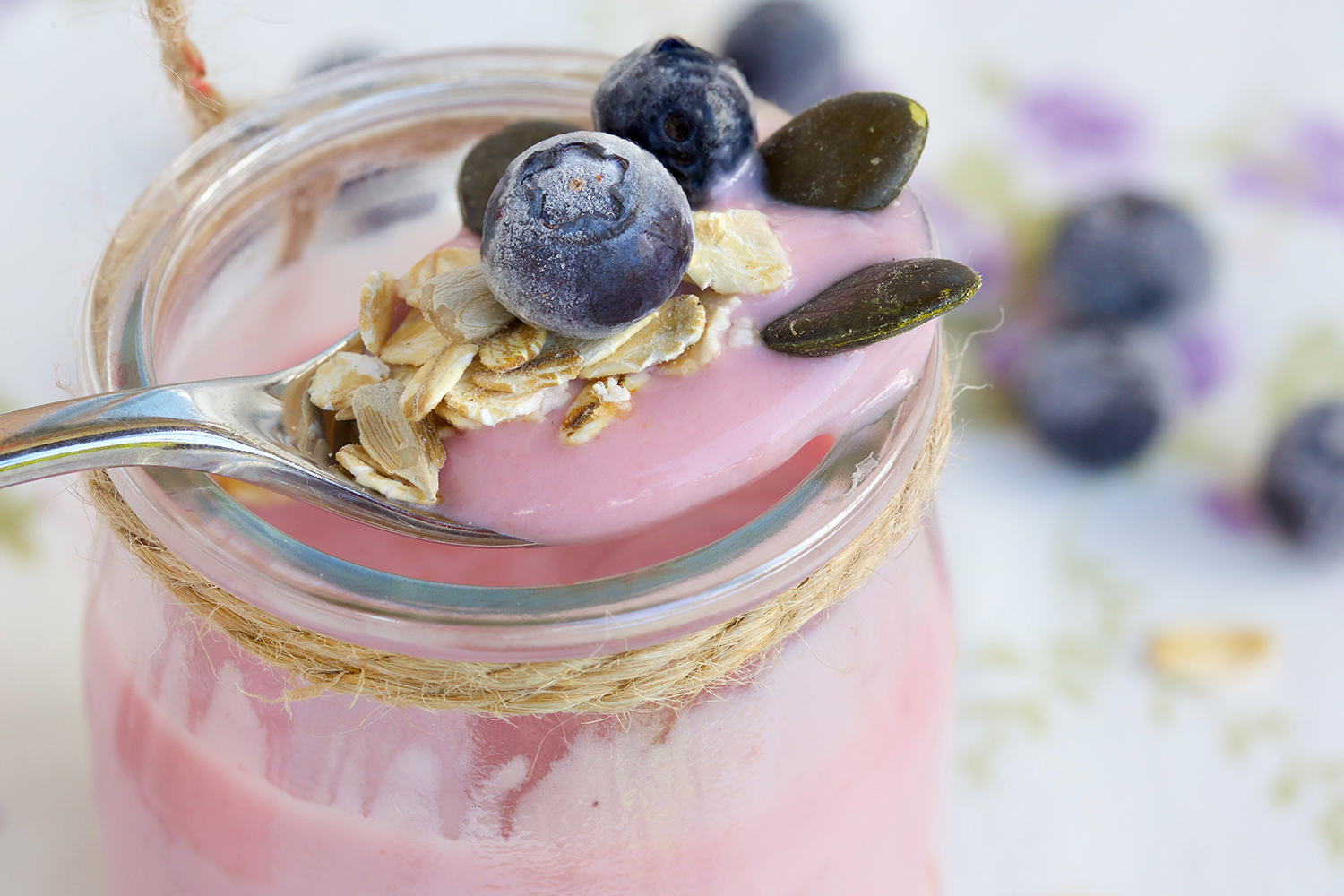
The UCLA researchers who published the study found that women who ate yogurt with probiotics for a month displayed altered resting brain activity and changed responses to emotional tasks.

“Our findings indicate that some of the contents of yogurt may actually change the way our brain responds to the environment,” said Dr. Kirsten Tillisch, of UCLA’s School of Medicine, following release of the study in the journal Gastroenterology.

“When we consider the implications of this work, the old sayings ‘you are what you eat’ and ‘gut feelings’ take on a new meaning.”

Dr. Tillisch said the study indicated the “gut-brain connection is a two-way street.”

How Do Probiotics Benefit Your Brain?

Well, during the monthlong study, 36 women ate either:

  • yogurt with live probiotic cultures twice a day
  • a dairy product with no living bacteria
  • no dairy products

Each woman was given a magnetic resonance imaging (MRI) brain scan both before the study and after. Their brains were studied first at rest, then while performing an “emotional faces attention task” (they were matching pictures of angry or fearful faces).

The scans showed that women who ate the probiotic yogurt twice daily had less activity in the parts of the brain that get and integrate sensory information. There was also less activity in the parts of the brain that handle cognition and emotion.

While the study confirmed a scientific concept about the mind-body connection, it also proved that the brain doesn’t just send signals to the gut, the gut also communicates with the brain.

More study is needed to show how the probiotics work on the mind’s function and how they may be used to relieve chronic pain or emotional problems.

“Changing Gut Bacteria Through Diet Affects Brain Function...” by Rachel Champeau, UCLA News, 5/28/13

“Mood-Altering Yogurt? Probiotics Change Brain Function With Gut Bacteria,” by Ashik Siddique, www.MedicalDaily.com, 5/28/13

ADVERTISEMENT

Ever notice when you're hungry you can't think straight? Intelligut™ supports the connection between your brain and your gut to help with mental clarity and focus.

Contributor

The Taste for Life Staff

The Taste for Life staff come from a wide variety of backgrounds and specialties. We believe learning is a life-long process, and love to share the knowledge we gain.

You might also like...

Nutrients for Aging Eyes

By Victoria Dolby Toews, MPH

Every year that goes by, your chances for vision loss go up. It’s a sad fact that by the age of 65, one in every eight adults will experience at least some amount of compromised vision.

Age-Related Eye Problems

The top causes of impaired vision include cataracts, age-related macular degeneration, glaucoma, and diabetic retinopathy. Here’s how you can help preserve your eyesight against these threats.

  • Cataracts

    There are 24.4 million Americans age 40+ with cataracts. By the age of 75, half of all people will have them.

    The clouding of the lens of the eye, which is the calling card of cataracts, is the top cause of correctable reduced vision. Cataracts develop slowly over time, which is why they are sometimes not noticed until vision impairment has progressed.

    Factors that delay or prevent cataracts would greatly enhance the quality of life for many seniors. Nutrition researchers have eyed antioxidants for a while when it comes to cataracts, since free radicals are a major culprit in their formation. Consequently, antioxidants offer strong protection against the development and progression of cataracts.

    Topping the list are vitamins C and E and the carotenoids lutein and zeaxanthin. Vitamin B2 also makes a strong case in the research for preventing cataracts.

  • Age-Related Macular Degeneration

    Age-related macular degeneration (AMD), a leading cause of blindness, is a progressive disorder affecting the central part of the retina, called the macula.

    The macula gets damaged from constant UV light exposure, but certain nutrients act as a shield against this damage.

    As with cataracts, the carotenoids lutein and zeaxanthin are heavy-lifters here. Keeping levels of those two nutrients abundant pays off by lowering the risk of fading vision in the future. Pistachios are rich in lutein, and recent research shows that eating about two ounces of these nuts daily for 12 weeks leads to significant increases in a pigment that protects the retina.

    The omega-3 fatty acids in fish oil also merit mention. Diets that include fish regularly, as well as this nutrient in supplement form, guard against AMD and can sometimes regain lost vision in certain people.


  • Glaucoma

    Anyone over age 60 is considered at high risk of glaucoma—the condition that increases pressure in the eye (specifically on the optic nerve), which can result in blindness.

    As with AMD, omega 3s show promise with this eye condition. Specifically, supplementing with DHA has been shown to reduce pressure in the eye, based on research in a population who already had glaucoma.

    In addition, plenty of vitamin C—once again this antioxidant shows its support for healthy vision—is linked to protection from developing glaucoma.

  • Diabetic Retinopathy

    People with diabetes (both Type 1 and Type 2) are at higher risk of diabetic retinopathy, making this condition a leading cause of vision impairment in adults.

    The high levels of sugar in the blood can damage the tiny blood vessels in the retina. Keeping blood sugar levels under tight control is the most important way to minimize the risk of this vision hazard.

    A few supplements can provide support, and once again several antioxidants (including the multi-talented lutein) claim top billing for being beneficial for diabetic retinopathy.

    In one study, a daily antioxidant supplement (including vitamin E, coenzyme Q10, and Pycnogenol) improved eye health.

    Similarly, stand-alone supplements of Pycnogenol have been documented to improve vision in those with early-stage diabetic retinopathy.

Symptoms of Impaired Vision

A surprising number of people live with undiagnosed age-related eye conditions—many of whom could be treated to improve their vision.

The following symptoms indicate a need to get your vision (or your loved one’s) checked out:

  • Reading material held very closely or at an angle
  • Changes in writing quality
  • Overfilling glasses when pouring a drink
  • Spilling food and difficulty cutting food
  • Complaints that the lighting is always too poor to see properly
  • Difficulty quickly identifying faces or objects
  • Mis-reaching when trying to pick up an item
  • Bumping into things 
  • Shuffling when walking or stepping hesitantly
  • Walking up/down stairs more cautiously than before

“The age-related eye disease 2 study: Micronutrients in the treatment of macular degeneration” by A. Gorusupundi, Adv Nutr, 1/17/17

“The association between dietary intake of antioxidants and ocular disease” by A. Braakhuis et al., Diseases, 1/30/17

“Circulating levels of reactive oxygen species in patients with nonproliferative diabetic retinopathy and the influence of antioxidant supplementation...” by D. Domanico et al., Indian J Ophthamol, 1/15

“Effect of lutein supplementation on visual function in nonproliferative diabetic retinopathy” by P.C. Zhang et al., Asia Pac J Clin Nutr, 5/17

“Effects of oral supplementation with docosahexaenoic acid (DHA) plus antioxidants in pseudoexfoliative glaucoma...” by S. Romeo Villadóniga et al., J Ophthamol, 9/17/18

“Pistachio consumption increases macular pigment optical density in healthy adults: A randomized controlled trial” by T.M. Scott et al., Journal of Nutrition, 10/17/24

“What do we know about the macular pigment in AMD...” by R. Arunkamar et al., Eye, 5/18

Contributor

Victoria Dolby Toews, MPH

Victoria Dolby Toews, MPH, is an evidence-based, integrative medicine journalist with more than 20 years of research and writing expertise, She received her Master of Public Health from OHSU-PSU School of Public Health.

She is the author or co-author of numerous books, including Life After Baby (2012), The Green Tea Book, 2nd edition (Penguin, 2008). User’s Guide to Healthy Digestion (Basic Health Publications, 2004), The Soy Sensation (McGraw-Hill, 2002), User’s Guide to Glucosamine and Chondroitin (Basic Health Publications, 2002), The Common Cold Cure (Avery, 1999), and The Green Tea Book (Avery, 1998).

Her work was recognized for excellence as a 2001 finalist for the Maggie Awards (Western Publications Association award honoring editorial excellence in magazines west of the Mississippi River).

You might also like...

The Perfect Cheese Tray

By Lisa Fabian

Cheese is an almost universally loved food. What better way to showcase its appeal than a beautiful cheese tray? (Of course, a fondue for the holidays is also fun!)

How Much Cheese Is Needed for a Party?

First determine the number of guests. If cheese will be the main food, offer 3 pounds for every 8 people; 6 pounds for every 16; and 9 pounds for every 24. If there’ll be other food at the party, approximately 3 to 4 ounces of cheese per person should suffice.

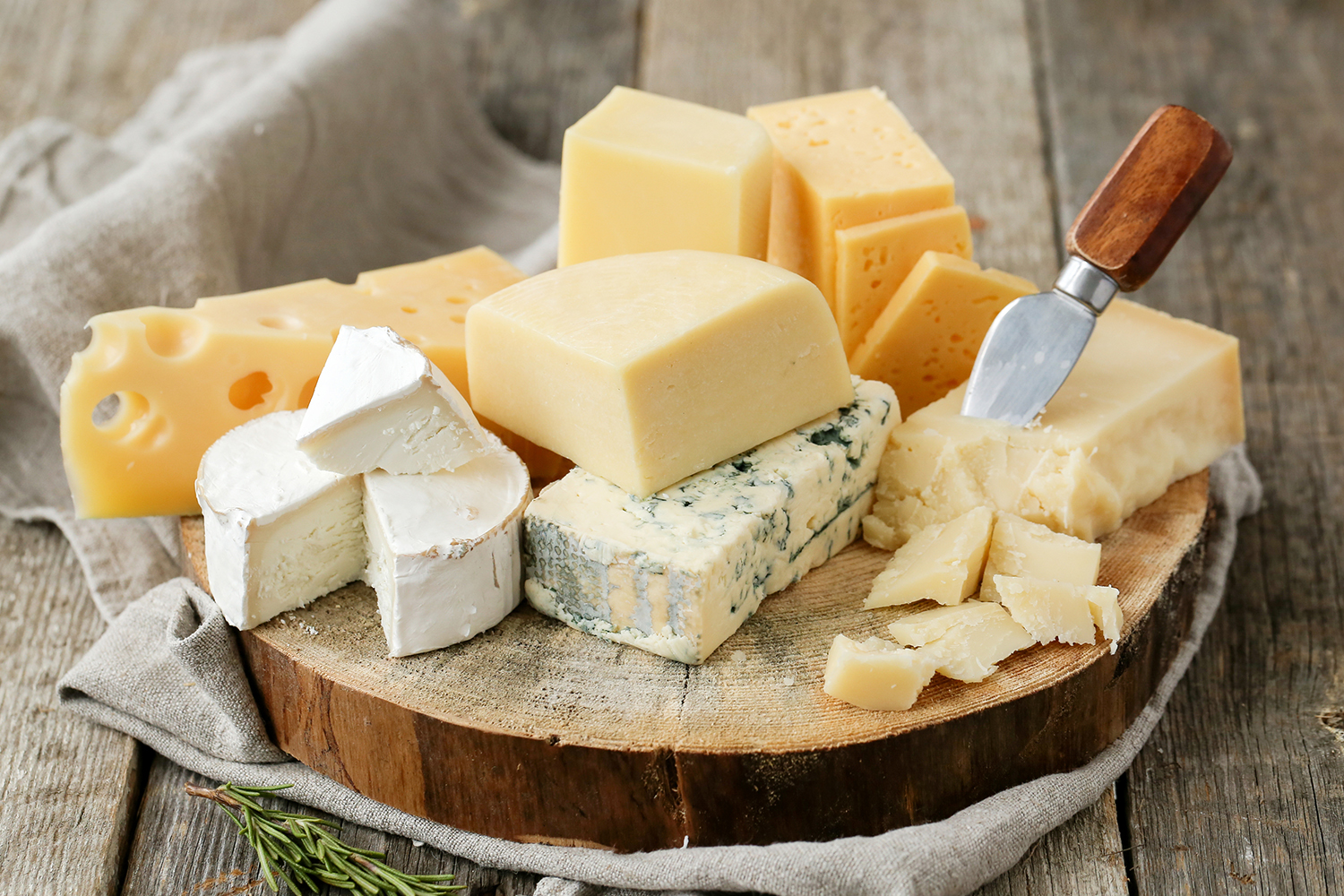
Buy different flavors and textures for the most variety. Select at least one cheese from each of the four categories:

  • Aged (Gouda, aged Cheddar)
  • Soft (Camembert, Brie)
  • Firm (Manchego, Parmigiano-Reggiano)
  • Blue (Gorgonzola, Roquefort, Stilton)

You may also wish to offer various cheeses based on the type of milk they’re made from (cow’s, goat’s, sheep).

How to Serve a Cheese Platter

  • Prepare Ahead of Time

    Remove all cheese from the fridge one hour before serving to allow flavors to develop at room temperature.

  • Separate Different Kinds of Cheese

    • Stinky Cheese

      Place strong-smelling cheeses on their own platters; offer a separate knife for each type.

    • Hard Cheese

      Hard cheeses can be broken into chunks with a fork for a natural look. Or, slice them for an elegant effect.

    • Soft Cheese

      Serve soft cheeses with a small spoon or knife for easy spreading.

  • Label the Different Varieties

    For a stylish presentation, place the cheese on a small and clean chalkboard, and then write the name of each variety near the cheese with non-toxic chalk.

    Wrap and tape printed or hand-written strips of paper around toothpicks as a simple and eye-catching way to identify each type.

  • Suggest Pairings

    Consider staging the platter to demonstrate various pairings. For example, stack aged Cheddar atop slices of sour Granny Smith apple. Or sprinkle candied pecans on soft goat cheese. Drizzle a blue cheese with honey.

  • Accompany with Carbs

    Offer bread and crackers on separate plates or in baskets. Choose flavors that won’t compete with the cheese.

    Steer clear of anything with sesame seeds, herbs, or garlic. Breads containing walnuts, olives, or dried fruit make a nice accompaniment, as these ingredients pair well with cheese.

    Serve breads and crackers in varying sizes and shapes for visual appeal (bread sticks, baguettes, round and square crackers).

  • Additional Flavors

    • Spicy, Salty, and Sweet

      Alongside the cheese platter, or on it if there’s still room, feature an assortment of salty and sweet accompaniments. Offer choices such as:

      • fresh fruit
        • apples
        • pears
        • grapes
      • dried fruit
        • cherries
        • apricots
        • pears
        • apples
      • nuts (candied or plain)
      • honey
      • chutneys
      • spicy mustards
    • Savory Options

      Small bowls of marinated olives, roasted red peppers, and artichoke hearts are popular savory choices.

      Consider offering cured meats such as prosciutto and salami. Just be sure to not overcrowd the platter.

  • Beverages

    Wine is a traditional beverage choice with cheese, but sparkling cider makes a festive, non-alcohol accompaniment.

“5 Tips for Creating the Perfect Cheese Platter” by Emma Chapman, www.ABeautifulMess.com

World Cheese Book Editor-in-Chief Juliet Harbutt ($25, DK, 2015)

Contributor

Lisa Fabian

Contributing Editor

Lisa Fabian is an award-winning freelance writer with more than 25 years of experience in the publishing industry. She's enjoyed covering topics as diverse as arts and crafts, boating, food, and health and wellness.

You might also like...

How to Make Hydrosol

By Maria Noël Groves, RH (AHG)

Lavender remains one of our most beloved and medicinal healing aromas, most often enjoyed as an essential oil. But how do you make an essential oil from scratch at home with fresh or dry lavender buds?

Unfortunately, it’s not simple!

How Are Essential Oils Made?

Essential oils are generally made with special distillation equipment such as a still, and a lot of plant material.

Lavender is relatively affordable because it’s easy to grow and “only” requires about 16 pounds of lavender buds to make a single one-ounce bottle of essential oil. I’d estimate that each pound of blossoms is approximately the volume of a throw pillow.

Thankfully, the art of hydrosols allows you to craft aromatherapeutic lavender remedies at home in your kitchen without fancy equipment and a lot less plant material.

What is a Hydrosol?

A hydrosol is the first step of making an essential oil.

Simply put, you place aromatic plants and water in a pot, simmer, then capture and reconstitute the steam back into a liquid, yielding distilled water along with a tiny amount of therapeutic and fragrant essential oil.

How are Hydrosols Different Than Essential Oils?

Compared to an essential oil, hydrosols are gentler, safer, and more affordable.

You can use a hydrosol as a facial toner, linen spray, lightly aromatic air mist, and in culinary, medicinal, and cosmetic recipes.

The only downsides are that the aroma is much milder than an essential oil and the shelf life is relatively short.

Do I Need Equipment to Make a Hydrosol?

While professionals would work with a fancy still, often made of copper, to craft a hydrosol, you can repurpose common kitchen equipment to make your own at home.

The set up seems confusing but once you find the equipment that works with what you have on hand, it’s actually quite simple, and your hydrosol will be done in just a few hours.

Choosing an Herb

Any aromatic herb that retains its aroma through the heating process makes a lovely hydrosol. Lavender (fresh or dry) is a favorite, but you can also work with mint, rosemary, lemongrass, holy basil (divine!), etc.

Fresh-from-the-garden herbs work well, but if the dried herb retains the aroma – like lavender does – you can work with it dried, too.

Most ingredients sold as essential oils that don’t cost a fortune will work well. Unfortunately, many sweet and floral scented flowers don’t come across as nicely in a hydrosol, though it can be fun to experiment to see what works and what doesn’t.

Lavender Hydrosol Recipe

The goal here is that you are going to put plant material and water in a large stock pot, prop an empty heat-safe bowl in the middle. Turn the pot lid upside down and either place ice directly in the upturned lid or in a metal mixing bowl on top of the lid.

As you gently simmer the plant material, the steam of the water and essential oils collects on the top of the lid, turns back to liquid due to the ice, and then drips down the upside-down-lid into the bowl. What you catch in the bowl is your hydrosol.

Working with sanitized equipment and containers is preferred.

  1. Prop an Empty Bowl in the Middle of the Pot

    Some people use a clean brick to prop the bowl up in the water so it doesn’t float around nor come in contact directly with the bottom of the pan.

    I personally use a bowl that’s heavy enough to stay put. One of my colleagues, Jessica LaBrie of Blackbird’s Daughter Botanicals, uses a tempered glass measuring cup propped on a mason jar lid.

    See what works for you with what you have on hand.

  2. Add Water and Plant Material

    The water and plant material goes outside of the bowl in the middle (about 2 inches of water and a few cups of fresh or dried lavender blossoms) – the bowl should remain empty so it can capture the finished hydrosol.

  3. Cover with an Upturned Lid & Ice

    If you can put ice directly on the upturned pot lid, that will more rapidly condense the steam. However, it also creates a sloshy mess that’s difficult to handle as the ice begins to melt.

    You can use a turkey baster to remove the liquid and will need to do this throughout the hour or two that your hydrosol is distilling.

    I prefer to put ice in a large metal mixing bowl and then place that on top of the lid or simply directly on the open pot – it’s so much easier to handle! And I can step away and just check on it periodically.

    For the pot lid, I prefer to use a metal lid because it will be exposed to heat and ice simultaneously, which might break glass or ceramic lids. That said, you might be ok with a tempered glass lid if that’s all you have.

    I also prefer a lid without the steam vent hole (but if your lid has a hole, you can try taping it over or simply put a metal mixing bowl on top).

  4. Gently Simmer

    Bring your water to a gentle boil then turn it down to a simmer so that it’s releasing steam but not boiling vigorously. Let this simmer for 1-2 hours.

    Keep an eye on the ice/melted water situation to remove water and replace ice as needed.

  5. Remove the Hydrosol

    After 1-2 hours, remove the pot from the heat, gently remove the lid. The hydrosol will have collected in the bowl, which you can remove with a measuring cup, spoon, or ladle – be careful not to burn yourself.

    Pour this into spray bottles to enjoy!

Shelf Life

Hydrosol is best enjoyed within a few months since it can grow microbes if introduced (water is not a good preservative) and over time, which can appear as white, grey, or green floaties.

I sometimes make an aromatic alcohol extract in good quality vodka and then add some of that to the hydrosol to extend the shelf life – you can make it just like a medicinal tincture (learn how at wintergreenbotanicals.com/tinctures); however, often it’s ready within just a day or two.

You can also keep extra hydrosol in the freezer to extend the shelf life.

Contributor

Maria Noël Groves, RH (AHG)

Maria Noël Groves, RH (AHG), is the best-selling, award-winning author of Herbal Gut Health, Body into Balance: An Herbal Guide to Holistic Self Care, Grow Your Own Herbal Remedies, and Herbal Remedies for Sleep. 

Maria’s a registered professional herbalist with the American Herbalists Guild and a graduate of the Southwest School of Botanical Medicine and Rosemary Gladstar’s Sage Mountain. Learn more about Maria and herbs at Wintergreen Botanicals. Find her remedy-making tips at wintergreenbotanicals.com/kitchenapothecary101

You might also like...

Supplements for Men at Every Age

By Ian Donnelly

The National Center for Health Statistics recently ranked life expectancies in a number of developed countries worldwide. There’s no easy way to break it: Men from the US didn’t crack the top 10. They didn’t even make the top 20.

The good news is it’s easy for men to boost wellness and longevity with simple lifestyle changes.

Nutrition for Men Through Life

In general, guys need more magnesium and B vitamins than women—but less iron.

Start with a high-quality multivitamin/mineral formulated for men. Then check the age ranges below for targeted supplements. 

20-35: Top Health Tips for Young Guys

  • Eat five or more servings of fruits and vegetables daily.

  • Get 30-plus grams of fiber. Psyllium, flaxseeds, or Salba (a proprietary, heirloom seed from Peru) are useful sources.

  • Exercise at least three times a week. Supplement with protein before and after each session.

  • To fight postworkout inflammation, consider fish oils rich in omega 3s. Garlic and ginger are anti-inflammatory herbs that taste great and can be taken as supplements.

  •  Inflammation can lead to cardiovascular problems. Ask a healthcare provider about a C-reactive protein (CRP) test to measure inflammation levels.

  • An anti-inflammatory regimen is among the best choices you can make now for long-term heart health. Get plenty of antioxidant vitamins like C and E.

36-50: Best Health Strategies for the Midlife Male 

Battle that belly and you fight disease like Type 2 diabetes and heart disease. Even for lean men, a growing waist signals risk for disease.

For each additional 5.5 inches he packs around the middle, a man’s chance of experiencing heart disease rises by 35 percent!

  • Help trim body fat. Vitamin-B complex, vitamin C, zinc, magnesium, and chromium all support healthy metabolism.

  • Green tea extract supports weight loss.

  • An antioxidant involved in energy production, coenzyme Q10 (CoQ10) tends to be low in overweight people. CoQ10 is also essential for anyone taking statin drugs.

  • When stress and fatigue hit, a few supplements may help you regain balance. Nutrition expert Patrick Holford suggests the following to combat the negative effects of stress: B vitamins (B1, B2, B3, B5, B6, B12, folic acid, and choline) along with CoQ10, vitamin C, calcium, magnesium, iron, zinc, and chromium.

  • Reduce or eliminate caffeine, sugar, and other short-term energy crutches, and replace them with natural options like the amino acid tyrosine.

  • D-ribose (a five-carbon sugar that’s a structural component of DNA and RNA) may boost energy and helps stave off sore, stiff muscles.

51 Plus: Guys, Keep Your Engines Running!

Some form of erectile dysfunction affects an estimated one-third of men over their lifetimes.

After ruling out underlying causes such as high cholesterol, diabetes, or certain pharmaceuticals with a doctor, consider natural alternatives to prescription drugs.

  • Ginkgo, L-arginine, choline, B vitamins, and zinc support erectile health, particularly after two to six months of use.

  • Antioxidant vitamins C and E, the trace mineral selenium, and essential fatty acids support optimal sex drive and functioning.

  • Talk to a trained herbalist about botanical boosters for the thyroid and adrenal glands. Both of these glands provide a foundation for sexual and overall well-being. (Helpful herbs may include bayberry, passionflower, and skullcap.)

  • Anyone with hypertension (high blood pressure) is wise to cut salt intake and seek stress-reducing techniques such as meditation or biofeedback.

  • Supplemental garlic, quercetin (a flavonoid found in fruits and vegetables), and hawthorn have been found to help lower blood pressure in recent studies—the latter may also help lower cholesterol.

  • Stay sharp as you live longer. Gotu kola, a popular Indian herb, works to stimulate the brain, strengthening memory and mental ability.

“Antihypertensive Effects of the Flavonoid Quercetin” by F. Perez-Vizcaino et al., Pharmacol Rep, 1–2/09

“An Assessment of the Diagnosed Prevalence of Diseases in Men 50 Years of Age or Older” by M. M. Issa et al., Am J Manag Care, 3/06

“Associations Between Diabetes and Clinical Markers of Benign Prostatic Hyperplasia Among . . . Black and White Men” by A. V. Sarma et al., Diabetes Care, 3/08

“Blueprint for Men’s Health: A Guide to a Healthy Lifestyle” by Armin Brott and the Blueprint for Men’s Health Advisory Board, www.menshealthnetwork.org

“Body Composition and Serum Prostate-Specific Antigen: Review and Findings From Flint Men’s Health Study” by J. L. Beebe-Dimmer et al., Urology, 4/08

Bursting with Energy by Frank Shallenberger, MD, HMD ($18.95, Basic Health, 2007)

“Effect of Garlic on Blood Pressure: A Systematic Review and Meta-Analysis” by K. Ried et al., BMC Cardiovasc Disord, 6/16/08

“Green Tea (-)-Epigallocatechin-3-Gallate Reduces Body Weight with Regulation of Multiple Genes Expression in Adipose Tissue of Diet-Induced Obese Mice” by M. S. Lee et al., Ann Nutr Metab, 4/22/09

Contributor

Ian Donnelly

You might also like...

Holistic Heart Health

Strategies for Wellness

By Roon Frost

Cardiovascular disease is an enormous health problem throughout the industrialized world. In the United States, approximately 80 million people suffer from some form of this condition.

“In nearly every year for which we have records, heart disease has been the number one cause of death in the United States,” says nutritionist Gary Null, PhD.

It’s no wonder: “Overall, there are 247 risk factors that can damage the heart,” explains complementary physician David Steenblock, DO.

With the nature of the risks running the gamut from anything that injures the lining of the blood vessels (such as air pollution, food additives, gasoline fumes, or tobacco) and clogged arteries to family medical history and obesity, it’s easy to see why cardiovascular disease is so pervasive.

Key Approaches to Heart Health

  • Manage your Blood Pressure

    More than 73 million Americans have high blood pressure (hypertension), which can put great stress on the heart.

    “Even a slight elevation in blood pressure is enough to raise the risk of heart disease,” says integrative physician Michael Janson, MD, former president of the American Preventive Medical Association.

    Hypertension can occur at any age, though African-Americans, middle-aged and older people, and anyone with Type 2 diabetes, gout, obesity, or kidney disease are most likely to be affected.

    Because high blood pressure is a “silent disease,” with few obvious symptoms, check your pressure regularly and aim for readings under 120 (systolic—the top number) and under 80 (diastolic—the bottom number). A reading of 140/90 or above marks hypertension.

    For many people, reducing salt intake can lower blood pressure, as does weight loss. Avoiding alcohol and reducing consumption of caffeine and sugar can also help.

    “Increased levels of minerals such as potassium and magnesium” fight hypertension, writes Carolyn Dean, MD, ND, in The Magnesium Miracle.

    Cardiologist Stephen Sinatra, MD, FACC, FACN, CNS, also recommends taking coenzyme Q10 (CoQ10) as “the bellwether of any natural hypertensive lowering regime.”

    Other useful supplements include garlic, hawthorn, L-arginine, lecithin, medicinal mushrooms (maitake, reishi, and shiitake), and B-complex vitamins.

    Dr. Null also recommends vitamins C and B6, omega-3 fish oil, and L-glutamine, adding that “green vegetable juices are natural blood thinners.”

  • Control your Cholesterol

    Once again, lifestyle (particularly a vegetarian diet and regular exercise) plays an important role.

    The American Heart Association recommends particular levels for the different forms of these blood fats, but research, in fact, shows that it is the ratio of LDL to HDL that is a better predictor of heart attack risk than total cholesterol, according to Dr. Sinatra.

    For example, a ratio of 5:1 or greater LDL (lousy) cholesterol to HDL (healthy) cholesterol is associated with a greater risk of heart attack than a ratio below 5:1.

    “Since low levels of HDL are a serious risk factor for coronary disease,” he adds, raising “good” cholesterol “to respectable levels definitely will reduce your cardiac risk.”

    L-carnitine has been shown to raise HDL levels, and taken in combination with CoQ10, D-ribose, and magnesium, it has been a “terrific nutritional support in [Dr. Sinatra’s] practice of cardiology.”

    All of these supplements, he adds, are “safe and efficacious.”

    Mainstream medicine’s treatment of choice, cholesterol-lowering statins, can cause profound metabolic shifts in some people, resulting in muscle discomfort. Among other adverse effects, these drugs also deplete the body’s levels of CoQ10, an antioxidant coenzyme that inhibits LDL oxidation, improves circulation, potentially prevents clot formation, and appears to protect against a range of cardiovascular problems such as aortic valve disease, congestive heart failure, and coronary artery disease.

    Anyone at risk for heart disease should take CoQ10, and it’s a must if you’re taking statins. Other supplements help lower cholesterol too.

    Magnesium acts like a natural statin, Dr. Dean says, lowering LDL and raising HDL levels.

    In addition, enzymes dependent on this important mineral help convert essential fatty acids to prostaglandins, hormone-like substances that are vital for heart health. Based on the findings of four controlled trials, New Orleans researchers recently recommended an intake of at least 500 milligrams (mg) per day of omega-3 fatty acids (EPA and DHA) for healthy individuals, and up to 1,000 mg daily for those with coronary heart disease and heart failure.

    A randomized clinical trial at UCLA found that aged garlic (along with B vitamins, folic acid, and L-arginine) fights oxidation, retarding the progress of heart disease.

    One study shows that drinking green tea modulates cholesterol metabolism and lowers LDL oxidation.

  • Alleviate Depression

    Increasingly, research bears out the mind/body connection, and, what’s more, “Depression is not limited to the mind,” says homeopathic practitioner Michele Galante, MD.

    Depression has been linked to both high blood pressure and cardiovascular disease, including heart failure and atrial fibrillation. Even in young adults with no symptoms of heart disease, depression appears to produce a thickening of cardiovascular tissue, a risk factor for heart disease.

    Omega-3 fatty acid deficiency has been found to be a preventable cause of both depression and heart disease. Because many people with mood disorders are found to be low in magnesium, supplement with that mineral as well.

    Dr. Null recommends SAMe (S-adenosyl-l-methionine) and L-carnitine.

“Aged Garlic Extract Lowers Blood Pressure in Patients with Treated but Uncontrolled Hypertension . . .” by K. Ried et al., Maturitas, 10/10

“AHA Adds Fiber & Omega-3 to Triglyceride Management Recommendations,” 5/3/11; “Krill Oil Shows Heart Health Benefits in Humans . . .” by Stephen Daniells, 12/19/13, www.nutraingredients-usa.com

“Membrane Omega-3 Fatty Acid Deficiency as a Preventable Risk Factor for Comorbid Coronary Heart Disease . . .” by R.K. McNamara, Cardiovasc Psychiatry Neurol, 9/16/09

“Plasma and Dietary Magnesium and Risk of Sudden Cardiac Death in Women” by S.E. Chiuve et al., Am J Clin Nutr, 2/11

“Role of Coenzyme Q10 (CoQ10) in Cardiac Disease, Hypertension, and Meniere-like Syndrome” by A. Kumar et al., Pharmacol Ther, 12/09

“Role of Dietary Magnesium in Cardiovascular Disease Prevention . . .” by S. Bo and E. Pisu, Curr Opin Lipidol,& 2/08

The Sinatra Solution, Metabolic Cardiology by Stephen Sinatra, MD ($18.95, Basic Health, 2011)

“A Study of the Comparative Effects of Hawthorn Fruit Compound . . . on Lowering Blood Lipid Levels” by H. Xu et al., Am J Chin Med, 2009

“Supplement Smarts of Cholesterol and Triglycerides,” www.WebMD.com

“What You Can Do to Lower Your Triglycerides,” www.umassmed.edu

Contributor

Roon Frost

You might also like...

Benefits of Essential Oils & Aromatherapy

By The Taste for Life Staff

Essential oils have been used for thousands of years to provide relief from common ailments—they can lift your mood, make it easier to focus, and help you relax after a hard day at work.

Using Essential Oils

Derived from plants, essential oils can affect the body in a couple of ways:

  • When inhaled, essential oils pass from the lungs into the bloodstream.
  • When diluted and absorbed through the skin, they enter the circulatory system.

Used properly, essential oils can be amazing natural remedies.

Topical Use with Carrier Oils

Since they’re highly volatile, essential oils evaporate when exposed to air. But when combined with carrier oils, they easily can be applied to the skin and hair, or used for massage.

Since essential oils are very concentrated, some individuals can have reactions to them if they’re applied directly to the skin. To prevent this, a carrier oil is used to “carry” the benefits directly into the skin.

Carrier oils are produced from vegetables, fruits, nuts, and seeds. Pressed from the fatty portions of plants, they do not evaporate the way essential oils do, nor do they have as strong an aroma.

They do, however, offer many therapeutic benefits of their own. Rich in vitamins, minerals, and essential fatty acids, they can help improve the health and softness of the skin.

Bathing with Essential Oils

Baths offer the perfect occasion to reap the benefits of essential oils. But you should never add essential oils directly into bathwater, advises Lora Cantele, author of The Complete Aromatherapy & Essential Oils Handbook for Everyday Wellness ($24.95, Robert Rose, 2014).

Oil and water don’t mix. Putting essential oil directly into a bath leaves the undiluted substance floating on the top of the water. It could then come into direct contact with the skin and potentially cause irritation and pain, Cantele explains.

Instead, while your tub is filling with water, mix a tablespoon of carrier oil like grapeseed with about 5 drops of essential oil in a nonreactive bowl.

After the tub has filled and the water’s off, add the oils to your bath and stir the water with your hand. This method avoids the loss of any essences through evaporation.

You could also use an unscented body wash or liquid castile soap in place of the carrier oil, Cantele says.

A recent study of teleworkers showed that regular use of essential oils in baths reduced their stress, improved their sleep, and resulted in better job performance. Study participants had choices of rosemary or sweet orange essential oils during the daytime and lavender or bergamot in the evening. Those who used aromatherapy about three times a week saw the best results.

Common Essential Oils & Their Benefits

Throughout history, humans have extracted oils from grasses, seeds, flower petals, buds, bark, wood, stems, leaves, and roots. These powerful scents have been benefiting humankind in many ways—soothing minds, lifting spirits, and healing bodies. Here are some common essential oils and their benefits:

  • Chamomile Oil

    • inhibits skin activity of:
      • bacteria
      • fungi
      • toxins
    • improves wound healing
    • improves eczema
    • lifts mood and eases:
      • oversensitivity
      • stress
      • insomnia

  • Eucalyptus Oil

    • antiseptic for:wounds
    • helps treat insect bites
    • enhances skin repair
    • reduces on the skin:
      • inflammation
      • itching
    • scent can:
      • increase energy
      • relieve:
        • congestion
        • headache
        • shock
        • stress

  • Geranium Oil

    • helps smooth wrinkles
    • benefits oily and dry skin
    • uplifting and eases anxiety
    • balances mind and body

  • Lavender Oil

    • anti-inflammatory properties
    • helps heal:
    • stretch marks
    • scars
    • lifts mood and eases:
      • nervousness
      • irritability
      • insomnia

  • Lemongrass Oil

    • reduces:
      • skin infections
      • oily hair
      • acne
    • deodorant properties
    • sedating and soothing
    • eases:
      • nervous exhaustion
      • stress

  • Tea Tree Oil

    • antifungal
    • antibacterial
    • helps heal:
      • wounds
      • acne

Aromatherapy: A Complete Guide to the Healing Art, 2nd ed., by Kathi Keville and Mindy Green ($19.95, Crossing Press, 2009)

Aromatherapy for Life Empowerment by David Schiller and Carol Schiller ($19.95, Basic Health, 2011)

The Complete Aromatherapy & Essential Oils Handbook for Everyday Wellness ($24.95, Robert Rose, 2014)

"Effects of using essential oils on the mental and physical health of individuals who work from home" by H. Sawai and K. Mizukami, Japan Journal of Aromatherapy, 2/7/25

Stephanie Tourles’s Essential Oils by Stephanie Tourles ($16.95, Storey, 2018)

Contributor

The Taste for Life Staff

The Taste for Life staff come from a wide variety of backgrounds and specialties. We believe learning is a life-long process, and love to share the knowledge we gain.

You might also like...

Lift the Winter Blues

By Jane Eklund

Back in 1981, Norman Rosenthal, a researcher at the National Institute of Mental Health, thought he’d identified a very rare syndrome.

He determined that some people were plagued by severe depression that came on in the fall as daylight hours dwindled, and lifted with the arrival of longer days in spring.

He was half right: Rosenthal was indeed homing in on a type of depression with a specific trigger—he named it “seasonal affective disorder,” or SAD. But a call for people experiencing the symptoms drew 3,000 responses rather than the handful he expected.

Today it’s estimated that more than 10 million Americans suffer from SAD.

Seasonal Affective Disorder

When daylight hours drop, so does your mood if you’re affected by SAD or its milder sibling known as the winter blues.

What Causes SAD?

Researchers believe the decrease in exposure to sunlight slows the release of serotonin, a brain chemical that regulates mood. The hormone melatonin, which modulates your circadian rhythms, plays a part too. The body secretes melatonin when the sun goes down, making you sleepy.

Who is at Risk of SAD?

People who are more susceptible to SAD include women, those aged 15 to 55, and those who:

  • have a family history of wintertime depression
  • live in places where days are short in the winter months
  • have been diagnosed with depression or bipolar disorder

What Are The Symptoms of SAD?

If you have SAD, you’re likely to feel down and hopeless, have trouble concentrating and interacting with others, and crave carbohydrates.

Treating and Managing SAD

Check with your physician to determine the best course of action, and make this winter a happy one.

  • Light Therapy

    To combat depression brought on by the dark days of winter, the first step is light therapy—treatment with fluorescent or incandescent lamps that replicate sunlight or a brightening sunrise.

    2,500 to 10,000 lux for 30 to 60 minutes a day is usually effective. Talk with your physician about the best approach.

  • Alternative Therapy

    Some people also benefit from acupuncture, yoga, meditation, guided imagery, or massage.

  • Supplements

    A number of supplements are used to beat back the winter blues and SAD. Try these to keep SAD at bay.

    Remember, supplements can sometimes interact with medications, and severe depression should be treated by a doctor.

    • Vitamin D

      Vitamin D supplementation is helpful for some SAD sufferers: Taking 2,000 IU daily can keep neurotransmitters in balance.

    • St. John’s Wort

      Long used to treat a range of conditions including nervous system disorders, St. John’s wort has been shown to help people with mild to moderate (but not severe) depression.

      Studies show it may work as well as prescription medications, without some of the side effects.

      Research also indicates that St. John’s wort is even more effective in treating SAD when paired with light therapy.

    • SAMe

      A compound found in the body, S-adenosylmethionine, or SAMe, may be as effective as antidepressants without some of their side effects—and it may work more quickly.

      SAMe aids in the production and breakdown of brain chemicals like serotonin, melatonin, and dopamine. Scientists think it works by increasing the amount of serotonin in the brain.

    • Melatonin

      When summer changes to fall and fall transitions into winter, the levels of melatonin in your body may change as well.

      More studies are needed, but supplementation with melatonin may provide relief to some people with depression that comes on in the cold months.

    • Omega-3 Fatty Acids

      Supplementing with omega 3s could reduce mild to moderate depression.

      Omega 3s are key to brain function, and people with depression may have low levels of the omega 3s eicosapentaenoic acid (EPA) and docosahexaenoic acid (DHA).

      Some studies indicate that people who take prescription medication for depression may find increased relief if they also supplement with omega 3s.

“S-Adenosylmethionine,” University of Maryland Medical Center, www.umm.edu

“St. John’s Wort,” University of Maryland Medical Center, www.umm.edu

"Seasonal Affective Disorder: Common questions and answers" by S.V. Galima et al., American Family Physician, 12/1/20

Contributor

Jane Eklund

Jane has a rich, diverse background in both literary and journalistic writing, including book reviews, poetry, and history.

You might also like...

Supplements by Life Stage

By The Taste for Life Staff

In partnership with Emerald Labs

As we go through life our bodies change, which means our needs do, too.

Supplements for Different Ages

Have you been wondering which supplements you should be taking for your stage of life? We have some answers here.

  • For Youth

    • Kids and Preteens

      • Talk to a pediatrician about how supplements can complement your child’s healthy diet.
      • Studies show that kids tend to consume too few essential fats (such as ALA, EPA, and DHA), which affect brain and eye development.
      • Probiotic supplements support a healthy balance of bacteria in the gut, important for immune health.
      • Experts recommend that everyone ages 1 to 18 take in between 600 and 1,000 IU of vitamin D daily.
      Extra Credit

      Consider chewable supplements if your child doesn’t get enough fiber.

    • For Teens and Young Adults

      • Start with a multivitamin to fill in nutritional gaps.
      • Teenage girls may benefit from a formula containing iron.
      • Unless they eat two or more servings of oily fish each week, teens and young adults are likely to benefit from supplemental omega 3s—these essential fats even contribute to healthy skin.
      • Adequate calcium and magnesium are crucial for strong bones (the magnesium may also ease leg cramps and promote relaxation).
      Extra Credit

      Add antioxidants and super greens to a diet low in fruits and veggies.

  • For Adults

    • Men

      • A men’s multivitamin/mineral provides a healthy foundation. In addition to key nutrients, it may contain lyocpene, selenium, and saw palmetto for prostate wellness.
      • Vitamin D helps reduce the risk of heart disease, diabetes, depression, and some forms of cancer; many men don’t get enough.
      • Turmeric or its powerful component curcumin, therapeutic enzymes, and omega-3 fatty acids combat inflammation, another chronic health risk.
      Extra Credit

      Turn to medicinal mushrooms such as reishi and adaptogenic herbs such as ashwagandha for stress management and immune help.

    • Women

      • Be sure to take a multi formulated for women your age; this is often indicated on the product label.
      • Since even the best multivitamin/mineral can’t contain all the nutrients needed for optimal health, consider adding a bone-supportive formula (including calcium, magnesium, vitamin D, vitamin K) and omega-rich oils or capsules.
      • Daily probiotics help maintain bacterial balance and keep yeast in check.
      Extra Credit

      Work with an herbalist for hormone help (chaste tree, black cohosh), stress support (green tea, holy basil, rhodiola), or other health goals.

  • Expecting Moms

    • Consult your healthcare practitioner for advice about supplementation during pregnancy and while breastfeeding.
    • Prenatal supplements containing adequate folic acid (the manufactured form of folate) and iron are often recommended.
    • If you suffer from anemia, fatigue, and depression, you may be low in folate, also called vitamin B9. Consider purchasing a product containing methylated folate, a form of folate converted into the most active form of folate that the body can use. 
    • Ask about healthy fats: Studies indicate that children born to mothers who consumed essential fatty acids during pregnancy have fewer allergies.

    Extra Credit

    A knowledgeable practitioner can recommend herbs that safely promote healthy digestion, mood, and lactation.

  • For Seniors

    • Choose a multi that matches your needs (postmenopausal women, for example, need less iron than they did prior to menopause).
    • Fiber, probiotics, and digestive enzymes support regularity and optimal nutrient absorption, especially important as the digestive system slows.
    • Omega 3s, citicoline (a B vitamin), and herbs such as gotu kola and bacopa help keep the brain sharp.

    Extra Credit

    Boost eye health with lutein, zeaxanthin, and bilberry.

“Advocacy for improving nutrition in the first 1000 days to support childhood development and adult health” by S.J. Schwarzenberg and M.K. Georgieff, Pediatrics, 2/18

“Benign prostate hyperplasia and nutrition” by K. Das and N. Buchholz, Clinical Nutrition ESPEN, 10/19

“Intermittent iron supplementation for reducing anaemia and its associated impairments in adolescent and adult menstruating women” by A.C. Fernández and L.M. De-Regil, Cochrane Database of Systematic Reviews, 1/19

“Omega-3 fatty acid addition during pregnancy” by P. Middleton et al., Cochrane Database of Systematic Reviews, 11/18

“Is supplementation with micronutrients still necessary during pregnancy? A review” by S.S. Ballestin et al., Nutrients, 9/21

“The many facets of vitamin D in the pediatric population” by M.E. Scheffer-Rath and A.M. Boot, Pediatric Endocrinology Reviews, 8/20

“The microbiome and women’s health: Perspectives and controversies” by S.S. Witkin and L.J. Forney, BJOG, 12/19

“Nutrition in pregnancy: A comparative review of major guidelines” by I. Tsakiridis et al., Obstetrical & Gynecological Survey, 11/20

“Optimal growth and development: Are teenagers getting enough micronutrients from their diet?” by N.M. Walsh et al., Proceedings of the Nutrition Society, 3/24

“Over the counter supplements for memory: A review of available evidence” by H. Hersant et al., CNS Drugs, 9/23

ADVERTISEMENT

Health for a Lifetime

Doctor-formulated, Coenzymated Multis including Methylated Folate, PureWay-C and Albion Chelated Minerals to meet women at every moment of their lives.

Contributor

The Taste for Life Staff

The Taste for Life staff come from a wide variety of backgrounds and specialties. We believe learning is a life-long process, and love to share the knowledge we gain.

You might also like...

Don't Miss a Thing!


Get the latest articles, recipes, and more, when you sign up for the tasteforlife.com newsletter.

Hot Product