Reduce Your Risk of Colorectal Cancer

Defend against this disease with screenings and smart choices.

By Maria Noël Groves, RH (AHG)

The word cancer frightens many of us, and colorectal cancer has the double-whammy of being both common and deadly.

What is Colorectal Cancer?

Colorectal cancer is the fourth most common cancer and the third leading cause of death from cancer, according to the National Cancer Institute.

Common Questions

  • How Common is Colorectal Cancer?

    About 4 percent of the population will develop this form of cancer over the course of their lifetime.

    Unfortunately, the colorectal cancer rates in the US are rising 1 to 2 percent annually in people under 55.

  • How Deadly is Colorectal Cancer?

    The five-year survival rate is 65 percent, but if caught in the earliest stages, the survival rate jumps to 90 percent.

    To that end, the FDA recently approved a blood test that can screen for colorectal cancer. It's been approved for use in people with average risk who are ages 45 and older.

  • Can Colorectal Cancer Be Prevented?

    Genetics account for only 5 to 10 percent of colorectal cases (and family history up to 25 percent), which means prevention tactics can greatly reduce your risk and improve outcomes.

    Prevention comes in two forms: healthy habits for prevention and screening to catch cancer early while it’s most treatable.

    Ask your doctor if you’re eligible for a blood test or screening as well as the pros and cons of a colonoscopy versus at-home kits. Don’t put that off!

    In the meantime, incorporate healthy habits and useful supplements into your routine.

How to Reduce Your Risk of Colorectal Cancer

There are two primary themes to remember when it comes to reducing colorectal cancer risk:

  1. Reducing inflammation and oxidative stress.
  2. Encouraging healthy gut function, including microbiota.
  • Lifestyle

    • Exercise

      One of the best ways to reduce your risk of colon cancer is to exercise regularly, at least 30 minutes on most days. For optimal protection, researchers suggest 3.5 to 4 hours per week of vigorous activity.

      Inactivity has a greater impact on colorectal cancer risk than genetics. While it may not seem connected, exercise improves gut motility, enhances the immune system, decreases inflammatory insulin and insulin-like growth factors, decreases obesity, and improves antioxidant status.

    • Regular Screening

      It’s also crucial to be screened and to remove polyps larger than the size of a pea, which are more likely to turn into cancer. Fortunately, they grow slowly over 10 to 20 years.

    • Other Changes

      Some of the best ways to prevent colorectal cancer are those that prevent and manage many other diseases, including other types of cancer.

  • Colon-Friendly Diet

    One of the primary reasons colorectal cancer is so common in the United States is the standard American diet. Studies link colorectal cancer risk to excessive red meat, fat, protein, and calories.

    A whole-foods diet emphasizing vegetables, fiber, fatty fish like salmon and halibut, plant protein, and good hydration significantly protects you because it:

    • feeds healthy gut flora
    • encourages healthy elimination
    • decreases inflammation
    • decreases oxidation
    • balances blood sugar
    • nourishes the body
    • Embrace Fiber

      One meta-analysis found that people who consumed more than 27 grams of fiber daily had 50 percent less chance of developing colorectal cancer compared to people who consumed less than 11 grams of fiber daily.

      Eat five or more servings daily of vegetables and fruit. Include naturally high-fiber foods such as nuts, seeds, whole grains (especially oatmeal), beans, legumes, apples, and pears.

      Ground flax, psyllium, chia, hemp seeds, bran, and other fiber supplements can be helpful, but food sources are best.

      The Role of Fiber
      Fiber and Your Gut Flora

      Microbiota (gut flora) love chewing on fiber. If you don’t consume enough fiber, they turn to an alternate food source – your protective mucin gut lining!

      Fiber and Flatulence

      Incorporating more fiber into the diet can make you uncomfortably gassy.

      Try a slow introduction to give your gut flora a chance to adjust. If you haven’t adapted after a few months, ask your doctor to test you for small intestinal bacterial overgrowth (SIBO).

    • Reduced Fat Intake

      Reducing fat in the diet encourages more favorable gut flora and compounds like butyrate that discourage cancer formation.

    • Additional Nutrients

      While fiber in the diet is the most important, additional support may be found from:

      • prebiotic inulin
      • other complex polysaccharides
      • mucilaginous herbs (like marshmallow and aloe inner gel)
      • probiotics such as Bifidobacterium longum
  • Probiotics & Prebiotics

    Gut flora have a tremendous impact on colorectal health and cancer risk.

    Probiotics are healthy bacterial flora, including Lactobacillus acidophilus and Bifidobacterium, found in supplements and lactic acid-forming fermented foods.

    Probiotics are food for the good bacteria, including fiber, mucilage, FOS, and inulin.

    Preliminary studies suggest that probiotics and prebiotics can:

    • improve gut health and motility
    • make the colon less hospitable to cancer cells
    • fight and prevent cancer cells and tumor formation
    • reduce the damage from carcinogenic foods like:
      • grilled red meat
      • cured meats
      • bacon
  • Medicinal Mushrooms

    Mushrooms have long been used in Asia for cancer treatment and prevention.

    They contain complex polysaccharide starches, including glucans and beta glucan (and other beneficial compounds) that improve immune system health to better fight and prevent various types of cancer.

    In modern Asia, mushroom polysaccharide extracts are often prescribed as adjunct cancer treatments to improve outcomes.

    To make the polysaccharides bioavailable, medicinal mushrooms should be cooked, heated, or simmered in water, even better if powdered first, or try extract capsules.

    • Turkey Tail

      The most human studies have been performed on turkey tail mushrooms, usually as an adjunct in cancer treatment to improve outcome and remission rates.

      In these studies, turkey tail extract:

      • kept colorectal cancer progression in check
      • decreased the voracity of cancer’s progression (how deep it went, how far it spread)
      • increased survival rate in patients also receiving conventional care
    • Reishi and Shiitake

      A handful of studies show that reishi and shiitake extracts also inhibit colorectal cancer.

  • Nutritional Supplements

    While fiber in the diet is the most important, additional support may be found from prebiotic inulin, other complex polysaccharides, mucilaginous herbs like marshmallow and aloe inner gel, and probiotics such as Bifidobacterium longum.

    • Calcium and Vitamin D

      In population studies, the better the intake of these nutrients, the lower the risk. Although not all studies agree, some note a reduced risk on par with exercise: 10 to 15 percent.

      In a four-year, well-designed study, the combination of 1,400-1,500 milligrams (mg) calcium citrate or carbonate and 1,000 IU vitamin D3 together reduced cancer risk for healthy postmenopausal women.

      Other studies have found that vitamin D supplementation reduces risk by 50 percent.

    • Omega-3 Fatty Acids

      People who consume more omega-3 fatty acids from wild, coldwater fatty fish have a reduced risk of colon, breast, and prostate cancers.

      Taking 2.5 grams of fish oil daily reduces cancer’s growth rate.

      Higher doses of fish oil (4.1 grams EPA, 3.6 grams DHA daily) for 12 weeks rapidly reduced cancer markers in colon polyps in a small group of high-risk cancer patients.

    • Turmeric

      Turmeric powder in the diet or supplements may help prevent or fight various types of cancer including colon cancer through immune system support, deceased inflammation, and increased antioxidants.

      This potent anti-inflammatory spice and its constituents slow the promotion and progression of colon cancer and encourage cancer cell cycle arrest.

      Clinical Studies

      Cancer patients who consumed turmeric powder (as well as garlic, onion, tomato, shiitake, rice bran, kale, blueberry, and pineapple) in addition to their regular diet improved antioxidant status and other clinical measures of improved treatment outcomes versus those who did not.

      One study suggested a dose of 3.6 grams of curcumin for colon care.

    • Green Tea

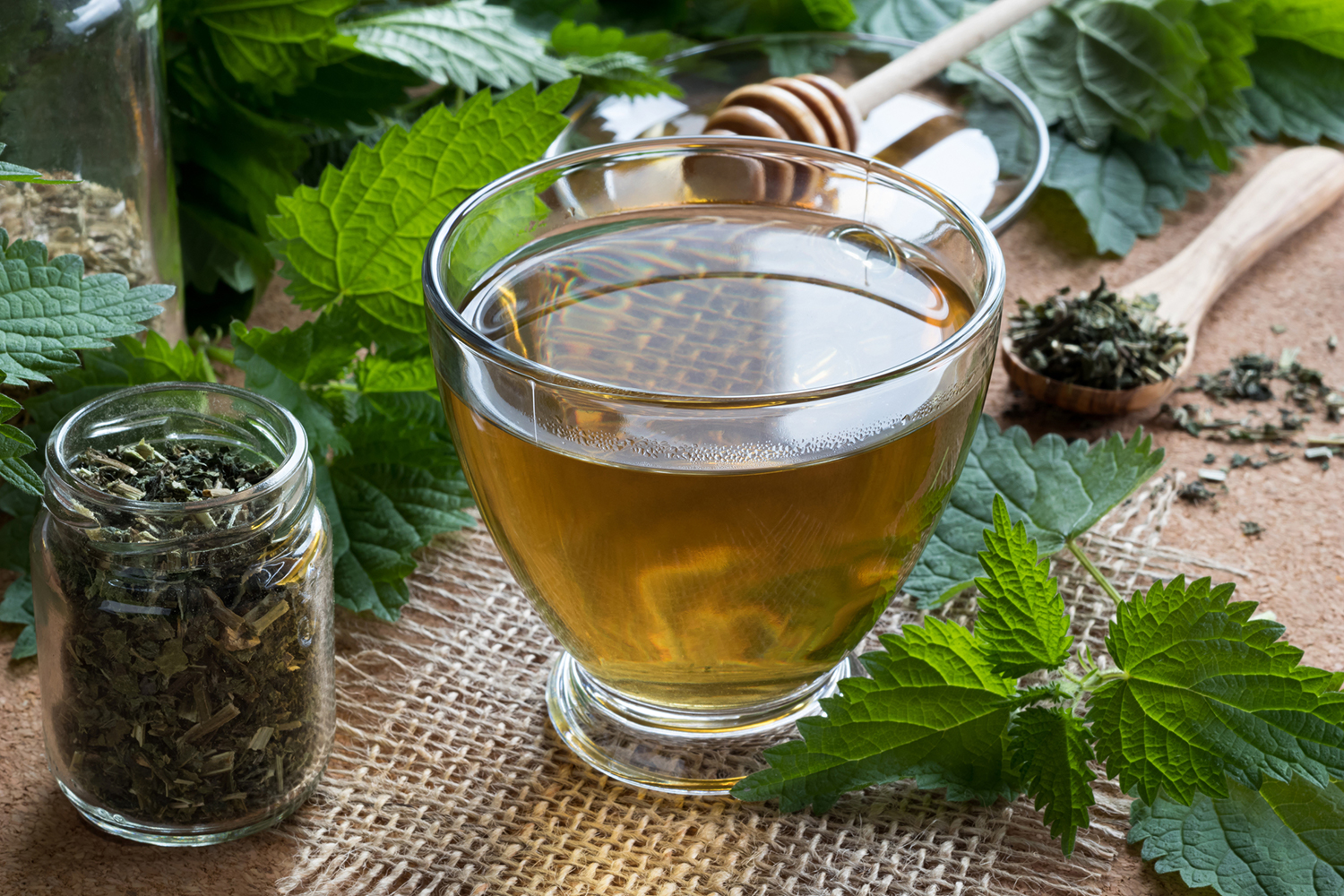
      Drinking five or more cups of green tea (or taking 250 to 500 mg of the standardized extract) daily may be helpful.

      Green tea provides antioxidants and can improve the immune system’s response to cancer, particularly in nonsmokers.

      Thanks to the EGCG antioxidant in green tea, it can:

      • inhibit cancer growth
      • induce cancer cell death
      • inhibit the inflammation that fuels cancer
      Clinical Studies

      In one study, green tea supplementation reduced colorectal tumor incidence in post-surgery cancer patients by 50 percent.

      In another large study of nonsmoking men, each daily 2 gram intake of dry green tea leaves (about the amount in one tea bag) was associated with a 12 percent reduction in colorectal cancer risk.

“Key statistics for colorectal cancer,” American Cancer Society, www.Cancer.org, 1/8/20

Anticancer: A New Way of Life by David Servan-Schreiber ($18, Penguin Books, 2017) 

“Antioxidant and Anticoagulant Status Were Improved by Personalized Dietary Intervention ... in Cancer Patients” by G.Y. Lee et al., Nutr Cancer, 9/2/15

“Antitumor Activity of Water Extract of a Mushroom, Inonotus obliquus, Against HT-29 Human Colon Cancer Cells” by S.H. Lee et al., Phytotherapy Research, 4/15/09 

The Cancer-Fighting Kitchen by Rebecca Katz ($32.50, Ten Speed Press, 2017) 

“Colorectal Cancer,” National Cancer Institute, www.Cancer.gov

“Colorectal cancer prevention – patient version,” National Cancer Institute, www.Cancer.gov, 3/15/19

“FDA approves blood test to screen for colon cancer” by Erika Edwards, www.nbc.news.com, 7/29/24

“Fiber, fat, and colorectal cancer: New insight into modifiable dietary risk factors” by S. Ocvirk et al., Current Gastroenterology Reports, 12/2/19

“Consumption of the putative chemopreventive agent curcumin by cancer patients: Assessment of curcumin levels in the colorectum and their pharmacodynamics consequences” by G. Garcea et al., Cancer Epidemiol Biomarkers Prev, 1/05

“A dietary fiber-deprived gut microbiota degrades the colonic mucus barrier and enhances pathogen susceptibility” by M.S. Desai et al., Cell, 11/17/16

“Curcumol Induces Cell Cycle Arrest in Colon Cancer Cells ...” by J. Wang et al., J Ethnopharmacol, 1/10/18 

“Green Tea Catechin, Epigallocatechin-3-Gallate (EGCG) ...” by B.N. Singh et al., Biochem Pharmacol, 12/15/11 

“Green Tea Selectively Targets Initial Stage of Intestinal Carcinogenesis ...” by A.Y. Issa et al., Carcinogenesis, 9/1/07 

“Inherited Risk for Colorectal Cancer,” Memorial Sloan Kettering Cancer Center, www.mskcc.org 

“Inhibitory Effects of Culinary Herbs and Spices on the Growth of HCA-7 Colorectal Cancer Cells ...” by A. Jaksevicius et al., Nutrients, 9/21/17 

“The Intestinal Microbiota, Gastrointestinal Environment and Colorectal Cancer: A Putative Role for Probiotics in Prevention of Colorectal Cancer?” by M.A. Azcarate-Peril et al., Am J Physiol Gastrointest Liver Physiol, 6/23/11

Textbook of Naturopathic Integrative Oncology by Jody Noe ($99.95, CCNM Press, 2011)

“Green tea consumption and colorectal cancer risk: A report from the Shanghai Men’s Health Study” by G. Yang et al., Carcinogenesis

“Protocol for minimizing the risk of metachronous adenomas of the colorectum with green tea extract (MIRACLE) . . .” by J.C. Stingl et al., BMC Cancer

Contributor

The Link Between Food and Sleep

By The Taste for Life Staff

A bowl of spicy chili late at night may give you nightmares (or at least heartburn).

But scientists are being to understand that what you eat overall—your daily and long-term diet—contributes to your sleep patterns more than was previously thought.

Food and Sleep Study

Researchers at the University of Pennsylvania’s Perelman School of Medicine explored the connection between what we eat and our sleep patterns.

General Diet

  • Very Short Sleepers: < 5 hours a night

    • consumed the least amount of calories
    • tended not to have a balanced diet
  • Short Sleepers: 5-6 hours a night

    • consumed the most calories
  • Normal Sleepers: 7-8 hours a night

    • more likely to eat the most balanced diet
    • more likely to eat the greatest variety of food

Key Nutrition

Several nutrients played a central role in sleep patterns.

  • Very Short Sleep

    • more lycopenes (found in red or orange foods, such as tomatoes)
    • more total carbohydrates
    • less tap water
  • Short Sleep

    • lower levels of selenium (found in meat, nuts, and shellfish)
    • lower levels of vitamin C
  • Long Sleep

    • lower levels of:
      • theobromine (found in chocolate and tea)
      • choline (in eggs and fatty meats)
      • dodecanoic acid (saturated fat)
    • more

Conclusion

So what's the take-home message?

“Short and long sleep are associated with lower food variety,” summarized Michael Grandner, PhD, member of the Center for Sleep and Circadian Neurobiology at the University of Pennsylvania.

It turns out not only is variety the spice of life, it helps you sleep better too!

Contributor

The Taste for Life Staff

The Taste for Life staff come from a wide variety of backgrounds and specialties. We believe learning is a life-long process, and love to share the knowledge we gain.

Natural Pain Relief

By Cheryl Myers
We host blogs from some of the leading voices in natural health and wellness. Opinions and views expressed by the author are their own, and do not necessarily represent those of Taste For Life or its editorial staff. Please contact Cheryl Myers with any questions about this content.

Pain is defined as a noxious stimulus, and noxious indeed it is.

While most of us do not like pain, it does serve a purpose.

What is Pain?

Pain is an incredibly unpleasant experience designed by our body to warn us of injury or illness.

  • Break your leg? Pain will most certainly tell you not to walk on it.
  • Tooth abscess? Pain will most certainly tell you to pull the tooth—anything to make the pain go away.

However, pain is an important signal to let you know something has gone wrong and needs attention, which can be life-saving. So much as we may hate it, it is a necessary part of our health and longevity.

It is important to understand what the body is asking for so that the best steps can be taken to address the problem and (hopefully) the pain as well.

Chronic Pain

Chronic pain does not resolve easily.

It diminishes mood and energy, and drastically alters quality of life.

A few of the causes of chronic pain are:

  • damage to the spinal vertebrae
  • trigeminal neuralgia
  • rheumatoid arthritis
  • fibromyalgia

Methods of Pain Relief

Now that pain has our attention, we can deal with the underlying cause.

But what do we do in the meantime, until the injury is healed or the illness cured?

  • Historical Treatments

    Humans have sought effective pain relief since prehistory.

    Various medicines and methodologies have gone in and out of vogue, some based on early science and some mystic in nature.

    • Physical Methods

      One of the ones I find most interesting (if gruesome!) is trepanning, in which practitioners more than 1,000 years ago drilled holes in the skull to release the demons responsible for headaches, epilepsy, and mental illness.

      Stings from electric fish were used in ancient Egypt to cure painful joints and headaches.

    • Herbal Remedies

      Plants have always been a part of the medicines developed to relieve pain.

      Cocaine from coca leaves is a very effective topical pain reliever, and opium from poppies yields morphine.

      However, though these botanicals numb the pain, they do not address the underlying cause of the pain, which most often is inflammation.

  • Pharmaceutical Risks

    The reason people keep buying them is because they reduce pain, but at what cost?

    • Over-The-Counter Drugs

      You might be shocked to learn that:

      • more than 16,500 people a year die from the complications of using ibuprofen
      • the number one cause of acute liver failure in the United States is acetaminophen.
      Be Careful with NSAIDs

      NSAIDS are "nonsteroidal anti-inflammatory drugs."

      Some drugs in this class are:

      • aspirin
      • naproxen sodium
      • celecoxib
      • ibuprofen

      The problems with these drugs is their side effects, which include:

      • stomach ulcers
      • intestinal ulcers
      • gastrointestinal bleeding
      • reduced kidney function
      • high blood pressure
      • increased risk of:
        • heart attack
        • stroke
    • Prescription Drugs

      The opiate epidemic of narcotic pain relievers is incredibly damaging and shows little sign of abating.

      How many lives are damaged and lost because of opioid addiction?

    As if these consequences weren’t enough, there is also another glaring problem: these drugs do nothing to treat the underlying cause of the pain.

    They do not heal, or treat, or cure.

Natural Remedies for Pain

Fortunately, there are powerful natural compounds that can make a measurable difference, and two of the best are curcumin and boswellia.

  • Curcumin for Pain and Inflammation

    Curcumin is a concentrated extract of the spice turmeric. For relieving most types of pain, addressing inflammation is key, and curcumin may be the most effective natural anti-inflammatory in the world.

    Rather than mask the pain signal, or drive down inflammation artificially, curcumin actually modulates inflammation, and reduces pain with relatively little risk. It also does what these drugs cannot do: it boosts the healing of the underlying cause of pain.

    Turmeric contains only 2 to 5% curcumin, so in order to be effective, it needs to be extracted and concentrated. Curcumin has been found effective in published human studies, called clinical studies, on arthritis, autoimmune diseases, skin conditions, cancer, diabetes, and depression.

    In several of these studies, curcumin is able to equal or even outperform a class of drugs commonly used called nonsteroidal anti-inflammatory drugs (NSAIDs). Some drugs in this class are aspirin, naproxen sodium, celecoxib, and ibuprofen. The problems with these drugs is their side effects, which include stomach or intestinal ulcers, gastrointestinal bleeding, reduced kidney function, high blood pressure, and a significantly increased risk of heart attack and stroke.

    Curcumin has been shown to effectively relieve pain by modulating every single type of inflammatory pathway in the body. I consider it the most valuable player (MVP) on the pain-relieving team.

    Fortunately, curcumin has side benefits instead of serious side effects. Some side benefits of curcumin (to name only a few) are helping to prevent heart disease and diabetes. Since curcumin doesn’t absorb very well, enhancing absorption, turmeric essential oils can make a real difference in your degree of pain relief. It has also been found that turmeric essential oil itself has some great anti-inflammatory activity.

    Advanced Absorbtion

    Unfortunately, curcumin is hard to absorb. There is a patented, clinically studied enhanced absorption curcumin that uses turmeric essential oil, rich in ar-turmerone. It has been shown to reduce both pain and inflammation in both osteoarthritis and rheumatoid arthritis, performing as well as drugs. There are also other formulas with enhanced absorption.

  • Boswellia for Pain Relief

    The perfect companion to curcumin is the ancient herb, boswellia, sometimes known as frankincense.

    Boswellia is an amazing plant that contains a family of compounds called boswellic acids that address 5-lipoxygenase (5-LOX), a specific type of enzyme that plays a crucial role in mediating inflammation via a unique pathway. No over-the-counter drug, and almost no prescription drugs, can reduce this type of inflammation. This pathway is active in asthma, inflammatory bowel conditions, gout, and joint pain. While curcumin is the MVP because it modulates all the pathways, boswellia is a special teams player that always delivers.

    By combining boswellia’s activity with curcumin and turmeric essential oil, even higher levels of pain relief can be achieved. Two clinical studies, both on osteoarthritis pain, have shown the combination to provide high levels of benefits, and one study showed the two used together is more powerful than curcumin alone for pain.

    In fact, the combination of curcumin, turmeric essential oil, and a standardized high-AKBA boswellia was shown to stop arthritis pain as effectively as the prescription drug celecoxib, with better reductions in pain and greater increases in walking distances. And unlike celecoxib, known for adverse effects that include increased risk of heart attack and stroke, the herbal group saw no serious side effects at all and was very well tolerated

    Check Standardization

    It is important to check the standardization of boswellia. The most powerful boswellic acid is called AKBA, and unstandardized boswellia can have as little as 1%. For clinical benefits, a minimum of 10% is important. Also, boswellia contains a boswellic acid (BBA) that is pro-inflammatory, so purification to greatly reduce this troublesome compound also yields a more powerful extract.

  • Relieve Pain with Hemp Oil & Phytocannabinoids

    There has been a lot of focus on one compound found in hemp oil, cannabidiol, known better by its shorthand name of CBD. Though CBD has studies, more recent research has found that CBD on its own is not nearly as powerful as the full spectrum of phytocannabinoids in hemp. In fact, CBD has over 100 distinct brothers and sisters in this family that can provide even greater levels of benefits.

    It’s important to look for full-spectrum hemp oil. Several published studies have shown great benefits for many types of pain utilizing the phytocannabinoids in hemp oil. For the cleanest source, European oil grown on land that is Ecocert certified is stellar.

Herbal Combinations for Better Pain Relief

While all these interventions on their own are very useful, for serious pain relief, the combination is best.

Pairing a clinically studied, powerful curcumin- and boswellia-based product with a premium European hemp oil addresses pain in two ways: reducing inflammation and activating the endocannabinoid system.

These products are fine on their own, but even better together, and can relieve pain while addressing the underlying problem that is causing the pain in the first place.

While I like the combination of curcumin and boswellia as the foundation for pain relief, there are many supplements that approach pain from various perspectives, including:

  • hemp oil
  • white willow extract
  • dl-phenylalanine (DLPA)
  • devil’s claw
  • kava

You may need to add supplements or ingredients to your protocol to fine tune it to more exactly fit your needs.

“Cannabinoids in Pain Medicine” by M. Karst, Schmerz, 6/7/18

“Clinical Evaluation of an Herbal Product (Rhulief™) in the Management of Knee Osteoarthritis” by R. Kizhakedath et al., Osteoarthritis Cartilage, 2011

“Effectiveness and Safety of Devil's Claw Tablets in Patients with General Rheumatic Disorders” by M. Warnock et al, Phytother Res, 12/07

“Efficacy and Safety of Curcumin and Its Combination with Boswellic Acid in Osteoarthritis: A Comparative, Randomized, Double-Blind, Placebo-Controlled Study” by A. Haroyan et al., BMC Complement Altern Med, 1/9/18

“Herbal Medicine for Low Back Pain: A Cochrane Review” by J.J. Gagnier et al., Spine, 1/16

“Kavain Analogues as Potential Analgesic Agents” by E.C. Kormann et al., Pharmacol Rep, 2012

“Pain Relief Through the Ages: What Are They and Did They Work?” http://www.sciencefocus.com/article/human-body/traditional-pain-relief-history, 8/9/17

“A Randomized, Pilot Study to Assess the Efficacy and Safety of Curcumin in Patients with Active Rheumatoid Arthritis” by B. Chandran and A. Goel, Phytother Res, 11/12

Contributor

Cheryl Myers

Cheryl Myers, RN, is an integrative health nurse, author, and expert on natural medicine. She is a nationally recognized speaker who has been interviewed by the New York Times, Wall Street Journal and Prevention magazine. Her articles have been published in Aesthetic Surgery Journal and Nutrition in Complementary Care, and her research on botanicals has been presented at the American College of Obstetrics and Gynecology and the North American Menopause Society. Follow Cheryl on Facebook! 

Lymph Massage with Essential Oils

By Lisa Fabian

It may not have the strong emotional appeal of the heart or the strength and sturdiness of the bones, but the lymph system needs our attention too. Fortunately this is changing, as we learn of its supreme importance in keeping us well.

Located outside the body’s cells, the lymphatic system is a fluid space. Twice as long as the blood network, the lymphatic system circulates right alongside it, acting as a drain for cellular waste. It also acts as a defender, supporting the immune system by trapping pathogens and filtering them out.

Unlike the blood system with the heart, the lymphatic system does not have a natural pump. What it has are series of ducts and nodes that help move fluid along. The lymph nodes are located throughout the body, including under the armpits, in the neck, around the groin, and in the digestive system.

Lymph Problems

When we’re dehydrated, tired, lacking in sleep, full of toxins, or fighting an infection, our lymphatic system struggles. This causes stagnation and results in painful swelling and inflammation, and is an indicator that something’s amiss.

Symptoms of Lymph Issues

Here are some common signs of congested lymph:

  • Acne and other skin issues
  • Cellulite
  • Constipation
  • Earaches
  • Excess water weight
  • Fluid retention
  • Food and chemical sensitivities
  • Inflamed tonsils
  • Insomnia
  • Nasal congestion
  • Pain
  • Sore throat

Self-Diagnosis

Try this easy and quick test: depress the skin on the back of your hand with your thumb.

If it takes three or more seconds for the skin to return to its normal color after being pressed, your lymphatic system is most likely sluggish.

Treating Lymph Issues

What to do about underperforming lymph?

Stimulating Flow

These routines all stimulate lymph flow:

If you wear underwire bras, consider changing to wireless. Many lymph glands are located in the breast area. Underwires are constricting and limit circulation in breast tissue.

Lymph Massage

Massage is a particularly healing and effective option, as it helps stagnant lymph move through the tissues. A professional licensed lymphatic massage therapist gently massages the areas over the lymph canals and encourages the emptying of the lymph nodes.

You can also try self-massage. But keep in mind that it’s best to work gently when massaging lymph. Use a light, stroking motion.

It’s important to note that if your lymphatic system is too congested and your kidneys aren’t functioning properly, a lymphatic massage may be stressful for your body.

Affected areas are often tender to the touch and the skin may appear overstretched.

Self-Massage Tips

  • If swelling is in the arms, gently massage your skin upward toward the armpits.
  • If fluid retention is in the legs, stroke upward toward the groin area.
  • Major strokes should be directed toward the kidneys to help with waste removal.
  • Other areas to concentrate on include along the jawline and down each side of the neck.
  • Massage around the bikini line area. This is where the leg creases when you lift it.

Essential Oils for Lymph Issues

Benefits

With antimicrobial, antibacterial, and anti-inflammatory properties, essential oils can:

  • help with blood circulation
  • reduce tissue swelling
  • stimulate lymphatic movement
  • lessen toxins
  • decongest lymph

Essential oils also help open drainage channels in the body, like those in the lymphatic system.

Other ways to obtain essential oils’ benefits for the lymph include adding a small amount to a bath, diffusing in a diffuser, or mixing a few drops into a body wash.

Recommend Oils

Lymph-loving essential oils include:

  • cedarwood atlas
  • cypress
  • frankincense
  • geranium
  • ginger
  • grapefruit
  • juniper berry
  • lemon
  • lime
  • rosemary
  • spearmint
  • sweet orange
  • tea tree
  • wintergreen

Helpful Tips

  • Follow the ratio of one drop of essential oil per one teaspoon of carrier oil, unless a recipe instructs otherwise.
  • Dilute the essential oils by adding them to carrier oils such as jojoba, almond, avocado, grape seed, or fractionated coconut.

Precautions

Always perform a patch test on the skin before using essential oils. Make sure there’s no redness, burning, or irritation on the skin, or any breathing issues upon smelling the intended oil. Avoid if any of these occur.

Recommended Blends

  • Toxin Expeller

    For a lymph toxin expeller:

    • Ingredients
      • 7 drops juniper berry essential oil
      • 5 drops lemon essential oil
      • 6 drops black pepper essential oil
      • 1 ounce avocado oil
    • Directions
      • Blend the ingredients in a dropper bottle.
      • Use small amounts when massaging.
  • Lymph Stimulator

    For a stimulating massage for the lymph:

    • Ingredients
      • 5 drops geranium essential oil
      • 6 drops wintergreen essential oil
      • 2 drops tea tree essential oil
      • 1 ounce grapeseed oil
    • Directions
      • Blend the ingredients in a dropper bottle.
      • Use small amounts when massaging.
  • Lymphedema Blend 1

    From The Complete Book of Essential Oils and Aromatherapy by Valerie Ann Worwood.

    • Ingredients
      • Juniper Berry 5 drops
      • Grapefruit 2 drops
      • Cypress 2 drops
      • Sweet Orange 5 drops
    • Directions
      1. Blend essential oils together.
      2. Dilute 1 to 3 drops per tsp of carrier oil.
      3. Use only as much as required.
  • Lymphedema Blend 2

    From The Complete Book of Essential Oils and Aromatherapy by Valerie Ann Worwood.

    • Ingredients
      • Lavender 6 drops
      • Juniper berry 3 drops
      • German Chamomile 6 drops
    • Directions
      1. Blend essential oils together.
      2. Dilute 1 to 3 drops per tsp of carrier oil.
      3. Use only as much as required.

“3 ways to move lymphatic fluid for detoxification” by Jodi Cohen, Vibrant Blue Oils, 2020

“Alleviate pain and inflammation with lymph support” by Jodi Cohen, Vibrant Blue Oils, 2020

The Complete Book of Essential Oils and Aromatherapy by Valerie Ann Worwood ($32.95, New World Library, 2016)

“Essential oils for lymph nodes . . . ,” Essential Oil Benefits, 11/22/20

“The Insiders guide to lymphatic support for the thyroid,” by Alison Vickery, www.AlisonVickery.com, 2023

“Top 6 essential oils for detox and lymphatic drainage” by Anesa Kratovac, www.RedGrapeWisdom.com, 2023

Contributor

Lisa Fabian

Contributing Editor

Lisa Fabian is an award-winning freelance writer with more than 25 years of experience in the publishing industry. She's enjoyed covering topics as diverse as arts and crafts, boating, food, and health and wellness.

Spring Cleansing and Detox

By Ann Louise Gittleman, Ph.D., C.N.S.
We host blogs from some of the leading voices in natural health and wellness. Opinions and views expressed by the author are their own, and do not necessarily represent those of Taste For Life or its editorial staff. Please contact Ann Louise Gittleman, Ph.D., C.N.S. with any questions about this content.

A cleansing detox feels wonderful for your body and it can also be delicious! Your liver is your premiere detox organ, and all too frequently, factors interrupt its healthy functioning.

Examples include highly refined foods, nitrates, hormones and preservatives, along with environmental xenohormones, caffeine, alcohol, hormone birth control, overuse of antibiotics, prescription drugs, smog, secondhand smoke, and even metabolic residue from your foods.

When these elements come into play, your liver no longer performs normally, causing toxins to build up in your system, where they provoke chronic health conditions – but there are plenty of natural remedies available!

Love Your Liver

Your liver, as the center of action, also purifies the bloodstream, maintains sugar levels, produces enzymes and amino acids to metabolize carbohydrates, fats and proteins, produces bile during the digestive process for fat metabolism, then houses the bile in the gallbladder, and helps keep your body in hormonal balance.

Simply put, the liver is the key to life. When your liver is sluggish, every organ in your body becomes affected by it. Your blood vessels enlarge, and blood flow becomes restricted. The congested liver starts to propel toxins into your circulatory system, producing a dull ache under your lower right rib cage—particularly after a rich meal.

With toxins running amok in your body, secondary problems are usually not far behind it. The liver – which produces enzymes and amino acids to aid in digestion – becomes overwhelmed and throws the whole body out of balance, which weakens the gastro lining and releases more toxins into the system.

And as higher amounts of these poisons are released, even more make their way into your liver, which starts the insidious circle all over again.

As the seat of energy flow for the body, your liver is susceptible to stagnation problems. Unresolved or prolonged anger and depression – the emotional markers of a compromised liver – prevent the body’s energy from flowing as it should. You may have a deep vertical crease between your eyebrows as a result, or a dark reddish complexion.

You could also experience a myriad of secondary symptoms such as acne, itchy rashes, petachiae (red spots), splitting or breaking fingernails, and digestive problems.

Hormonal imbalances could also come into play. These symptoms range from premenstrual irritability, mood swings and cramping, to perimenopausal irritability, mental fog, anxiety and depression, to menopausal hot flashes, palpitations and night sweats.

In fact, contending with years of a stress-damaged liver has also been known to bring about earlier menopausal symptoms.

Foods for Liver Health

These are four fantastic foods to feed your liver what it critically needs for peak performance.

  • Dandelion Root

    Dandelion root is dandy for stimulating liver function and detox because it’s loaded with nutrients and minerals.

    One such is inulin, a fiber-like substance that functions as a prebiotic to help nourish the friendly bacteria in the gut.

    The humble dandelion root is also good for lowering blood sugar and boosting the overall health of the microbiome.

    Usage

    It’s the perfect swap or trade-off to have in place of coffee for those of you on a detox.

    Another easy and delicious option is to add it to your daily smoothie.

  • Beets

    You can’t beat beets! They're full of betaine, a prominent protector of the liver against the damaging effects of alcohol.

    Betaine also thins the bile and helps it move freely within the bile ducts, and is an incredibly rich dietary source of nitric oxide and antioxidants.

  • Flaxseeds

    Flaxseeds are fabulous for fiber, which keeps toxins moving out of your body – where they should be.

    They’ve also been found to power up the immune system and even be an effective cancer fighter.

    They can be of particular benefit to post-menopausal women because the lignans in the fibrous shell counteract the cell-proliferating power of excess estrogen.

    Usage

    From flaxseed crackers to an excellent smoothie add-in, there are many ways to work flax’s healthful crunch into your routine.

  • Burdock Root

    Burdock root rocks as a liver cleansing agent by encouraging the body to remove waste and metabolize built up fats, old cholesterol deposits, and toxins.

    As an added bonus, it can be very helpful for skin conditions like eczema, dermatitis and psoriasis.

    Usage

    My favorite way to prepare it is to peel it and use it plentifully as an ingredient in a slaw. Yum!

Contributor

Ann Louise Gittleman, Ph.D., C.N.S.

Ann Louise Gittleman, PhD, is a New York Times award-winning author of 30 books on detox, health, and healing, including the international bestselling Fat Flush Plan and Zapped! Visit her blog and join her online Fat Flush Community.

Green Light for Green Tea

This tasty tradition can help fight cancer, diabetes, and the flu.

By Patty Lenz Bovie

For thousands of years, people have turned to tea's ability to calm and heal, and green tea’s health benefits exceed those of any other teas in your cabinet.

Benefits of Green Tea

Green tea, brewed from the unfermented dried leaves and buds of the Camellia sinensis plant, is packed with powerful healing nutrients and antioxidants that can potentially protect against cancer, heart disease, and Type 2 diabetes.

Some studies have indicated green tea can also help improve brain function and that green tea can aid in weight loss.

Antioxidants

The secret is in the leaves, which contain a powerful antioxidant compound called epigallocatechin gallate. EGCG minimizes free radicals, fights inflammation, lowers LDL cholesterol, and reduces your risk of a number of life-threatening diseases. It also has antiviral effects.

Ashley Ranaldi, ACE-certified health coach, explains: “Green tea has catechins—polyphenols (natural, plant-based substances)—full of antioxidants that scavenge the free radicals in our body. It promotes better heart health and can help decrease obesity because it has an oxidative effect on fat.”

Studies on Disease Prevention

  • Diabetes

    Green tea has been shown to reduce blood sugar levels and lower the risk of developing Type 2 diabetes.

  • Heart Health

    Research shows that green tea drinkers have a lower risk of developing cardiovascular disease.

  • Cancer

    When it comes to preventing cancer, green tea may also help.

    Research has found that women who regularly drank more than three cups of green tea a day had a lower risk of both developing breast cancer and experiencing a recurrence of breast cancer.

    29 different studies found that green tea drinkers were less likely to develop colorectal cancer.

Green Tea Battles Flu

Green tea and tea extracts in supplement form protect against flu and other upper respiratory tract infections. That’s the conclusion of a study in the European Journal of Nutrition, which also supported gargling with the tea.

The authors wrote that recent pandemics involving influenza and coronaviruses “have substantially increased global interest in preventive measures against infectious diseases. Given the unpredictable nature of influenza virus, coronavirus, and other respiratory infection virus pandemics, measures aimed at reducing their impact are urgently needed.”

The study determined that higher volumes of green tea provided stronger preventive effects: three cups per day compared to one, for example.

Catechin-containing capsules produced similar effects.

Contributor

Patty Lenz Bovie

Patty Lenz Bovie is a seasoned copywriter who has worked across the lifestyle, education, and healthcare industries, and more. She specializes in boiling down information dumps into digestible pieces, and making complicated topics understandable to the masses.

Do Pets Need to Detox?

By Brenda Watson, CNC
We host blogs from some of the leading voices in natural health and wellness. Opinions and views expressed by the author are their own, and do not necessarily represent those of Taste For Life or its editorial staff. Please contact Brenda Watson, CNC with any questions about this content.
This content originally appeared on brendawatson.com

In recent years we have seen a drastic increase in the number of people in this country who are overweight and obese. This has led to a scary increase in many chronic health conditions ranging from diabetes and metabolic syndrome to heart disease.

We are also seeing a rise in NAFLD (nonalcoholic fatty liver disease) in humans. I’ve written many blogs on this topic.

What is NAFLD?

Nonalcoholic fatty liver disease is a term used to describe the accumulation of fat in the liver of people who drink little or no alcohol. People usually don’t have symptoms, or if they do, the symptoms are mild—most commonly, episodes of fatigue.

But we now know that the increase in NAFLD is due in part to obesity. It is no secret that weight loss is an important factor in improving a fatty liver.

Detox for People

As a big proponent of supporting liver function in people by using detoxing programs, I have always suggested the use of herbs, amino acids, and nutraceuticals in a combination formula. I have seen this formula help countless people over the years as they work on improving their health and losing weight.

Detox for Pets

Pet Obesity

Veterinarians are also finding that, just like people, dogs and cats that carry extra weight place additional demands on their organs too, especially on their livers.

So the question is: how do we help our furry friends who are overweight?

We can’t exactly offer our pets suggestions like “Push away your plate before you are full,” or “Stop opening the refrigerator after 7 PM for that extra snack!” I sometimes joke about our dogs with my husband Stan, “I’ll bet they wish they had thumbs so they could open the refrigerator.” You see, I am also trying to control the weight in my dogs at this time, yet they have learned so many ways to control me and devour more food!

I often read articles that claim overweight pets habitually hang around during mealtimes and while food is being prepared. Well, where else would they be?

Fatty Liver Disease in Pets

Hepatic lipidosis (commonly known as fatty liver) is one of the most common feline liver diseases in cats. But dogs can also suffer from fatty liver, which results in a decrease in liver function and leads to myriad other health conditions.

Once again, we share the same problems with our health as our pets when it comes to both weight and liver disease.

Guess what? The answer to this problem is the same for both humans and pets: lose the extra pounds. When we—and our pets—lose weight, the liver then loses fat. And by detoxing the liver, it will naturally become healthier.

Liver Detox for Pets

Many pet owners have been detoxing their own livers for years. We now know that liver detox is important for our beloved pets as well.

A very important point to remember is to choose a gentle daily detox for our pets (just as we do for ourselves) that will not cause them to feel poorly as their livers detox.

You’ll want to find a formula that includes milk thistle, turmeric, and MSM. These gentle ingredients support and assist in liver detoxification in animals just as they do in humans.

Make sure the product is specifically formulated for pets.

Helping Your Pet to Lose Weight

Now to address the issue of helping our furry friends lose weight; the responsibility is ours. We must make sure to not overfeed them or give them too many treats. I have one important rule with my dogs: I never feed them from the table!

Admittedly, it’s not easy to refuse those pitiful eyes when they look up at me asking for a treat. But I know that their health depends on it.

Contributor

Brenda Watson, CNC

Owner of Vital Planet

For more than 30 years, Brenda Watson, CNC has been helping people achieve vibrant health through improved digestion.

As an author of eight books, a New York Times bestseller, and the creator of five PBS shows on digestive health, Brenda continues the crusade of teaching how the gut is the foundation of your health.

Why You Need Omegas

Some fats are critical to good health.

By Nan Fornal
a bowl of produce rich in omega oils
Photo by Daria Shevtsova from Pexels

The name says it all. The body must source essential fatty acids from foods, since it can’t manufacture them on its own.

Omega-3 fatty acids are important in all phases of life, beginning in the womb and continuing through childhood, adolescence, and adulthood. There are three types: docosahexaenoic acid (DHA), eicosapentaenoic acid (EPA), both of which come from fish, and alpha-linolenic acid (ALA), which comes from flax, flaxseed oil, nuts, and dark green, leafy vegetables.

Omega-3 benefits

The many critical health-promoting functions of omega 3s include the following:

  • Cardiovascular

    Modulates heart rate and blood pressure, improves the condition of blood vessels, and helps prevent cardiac arrhythmias.   

  • Mental Health

    Improves attention-deficit hyperactivity disorder in children; modulates symptoms of depression and other disorders in adults.

  • Cancer Prevention

    May reduce risk of breast, colon, and prostate cancers.

  • Joint and Bone Health

    Potential reduction of risk of arthritis and osteoporosis.

  • Autoimmune Conditions

    Contributes to lower risk of asthma, rheumatoid arthritis, and gastrointestinal conditions including colitis and Crohn’s disease.

Who needs to supplement?

Whole foods, especially fatty fish, are the best sources of omega 3. But those who don’t eat fish at least twice a week and anyone who is deficient in this critical nutrient may benefit from taking a supplement.  One clinical trial involving more than 25,000 subjects found that a supplement dose of 1 gram per day led to a 28 percent reduction in heart attack risk.

Benefits of omega-6 fatty acids

Omega-6 fatty acids, primarily linolenic acid found in vegetable oils, for years suffered a bad reputation until the American Heart Association released an advisory that turned it around. Instead of causing inflammation, omega-6 fats either reduce inflammation or have no effect.

“Omega-6 fats are not only safe, but they are also beneficial for the heart and circulation,” according to Dariush Mozaffarian, MD, coauthor of the advisory. Rather than cutting down on consumption of omega 6s, it’s enough to increase intake of omega 3s to balance the ratio of the two fats in the diet.

“No need to avoid healthy omega-6 fats,” Harvard Heart Letter, www.health.harvard.edu, 8/20/19

"Omega-3 fatty acids: An essential contribution,” Harvard T.H. Chan School of Public Health, www.hsph.harvard.edu

“Should you be taking an omega-3 supplement?” Harvard Women’s Health Watch, www.health.harvard.edu, 4/19

Contributor

Nan Fornal

Nan Fornal has experience with fiction, nonfiction, and technical publications, working closely with book and magazine publishers from first edit to final proofing. She has worked with Exeter Press, Boston magazine, and self-publishers alike.

Brewer’s Yeast: Benefits and Uses

Your Secret and Savory Weapon

By Lisa Fabian

You could say humans have a long-standing and symbiotic relationship with yeasts. We’ve been using these fungi to raise breads, brew beer, and make wine and other alcoholic beverages for centuries. 

For dietary and nutritional considerations in these modern days, why not consider the yeast known as brewer’s yeast?

What is Brewer's Yeast?

Brewer's yeast is a live and active yeast used for making beer.

It starts off by growing on a medium of malted barley or another grain used in beer production.

  • Is It Safe to Take?

    Brewer’s yeast is heat-killed before becoming a dietary supplement.

    Since its microorganisms have been deactivated through heat, they cannot create yeast overgrowth or yeast infections in the body.

  • Is It Good to Eat?

    Some brewer’s yeast products are also de-bittered, so they’re more edible.

    Supplemental forms of brewer’s yeast typically do not undergo this process.

    What Does It Taste Like?

    Tasting somewhat like a tangy broth, and at times offering a beer-like aftertaste, brewer’s yeast is best described as bitter, cheesy, meaty, and occasionally fruity. 

  • Brewer's Yeast as a Remedy

    In addition to its nutritional benefits, brewer’s yeast may aid in the treatment of eczema and infectious diarrhea.

Brewer's Yeast vs Nutritional Yeast

Perhaps you’ve heard of nutritional yeast?

A popular ingredient that adds a rich, umami flavor to foods (especially vegan), this yeast is not the same as brewer’s yeast.

  • Flavor Profile

    Though both come from the same strain (Saccharomyces cerevisiae), brewer’s yeast offers a bigger punch than its milder, nuttier, and cheesier cousin.

  • Production

    Aside from flavor, a key difference between the two is that nutritional yeast begins with the medium of beet or cane sugar molasses.

  • Nutrition

    Both brewer’s yeast and nutritional yeast offer high amounts of:

    • B vitamins
    • Selenium
    • Potassium

    ...as well as trace amounts of magnesium.

    Both may help boost the immune system and improve cholesterol levels.

    • Chromium

      Brewer’s yeast offers naturally occurring chromium. Chromium is a beneficial nutrient for people with diabetes, since it can help lower blood sugar levels and improve insulin sensitivity.

    • Protein

      A good source of protein, 52 percent of brewer’s yeast’s weight is actually protein!

How Can You Use Brewer’s Yeast?

Chefs use brewer’s yeast to create umami-rich sauces for pasta dishes. Or they blend it into mayonnaise to slather on meats and fish. Brewer’s yeast can even be added to seasoning mixes!

Here are some other ways to add brewer’s yeast to your diet:

  • In Smoothies

    Blend into smoothies for a nutrient boost.

  • In Vinaigrettes

    Whisk into vinaigrettes (just make sure they’re already strong tasting).

    Try adding to one made with lemon juice, Dijon mustard, and oregano.

  • As a Seasoning

    • Mix into popcorn for a savory snack.
    • Sprinkle a powdered or a flaked version over pizzas.
  • In Baking

    Some lactating women consume cookies made with brewer’s yeast to improve their milk supply.

  • For Your Dog

    Try sprinkling some brewer's yeast on dog food, to enhance flavor and add nutrition.

Choosing a Brewer's Yeast

You can find brewer’s yeast in health food stores in a powdered, capsule, or flaked form.

But when shopping for brewer’s yeast for yourself, be aware of the following.

  • Avoid Unhealthy Choices

    Some items come sweetened or flavored. Read labels, as these varieties may not be as healthful as pure brewer’s yeast products.

  • Watch Out for Gluten

    Keep in mind, too, that brewer’s yeast is NOT a gluten-free product, unless otherwise indicated on the label.

  • Digestive Concerns

    Those with yeast sensitivities, gout, or Crohn’s disease should avoid brewer’s yeast. 

  • With Medications

    Check with your healthcare provider before trying brewer’s yeast, as it can be contraindicated with certain medications.

  • Existing Conditions

    Brewer’s yeast can also cause gas and migraines in those susceptible to these conditions.

Contributor

Lisa Fabian

Contributing Editor

Lisa Fabian is an award-winning freelance writer with more than 25 years of experience in the publishing industry. She's enjoyed covering topics as diverse as arts and crafts, boating, food, and health and wellness.

Benefits of Aged Garlic Extract

Discover how it contributes to heart health and more.

By Dave Clarke

OK, so you’ve used garlic countless times to ward off vampires. Who amongst us hasn’t?

But have you considered using this wonder bulb (Allium sativum, an offshoot of the onion genus) to keep your heart healthy too? When aged (for up to 20 months), the odorless extract from garlic known as aged garlic extract (AGE), has been clinically proven to ward off something far more threatening than the likes of Lestat or Dracula—heart disease.

The History of Garlic

Garlic as medicine has a long history.

  • In Ancient Egypt

    Ancient Egyptian tombs dating back to 3700 B.C. contain drawings and carvings of garlic.

    Garlic as a remedy for heart disease, tumors, and headaches is documented in the Papyrus Ebers (an Egyptian herbal medicine guide from roughly 1550 B.C.).

  • In Greek Antiquity

    Hippocrates (the guy responsible for the physician’s “First do no harm” Hippocratic oath) prescribed garlic back in the fourth century B.C. for parasites, poor digestion, respiratory problems, and fatigue.

  • In The Middle East

    In the Middle and Far East, garlic has been used for centuries to treat bronchitis, liver disorders, colic, rheumatism, and fevers, to name just a few applications.

Modern Use of Garlic

  • For Heart Health

    The National Library of Medicine, part of the National Institutes of Health (NIH), explains that garlic is widely used to treat atherosclerosis (hardening of the arteries), high cholesterol, coronary disease, and hypertension and there are hundreds of studies documenting garlic’s benefits.

    Other benefits include throttling thrombosis (blood clots), lowering blood lipids (cholesterol), and stimulating your immune system to battle disease.

  • For Cancer

    Garlic extracts have been proven to prevent cancer in animals.

    • Colon Cancer

      Studies show that the more garlic people consume, the lower the risk they have of developing gastric and colon cancers.

      The Iowa Women’s Health Study, after reviewing the diets of 41,000 middle-aged women, concluded that those who regularly ate fruits, veggies, and garlic had an up to 35 percent lower risk of colon cancer.

    • Prostate Cancer

      In men, garlic seems to shrink an enlarged prostate.

  • For Cold / Flu

    Studies show that people who took garlic for 12 weeks during cold season got fewer colds and those who did catch cold had shorter-lasting symptoms than those in the placebo group.

Aged Garlic Extract

Specifically, AGE contains S-allylcysteine, an active and stable component that allows for standardized dosing.

Some research shows that AGE doesn’t cause bleeding problems when taken with certain blood-thinning medicines, such as warfarin.

  • Antioxidants

    When garlic is extracted for long periods of time, it produces antioxidants, such as allicin (which gives garlic its distinctive aroma), which help prevent oxidant damage and the hardening of your arteries.

    The chemical compounds in AGE also protect your DNA from damage caused by free radicals and exposure to ultraviolet (UV) rays. A buildup of free radicals is thought to contribute to heart disease, cancer, and Alzheimer’s disease.

  • For Cognition / Aging

    The NIH notes that research indicates that AGE may also help combat the loss of brain function associated with aging by increasing cognitive functioning, such as memory.

  • For Toxicity

    There are also indications that AGE can protect against the toxic effects of certain cancer treatments, liver toxicity caused by carbon tetrachloride (an industrial chemical), and acetaminophen.

“Aged Garlic Extract May Be Safe for Patients on Warfarin Therapy” by H. Macan et al., Journal of Nutrition

“Antioxidant Health Effects of Aged Garlic Extract” by C. Borek, Journal of Nutrition

“Clarifying the Real Bioactive Constituents of Garlic” by H. Amagase, Journal of Nutrition

“Aged Garlic Extract Reduces Blood Pressure in Hypertensives: A Dose-Response Trial” by K. Ried et al., European Journal of Clinical Nutrition

“Garlic,” University of Maryland Medical Center, http://umm.edu

Contributor

Dave Clarke

Dave Clarke is a California-based writer and editor with a yen for adventure that fuels his work and his life. Check out more of his writing at AAM Today.

Don't Miss a Thing!


Get the latest articles, recipes, and more, when you sign up for the tasteforlife.com newsletter.

Hot Product

Mommy's Bliss Gripe Water

Mommy's Bliss Gripe Water

Mommy's Bliss Gripe Water is an herbal supplement for occasional stomach discomfort from infant gas, colic (not due to a medical condition), fussiness and hiccups. Made with organic ginger, organic fennel and organic chamomile.