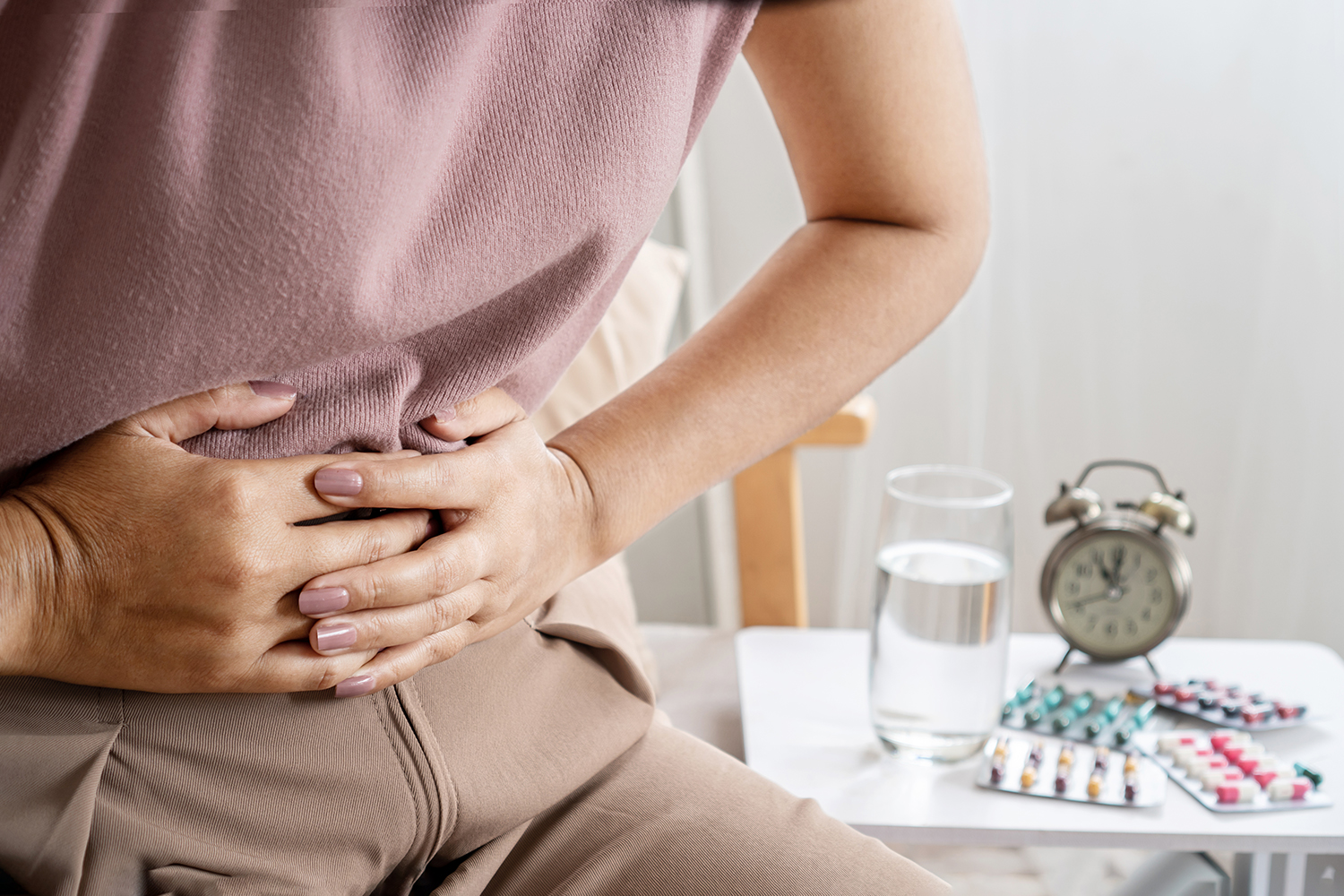
Think Zinc

for immunity and more

By The Taste for Life Staff

Zinc, a vital nutrient, plays important roles in growth and development, immune response, reproduction, and neurological function.

This mineral may benefit age-related degenerative diseases, including Parkinson's disease and Alzheimer's disease. 

Zinc deficiency appears to play an important role in the onset of many illnesses, including autoimmune diseases. Research has also found an association between low zinc levels in the blood and depression.

Who Is at Risk for Zinc Deficiency?

Zinc cannot be stored in the body in significant amounts so you must obtain it regularly through food or supplementation. In developed countries, zinc deficiency may occur in the elderly, vegans, pregnant and lactating women, and those with alcohol dependency. People with sickle cell disease or chronic gastrointestinal disorders (such as ulcerative colitis or Crohn's disease) may also be at risk.

Symptoms of Zinc Deficiency

Common symptoms of zinc deficiency include unexplained weight loss, loss of appetite, hair loss, frequent colds, white spots on fingernails, and wounds that don't heal well. People suffering from zinc deficiency may also notice a reduced ability to taste or smell food.

How to Get Enough Zinc

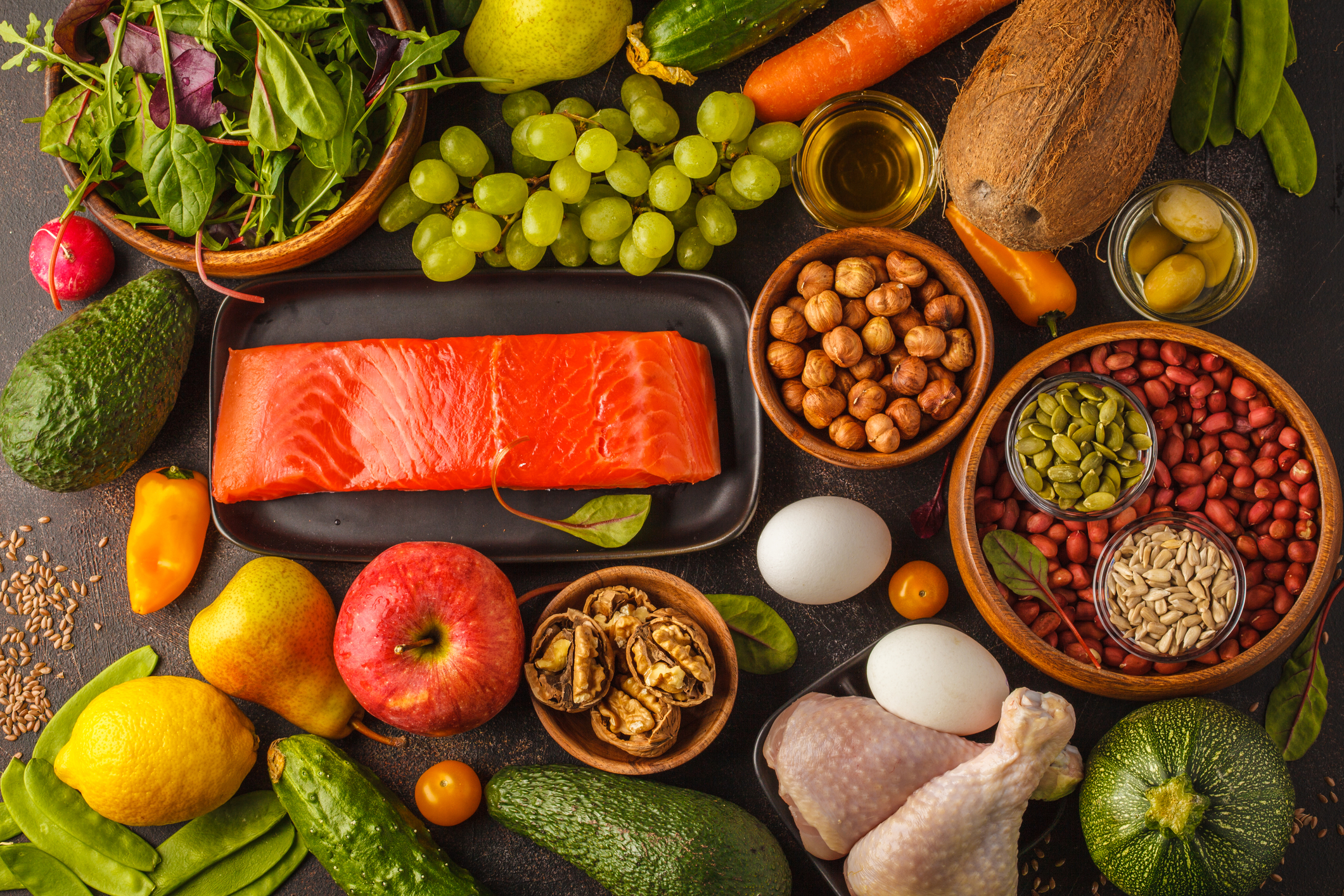
Common in cold lozenges and remedies, zinc occurs naturally in certain foods like fish, red meat, oysters, cashews, and yogurt. 

This trace mineral is almost always found in multivitamin/mineral dietary supplements. Multiple forms of zinc are available, including zinc sulfate, zinc acetate, and zinc gluconate. 

"Zinc," Linus Pauling Institute, http://lpi.oregonstate.edu

"Zinc," Office of Dietary Supplements, National Institutes of Health, http://ods.od.nih.gov/factsheets/zinc

"Zinc deficiency," L. Maxfield et al., StatPearls, 6/28/23

Contributor

The Taste for Life Staff

The Taste for Life staff come from a wide variety of backgrounds and specialties. We believe learning is a life-long process, and love to share the knowledge we gain.

Holiday Winter Tea Blend

By Maria Noël Groves, RH (AHG)
Prep Time
10 minutes
Number of Servings
5 cups dried tea blend
Ingredients
  • 2 cups dried peppermint
  • 1 cup dried lemon balm
  • 1 cup cocoa nibs
  • 12 cup evergreen needles (pine, fir, spruce, or hemlock) or 14 cup dried rosemary
  • 14 cup dried rose petals
  • 18 cup dried vanilla bean, snipped into pieces
Directions

Preparation

  1. Combine herbs thoroughly.
  2. Divide and store in little brown bags or glass jars with brewing directions.

Brewing

  1. Steep 1 heaping teaspoon per 8 ounces of hot water for 20 minutes, then strain.
Contributor

Stress Less This Holiday Season

By Kelli Ann Wilson

There’s no nice way to say it—life can be stressful. This is especially true during the holidays.

While most of us look forward to celebrating with friends and family, the festivities can compound our stress. Here are some helpful ways to get back to feeling merry and bright.

Stress-Busting Basics

During this busy time of year, it’s easy to rely on junk-food snacks to keep you going, which will make you feel worse. Instead choose healthy, stress-busting foods like avocado, blueberries, dark chocolate, and pistachios.

Making time to exercise regularly, even with a hectic schedule, is a great way to reduce stress. Find something physical you like to do, and work it into your routine. Exercise works best for stress relief when done regularly.

Nourishing Nutrients

Nutritional deficiencies can make stress symptoms worse. If your diet has been less than ideal, supplements can help.

Vitamin A has antioxidant properties that may help control feelings of stress. B-complex vitamins boost nervous system health. Vitamin C helps reduce feelings of anxiety caused by oxidative damage. Vitamin D deficiency can make it harder for your body to absorb other vitamins, and intensify feelings of stress.

Mineral Magic

Magnesium deficiency can make it harder for the body to respond to stress. In turn, stress tends to deplete magnesium resources, creating a feedback loop of compounding stress. Most Americans don’t get enough of this mineral through their diets, so consider a magnesium supplement.

Relaxing Herbs

Stress can make it hard to sleep. If you’re suffering from stress-related insomnia, consider herbs such as valerian root. Take a time-out with a cup of chamomile tea to reduce anxiety, kava tea to help you relax, or tulsi tea to balance cortisol levels and relieve stress.

“8 effective herbal supplements for anxiety” by Chloe Brotheridge, www.PsychologyToday.com, 6/16/18

“Coping strategies,” Anxiety and Depression Association of America, https://adaa.org

“Health benefits & side effects of tulsi tea” by John Staughton, www.OrganicFacts.net, 5/15/18 

“Magnesium,” National Institutes of Health, https://ods.od.nih

Contributor

Kelli Ann Wilson

Associate Editor

Kelli Ann Wilson is Associate Editor at Taste for Life magazine. In her free time she enjoys reading, writing, photography, gardening, and spending time with her husband and two kids.

Natural Remedies for Bloat-Free Digestion

Beat the belly bloat and shrink your stomach.

By Ann Louise Gittleman, Ph.D., C.N.S.
We host blogs from some of the leading voices in natural health and wellness. Opinions and views expressed by the author are their own, and do not necessarily represent those of Taste For Life or its editorial staff. Please contact Ann Louise Gittleman, Ph.D., C.N.S. with any questions about this content.
This content originally appeared on annlouise.com

If you wake up in the morning with a flat belly but bloat so much your pants don’t fit by the end of the day, then it’s time to tune-up your digestion.

In my four decades of nutrition practice, I’ve found four main keys to a flat belly and happy digestion:

  • proper pH balance
  • enough intestinal flora
  • keeping digestion moving smoothly
  • a healthy diet rich in detoxifying foods

This simple, successful, natural approach can have your stomach slim again in no time!

The Importance of Being Acidic

Millions of people find temporary relief from stomach acid-reducing medications available over-the-counter and by prescription. And with the myriad of health books out there talking about the importance of an alkaline body to stave off disease, on the surface it sounds like a good idea to reduce stomach acid – but I assure you it’s quite the opposite. If you are bloating after meals, then it’s likely that your stomach acid is too low.

When stomach acid goes low for the long term, we can’t absorb minerals like iron, calcium, zinc, magnesium, and selenium, or the B vitamins. We also can’t break proteins down into energy and amino acids. This not only means that we miss out on essential nutrients, but also leaves undigested food just sitting there, building up gases and causing us to bloat. Low stomach acid is more common as we age, but is also a known side effect of taking acid-blocking medications for longer than six weeks.

Your stomach acid is the first line of defense against harmful bacteria, parasites, and other pathogens that are ingested along with food. Your ideal stomach pH is 2, which is very acidic. This acid level activates pepsin, an important enzyme needed for protein digestion and the release of energy from foods.

Your digestion happens in a cascade. Chewing food thoroughly causes you to produce more saliva, which in turn signals the production of enough stomach acid. The amount of stomach acid you make is a guide for the amount of bile and digestive enzymes that are released into the small intestine to finish the process of breaking down your food.

When you don’t produce enough stomach acid, the food just sits there, putrefying and causing you to bloat. Fungi and yeasts move in to break down the food by fermentation, which not only causes more bloating but affects the balance of probiotics in the microbiome and isn’t an efficient way to extract nutrients from the food. This disordered digestion creates deficiencies even with what seems to be a healthy diet.

Wake Up Your Stomach Acid with Apple Cider Vinegar

Start simple to supplement acid to your digestion. Your stomach is very responsive to even small changes, so set the tone for acid production for your day with a teaspoon of unpasteurized apple cider vinegar every morning before breakfast. This wakes up your digestion and lowers the pH of the stomach.

The Importance of Intestinal Flora

If you’ve ever taken a probiotic, then you have some idea that healthy bacteria are essential for a healthy body. That collection of trillions of healthy bacteria in your body is known as the microbiome, and the majority of it is housed in your intestines. When your microbiome is in balance, everything from your digestion and weight loss to your immune health thrives. But even one strain of bad bacteria is enough to upset the delicate balance and bring on the belly bloat.

The big issue within the microbiome is the presence of opportunistic microbes. These are the yeasts and bacteria that are beneficial when everything is in balance, but will overgrow and wreak havoc when the opportunity arises. For instance, those yeasts and fungi that are called in when stomach acid is low, to help ferment food that isn’t being digested, then travel downstream into the intestines with the food they’ve been breaking down. Their numbers have multiplied to the point that they overwhelm the probiotic population and start causing inflammation in the intestinal lining.

When yeast is your issue, sugar cravings come with the belly bloat, and giving in may make you feel better but your ever-expanding waistline is a sign that you’re feeding the problem. It may be the result of the stomach acid issue, or it may be caused by antibiotics, stress, or too many carbs in the diet.

Another opportunistic issue happens when bacteria that thrive in the colon back up into the small intestine, known as small intestine bacterial overgrowth (SIBO). These bacteria help us break down bile salts and waste products and are essential for colon health, but when they move up into the small intestine or are taken in a poorly formulated probiotic, they can cause gas, bloating, diarrhea, constipation, abdominal pain, weight gain, nutrient deficiencies, and fat malabsorption issues. Healthy stomach acid levels and proper probiotic balance are the keys to stopping SIBO before it starts.

Constipation Is No Laughing Matter

Completing the digestive cascade is the elimination of waste products. If you aren’t moving your bowels after every large meal, then you may be constipated. This may sound like a lot to someone who thought that regular bowel movements meant going the same time every week, but I assure you, it’s exactly what your body needs.

When your stomach produces acid after you start eating, it also starts a wave-like motion throughout the colon, known as the gastrocolic reflex. What you eat, how much you eat, and the temperature of your food and drinks all affect the strength of this reflex. The foods that fermented from lack of stomach acid move very slowly through the colon, causing bloating, fatigue, and weight gain – hallmarks of constipation.

The average adult with even mild constipation is holding onto 20 pounds of waste in their colon, with a capacity for up to 50 pounds. This toxic weight gain can contribute to SIBO, yeast overgrowth, and other digestive issues. Your body recycles many of those toxins and circulates them back through the liver while its waiting to release all that toxic waste, so it also contributes to your overall toxic load and stalls even your best weight loss efforts.

Combine Detox with Diet for a Flat Belly

You’ve stimulated your stomach acid with apple cider vinegar, repopulated your probiotics, and got your sluggish colon moving again. Congratulations! Now only one step remains to keep your digestion bloat-free – reduce your toxic load.

Toxins from the colon that recirculate can congest your liver, stress your kidneys, swell your fat cells, and cause not just bloating but also fat gain. This is because toxins that can’t be eliminated need to be sequestered into fat cells to protect you from their effects. This is how my New York Times bestselling Fat Flush plan got its name – when you detox and flush the fat, you lose the bloat and the excess weight.

If bloating has been your constant companion for quite some time, I highly recommend at least a few months on my Fat Flush plan to detoxify and keep your digestion on track. Join my Fat Flush Nation group on Facebook and see how thousands of people like you are flushing their fat, feeling great, and losing unwanted weight.

Contributor

Ann Louise Gittleman, Ph.D., C.N.S.

Ann Louise Gittleman, PhD, is a New York Times award-winning author of 30 books on detox, health, and healing, including the international bestselling Fat Flush Plan and Zapped! Visit her blog and join her online Fat Flush Community.

Nutrients for Immunity

Stop problems before they even start

By The Taste for Life Staff

Every winter, many of us worry about catching a cold or flu. But with added concerns related to the COVID and RSV, people are thinking about preventive health more than ever.

Luckily, you can fend off cold, flu or other illnesses by living a healthy lifestyle and embracing immune-boosting foods and supplements.

Below, you’ll find a list of herbs, vitamins, and even a few delicious snacks that can naturally improve immunity.

Herbs and Supplements for Immunity

  • Maitake Mushroom Extract

    Researchers studying stress's potential to reduce the immune system's ability to fight infection found that an extract of maitake mushroom stimulated phagocytes, white blood cells that target bacteria.

    A combination of extracts of maitake and the Ayurvedic herb ashwagandha proved even more effective at reducing stress and boosting immunity.

  • Olive Leaf

    Olive leaf fights bacteria and viruses, and helps defend against colds and flu.

    Research suggests olive leaf's compounds can modulate the body's inflammatory response and promote peak immune system performance.

  • Probiotics

    Gut-friendly bacteria are needed not only for a healthy digestive system but also for a robust immune system.

    Probiotics can be taken supplementally, or eat unsweetened yogurt with live cultures or drink kefir several times a week.

    Other cultured or fermented foods offer beneficial bacteria too.

  • Vitamin C, D, and E

    The immune system requires C to function, and D and E support immunity.

    Vitamin C aids the production of anti-stress hormones and immune system proteins, and stimulates production of infection-fighting white blood cells.

  • Zinc

    An essential mineral that promotes healthy immunity, zinc is found in every cell. Following zinc depletion, all kinds of immune cells show decreased function.

    Women need 8 milligrams (mg) of zinc a day and men need 11 mg. Pregnant or breastfeeding women need a bit more.

    If you feel yourself getting sick, lozenges containing zinc may help speed recovery from the common cold.

Immune-Boosting Foods

  • Almonds

    Not only are almonds a delicious part of many meals and treats, but they also provide an all-natural dose of vitamin E that can support your body’s overall immune function.

  • Elderberry

    Available as a supplement, elderberry (Sambucus nigra) is antioxidant-rich and contains vitamin C, a known immune booster. 

    Research indicates that elderberries may help prevent flu viruses from taking hold. If you do get sick, evidence shows that this herb with help you recover more quickly. It seems to work best when taken early in an infection.

    In her book, Herbs for Children's Health, world-renowned herbal educator Rosemary Gladstar says elderberries combined with echinacea "make a perfect immune-stimulating cold remedy for everyone in the family, including the youngest of children."

  • Garlic

    That strong flavor comes from sulfur, which fights viruses and gives your immune system a healthy boost.

    Garlic enhances immune function to protect against infection and contains other substances (vitamin C, zinc) that support immune response.

  • Green Tea

    This superfood offers impressive health benefits including immune support, according to research.

    Sipping tea is a good way to lower stress and relax, but you can also take this as a supplement.

  • Oranges

    Oranges and other citrus fruits pack plenty of vitamin C, which helps fight infections.

  • Salmon

    Salmon is a great source of vitamin D, which enhances cells that battle viruses.

    Salmon is also a terrific source of omega-3 fatty acids, which can boost brain and overall health.

  • Yogurt

    Yogurt is a delicious snack or side that goes with many healthy foods.

    It’s also packed with immunity-boosting probiotic bacteria.

Adding Immune-Boosters to Your Diet

Incorporating nutritious foods and supplements doesn’t need to be hard. In fact, there are a handful of recipes that will help you do this naturally. Here’s one great example of a quick and yummy salmon dish.

For more on how to live a lifestyle that promotes immunity, check out this article for a plethora of healthy tips.

"Anti-influenza activity of elderberry (Sambucus nigraby G. Torabian et al., Journal of Functional Foods, www.sciencedirect.com

"Black elderberry (Sambucus nigra) supplementation effectively treats upper respiratory symptoms: A meta-analysis of randomized, controlled clinical trials" by J. Hawkins et al., Complementary Therapies in Medicine

"Elderberry for prevention and treatment of viral respiratory ilnesses: A systematic review" by L.S. Wieland et al., BMC Complementary Medicine and Therapies, 4/7/21

“Essential role of vitamin C and zinc in child immunity and health” by S. Maggini et al., Journal of International Medical Research

“Green tea consumption is inversely associated with the incidence of influenza infection among schoolchildren . . .” by M. Park et al.,  Journal of Nutrition

Herbs for Children's Health by Rosemary Gladstar ($19.99, Storey, 2024)

Personal communication: Brenda Watson, CNC

Prescription for Nutritional Healing by Phyllis A. Balch, CNC ($12.95, Penguin Group/Avery)

Contributor

The Taste for Life Staff

The Taste for Life staff come from a wide variety of backgrounds and specialties. We believe learning is a life-long process, and love to share the knowledge we gain.

Creatine for Depression

Taking supplemental creatine may lift your mood.

By Lynn Tryba

Creatine is an organic compound best-known for aiding muscle growth and recovery. Two decades of creatine research on brain function now links creatine to better cognitive performance, memory, and reasoning, as well as protecting against certain neurological diseases.

The latest research indicates that supplementing with creatine monohydrate may also alleviate symptoms of depression.

Creatine Sources and Roles

The human body produces its own creatine (1-2 grams daily) in the pancreas, liver, and kidneys using a combination of three amino acids:

  • arginine
  • glycine
  • methionine

It can also utilize the creatine it gets from protein-rich foods such as red meat, seafood, and cow’s milk. 

Most of the body’s creatine goes into the muscles, which then use it to create adenosine triphosphate (ATP), an energy source vital to muscular and cellular function. About 5 percent of creatine goes to the heart, brain and other tissues.

The brain needs enormous amounts of energy, and it uses creatine as one of its energy sources.

Risks of Low Creatine

Growing evidence indicates that disruptions in brain energy production and storage, particularly in the prefrontal cortex, can lead to depressive symptoms.

The prefrontal cortex handles cognitive functions and mood regulation. Research links lower levels of creatine in this area with higher levels of depression.

Who is at Risk?

Certain populations, like vegans, vegetarians, and those with certain diseases including liver disease, may have low levels of creatine in the body.

Females are also at risk. They have about 70 to 80 percent lower endogenous creatine stores, and they also obtain less creatine through their food than males.

Women experience higher rates of depression and cognitive decline than men, especially post-menopause. Therefore, females may experience more significant mood benefits from creatine supplementation than men.

Effects of Creatine Supplementation

  • With Therapy

    In one recent double-blind, randomized, placebo-control trial, 100 people with major depressive disorder (half of whom were female) were given cognitive behavioral therapy (CBT) and took either creatine monohydrate or a placebo for eight weeks.

    While the CBT helped both groups, those who also took the creatine experienced significant improvements in their depressive symptoms compared to those on the placebo.

  • With Medication

    Scientists believe supplemental creatine may also activate dopamine and serotonin receptors, which could provide even more mood-boosting benefits.

    In one randomized, double-blind, placebo-controlled trial, 52 women with major depressive disorder received a selective serotonin reuptake inhibitor (SSRI) and either 5 grams of creatine a day or a placebo.

    Those who received creatine augmentation showed significantly greater improvements as early as week two of treatment. SSRIs typically take several weeks to kick in.

Precautions

An adult dose of 3 to 5 grams of creatine daily is considered safe.

People who should consult with their healthcare practitioner before taking creatine include:

  • pregnant or breastfeeding women
  • people with bipolar disorder
  • those with diabetes, liver, or kidney disease

“Creatine for the treatment of depression” by B.M. Kious et al., Biomolecules, 8/23/19

“Effects of creatine supplementation on brain function and health” by S.C. Forbes et al., Nutrients, 2/22

“Efficacy and safety profile of oral creatine monohydrate in add-on to cognitive-behavioural therapy in depression . . .” by N.N. Sherpa et al, European Neuropsychopharmacology, 1/25

“An emerging role for creatine supplementation in the treatment of depression” by T. Yeater, K. Birkenbach, and P. Attia, https://peterattiamd.com

“A randomized, double-blind placebo-controlled trial of oral creatine monohydrate augmentation for enhanced response to a selective serotonin reuptake inhibitor in women with major depressive disorder” by I.K. Lyoo et al., American Journal of Psychiatry

“Lower creatinine levels are associated with an increased risk of depression . . .” by F. Liu et al., Frontiers in Psychiatry, 2/24/25

“Relationship between depression, prefrontal creatine and grey matter volume,” by P. Faulkner et al., Journal of Psychopharmacology, 12/21

Contributor

Lynn Tryba

Chief Content Officer

Lynn aims to empower people to make informed decisions about their health and wellness by presenting the latest research on exercise, nutrients, herbs, and supplements in reader-friendly ways. She has a deep respect for the power of food as preventive medicine and believes that small steps in the right direction make a big difference.

Ancient Herbs for Modern Ailments

By Ann Louise Gittleman, Ph.D., C.N.S.
We host blogs from some of the leading voices in natural health and wellness. Opinions and views expressed by the author are their own, and do not necessarily represent those of Taste For Life or its editorial staff. Please contact Ann Louise Gittleman, Ph.D., C.N.S. with any questions about this content.
This content originally appeared on annlouise.com

Before there was a drug for every ailment or condition, there was an ancient herb—or combination of herbs—used in its place.

While we all have symptoms crop up from time to time that are bothersome, it isn’t always necessary – or desirable – to jump to using medications that have unwanted side effects before trying other alternatives.

Ancient Healing Herbs as Modern Remedies

My personal healthcare beliefs include using diet, lifestyle changes, and nutritional supplements first, before resorting to medication, whenever possible. This has led me on a search over the years to find the most effective herbs and compounds to address everything from digestive woes to weight loss, and so much more.

Today, I’m sharing with you three of my favorite ancient healing herbs and how I’ve used them in my own life and herbal formulations.

Berberine, A Powerful Plant Compound 

Berberine has been used for centuries in both Traditional Chinese Medicine (TCM) and Ayurvedic medicine to promote healthy digestion. But more recently, hundreds of studies have been done on this alkaloid compound found in many plants and herbal shrubs, from barberry to Oregon grape root and more, because of its amazing benefits on fat metabolism, blood sugar balance, digestion, and overall health. These studies have shown berberine works all the way down to the cellular level, with some mechanisms similar to how pharmaceutical drugs work.

Boost Your Metabolism & More with Berberine

Berberine activates an enzyme known as AMPK, which has been referred to as your “metabolic master switch” and is a main regulator of your metabolism. But it doesn’t stop there. Berberine has antimicrobial properties that help clear out the “bad bugs” and, at the same time, it feeds your beneficial bacteria. It helps balance blood sugar by making cells more sensitive to insulin, while helping to regulate the breaking down of sugars and carbs. It also helps remove cholesterol from the blood stream, lowering cholesterol levels.

Berberine to Balance Blood Sugar & to Promote Weight Loss

Putting it all together, its anti-inflammatory, blood sugar balancing, digestion enhancing, antimicrobial, and cholesterol improving effects all lead to weight loss. In one study done in China, participants lost belly fat and decreased their BMI levels from 31.5 to 27.4, downgrading them from the obese category to the overweight category – in just 3 months. Berberine is found naturally in Oregon Grape Root.

Centaury, A Legendary Healer

Centaury (Centaurium erythraea) was named after Chiron, a mythological centaur who was known as a great healer and the founder of medicine. According to legend, Chiron used centaury to heal the wound from a poisoned arrow. Native healers still use centaury for wounds that may contain poison or venom, include snakebites.

Centaury Helps to Stimulate & Soothe Digestion

Today, we know centaury as one of the original bitters, used to make herbal and cocktail bitters. As you know, I am a big fan of bitters because they help you build better bile and strengthen digestion. Centaury stimulates secretion of all of your digestive juices, while at the same time it dries up excess fluid to relieve bloating and edema. And centaury is a powerful anti-helminthic, still in use today to eliminate parasitic worms. It sedates the larger worms, causing them to relax their hooks and suckers and release from intestinal walls.

Flowers, Stems, & Leaves Hold the Healing Key in Centaury

Other members of this bitter gentian family of herbs have been overharvested and are becoming endangered; this is because it’s their roots that need to be harvested, which kills the entire plant. Centuary is still abundant in the wild because only the flowers, leaves and stems of the plant are harvested, leaving established roots to regrow the plant.

Quassia, A Bark with a Bitter Bite

Quassia (Quassia amara) is an old-world European herbal remedy made from the bark of a tree that originated in the forests of Brazil and Jamaica. History has it that a man from Sweden purchased it from a native healer named Quassi in the 1750s, and the name stuck. When European explorers found the trees growing in their native soils, they named them Quassia.

Quassia as a Digestive Tonic

This very powerful bitter is still used in Europe today as a digestive tonic. Not only does it stimulate the secretion of bile and other digestive juices, it also soothes nausea, indigestion, diarrhea, and other gastric upsets. In addition, it’s used to stimulate appetite and tune up digestion after a long period of illness or general debility.

Spare Beneficial Bacteria & Purge Parasites with Quassia

Quassia is used commercially as a natural insecticide that kills harmful insects and spares the beneficial ladybugs and bees. It’s used on humans and animals externally as a lotion to kill parasites like lice, and internally is used to expel worms and other parasites. Just like it only kills harmful insects as a natural insecticide, it targets parasites and worms in our digestion and spares the beneficial bacteria.

Contributor

Ann Louise Gittleman, Ph.D., C.N.S.

Ann Louise Gittleman, PhD, is a New York Times award-winning author of 30 books on detox, health, and healing, including the international bestselling Fat Flush Plan and Zapped! Visit her blog and join her online Fat Flush Community.

You Should Really Eat Your Fruits & Vegetables

You could be saving your own life

By The Taste for Life Staff

Fruits and vegetables are known to lower the risk of death from heart disease and certain cancers. For example, research shows that eating higher levels of cruciferous vegetables, like broccoli and Brussels sprouts, as well as yellow/orange veggies, are particularly useful against breast cancer. And new research shows that eating those foods at certain meals may make the benefits even greater. 

  • Eating a Western-style lunch (typically containing refined grains, cheese, cured meat) was associated with a 44 percent increased risk of death from cardiovascular disease (CVD). 
  • Eating a fruit-based lunch was associated with a 34 percent reduced risk of CVD death.
  • Eating a vegetable-based dinner was associated with a 23 percent reduction in CVD death and a 31 percent reduction in all-cause mortality.
  • Consuming a snack high in starch after any meal was associated with a 50 percent increased risk of all-cause mortality and a similar increased risk in CVD-related death. 

Lowering Your Risk for Type 2 Diabetes

Need another reason to eat more produce? Colorful fruits and vegetables deliver fiber and protective plant compounds that help regulate blood sugar and improve insulin sensitivity. In one Swedish study that followed people for two decades, those who consistently ate the most fruits and vegetables had about a 7 to 10 percent lower chance of developing Type 2 diabetes.

Where Do You Rate with Your Fruit & Vegetable Intake?

How many US adults meet the daily recommendations for vegetable intake? According to the Centers for Disease Control and Prevention only 9 percent. We do only a little better with fruit, with about 12 percent making the grade.

When choosing which fruits to eat, consider fiber-rich, nonstarchy options like apples and pears. These fruits may prevent blood sugar spikes and also promote weight loss.

Just How Many Fruits and Vegetables Should You be Eating Daily?   

The 2020-2025 Dietary Guidelines for Americans suggests that adults should eat 2 cups of fruit per day and 2.5 cups of vegetables.


“Disparities in state-specific adult fruit and vegetable consumption . . .,” Centers for Disease Control and Prevention, Morbidity and Mortality Weekly Report

"Fruit and vegetable consumption and breast cancer . . ." by M.S. Farvid et al., Cancer Epidemiology

"Fruit and vegetable intake and risk of prediabetes and type 2 diabetes: results from a 20-year long prospective cohort study in Swedish men and women" by A.A. Barouti et al., European Journal of Nutrition, 9/22

“Starchy snacks may increase CVD risk; fruits and veggies at certain meals decreases risk,” American Heart Association, 6/23/21

Contributor

The Taste for Life Staff

The Taste for Life staff come from a wide variety of backgrounds and specialties. We believe learning is a life-long process, and love to share the knowledge we gain.

Exploring Homeopathy for Perimenopause Symptoms

By Heidi Weinhold

Perimenopause is a natural process, but that doesn’t mean it’s always easy. It can bring uncomfortable changes, such as hot flashes, mood changes, and night sweats.

This phase, which can start anywhere from your mid-30s to your mid-40s and last from two to 10 years, is the body’s way of preparing for menopause—the point when menstruation permanently stops. While this transition is normal, the symptoms can feel anything but.

During perimenopause, estrogen levels fluctuate dramatically. When estrogen is high, you might feel like you have PMS all over again.

And when it’s low? That’s when hot flashes and night sweats strike. No two women experience perimenopause the same way. However, homeopathy can offer support and symptom relief.

What Is Homeopathy?

Homeopathy is a therapeutic method that has been used for over 200 years and follows the principle of “like cures like.” This means that the active ingredients—microdoses of plants, animals, and minerals—relieve the same symptoms they cause at full strength.

For example, drinking too much coffee can cause jitters, but a microdose of the coffee bean helps relieve nervousness.

Homeopathic medicines work with the body to relieve symptoms instead of masking them. They can be used alongside other medications, herbs, and supplements, and are a great first line of defense when taken at the first sign of symptoms.

Some of the most well-known homeopathic remedies that target perimenopause symptoms are

  • Glonoinum eases sudden hot flashes and headaches.
  • Sepia provides relief of bloating and lower back pain during menstruation.
  • Cimicifuga racemosa reduces menstrual cramps improved by lying down.
  • Murex purpurea relieves PMS with mood changes.
  • Lachesis mutus relieves hot flashes associated with menopause.
Contributor

Heidi Weinhold

Naturopathic Doctor

Heidi Weinhold, ND, is a naturopathic doctor specializing in homeopathy, nutritional supplements, and customized botanicals with a private practice in Pittsburgh. She is also an educator for Boiron, world leader in homeopathic medicines.

Protein Builds Power with Powder

Vegan protein products offer many benefits.

By The Taste for Life Staff

Protein builds muscle, but it also helps regulate appetite and, according to research, plays a part in managing weight.

Around middle age, muscle mass begins to decline, and frailty (known as sarcopenia) may result. To combat it, consume sufficient protein for the growth, maintenance, and repair of cells.

One-third of adults over 60 don’t get enough protein, according to some estimates. And those who exercise regularly need protein to maintain muscle mass and for post-workout repair and recovery. 

If daily intake is too low, the body acquires amino acids (the building blocks of protein) from your muscles. Multiply your weight by 0.4 for an estimate of your daily protein requirement in grams. For athletes, a rule of thumb is about one gram of protein for every pound of body weight per day.

Why Supplement with Proteins?

While getting protein via a balanced diet is recommended, some people don’t eat animal proteins; others want to avoid the saturated fat and cholesterol found in some protein sources; and still others like the convenience and concentration of protein powders, which are often fortified with additional nutrients. 

Vegan protein powders made from peas, hemp, and rice are available. Hemp protein powder, for example, is a plant source of complete protein, meaning it contains the right number and balance of essential amino acids. It also offers a heart-healthy balance of omega-3 and omega-6 fatty acids. 

Vegan protein bars are another great convenient way to get more protein into your life.

After you’ve selected the nutritional profile and ingredients you prefer, look for other signs of quality and purity. Then taste-test products to find your favorite. Some people mix their powder with water and drink as is; others add it to smoothies with yogurt or juice. Toss in bananas, berries, cinnamon, or other healthy treats.

Benefits of Hemp Protein

If you choose hemp protein powder, you will gain additional health benefits in addition to the approximately 15 grams of protein per serving.

  • Antioxidant and Antiinflammatory

    Made from crushed hemp seeds, the resulting powder is rich in fiber (about 7 to 8 grams per serving) and antioxidants. Studies have shown that hemp protein products can help ease chronic inflammation.

  • Better Hair, Nails, and Skin

    Hemp easily penetrates hair, skin, and nail fibers. People who take hemp oil routinely comment on their thicker, shinier hair, softer skin, and stronger nails.

    Scientists who studied the effects of hemp seed oil on patients with atopic dermatitis (eczema) reported “a remarkable reduction in dryness, itching, and an overall improvement in symptoms.”

“Chemical composition and biological activities of whole and dehulled hemp seeds” by J.I. Alonso-Esteban et al., Food Chemistry, 4/22

“Hemp protein hydrolysates promote anti-inflammatory response in primary human monocytes” by N.M. Rodriguez-Martin et al., Biomolecules, 5/20

“Pump up your workouts with vegan protein powder” by Keegan Baur, www.peta.org

Contributor

The Taste for Life Staff

The Taste for Life staff come from a wide variety of backgrounds and specialties. We believe learning is a life-long process, and love to share the knowledge we gain.

Don't Miss a Thing!


Get the latest articles, recipes, and more, when you sign up for the tasteforlife.com newsletter.

Hot Product

Snap Supplements Organic Heart Beets Gummies

Snap Supplements Organic Heart Beets Gummies

Organic Heart Beets is the ultimate all-natural superfood, featuring certified organic beetroot powder and powerful phytonutrients. Crafted to provide a steady energy boost, support heart wellness, and assist digestive function, this pure plant-based supplement delivers a balanced, nourishing lift.