Tips for Halloween Nutrition

By The Taste for Life Staff

All Hallows’ Eve is supposed to be fun—and scary. But not because of all the artificial colors, flavors, and preservatives found in typical Halloween treats.

For decades, one of the scariest things about Halloween was all the scarily unhealthy candies out there. Why? Too much sugar can make a trick-or-treater more susceptible to colds and the flu due to compromised immune systems. 

What’s a self-respecting trick-or-treater to do in the face of such temptation? Since the goal of most kids is to get the maximum amount of candy they can, help them to enjoy the holiday without it being all about the sugary loot.

Easy Tricks for Halloween Nutrition

  • Eat a Real Meal First

    Serve a healthy and filling meal before trick-or-treating begins. Kids will be less likely to binge on candy with a full stomach. Serve a warm, comforting food such as chili, soup, or stew before heading out for the evening.

  • Put a Limit on the Haul

    To cut down on excess amounts of candy, limit the number of houses your child visits. Consider reducing the size of the bag your child can use for trick-or-treating. Once it’s full, put it out of reach at home.

  • Munch in Moderation

    Set a limit to how many treats the kids can enjoy, and always make sure they eat only a small amount along with something healthy—like an apple. Have them eat the fruit first, so they’ll be less hungry for the treat.

  • Offer Healthy Options

    If you’re hosting a Halloween party, don’t put out bowls of candy—that’s too tempting. Instead fill decorative trays with these healthier options: individually wrapped packages of granola bars, dried fruit, fruit leather, fruit ropes, string cheese, whole-grain pretzels, baked chips, and nuts. Roasted pumpkin seeds offer something crunchy to nibble on, and popcorn balls made with nut butter and sweetened with honey, maple syrup, or raisins are a tasty—and still sweet—offering. For something to drink, serve individual-sized boxes of fruit juice with no added sugar.

  • Get Creative

    When trick-or-treaters come knocking, offer them non-food items. Fun suggestions include sparkly pencils and erasers, Halloween-themed bookmarks, sugar-free gum sweetened with Stevia, inexpensive costume jewelry, stickers, funny glasses, pages from coloring books, mini magnifying glasses, toothbrushes, jump ropes, temporary tattoos, and balls.

  • Consider Transmission-Free Meals

    If you’re worried about transmitting viruses, germs, or allergens to guests, the CDC recommends avoiding a buffet-like meal and asking guests to bring their own holiday snack instead. This limits sharing, enables you to cook only what you want, and also prevents the spread of harmful bacteria or ingredients.

  • Remember the ABCs for a Healthy Halloween

    With all the busy-ness of Halloween, it can be hard to remember all the nutritional and safety tips on this list. To make it easier, here are three ways to keep your wits about you.

    • Avoid Sugar-Filled Candy

      Offer non-candy treats, such as Halloween-themed pencils and eras-ers. Give trick-or-treaters a reason to be physically active by handing out sidewalk chalk, jump ropes or hacky sacks.

    • Believe in All-Natural Treats

      If you must deliver the goodies, buy all-natural treats, such as organic lollipops, squeezable yogurt tubes, unsweetened gum, or pre-packed fruits and veggies. Clementines are another good option. Your local organic or natural food store has plenty of choices. If it is chocolate you crave, consider organic dark chocolates. After all, dark chocolate has many health benefits.

    • Cultivate Mindfulness

      Use the occasion to cultivate a healthier and more mindful attitude. While mindfulness will allow you to think more about what your family is eating, it will also help you think more consciously about preventing germ transmission.

“Holiday Celebrations,” CDC.gov

“Healthy Halloween treats,” www.Clemson.edu

"How to have a healthy Halloween," American Heart Association, www.Heart.org

Contributor

The Taste for Life Staff

The Taste for Life staff come from a wide variety of backgrounds and specialties. We believe learning is a life-long process, and love to share the knowledge we gain.

Food of the Gods

Medicinal mushrooms show promise against diseases

By Victoria Dolby Toews, MPH

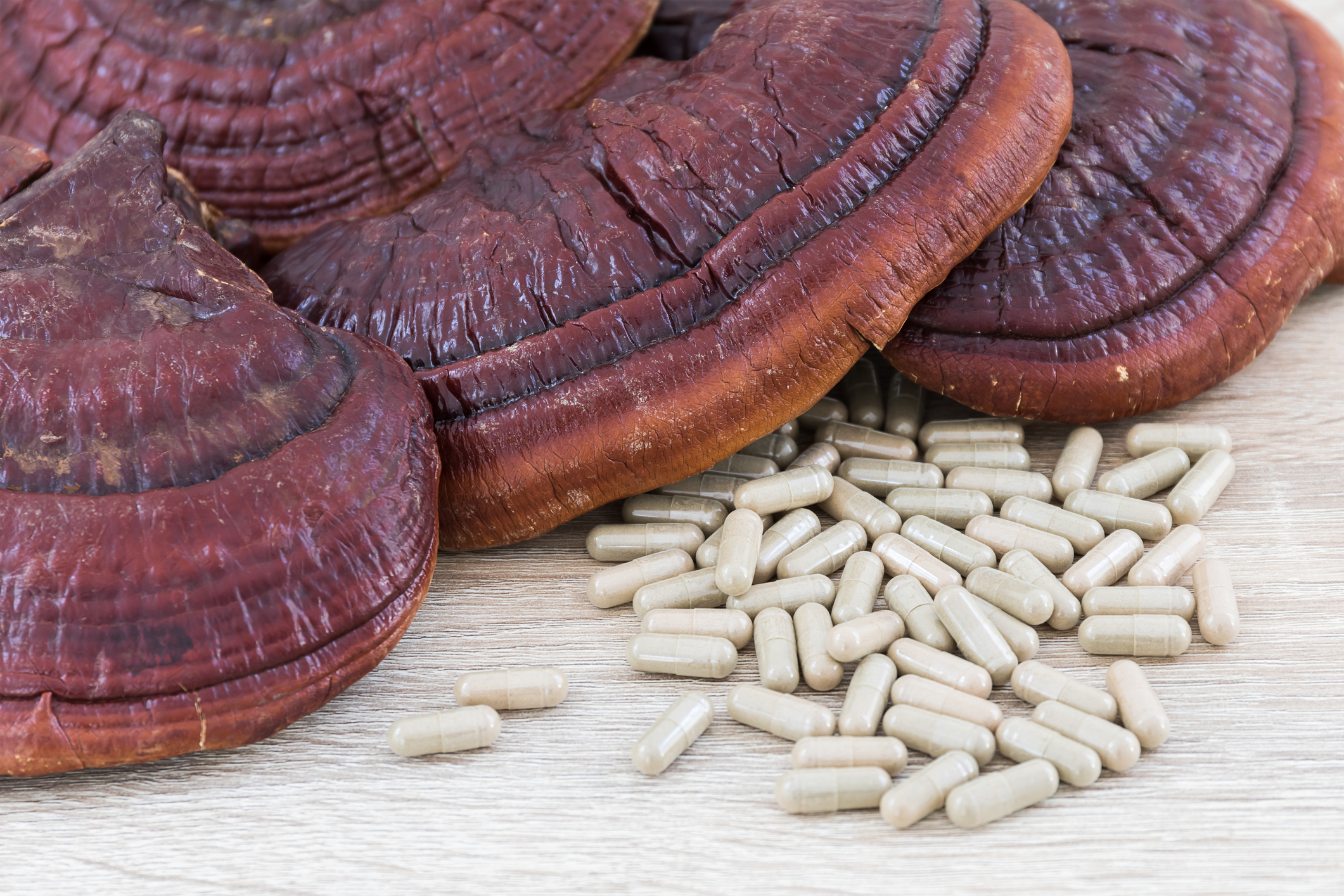
Medicinal mushrooms have a long history of traditional use, coupled with new, cutting-edge research demonstrating their health benefits. Asian cultures share a deep respect for the benefits of mushrooms; the Romans were also fans, dubbing mushrooms the “food of the gods.”

The healing power of medicinal mushrooms—such as reishi, shiitake, cordyceps, maitake, and turkey tail—stems from bioactive compounds called polysaccharides, as well as other compounds that are specific to each variety.

These health-enhancing polysaccharides act as “biological response modifiers.” This means that they support your immune response in resisting infectious diseases and cancer. Beta glucan is the best known and most frequently studied mushroom-derived polysaccharide.

Delivering D

For health benefits ranging from a stronger immune system and sturdier bones to a lower risk of diabetes and a longer life, look no further than vitamin D. You need up to 5,000 IU of this vitamin daily (through a combination of sun exposure, foods, and supplements). Mushrooms serve as the only nonanimal food source of vitamin D. Mushrooms gathered in the wild, as well as cultivated ones exposed to UV light, can provide plenty of it.

Interestingly, both fresh and dried mushrooms will increase in vitamin D levels if simply left in the sun for a day or two. For best results, expose the gill side of the mushrooms to the sun.

Cancer Warriors

Cancer ranks as one of the most researched areas when it comes to medicinal mushrooms. The cancer-fighting ability traces back, in part, to beta glucan, which activates immune system cells (such as macrophages, interferon, T cells, and natural killer cells) to prevent the multiplication or spread of cancer cells. Medicinal mushrooms have been approved in Japan and China for more than three decades as supportive therapies to use alongside standard cancer treatments.

Several mushrooms enhance immune function and fight cancer, including maitake (Grifola frondosa), shiitake (Lentinan edodes), and cordyceps (Cordyceps sinensis), but one that hasn’t received as much attention as it perhaps deserves is turkey tail (Trametes versicolor). A growing number of studies in humans has shown potential benefits from polysaccharide-K (PSK) in turkey tail. For example, in patients with stomach cancer, PSK in conjunction with chemotherapy improved survival rates, while its addition to standard colon/rectal cancer treatment led to fewer recurrences. Lung cancer patients experienced similar benefits when taking PSK.

Bountiful Benefits

Reishi, like other medicinal mushrooms, has historically been valued as an “adaptogen,” or general tonic, to promote overall wellness and vitality. In addition to the immune boost that reishi can provide, this mushroom seems to have a special affinity for cardiovascular health through an antioxidant effect.

Reishi is not the only mushroom with cardiovascular benefits; porcini mushrooms (a popular choice in Italian cuisine) have been noted to lower blood pressure in animal-based research. Several medicinal mushrooms have been studied for counteracting diabetes. For example, Agaricus bisporus has amazing potential. When people at risk for Type 2 diabetes consume this mushroom daily, risk factors go down.

The benefits of medicinal mushrooms don’t end here. Promising research continues in the areas of Parkinson’s disease, Alzheimer’s disease, and even allergies.

“Cardioprotective activity of Ganoderma lucidum extract during total ischemia . . . ” by T.V. Lasukova et al., Bulletin of Experimental Biology and Medicine

“Edible mushrooms: Improving human health and promoting quality life” by M.E. Valverde et al., International Journal of Microbiology

“Effects of a hot-water extract of porcini (Boletus aestivalis) mushrooms on the blood pressure and heart rate of spontaneously hypertensive rats” by N. Midoh et al., Bioscience Biotechnology, and Biochemistry

“Medicinal mushroom science: Current perspectives, advances, evidences, and challenges” by S.P. Wasser, Biomedical Journal

“Medicinal mushrooms (PDQ),” National Cancer Institute

“A retrospective study in adults with metabolic syndrome: Diabetic risk factor response to daily consumption of Agaricus bisporus (white button mushrooms)” by M.S. Calvo et al., Plant Foods for Human Nutrition

“Vitamin D in mushrooms” by D.B. Haytowitz, www.USDA.gov, 2023

Contributor

Victoria Dolby Toews, MPH

Victoria Dolby Toews, MPH, is an evidence-based, integrative medicine journalist with more than 20 years of research and writing expertise, She received her Master of Public Health from OHSU-PSU School of Public Health.

She is the author or co-author of numerous books, including Life After Baby (2012), The Green Tea Book, 2nd edition (Penguin, 2008). User’s Guide to Healthy Digestion (Basic Health Publications, 2004), The Soy Sensation (McGraw-Hill, 2002), User’s Guide to Glucosamine and Chondroitin (Basic Health Publications, 2002), The Common Cold Cure (Avery, 1999), and The Green Tea Book (Avery, 1998).

Her work was recognized for excellence as a 2001 finalist for the Maggie Awards (Western Publications Association award honoring editorial excellence in magazines west of the Mississippi River).

Protein Builds Power with Powder

Vegan protein products offer many benefits.

By The Taste for Life Staff

Protein builds muscle, but it also helps regulate appetite and, according to research, plays a part in managing weight.

Around middle age, muscle mass begins to decline, and frailty (known as sarcopenia) may result. To combat it, consume sufficient protein for the growth, maintenance, and repair of cells.

One-third of adults over 60 don’t get enough protein, according to some estimates. And those who exercise regularly need protein to maintain muscle mass and for post-workout repair and recovery. 

If daily intake is too low, the body acquires amino acids (the building blocks of protein) from your muscles. Multiply your weight by 0.4 for an estimate of your daily protein requirement in grams. For athletes, a rule of thumb is about one gram of protein for every pound of body weight per day.

Why Supplement with Proteins?

While getting protein via a balanced diet is recommended, some people don’t eat animal proteins; others want to avoid the saturated fat and cholesterol found in some protein sources; and still others like the convenience and concentration of protein powders, which are often fortified with additional nutrients. 

Vegan protein powders made from peas, hemp, and rice are available. Hemp protein powder, for example, is a plant source of complete protein, meaning it contains the right number and balance of essential amino acids. It also offers a heart-healthy balance of omega-3 and omega-6 fatty acids. 

Vegan protein bars are another great convenient way to get more protein into your life.

After you’ve selected the nutritional profile and ingredients you prefer, look for other signs of quality and purity. Then taste-test products to find your favorite. Some people mix their powder with water and drink as is; others add it to smoothies with yogurt or juice. Toss in bananas, berries, cinnamon, or other healthy treats.

Benefits of Hemp Protein

If you choose hemp protein powder, you will gain additional health benefits in addition to the approximately 15 grams of protein per serving.

  • Antioxidant and Antiinflammatory

    Made from crushed hemp seeds, the resulting powder is rich in fiber (about 7 to 8 grams per serving) and antioxidants. Studies have shown that hemp protein products can help ease chronic inflammation.

  • Better Hair, Nails, and Skin

    Hemp easily penetrates hair, skin, and nail fibers. People who take hemp oil routinely comment on their thicker, shinier hair, softer skin, and stronger nails.

    Scientists who studied the effects of hemp seed oil on patients with atopic dermatitis (eczema) reported “a remarkable reduction in dryness, itching, and an overall improvement in symptoms.”

“Chemical composition and biological activities of whole and dehulled hemp seeds” by J.I. Alonso-Esteban et al., Food Chemistry, 4/22

“Hemp protein hydrolysates promote anti-inflammatory response in primary human monocytes” by N.M. Rodriguez-Martin et al., Biomolecules, 5/20

“Pump up your workouts with vegan protein powder” by Keegan Baur, www.peta.org

Contributor

The Taste for Life Staff

The Taste for Life staff come from a wide variety of backgrounds and specialties. We believe learning is a life-long process, and love to share the knowledge we gain.

Manuka Honey

A sweet treat with skin benefits

By Nan Fornal

Oh, honey! You add it to your tea. You cook and bake with it. You may even keep a fresh jar in the medicine cabinet to use on minor burns and other wounds.

People have relied on honey’s antibacterial and anti-inflammatory properties for millennia, and twenty-first century scientific research backs up the traditional uses. You’ll now also find honey on the ingredients list of many skin care products.

Why Manuka?

Although pure honey of any kind may have some healing properties, quality and concentration vary. The blossoms of the manuka shrub (Leptospermum scoparium), plentiful in New Zealand and Australia, produce a superior antibacterial honey.

How It Works

In addition to its antibacterial, anti-inflammatory, and healing properties, manuka honey is a humectant, which means it helps the skin retain moisture. It also acts as an antioxidant, taming free radicals to protect the skin from premature aging.

The enzymes in raw manuka honey make it a natural exfoliant. You don’t need grit to remove dead skin cells and reveal smooth skin.

Alone or in a Combo

Use pure, raw manuka honey by itself as a cleanser or face mask. Health coach and beauty blogger Elizabeth Rider suggests spreading honey on clean skin and letting it work for 20 minutes before rinsing off. 

Or try manuka honey in combination with other ingredients in facial and body cleansers, masks, serums, and moisturizers. You’ll find manuka honey paired with fruit enzymes such as apricot and papaya or with skin favorites aloe vera, vitamin E, shea butter, and even cannabidiol (CBD).

Cautions

If you have an allergy to bee stings or to pollen, consult your dermatologist or healthcare provider before trying manuka honey skin preparations.

Until the age of 12 months, little ones may be susceptible to developing infant botulism from ingesting honey. To be safe, avoid using manuka or any honey on an infant’s skin.  

“Dermatologists say manuka honey is a powerful force against acne” by Melanie Rud, www.byrdie.com, 1/27/20

“Honey: A biologic wound dressing” by Peter Molan and Tanya Rhodes, Wounds, 6/15

“Manuka face mask benefits + how to do it” by Elizabeth Rider, www.ElizabethRider.com

“Therapeutic manuka honey: No longer so alternative” by D.A. Carter et al., Frontiers in Microbiology, 4/16

Contributor

Nan Fornal

Nan Fornal has experience with fiction, nonfiction, and technical publications, working closely with book and magazine publishers from first edit to final proofing. She has worked with Exeter Press, Boston magazine, and self-publishers alike.

Bone-strengthening workouts

Easy exercises for a lifetime of protection

By Nan Fornal

Some 44 million have low bone density, or osteopenia, which puts them at an increased risk of fractures.

Things you can do to protect yourself include ensuring that your diet includes enough protein, calcium, and vitamin D; avoiding tobacco and limiting alcohol intake; keeping your weight at a body mass index above 19; and staying active.

Weight-bearing activities

Strengthening bones can be as easy as walking, dancing, climbing hills or stairs, hiking, or jogging, all of which require no equipment. More vigorous activities, including tennis, pickleball, basketball, and volleyball, which involve running, stops and starts, and direction changes, strengthen the bones.

Yoga and t’ai chi, although they don’t involve high impact, are both weight-bearing and lower the risk of falls because they improve balance.

Plain old jumping, which goes by the fancy name plyometrics, increases benefits to bones. The American Journal of Health Promotion published a study that showed increased hip density after only four months of jumping 10 times twice a day and a significant increase with upping the jumps to 20 times. Those in the study rested 30 seconds between each jump.

Resistance- and strength-training

In addition to weight-bearing exercises, strength-training (using as resistance either your body weight or dumbbells) makes your muscles stronger, which protects and strengthens the bones.

Aim for two to three sessions per week, with 48 hours of rest between sessions. Try squats, lunges, side leg lifts, modified pushups, and planks, and then move on to strength-training with dumbbells, performing bench presses, squats, deadlifts, rows, biceps curls, and overhead presses.

Try the biceps curl

Stand up tall, with your chest lifted, abdominals tight, and shoulders down and back. Hold weights down at your sides, palms facing forward. Slowly bending your elbows, lift the weights to your shoulders to a count of four. Hold for two. Lower the weights slowly, to a count of four, back to starting position.

Do 1 to 3 sets of 8 to 12 reps, resting for 60 seconds between sets.

A few words of caution

Consult with your healthcare practitioner before starting any exercise program, especially if you have osteoporosis or osteopenia.

Begin every workout with a warm-up session (e.g., walking, marching in place, swinging your arms) and end with a cooldown like walking.

Stay hydrated.

“The chronic effects of a quantified jump-landing program on bone health . . .” by T. L. Clissold et al., Journal of Family Medicine, 1/24/22

Effect of two jumping programs on hip bone mineral density in premenopausal women: A randomized controlled trial” by L.A. Tucket et al., American Journal of Health Promotion, 1–2/15

Exercises for Bone Strength: 7 Workouts to Help Prevent Osteoporosis and Keep You Standing Tall, Harvard Medical School, Harvard Health Publishing, 2020

"Osteoporosis fast facts," Bone Health and Osteoporosis Foundation, www.BoneHealthandOsteoporosis.org

"Osteoporosis prevention," International Osteoporosis Foundation, www.BuildBetterBones.org, 2025

Contributor

Nan Fornal

Nan Fornal has experience with fiction, nonfiction, and technical publications, working closely with book and magazine publishers from first edit to final proofing. She has worked with Exeter Press, Boston magazine, and self-publishers alike.

Hack Your Hay Fever

with herbs, homeopathy, and lifestyle approaches

By The Taste for Life Staff

Ah, when the days of summer are lazy, hazy, and making people crazy—with hay fever. Ragweed allergies hit hard this at this time of year. The unfortunates are easy to spot—their coughing, watery eyes, sneezing, and fatigue give them away. Among the sufferers are a growing number of middle-aged people who’ve never had hay fever before. Why the sudden uptick of seasonal allergies in the middle aged?

Why Allergies Develop During Middle Age

Allergy experts posit several reasons. Air pollution has been found to work synergistically with allergens to create more hay fever symptoms. There have also been increasing levels of pollen counts—both in terms of daily averages and “number of days when pollen exceeds a certain limit,” said Harsan Arshad, professor of Allergy and Clinical Immunology at the University of Southampton, in an interview with the Telegraph. In the past, an allergic response may not have been triggered because pollen levels were lower.

Climate change is also causing an increase in allergies. The Union of Concerned Scientists reported that “[c]arbon dioxide, the heat-trapping gas that is the primary cause of our warming planet, increases the growth rate of many plants and increases the amount and potency of pollen. Rising temperatures extend the growing season and the duration of allergy season.”

Fortunately, there are many ways to fight hay fever naturally.

Natural Remedies for Hay Fever

  • Butterbur & Nettles as an Antihistamine

    Extracts of the herbs stinging nettle and butterbur help relieve seasonal allergy symptoms. Nettle decreases inflammation and acts as an antihistamine. Butterbur also works as an antihistamine, and research shows it can be as effective as Zyrtec and Allegra—without as much drowsiness or fatigue.

    If you want to try butterbur, look for Petadolex; this is a special extract of the herb that removes the liver-toxic pyrrolizidine alkaloids from its roots.

  • Garlic for Sinus Congestion

    This common kitchen herb helps treat allergy-related sinus congestion and coughs. With more than 70 active ingredients, garlic can also help reduce inflammation and boost the immune system.

    Other remedies for seasonal allergies include Pycnogenol, a pine bark extract rich in antioxidants, and bromelain, an enzyme derived from pineapple that can reduce nasal swelling and inflammation.

  • Medicinal Mushrooms for Immunity

    “Allergies occur when the immune system is irritated and malfunctioning, eliciting an immune response to otherwise harmless substances,” said herbalist Maria Noël Groves. “Over time, you may be able to decrease incendiary inflammation and retrain the immune system so that you’re less reactive to pollen.”

    To do so, Groves recommends medicinal mushrooms including reishi, chaga, and shiitake, as well as astragalus root. All appear to strengthen the immune system, she said.

Homeopathy v. Hay Fever

Researchers have found certain homeopathic treatments help with hay fever. One study showed that hay fever symptoms were better reduced by a homeopathic remedy compared to placebo. In another study of patients with hay fever, the authors found that “the homeopathy group had a significant objective improvement in nasal airflow compared with placebo group.”

Several homeopathic medicines, including those manufactured by Boiron, can target specific allergy symptoms. Here are a few to consider.

Nasal congestion: Apis mellifica relieves nasal congestion with stinging pain and swollen nasal mucosa caused by allergies.

Sneezing: Reach for Galphimia glauca, which helps with itchy nose and sneezing fits associated with hay fever.

Eye allergies: Euphrasia officinalis relieves abundant and irritating eye discharge.

General allergy symptoms: Histaminum hydrochloricum is well-known and widely used to ease a variety of allergy symptoms, including sneezing, runny nose, and itching.

Burning nasal discharge: Kali iodatum alleviates burning discharge, especially when accompanied by with pain at the base of the nose.

Runny nose: Natrum muriaticum targets a runny nose from allergies with clear, watery discharge that is worse in the morning.

Post-nasal drip: Try Hydrastis canadensis.

Ragweed allergy: Try Ambrosia artemisiaefolia.

Lifestyle Hacks for Hay Fever

In the battle of human versus ragweed, more than herbs are needed. Saline sprays or xylitol sprays help unclog the nose, reduce inflammation, decrease postnasal drip, and flush away allergens. A neti pot works similarly.

Wraparound sunglasses can protect eyes from pollen as can eye drops. During a high pollen day, take a shower when you get home and change your clothing. Keep windows shut as much as possible. Avoid doing yard work.

Certain foods fight allergies by boosting immunity and triggering allergy-easing processes in your body. In addition to garlic, eat broccoli, citrus fruits, onion, and leafy greens like collards and kale.

Body into Balance by Maria Noël Groves, RH ($24.95, Storey Publishing, 2016)

“A Changing Climate Worsens Allergy Symptoms,” Union of Concerned Scientists

“The Four Seasons of Hay Fever” by Daniel Schwartz, CBC News, www.CBC.ca, 5/24/11

 “Randomised Placebo-Controlled Trials of Individualized Homeopathic Treatment...” by R.T. Mathie et al., Syst Rev, 12/14

“Why Are So Many People Suddenly Suffering from Hay Fever in Middle Age?” by Victoria Lambert, www.Telegraph.co.uk, 4/17/17

Contributor

The Taste for Life Staff

The Taste for Life staff come from a wide variety of backgrounds and specialties. We believe learning is a life-long process, and love to share the knowledge we gain.

The Role of GABA

Keep Calm and Carry On

By Lisa Fabian

Communication is crucial to so much in life. Even the human body requires constant conversations between the organs, muscles, and cells for effective functioning and optimal performance. 

Meet GABA

The body’s neurotransmitters are responsible for sending this continuous information between the brain and other parts of the nervous system. The primary inhibitory neurotransmitter to do this is gamma-aminobutyric acid or GABA, for short. 

GABA’s crucial role is to maintain a balance between the brain’s excitatory and inhibitory signals. When this process works as it should, the brain is able to function at its best, creating a sense of well-being and resilience.

This is why GABA has been nicknamed the calm chemical and is increasingly being explored for help with our modern levels of excessive stress and anxiety.

GABA Deficiency

The body produces GABA through metabolizing dietary protein. Normally, the body produces all that it needs.

However with factors like aging, not enough protein in the diet, and certain medication interactions, GABA’s production can be interrupted.

Symptoms and Conditions

Without GABA to help reduce excessive neural activity, the brain’s cells begin to fire both too easily and too often.

This can lead to a host of issues:

  • convulsions
  • seizures
  • tremors
  • cell death

Serious degenerative brain disorders such as Alzheimer’s, Parkinson’s, and Huntington’s diseases have been linked with GABA deficits and excessive brain activity as well.

Those with epilepsy, insomnia, and anxiety do not produce enough high levels of GABA naturally.

What Causes Low Levels?

When individuals are dealing with chronic stress or depression, GABA transmission throughout the brain can become dysregulated. High-fat diets can be culprit of low GABA activity and reduce levels, as can vitamin B6 deficiencies. 

How Can You Tell If You Have Low GABA?

Most of GABA is in the brain, not the blood. So blood tests can be ineffectual. Spinal taps and biomarker testing can be used, but these are extreme or indirect diagnostic tools.

There are online questionnaires that can identify whether you may have low levels of GABA. Symptoms of low GABA include feeling stressed, burnt out, fearful, or worried; experiencing panic attacks or stiff muscles; or craving carbs, drugs, or alcohol for relaxation and calming.

Benefits of Boosting GABA

Besides promoting a relaxed state and improved well-being, there are other positive effects that can occur from increasing low GABA amounts.

Here are some of them:

  • decreased anxiety
  • improved long-term memory
  • better sleep
  • reduced hypertension
  • lowered inflammation
  • limited effects from histamines
  • enhanced mood

How to Increase GABA

Fortunately, there are natural ways to boost this neurotransmitter.

  • Exercise

    Exercise can increase concentrations of GABA. 

  • Meditation

    Meditation helps too. In a 2021 study, long-time practitioners of Integrated Amrita Meditation (IAM) were shown to have higher levels of GABA in their blood when compared to those who did not practice the technique.

  • Diet and Nutrition

    Consuming certain foods and beverages can help GABA levels or enhance their activity. Some items to consider include:

    • spinach
    • tomatoes
    • potatoes
    • beans
    • green tea
    • nuts
    • seeds
    • whole grains
    • halibut
    • citrus fruits
    • oats
    • broccoli
    • bananas
    • pineapples
    • guavas
  • Supplements

    Generally advertised as a natural tranquilizer, supplemental GABA is available in powder, capsule, tablet, or liposomal spray form.

    If you consider these products, know that some may be combined with vitamin B6, lemon balm, aswhwagandha, or L-theanine to increase beneficial effects and absorption.

The Anti-Anxiety Food Solution by Trudy Scott, CN ($21.95, New Harbinger, 2011)

“GABA: how to boost your brain’s natural antianxiety defenses” by Ocean Robbins, www.FoodRevolution.org, 4/17/24

“GABA: what is GABA . . . ?” Journal Of Nutrition, 2025

 “Why GABA is important for well-being” by Tchiki Davis, PhD, www.PsychologyToday.com, 5/6/24

Contributor

Lisa Fabian

Contributing Editor

Lisa Fabian is an award-winning freelance writer with more than 25 years of experience in the publishing industry. She's enjoyed covering topics as diverse as arts and crafts, boating, food, and health and wellness.

Omega Oils for Skin Conditions

How fatty acids can help soothe and support you.

By Jane Eklund

The omega oils are a great dietary or supplemental choice for many reasons, for many people. It's especially true for people who want to keep their skin youthful looking.

But did you know that they also may alleviate some chronic or occasional skin conditions?

How Do Fatty Acids Help Your Skin?

Just how essential to skin health are the so-called essential fatty acids?

Initial Studies on Omega Oils

Nearly 100 years ago, researchers put rats on a no-fat diet. Among other health problems, the rats developed skin abnormalities and transepidermal water loss.

Reintroducing saturated fats did not reverse the skin damage, but when the rats were fed polyunsaturated fatty acids—omega 3s and 6s—the skin issues completely cleared up.

How Omegas Can Help Your Skin

We know now that both 3s and 6s are critical to keeping your skin healthy and looking its best.

  • Omega-3 fatty acids contribute to immune function.
  • Omega-6 fatty acids contribute to the skin’s structural integrity and to its barrier function.

For Inflammation

Both omegas 3 and 6 can also control inflammatory skin responses.

Most Americans do not get enough gamma linolenic acid (GLA), a powerful anti-inflammatory from the omega-6 family.

Omegas as a Remedy for Skin Flare-ups

If you or a family member deals with a skin condition, consider omegas, especially omega 3s.

In addition to playing a role in the overall health of your skin, they can improve a variety of skin disorders.

Consider the research:

  • Acne

    Researchers divided 45 people with mild to moderate acne into three groups:

    • an omega 3 group who received 2,000 milligrams (mg) of eicosapentaenoic acid and DHA
    • a borage oil (omega 6) group who received 400 mg of borage oil
    • a control group

    After 10 weeks of supplementation, they found a significant reduction in lesions in both omega groups.

  • Eczema (Atopic Dermatitis)

    A 2014 meta-analysis of research on atopic dermatitis (known as eczema) suggested that evening primrose oil (an omega 6) and the omega-3 fatty acid docosahexaenoic acid (DHA) may help some sufferers.

    Later, a 2015 German study found omega 3s may help prevent atopic dermatitis, also known as eczema.

  • Psoriasis

    Scientists reviewed studies of different dietary supplements used by psoriasis patients, including vitamin D, vitamin B12, selenium, and the omega-3 fatty acids found in fish oils.

    They found that the fish oils provided the most benefits.

  • Rosacea

    In a 2016 randomized, controlled study of people with dry-eye symptoms stemming from rosacea, people were given either omega-3 fatty acids or a placebo twice a day for six months.

    The researchers found the symptoms of those who received the omega 3s significantly improved.

Sources of Omega 3s and Omega 6s

The essential fatty acids can’t be made in the body, so we need to get them through food or supplements.

You can get omegas through the food you eat, as dietary supplements, and even as topical supplements that you apply directly to your skin.

  • Omega 3s

    The standard American diet is typically too low in omega 3s.

    Omegas can be found in many foods, but great sources include:

    • dark greens
    • walnuts
    • canola oil
    • flaxseed
    • fatty fish
      • salmon
      • tuna
  • Omega 6s

    Most Americans actually consume too much omega-6 fatty acid!

    That's due to its presence in commercially processed vegetable oils and grains.

    Omega 6s can be found in a variety of sources:

    • some high-protein foods, like:
      • meat
      • eggs
      • tofu
    • certain oils, including:
      • safflower oil
      • evening primrose oil
      • borage oil
  • Gamma Linolenic Acid (GLA)

    Good sources of GLA include:

    • borage oil
    • evening primrose oil
    • black currant seed oil

“Diet and Psoriasis: Part 3. Role of Nutritional Supplements” by J.W. Millsop et al., Journal of the American Academy Dermatology

“Do Long-Chain Omega-3 Fatty Acids Protect from Atopic Dermatitis?” by I. Reese and T. Werfel, JDDG

“Effect of Dietary Supplementation with Omega-3 Fatty Acid and Gamma-linolenic Acid on Acne Vulgaris” by J.Y. Jung et al., ActaDV

“Essential Fatty Acids and Skin Health” by Giana Angelo, Linus Pauling Institute, www.lpi.OregonState.edu

“A Randomized Controlled Trial of Omega 3 Fatty Acids in Rosacea Patients with Dry Eye Symptoms” by R. Bhargava et al., Current Eye Research

“Review of Evidence for Dietary Influences on Atopic Dermatitis” by S. Mohajeri and S.A. Newman, Skin Therapy Letter

Contributor

Jane Eklund

Jane has a rich, diverse background in both literary and journalistic writing, including book reviews, poetry, and history.

The Taste for Life Staff

The Taste for Life staff come from a wide variety of backgrounds and specialties. We believe learning is a life-long process, and love to share the knowledge we gain.

Natural Remedies for Sunburn

By The Taste for Life Staff

First off, it needs to be said: the best way to deal with sunburn, is to avoid it in the first place.

Use a broad-spectrum sunscreen, and one that's safe your family and the environment.

But no matter how careful you are in the sun, it's easy to slip up. Here’s what you can do, just in case.

Treating a Sunburn Naturally

  • Homeopathic Relief

    First, take stock of your sunburn. Then pick the right homeopathic remedy for you.

    • Apis mellifica

      Apis mellifica is the remedy of choice if skin is swollen and stings, but feels better when cold is applied.

    • Belladonna

      Take Belladonna every two hours if your head and face are hot, red, and throbbing (and you crave lemonade).

      Belladonna and Heat Stroke

      Prolonged exposure to sun or high temps can sometimes result in heat stroke, which is a serious matter and should be treated immediately.

      Here again, homeopathic Belladonna taken every 15 minutes is the remedy of choice, but seek treatment as soon as possible.

    • Urtica urens

      A dose of Urtica urens is called for if symptoms include itchy, stinging pain that feels worse after sleep or when water is applied. For general relief externally, you can also dilute four drops of Urtica urens in five ounces of water and swab it on.

  • Topical Relief

    • Aloe Vera

      The chief agent of relief is topical aloe vera. Herbalist Rosemary Gladstar writes, “Aloe is truly a remarkable healing agent for burns,” noting, “it contains rich concentrations of anthraquinones, which promote rapid healing and tissue repair.”

      According to Gladstar, the gel’s natural sunscreen also blocks up to 30 percent of UV rays. Use one of many natural products containing aloe, or keep a plant handy and split open one of its thick, oozy leaves to apply gel.

      For an extra healing boost, add a few drops of lavender, chamomile, or calendula essential oil to aloe gel, and refrigerate the goop to enhance its cooling effects.

    • Green Tea Compress

      Green tea can benefit a burn internally and externally. Polyphenols and tannic acid in this powerful antioxidant soothe and heal sunburn, reducing redness and inflammation, while counteracting the effects of UV and protecting skin cells.

      Make a compress by steeping green sencha tea leaves for 20 minutes. Strain and retain the liquid, then soak a clean cloth in the cooled tea and apply it to your burn. Then sip a cup for continuing benefits.

  • Supplements for Sun Damage

    • Pine Bark Extract

      There’s some evidence that taking natural extracts from the French maritime pine tree may help protect skin from sun damage and reduce the damage after its done. Oral use of a pine bark extract reduced signs of sun damage and reduced the pigmentation of age spots.

Natural Sunscreens

We have a great article on choosing a sunscreen that's safe for your family and the environment, but here are some quick tips:

  • Choose a Mineral Base

    For preemptive skin protection, natural sunscreens use a natural mineral base like zinc oxide, which provides UVA protection by deflecting the sun’s rays.

  • Look for Skin Soothers

    They may also include ingredients such as beeswax, plant butters, aloe vera, chamomile, and calendula to soothe and protect adults and children.

  • There's Safety in Numbers

    When you’re making your selection, look for “Broad Spectrum” and “SPF 15” or higher, which indicate over-the-counter sunscreens that pass the US Food and Drug Adminsitration’s standard for protecting against both ultraviolet B radiation (UVB) and ultraviolet A radiation (UVA).

    Both types of radiation can lead to sunburn, skin cancer, and skin aging.

Homeopathy: An A to Z Home Handbook by Alan V. Schmukler ($17.95, Llewellyn Worldwide, 2006)

“Oral Administration of French Maritime Pine Bark Extract (Flavangenol) Improves Clinical Symptoms in Photoaged Facial Skin” by M. Furumura, et al., Clin Interv Aging,  07/12

Rosemary Gladstar’s Medicinal Herbs by Rosemary Gladstar ($14.95, Storey Publishing, 2012

Contributor

The Taste for Life Staff

The Taste for Life staff come from a wide variety of backgrounds and specialties. We believe learning is a life-long process, and love to share the knowledge we gain.

Probiotics FAQ

By James B. LaValle, RPh, CCN
cartoons of a happy intestine and a sad one
Illustration 150466685 © Xsviatx | Dreamstime.com

Do you have questions about probiotics? We got in touch with James B. LaValle, RPh, CCN, for answers!

Frequently Asked Questions on Probiotics

  • Types of Probiotics and Your Needs

    • How do you know if you need to take probiotics?

      • For Digestive and Immune Issues

        Other than people with SIBO (small intestine bacterial overgrowth), anyone with digestive issues such as gas, bloating, indigestion, constipation, or loose stools or immune issues such as allergies or being prone to colds will benefit from probiotics.

      • After Taking Antibiotics

        Anyone who has taken antibiotics for an illness or surgery or acne in the past should take a probiotic to restore beneficial flora to adequate levels.

      • When Taking Certain Medicines

        People on acid-blocking medications or nonsteroidal anti-inflammatory drugs (NSAIDS) should also consider probiotics.

    • Which strains work well for specific symptoms/conditions?

      The science of probiotics for condition-specific uses is still evolving. For example, L. rhamnosus has a couple of studies showing it might help weight loss, especially in women.

      I recommend “the friendly trio,” which are three of the most stable, well-documented, clinically studied species:

      • Lactobacillus gasseri KS-13
      • Bifidobacterium longum MM-2
      • Bifidobacterium G9-1

      These have been reported to:

      • improve digestion
      • reduce cold and allergy symptoms
      • restore a healthy microbiome in aging adults
  • Proper Dosages for Probiotics

    • What are the recommended levels of colony forming units (CFUs)?

      You want counts in the billions.

      • Some conditions like antibiotic-induced diarrhea will resolve more quickly with higher CFUs.
      • For issues like colitis or autoimmune disorders, healthcare providers may recommend higher CFUs initially but then back down to lower doses as maintenance.

      It is not just about CFU count. Verifying that a brand tests to guarantee that the bacteria remain viable through the shelf life and CFU counts are accurate to the date of expiration is an important part of picking a probiotic.

    • If you eat fermented food, do you need to take probiotics?

      Depending on the products, you often do still need to take a probiotic supplement, mostly because the bacteria starters used to make those food products can be limited in bacteria types.

      Kefir tests out pretty well for the amount of beneficial bacteria it contains, but you have to tolerate milk.

    • How do you know if you should take probiotics daily or weekly?

      Take probiotics daily until symptoms improve. After that, cut down to a couple of times a week.

      If you are on medications that disrupt the microbiome, try taking a probiotic at least five days per week.

  • For Those with Medical and Health Concerns

    • If you’re taking antibiotics, when and how do you take probiotics to restore healthy flora?

      Take a probiotic at least two hours away from antibiotic dosing, typically twice a day.

    • Can people of any age take probiotics?

      Probiotics are safe and effective for every stage of life.

      I often recommend probiotics for children due to their role in supporting the immune system, in addition to helping to address skin issues, and easing digestive woes associated with antibiotic usage.

Contributor

James B. LaValle, RPh, CCN

Dr. LaValle is a clinical pharmacist, author, board-certified clinical nutritionist, and holder of a doctorate in naturopathy. He works with the NFL, NBA, and MLB to offer health, wellness, and diet strategies. Best known for his expertise in metabolic and integrative medicine, Dr. LaValle has written more than 20 books, including Cracking the Metabolic Code and Your Blood Never Lies.

Don't Miss a Thing!


Get the latest articles, recipes, and more, when you sign up for the tasteforlife.com newsletter.

Hot Product

Eidon Ionic Minerals Magnesium Liquid Concentrate

Eidon Ionic Minerals Magnesium Liquid Concentrate

Eidon Magnesium is essential for normal heart function, nerve impulse transmission, muscle relaxation and calcium management. Symptoms of deficiency may include muscle cramps, headache, fatigue, insomnia and involuntary twitches. Magnesium is depleted during stress - both physical and emotional.